Mountain Bulldog
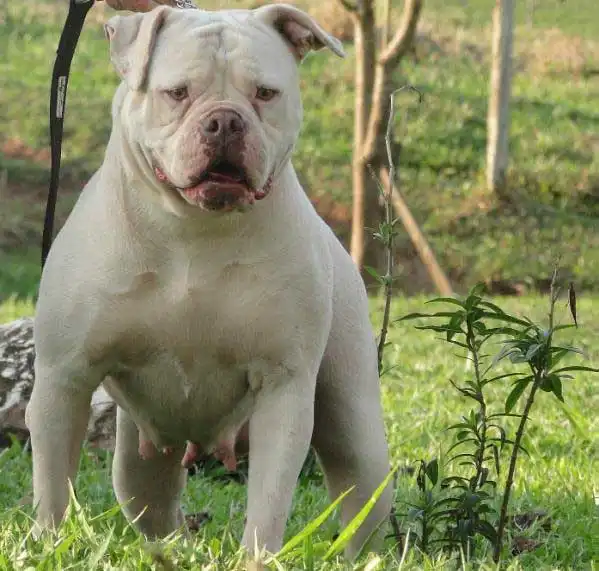
The Mountain Bulldog is a large hybrid breed created by crossing the English Bulldog with the Bernese Mountain Dog. Since these breeds are mainly acknowledged by American dog organizations, it is probable that the Mountain Bulldog was developed in the United States. These hybrids have a strong and muscular physique, which can appear intimidating to those unfamiliar with them. However, they are recognized for their friendly and playful demeanor, making them excellent companions for families with children and other animals. This breed is quite versatile and can flourish in different living situations, although their dense coats indicate a preference for cooler weather.
Breed Origin
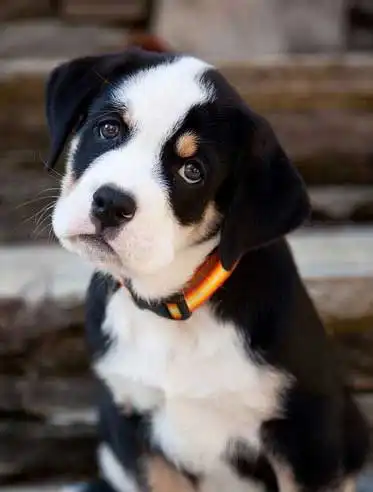
The Mountain Bulldog is a relatively recent hybrid breed that has garnered attention from various organizations, such as the American Canine Hybrid Club, the Designer Breed Registry, the Designer Dogs Kennel Club, and the Dog Registry of America. This breed results from crossing the English Bulldog with the Bernese Mountain Dog. The English Bulldog, an ancient breed with roots extending over 300 years, was originally bred for bull-baiting. In the 1500s and 1600s, the breed was refined with the addition of the Asian Mastiff, shaping the English Bulldog into its current form. Commonly known as the British Bulldog, it was officially recognized by the American Kennel Club in 1886 as part of the Non-Sporting Group. Conversely, the Bernese Mountain Dog is a large, versatile breed originating from Switzerland. It is thought to have been developed in the 18th and 19th centuries, primarily for farm work, where it was tasked with pulling carts, herding livestock, and providing protection. Although the Bernese Mountain Dog has largely shifted from its working origins to become a beloved family pet, it still engages in activities such as search and rescue, guarding, and serving as a watchdog. This breed received recognition from the American Kennel Club in 1937.
Breed Appearance
The Mountain Bulldog is a sturdy and well-built breed, generally measuring over 21 inches in height and weighing up to 90 pounds. This hybrid breed is noted for its prominent skull, moderately elongated muzzle, and strong jaws. They often have noticeable wrinkles and folds, especially around the head and neck. Their eyes are almond-shaped and may be slightly spaced apart, while their ears are thick, droopy, and wide. Some dogs may display an underbite, a characteristic often linked to the English Bulldog. The Mountain Bulldog features a powerful, muscular build with a broad and deep chest, supported by legs of medium length. In terms of coat, these dogs typically have medium-length, dense fur that is soft to the touch. Their coat colors are frequently tri-colored, showcasing combinations of black, tan, and white, along with variations in fawn and brindle.


Care Routine
The Mountain Bulldog is recognized for its notable shedding and drooling, which means it requires a significant amount of care. To keep its coat clean, regular brushing—ideally once a week—is crucial to remove dirt that can become embedded. Bathing should be limited to when it's truly necessary; some owners may prefer using dry shampoo or pet sprays to tackle any unpleasant smells. Like all canine companions, the Mountain Bulldog needs special attention to its ears and teeth. It's vital to maintain dental hygiene to prevent problems like tartar buildup, gum disease, and tooth decay, so brushing the teeth weekly or as often as possible is advisable. Additionally, the ears should be regularly inspected and cleaned to avoid the buildup of wax or dirt, which can result in yeast infections and inflammation in the ear canal. Nail trimming should be done every two to four weeks to ensure they remain at a healthy length.
Behavior & Temperament
The Mountain Bulldog is a friendly, devoted, and hardworking breed that flourishes in a family setting. It’s important to remember that this breed descends from the English Bulldog, which has historically been perceived as aggressive. To help your Mountain Bulldog develop into a well-rounded pet that is comfortable around children and other animals, early training and extensive socialization are vital. Generally, due to their Bernese lineage and appropriate socialization, Mountain Bulldogs can make excellent, gentle companions. They tend to be watchful and protective of their families when encountering new people, often taking some time to acclimate. However, once they get to know someone, they usually become warm and welcoming.


Play & Exercise
The Mountain Bulldog, while classified as a medium-sized breed, possesses a moderate level of energy and requires about an hour of exercise daily. These hybrids thrive in cooler environments, often displaying increased vitality during the winter season. They enjoy engaging in activities such as playing with fellow dogs at the park, embarking on lengthy winter strolls, frolicking in the snow, and running in brisk weather. However, due to their dense fur, they tend to be less active in the summer months and are prone to overheating if exercised excessively in warmer conditions.
Things to Know
Cups Per Day
2.5 Cups
Daily Activity
60 Minutes
Average Lifespan
7 Years
Origin
2000s
Type
Crossbreeds
Size
Large
Origin Country
United States
Brush Frequency
Weekly
Coat Texture
Straight
Ancestors
Bernese Mountain Dog
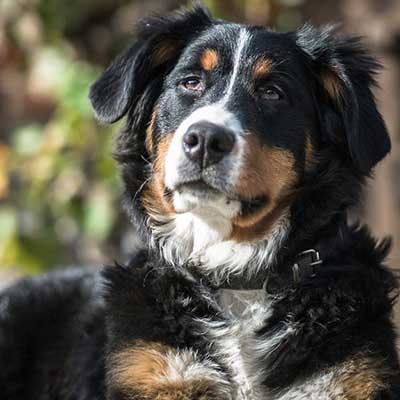
The Bernese Mountain Dog, commonly known as the Berner, is one of the four ancient breeds classified as Swiss Sennenhunds. What sets the Berner apart is its luxurious, flowing coat and exceptional temperament. Its ancestry likely stems from a combination of the farming dogs indigenous to the Swiss Alps and the Molosser, a type of Mastiff brought to the region by the Romans around the first century B.C. This rich heritage is reflected in the Berner's large head, gentle nature, remarkable strength, and strong work ethic. Traditionally, Bernese Mountain Dogs were invaluable farm assistants, responsible for herding livestock, pulling carts, and protecting homesteads. In contemporary times, they are primarily valued as beloved family pets. Known for their friendliness towards children and their ability to be trained, they do have a strong need for family interaction, which can pose challenges if they are left alone for extended periods. In terms of appearance, the Bernese Mountain Dog is a large breed characterized by its striking tri-colored coat. They possess prominent heads and substantial paws, which require regular grooming to control shedding. Bringing a Berner puppy into your home demands a considerable commitment and effort. However, with consistent training, patience, and dedication, you can nurture a loyal and hardworking companion that will greatly enhance your life.
Read more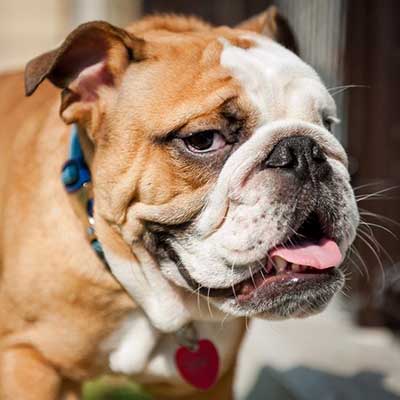
English Bulldog
The Bulldog often reveals a surprising contrast between its fierce, intimidating look and its true character. Beneath that tough facade lies a gentle and loving nature; these dogs are remarkably friendly and deeply value their human companions, all while exhibiting a playful streak of stubbornness. Above all, their loyalty to their families is steadfast. As puppies, Bulldogs are brimming with energy, but they gradually evolve into more laid-back adults. They have a special affinity for children, showcasing impressive patience; when they’ve had enough excitement, they simply relocate to a quieter area. Bulldogs also get along well with other pets, making them one of the most versatile breeds for households with multiple animals. As they age, Bulldogs tend to become a bit more sedentary, preferring to relax by your side and observe their surroundings. While they enjoy playtime with kids, it won’t be long before they seek out their favorite sunny spot for a nap. It’s essential to keep in mind that Bulldogs can easily overheat, so they need a cool retreat during the hot summer months. Additionally, they are known for their drooling and snoring, and their short snouts can lead to specific health concerns. Nonetheless, they are charming and devoted companions that bring joy and laughter to any household.
Read moreRegister
Your kids have been begging for a pet forever, and you've recently decided that it's time for your family to get a new addition -- a dog! While everyone is excited for the new arrival, you're wondering if you need to have a dog license. How much does it cost? Is it required? Where do you get one?
Member Clubs

PETINNATE
Other
Height & Weight
Weight
85 lbs (39 kg)Male: 85 lbs (39 kg) , Female: 85 lbs (39 kg)
Height
24 inches (61 sm)Male: 24 inches (61 sm) , Female: 24 inches (61 sm)
6 Months
25 lbs ( m 25 lbs, f 25 lbs )
11 inches ( m 11 inches, f 11 inches )
12 Months
52 lbs ( m 52 lbs, f 52 lbs )
23 inches ( m 23 inches, f 23 inches )
18 Months
75 lbs ( m 75 lbs, f 75 lbs )
23 inches ( m 23 inches, f 23 inches )
Eye Colors
Brown

Nose Colors
Black
Brown
Coat Colors
Brown
Black
Red
Fawn
White
Brindle