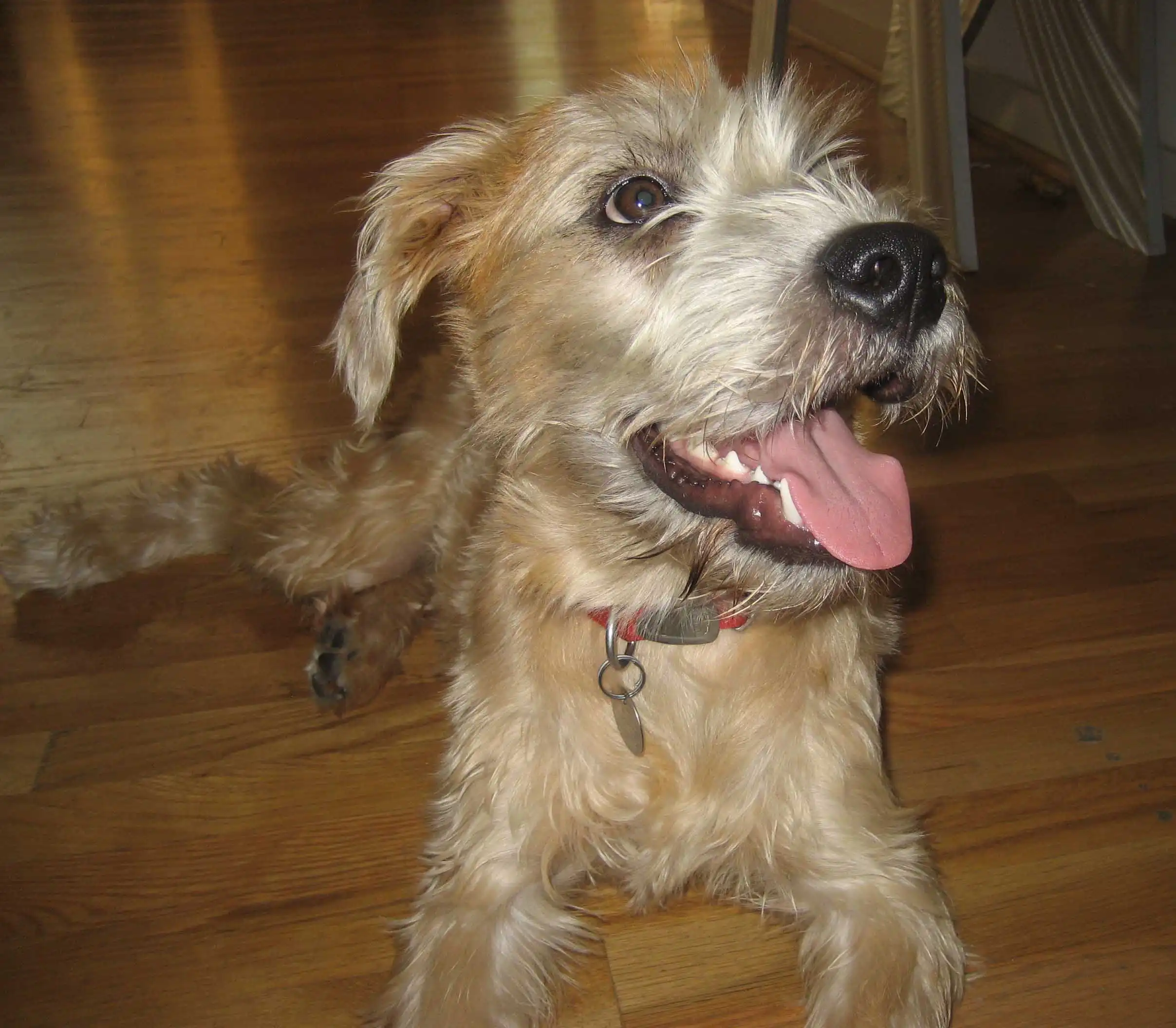
Soft Coated Woxer
Woxer
When you think of the Soft Coated Woxer, terms like endearing and loving immediately come to mind. This breed is not only clever but also full of playfulness, making them wonderful companions. They thrive on human companionship and can become anxious if left alone for long stretches. With their plush, huggable look, they often maintain a youthful spirit, overflowing with energy and a hint of mischief reflected in their dark, expressive eyes. While they need a moderate amount of exercise, a spacious yard isn’t a requirement; a daily walk paired with some playtime at home is enough to keep them content. The Soft Coated Woxer can exhibit a strong-willed nature, so it’s crucial for their owner to be both assertive and fair. They require a leader they can respect; without proper training, they may become noisy and disruptive, and could resort to digging or chewing on anything they can find. These dogs are quick to learn and respond well to training, although their independent streak can lead to resistance against harsh commands or tones. As a hybrid breed, their appearance can vary widely due to their mixed heritage, typically displaying the muscular physique of a Boxer along with the softer, longer coat of the Soft Coated Wheaten Terrier. Their gentle nature, loyalty, and affectionate disposition make these big softies truly exceptional and cherished companions.

Breed Origin
The Soft Coated Wheaten Terrier has limited historical records regarding its origins, leading us to investigate the backgrounds of its parent breeds for a better understanding of this unique dog. One of its primary ancestors, the Boxer, can be traced back to the now-extinct Bullenbeisser, which was crossbred with the Mastiff, Bulldog, Great Dane, and possibly some Terrier breeds. This breed originated in Germany in the 19th century, known for its robust and muscular physique. Initially, Boxers were employed in the harsh sport of bull baiting, where their strength and compact size allowed them to effectively seize the bull. After this sport was banned, they transitioned to being butcher's dogs. The term "Boxer" is thought to derive from their playful nature, as they often use their large paws to spar, similar to human boxers. Following World War I, Boxers made their way to America and gained immense popularity in the 1940s, eventually becoming the most beloved breed in the nation. They were among the first breeds trained for police duties and later adapted to serve as guide dogs. Today, Boxers are valued as loyal companions and protective family pets, particularly devoted to the safety of children, which they take very seriously. For many, they epitomize the ideal friend and companion. In contrast, the Soft Coated Wheaten Terrier originates from Ireland, where it functioned as a versatile farm dog, safeguarding property from intruders, controlling vermin, and aiding in hunting. Although comprehensive records of its early history are limited, it is believed to share a common lineage with the Kerry Blue Terrier and the Irish Terrier. The docked tails of these working dogs indicated to tax collectors that they were exempt from canine taxation. The first Wheatens arrived in the United States in November 1946, with seven puppies aboard the freighter Norman J. Coleman, which docked in Boston after a long journey from Belfast. Two of these puppies were taken home by Lydia Vogel from Springfield, Massachusetts, who showcased them the following year, resulting in a litter of 17 puppies. The American Kennel Club officially recognized the breed in 1973, with Holmenocks Gramachree being the first Wheaten registered. Today, this delightful breed ranks 62nd out of 155 breeds in the AKC.
Breed Appearance
The Soft Coated Woxer typically exhibits the square, robust shape inherited from its Boxer ancestry, while also displaying the soft, flowing coat that is a hallmark of the Soft Coated Wheaten parent. This blend creates an attractive dog with a plush, loosely curling coat. In contrast to the Boxer’s more compact facial structure, the Woxer features a longer muzzle similar to that of the Wheaten, which helps reduce respiratory problems. Their strong, muscular body and elongated legs contribute to a solid physique, beautifully enhanced by their shaggy fur. The legs are often covered in soft, wavy hair that extends down to their well-padded, rounded paws. They may also show feathering on their legs, chest, and around the face, adding to their endearing, teddy bear-like appearance. A thick neck supports their rectangular head and relatively short muzzle, while their black nose and wide-set, almond-shaped eyes can vary in color from reddish-brown to darker shades of brown. The ears may be either alert and upright or soft and floppy, reflecting the genetic influences of their parent breeds. While tails are often docked, some Woxers may retain a natural length and feature feathering as well. With their soft, silky coats and sturdy build, the Soft Coated Woxer is not only visually captivating but also makes for a wonderful companion and effective watchdog.


Care Routine
The level of care required for your dog is significantly influenced by the type of coat it has inherited. If your Soft Coated Woxer sports the Wheaten coat, be ready for a considerable commitment, as it requires combing at least twice a day. This stunning coat demands attention due to its tendency to mat, and brushing can often result in a fluffy look. Instead, using a comb will provide better outcomes and help maintain the coat's texture. Furthermore, this coat needs to be bathed monthly with a natural dog shampoo, followed by a thorough rinse and combing. On the other hand, if your dog has a combination of the Boxer’s short hair and the Wheaten’s longer strands, the grooming demands may be less intense. It’s important to pay close attention to the ears and eyes, as these areas are more vulnerable to injuries and infections. Like all dogs, regular teeth brushing is crucial for fresh breath, and there are specific dental products available for canine care. Depending on the coat type, your dog might also require a trim every few months to keep its appearance neat. Lastly, don’t forget to clip the nails as part of the grooming routine, ensuring your dog is ready for the day!
Behavior & Temperament
The Soft Coated Woxer may seem like a playful and spirited puppy at its core, but it also has a more serious side. When meeting new people or dogs, it can be somewhat shy and may display a slightly aggressive stance if it feels anxious or unsure. However, this breed is far from aggressive; rather, it embraces a joyful outlook on life. While they can be a bit stubborn at times, their playful nature adds a delightful energy to any environment. Having a Woxer in your home is never dull. They have a talent for entertaining themselves, whether it’s through playing with their toys or chasing birds in the yard. Nevertheless, they prefer to stay close to you when you’re around. As a dog that thrives on human interaction, they are incredibly loyal companions. Like any pet, they have their quirks; if they become bored, they might chew on anything within reach or dig holes that could transform your yard into a lunar landscape. To avoid such behaviors, it’s crucial to keep them engaged and mentally stimulated. If you’re unable to spend time with them, they may develop behavioral problems. They genuinely need companionship and flourish with your presence, so think carefully before welcoming one of these charming dogs into your home. Woxers generally get along well with children and can coexist peacefully with other pets, especially if they are raised together. However, due to their Terrier heritage, they have a strong instinct to chase small furry creatures. It’s wise to keep them on a leash during walks, as they may wander off if not properly restrained. With their sturdy build, strength, and playful spirit, the Woxer maintains its puppy-like enthusiasm, making it an excellent choice for a family pet.


Play & Exercise
The Soft Coated Woxer is a lively breed that thrives on interaction and play, often shadowing you around the house. To help them channel their abundant energy, regular walks are crucial. These outings not only provide essential exercise but also allow your dog to develop important social skills, which are vital for all dogs. Additionally, participating in training sessions is highly beneficial, as it engages their minds and offers necessary mental stimulation. When training a Woxer, it’s vital to keep the process enjoyable by using positive reinforcement, such as treats and praise, rather than harsh commands. If training becomes monotonous or overly strict, dogs can quickly lose interest, so fostering a positive atmosphere with affection and rewards will lead to better outcomes. These playful dogs enjoy a wide range of toys and are a joy to watch. Bringing a Woxer into your home ensures a vibrant and energetic environment; they are brimming with enthusiasm for life. They adapt well to various living situations, whether in a large yard or a small apartment, provided they receive daily walks to meet their exercise needs.
Things to Know
Cups Per Day
3.5 Cups
Daily Activity
60 Minutes
Average Lifespan
14 Years
Origin
1990s
Type
Crossbreeds
Size
Medium
Origin Country
United States
Brush Frequency
Daily
Coat Texture
Wavy
Register
Your kids have been begging for a pet forever, and you've recently decided that it's time for your family to get a new addition -- a dog! While everyone is excited for the new arrival, you're wondering if you need to have a dog license. How much does it cost? Is it required? Where do you get one?
Member Clubs

PETINNATE
Other
Height & Weight
Weight
45 lbs (20 kg)Male: 48 lbs (22 kg) , Female: 43 lbs (20 kg)
Height
21 inches (53 sm)Male: 22 inches (56 sm) , Female: 20 inches (51 sm)
6 Months
6 lbs ( m 6 lbs, f 6 lbs )
9 inches ( m 9 inches, f 9 inches )
12 Months
18 lbs ( m 18 lbs, f 18 lbs )
14 inches ( m 14 inches, f 14 inches )
18 Months
37 lbs ( m 37 lbs, f 37 lbs )
19 inches ( m 19 inches, f 19 inches )
Eye Colors
Brown

Amber
Nose Colors
Black
Coat Colors
Isabella
Cream
Fawn
White
Brown
Black