Soft-Coated Wheaten Terrier
Wheaten
The Soft Coated Wheaten Terrier, commonly known as the Wheaten, was historically seen as a dog for the working class in Ireland, as many ordinary families could not afford more expensive breeds. Initially bred as a farm dog, its primary roles included hunting pests and safeguarding agricultural land. Although the exact origins of the Wheaten are somewhat unclear due to limited historical documentation, it is widely believed that this breed was developed in the 1700s to meet the demand for a dependable working dog on farms. Over the years, the Wheaten has also played a role in the creation of several more refined breeds, such as the Kerry Blue, Irish, and Glen of Imaal Terriers. Despite its long-standing presence in Ireland, the Wheaten did not gain official breed recognition until 1973.
Breed Origin
Although the Soft Coated Wheaten Terrier was not officially recognized as a distinct breed until 1937, its origins trace back to Ireland, where it has a storied past. This breed is known for its moderate physique, characterized by a lack of extreme features, except for its signature long beard and the shaggy tuft of hair on its head, referred to as the fau. During the 16th and 17th centuries, the Wheaten Terrier kept a low profile among the British. In 1704, British Penal Codes prohibited the Irish from owning dogs valued at £5 or more, and if a British individual showed interest in an Irish dog, the owner was forced to sell it. The Soft Coated Wheaten Terrier's unpretentious appearance allowed the Irish to breed and employ these dogs as efficient farmhands and pest controllers. This breed demonstrated resilience, intelligence, and adaptability, managing to endure the Great Famine of the 1840s. By the early 1900s, a series of Catholic Relief Acts began to overturn many of the oppressive British laws that had previously restricted the Irish from owning hounds and more refined breeds. Consequently, the Soft Coated Wheaten Terrier's popularity waned as many people gravitated towards breeds with more pronounced characteristics, such as the Kerry Blue Terrier and the Glen of Imaal Terrier, which had already established a reputation. However, the 1930s saw a resurgence of interest in the Wheaten, leading to its official recognition by the Irish Kennel Club as a separate breed in 1937. The first Wheaten Terriers made their way to America in 1946, gradually gaining popularity until they were officially recognized by the American Kennel Club in 1973. Today, despite their many commendable qualities, this spirited and lively breed remains only moderately popular.
Breed Appearance
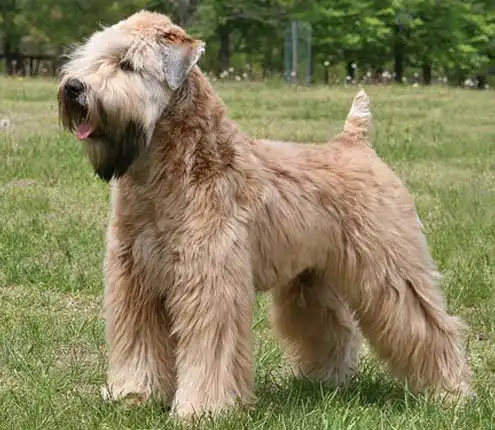
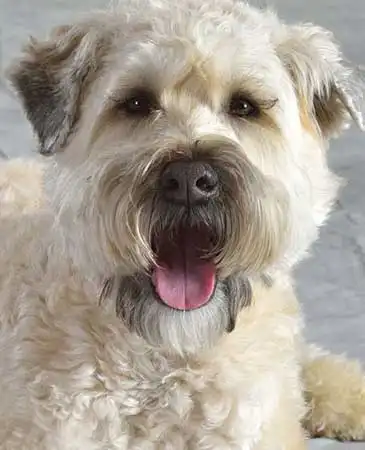
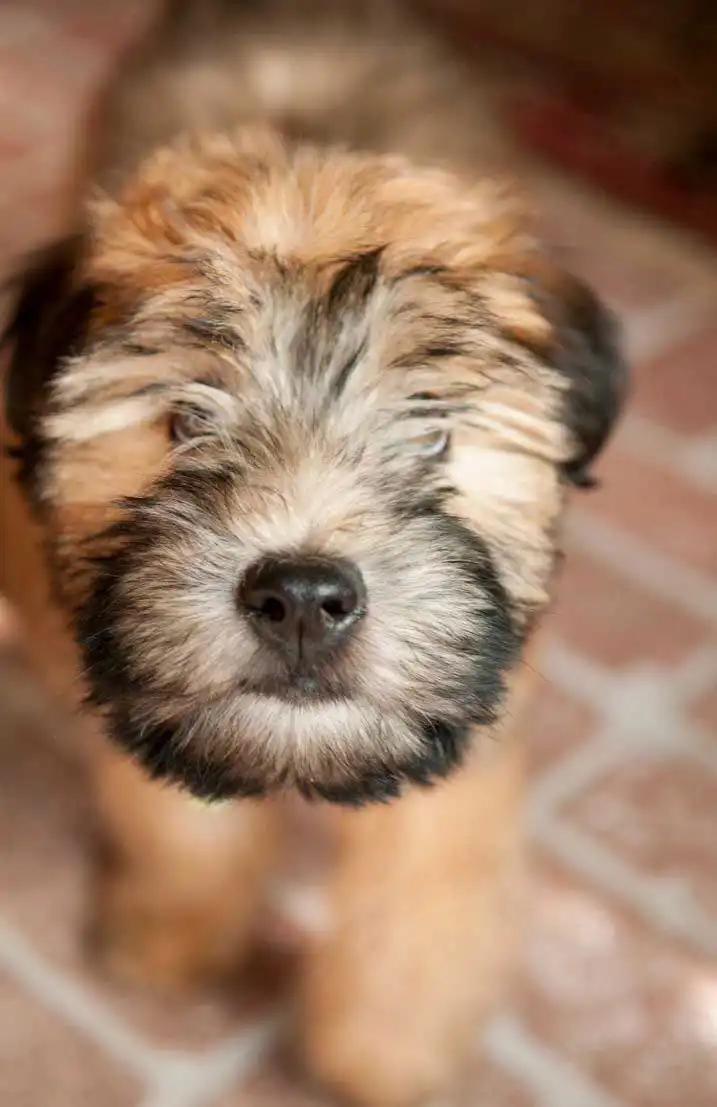
The Soft Coated Wheaten is easily identifiable by its distinctive long beard that hangs beneath its muzzle and the light-colored fur that frames its expressive eyes. Unlike other terrier breeds, this dog is known for its remarkably soft coat, which has a gentle wave. Its head is rectangular and well-proportioned to its body, featuring medium-sized, dark reddish-brown or brown almond-shaped eyes that are set at a moderate distance apart. The ears are small to medium in size, aligned with the head, and hang forward. This breed has a prominent black nose and tight black lips that conceal its typical Terrier teeth, which can display either a level or scissor bite. The forelegs are straight and sturdy, ending in round, compact feet with black pads. The hind legs are well-developed, showcasing bent stifle joints, and also terminate in compact, round feet with black pads. The tail is carried high and held upright at a 90-degree angle from the back, and it is usually docked.
Care Routine
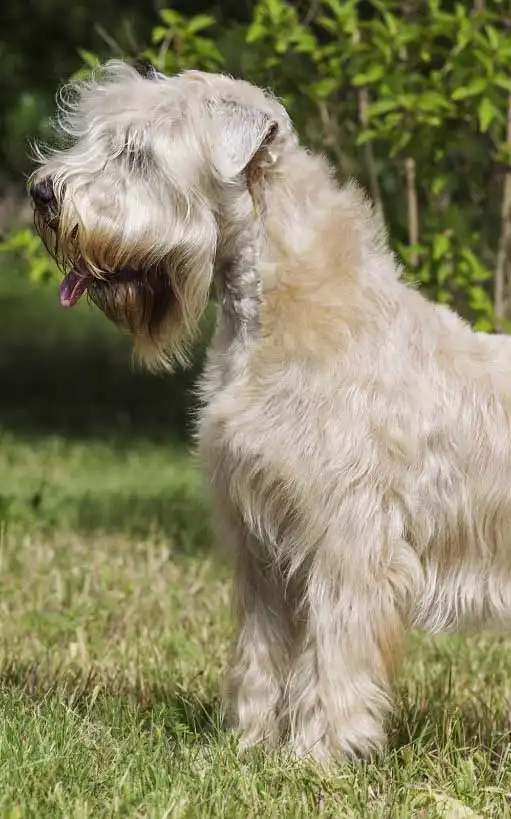
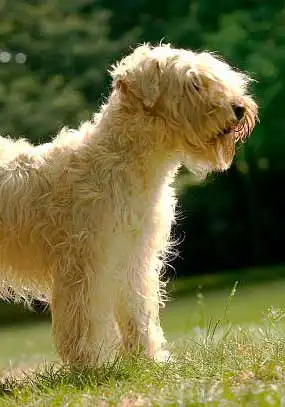
To keep the coat of a Soft Coated Wheaten Terrier in top shape, daily brushing is crucial, even though this breed doesn’t shed excessively. Bathing should be reserved for when it’s absolutely necessary due to their sensitive skin. Regular brushing not only maintains cleanliness but also helps prevent tangles. Dental hygiene is equally important; it’s recommended to brush the Wheaten's teeth two to three times a week, with daily brushing being the ideal scenario. This routine aids in reducing tartar buildup and eliminating oral bacteria. Nail trimming should be done bi-monthly or whenever you hear the sound of clicking nails as your Wheaten walks. Given the breed's higher grooming needs, starting a grooming routine while they are still a puppy can help them acclimate to the necessary care. The Soft Coated Wheaten Terrier is an active and spirited dog that needs plenty of exercise to channel its energy. While they enjoy the freedom of a secure, enclosed area like a dog park, they can also adapt well to living in apartments and urban settings. This breed tends to prefer warmer climates but is best suited for temperate weather. Regarding nutrition, a medium-sized Wheaten generally requires between 1.5 and 2 cups of dry food daily, divided into two meals. The precise amount may vary depending on the dog's age, activity level, and metabolism. Since Wheaten Terriers can be more prone to food allergies compared to other breeds, it’s essential to keep an eye on their dietary needs and any possible adverse reactions. Consulting a veterinarian can help develop a customized nutrition plan that caters to your dog's specific needs.
Behavior & Temperament
The Soft Coated Wheaten Terrier is celebrated for its playful and loving disposition, setting it apart from its more spirited Terrier cousins. This breed is especially wonderful with children, offering endless fun as they play in the yard. Perfect for novice dog owners, the Wheaten is also quite sensitive, making it crucial to steer clear of harsh training techniques or negative reinforcement. To foster a well-adjusted pet, early and consistent socialization is essential. While this breed has historical roots as a farm guardian in Ireland, its friendly nature makes it ill-suited for protective roles. The Wheaten generally gets along well with other dogs and enjoys engaging playtime. However, its instinctual hunting background may create challenges when interacting with smaller animals like gerbils or rabbits. Full of energy and enthusiasm, the Wheaten has considerable exercise requirements and is relatively straightforward to train. This breed thrives on companionship and craves ample attention and physical activity from its owners.

Play & Exercise
Things to Know
Cups Per Day
2.0 Cups
Daily Activity
60 Minutes
Average Lifespan
14 Years
Origin
1700s
Type
Pure Breeds
Size
Medium
Origin Country
Ireland
Brush Frequency
Daily
Coat Texture
Wavy
Register
Your kids have been begging for a pet forever, and you've recently decided that it's time for your family to get a new addition -- a dog! While everyone is excited for the new arrival, you're wondering if you need to have a dog license. How much does it cost? Is it required? Where do you get one?
Member Clubs

PETINNATE
Terrier

AKC
Terrier Group

UKC
Terrier
Height & Weight
Weight
35 lbs (16 kg)Male: 38 lbs (17 kg) , Female: 33 lbs (15 kg)
Height
18 inches (46 sm)Male: 19 inches (48 sm) , Female: 18 inches (46 sm)
6 Months
22 lbs ( m 22 lbs, f 22 lbs )
14 inches ( m 14 inches, f 14 inches )
12 Months
27 lbs ( m 27 lbs, f 27 lbs )
17 inches ( m 17 inches, f 17 inches )
18 Months
32 lbs ( m 32 lbs, f 32 lbs )
17 inches ( m 17 inches, f 17 inches )
Eye Colors
Brown

Nose Colors
Black
Coat Colors
Black

Cream

Characteristics
Mixes
Bully Wheaten
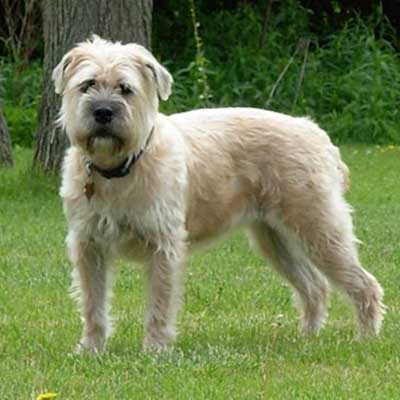
The Bully Wheaten is a medium-sized dog resulting from the crossbreeding of the Bulldog and the Soft Coated Wheaten Terrier. This breed is known for its strong health, often living up to 15 years with few genetic health issues. They have a medium-length, fluffy coat that comes in a variety of colors, such as white, black, brown, or red. Bully Wheatens are recognized for their friendly and gentle demeanor, making them great companions for children and compatible with other pets. However, they can be challenging to train, which may pose difficulties for first-time dog owners. While generally calm and not overly active, they do require encouragement to participate in regular exercise.
Read more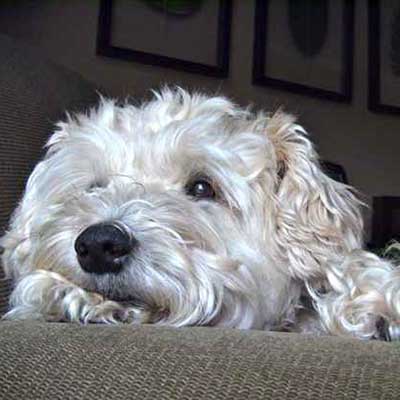
Soft Coated Wheatzer
The Soft Coated Wheatzer is a charming hybrid breed that emerges from the crossbreeding of the Miniature Schnauzer and the Soft Coated Wheaten Terrier. These dogs typically fall into the small to medium size category, weighing under 30 pounds and standing at less than 18 inches tall. Their coats are of medium length, featuring a soft, wavy texture available in a variety of colors and patterns, and are both thick and resistant to water. Renowned for their friendly disposition, Soft Coated Wheatzers are wonderful family pets, thriving in households with children and other animals. They are generally straightforward to train, eager to please their owners, and enjoy good health, with an average lifespan of about 14 years.
Read more
Soft Coated Woxer
When you think of the Soft Coated Woxer, terms like endearing and loving immediately come to mind. This breed is not only clever but also full of playfulness, making them wonderful companions. They thrive on human companionship and can become anxious if left alone for long stretches. With their plush, huggable look, they often maintain a youthful spirit, overflowing with energy and a hint of mischief reflected in their dark, expressive eyes. While they need a moderate amount of exercise, a spacious yard isn’t a requirement; a daily walk paired with some playtime at home is enough to keep them content. The Soft Coated Woxer can exhibit a strong-willed nature, so it’s crucial for their owner to be both assertive and fair. They require a leader they can respect; without proper training, they may become noisy and disruptive, and could resort to digging or chewing on anything they can find. These dogs are quick to learn and respond well to training, although their independent streak can lead to resistance against harsh commands or tones. As a hybrid breed, their appearance can vary widely due to their mixed heritage, typically displaying the muscular physique of a Boxer along with the softer, longer coat of the Soft Coated Wheaten Terrier. Their gentle nature, loyalty, and affectionate disposition make these big softies truly exceptional and cherished companions.
Read more
Wheagle
The Wheagle is a charming blend of the Soft Coated Wheaten Terrier and the Beagle, both of which are known for their friendly disposition and affection for people. Wheagles truly reflect these qualities, making them excellent companions for children while retaining their playful nature even as they grow older. However, their cleverness can sometimes result in a stubborn attitude when it comes to training. To ensure success, it’s crucial to start obedience training early and to maintain regular reinforcement. Moreover, consistent exercise is vital to effectively channel their high energy levels.
Read more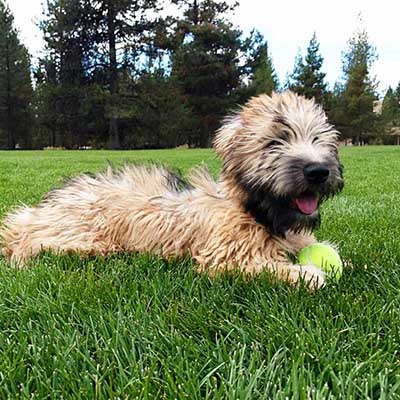
Whoodle
The Whoodle, also known as the Wheatendoodle, Sweatendoodle, or Sweatenpoo, is a sturdy hybrid breed that may pose challenges for inexperienced dog owners. Those without prior experience might struggle with the Whoodle's strong-willed disposition and pack-oriented behavior. This breed emerges from the crossbreeding of a Soft Coated Wheaten Terrier and a Poodle, resulting in a unique combination of traits inherited from both parent breeds. As a result, Whoodles often display a tendency to assert dominance within their households. However, for dedicated individuals with the right experience, nurturing a Whoodle can lead to a fulfilling bond with a loyal companion and beloved family member. Establishing a firm yet gentle leadership is crucial, as it allows these dogs to find their place within the family dynamic, ultimately leading to years of companionship with a playful and steadfast friend.
Read more