Soft Coated Wheatzer
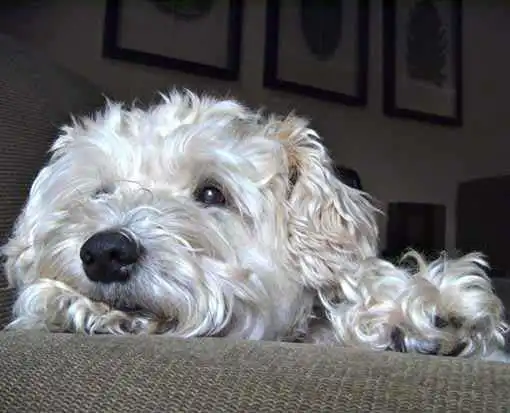
The Soft Coated Wheatzer is a charming hybrid breed that emerges from the crossbreeding of the Miniature Schnauzer and the Soft Coated Wheaten Terrier. These dogs typically fall into the small to medium size category, weighing under 30 pounds and standing at less than 18 inches tall. Their coats are of medium length, featuring a soft, wavy texture available in a variety of colors and patterns, and are both thick and resistant to water. Renowned for their friendly disposition, Soft Coated Wheatzers are wonderful family pets, thriving in households with children and other animals. They are generally straightforward to train, eager to please their owners, and enjoy good health, with an average lifespan of about 14 years.

Breed Origin
Despite being recognized for around thirty years, the Soft Coated Wheaten Terrier lacks a rich historical narrative of its own. To grasp its origins, one must also explore the histories of the Miniature Schnauzer and the Soft Coated Wheaten Terrier. The Miniature Schnauzer, a breed from Germany, is the smallest in the Schnauzer family and was developed in the 1800s to hunt vermin such as rats and mice. This breed resulted from a combination of smaller Standard Schnauzers, Poodles, and Affenpinschers, creating a compact and affectionate dog that thrived as both a ratter and a family pet. Originally called the Wirehaired Pinscher, it eventually took on its current name, which means "small beard," reflecting its unique facial hair and its endearing nickname, "the old man." While this breed once came in various colors, it is now predominantly seen in salt and pepper, black, silver, and gray. Ranking as the 17th most popular dog breed in the United States, the Miniature Schnauzer has been recognized by the American Kennel Club since 1926. In contrast, the Soft Coated Wheaten Terrier was bred in the 18th century for agricultural tasks, emerging from several Terrier breeds, including the Glen of Imaal, Irish Terrier, and Kerry Blue Terrier. Although it has a long history in Ireland, it wasn't officially recognized as a separate breed until the late 1930s, primarily due to insufficient documentation. Historical restrictions imposed by British Penal Codes prevented Irish citizens from owning dogs valued over five pounds, and any interest from British individuals necessitated the sale of these dogs by their Irish owners. In the 20th century, these laws were lifted, allowing Irish citizens to own higher-quality dogs, but the Soft Coated Wheaten Terrier experienced a decline in popularity during this period. Nevertheless, it regained popularity in the 1930s and received acknowledgment from the Irish Kennel Club. The breed made its way to the United States in the 1940s, gained acceptance from the AKC in 1973, and currently ranks as the 50th most popular dog breed in the country.
Breed Appearance
The Soft Coated Wheatzer is a small-sized dog known for its soft, thick coat, which is medium in length and usually has a wavy texture. This breed comes in a range of colors, such as black, tan, silver, pied, and merle. It has a rectangular-shaped head with a long muzzle and a black nose, accentuated by a prominent, lengthy beard. The dog's large, almond-shaped brown eyes reflect a serious and alert expression. Its ears are triangular and hang down, framing the face, while a tuft of hair often drapes over the forehead. With its long legs and rectangular body, the Soft Coated Wheatzer also features a long tail that can either stand erect or curl over its back.


Care Routine
Start grooming your Soft Coated Wheaten Terrier while she is still a puppy to help her adjust to the grooming routine she will need throughout her life. This breed is susceptible to dental problems, so it’s essential to brush her teeth regularly with a soft toothbrush and dog-specific toothpaste. Limit baths to once a month or as needed, since frequent washing can cause dry skin. To keep her coat healthy and avoid matting, be sure to brush her well with a slicker brush, a steel comb, and a stiff bristle brush at least four to five times a week.
Behavior & Temperament
The Soft Coated Wheatzer is a friendly and affectionate breed that thrives on human interaction. However, stemming from their Terrier ancestry, they may have a tendency to pursue smaller creatures such as rabbits and guinea pigs. Therefore, it’s best to supervise them around these pets. This breed is recognized for its ease of training, making it a great option for novice dog owners. That said, they do need regular and effective training, as well as early and ongoing socialization. Although they are not ideal for protective roles due to their amiable disposition, they can still function as good alert dogs because of their strong barking ability.


Play & Exercise
Your Soft Coated Wheaten Terrier is full of energy and needs plenty of exercise, so it's important to ensure she gets at least an hour of activity each day. Without enough physical and mental engagement, she may develop behavioral problems, leading to boredom or anxiety. This can manifest in destructive actions like chewing on your possessions, barking excessively, or even showing aggression. To keep her stimulated and content, think about incorporating enjoyable activities such as playing fetch, going to the beach, socializing with other dogs at the park, agility training, hunting, taking walks around the neighborhood, swimming, or engaging in obedience training.
Things to Know
Cups Per Day
2.0 Cups
Daily Activity
60 Minutes
Average Lifespan
13 Years
Origin
1990s
Type
Crossbreeds
Size
Medium
Origin Country
United States
Brush Frequency
Daily
Coat Texture
Wavy
Register
Your kids have been begging for a pet forever, and you've recently decided that it's time for your family to get a new addition -- a dog! While everyone is excited for the new arrival, you're wondering if you need to have a dog license. How much does it cost? Is it required? Where do you get one?
Member Clubs

PETINNATE
Other
Height & Weight
Weight
25 lbs (11 kg)Male: 28 lbs (13 kg) , Female: 23 lbs (10 kg)
Height
16 inches (41 sm)Male: 17 inches (43 sm) , Female: 16 inches (41 sm)
6 Months
7 lbs ( m 7 lbs, f 7 lbs )
14 inches ( m 14 inches, f 14 inches )
12 Months
12 lbs ( m 12 lbs, f 12 lbs )
15 inches ( m 15 inches, f 15 inches )
18 Months
22 lbs ( m 22 lbs, f 22 lbs )
16 inches ( m 16 inches, f 16 inches )
Eye Colors
Brown

Nose Colors
Black
Coat Colors
Pied
Silver

Fawn
Black