Whoodle
Sweatenpoo, Swheat-n-Poo, Wheatendoodle, and Wheatenpoo
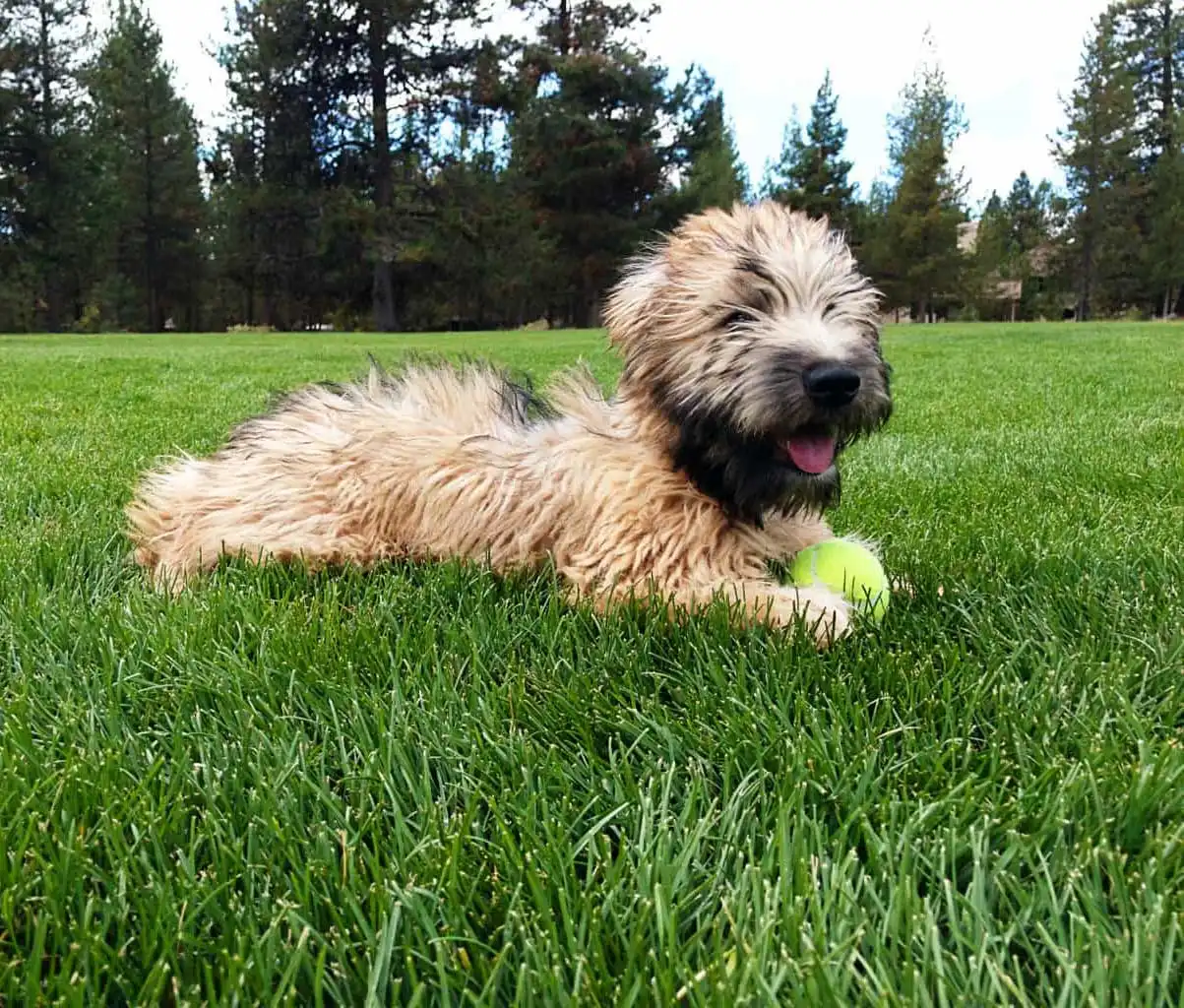
The Whoodle, also known as the Wheatendoodle, Sweatendoodle, or Sweatenpoo, is a sturdy hybrid breed that may pose challenges for inexperienced dog owners. Those without prior experience might struggle with the Whoodle's strong-willed disposition and pack-oriented behavior. This breed emerges from the crossbreeding of a Soft Coated Wheaten Terrier and a Poodle, resulting in a unique combination of traits inherited from both parent breeds. As a result, Whoodles often display a tendency to assert dominance within their households. However, for dedicated individuals with the right experience, nurturing a Whoodle can lead to a fulfilling bond with a loyal companion and beloved family member. Establishing a firm yet gentle leadership is crucial, as it allows these dogs to find their place within the family dynamic, ultimately leading to years of companionship with a playful and steadfast friend.
Breed Origin
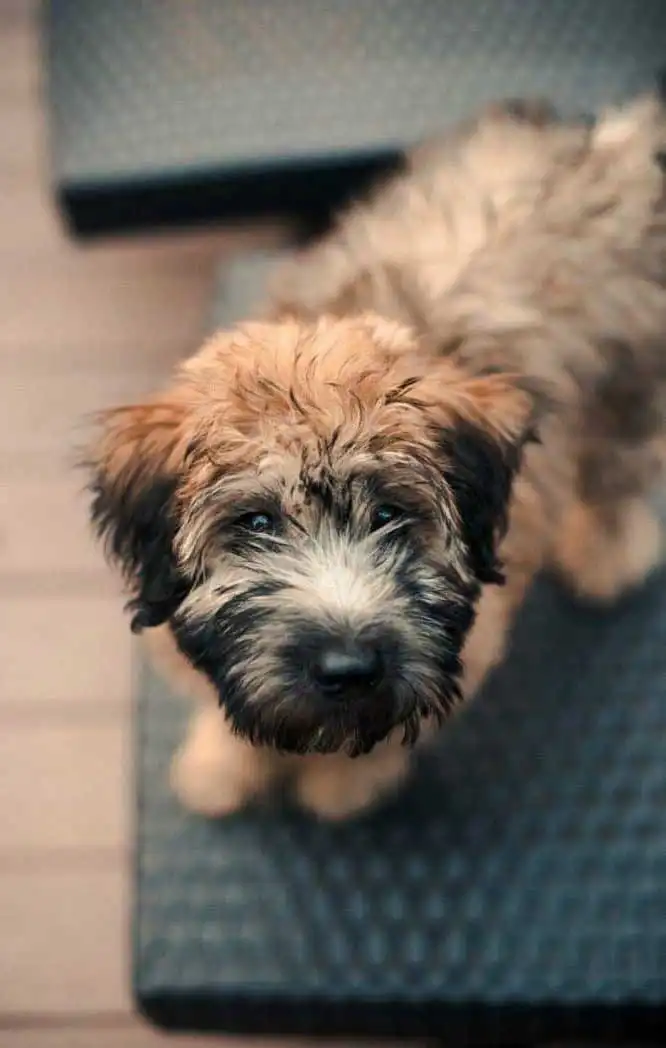
Whoodles are a relatively recent breed, having emerged in the mid-20th century. As a result, there is less information available about them compared to more established breeds. Nonetheless, it is known that Whoodles were developed to combine the intelligence and low-shedding characteristics of the Poodle with the sturdy build and soft coat of the Soft Coated Wheaten Terrier. While the exact origins of the Whoodle are somewhat ambiguous, a closer look at the histories of its parent breeds reveals much more clarity and provides valuable insights into the Wheatendoodle. Poodles, though widely recognized, have a history that is not as commonly understood. They originated in Germany and later gained fame in France, where they were celebrated for their graceful presence and remarkable abilities in waterfowl hunting. As one of the oldest dog breeds, Poodles have formed a deep connection with humans over the centuries. In a similar vein, the Soft Coated Wheaten Terrier boasts a rich heritage as an older breed closely associated with people. Developed in Ireland during the 1700s, Wheatens were originally bred for herding and controlling pests. Their resilience and intelligence allowed them to endure the hardships of the Irish Potato Famine, despite a significant decline in their numbers during that time. Fortunately, the breed made a comeback in the 1900s and received official recognition from the Irish Kennel Club. The deep and varied histories of both parent breeds have greatly shaped the Whoodle, which is increasingly valued for its intelligence and resilience—qualities that have long benefited its ancestors.
Breed Appearance
Whoodles, those delightful furry companions, showcase a variety of appearances shaped by their ancestry. Some may bear a striking resemblance to their Wheaten Terrier forebears, while others exhibit more characteristics typical of Poodles. Notable traits of Whoodles include sturdy shoulders, powerful hind legs, and a luxurious coat of fluffy fur. Beneath their endearing exterior lies a pack-oriented instinct, which can surprise unprepared owners, as Whoodles may try to position themselves as the dominant member of the group. Nevertheless, with appropriate training and socialization, a well-adjusted Whoodle can evolve into the perfect pet, often found lounging with a lively spirit, resembling a large, cuddly toy adorned with lovely, wavy fur. Moreover, Whoodles are available in a vibrant spectrum of colors, reflecting the diverse pigmentation inherited from their parent breeds.

Care Routine
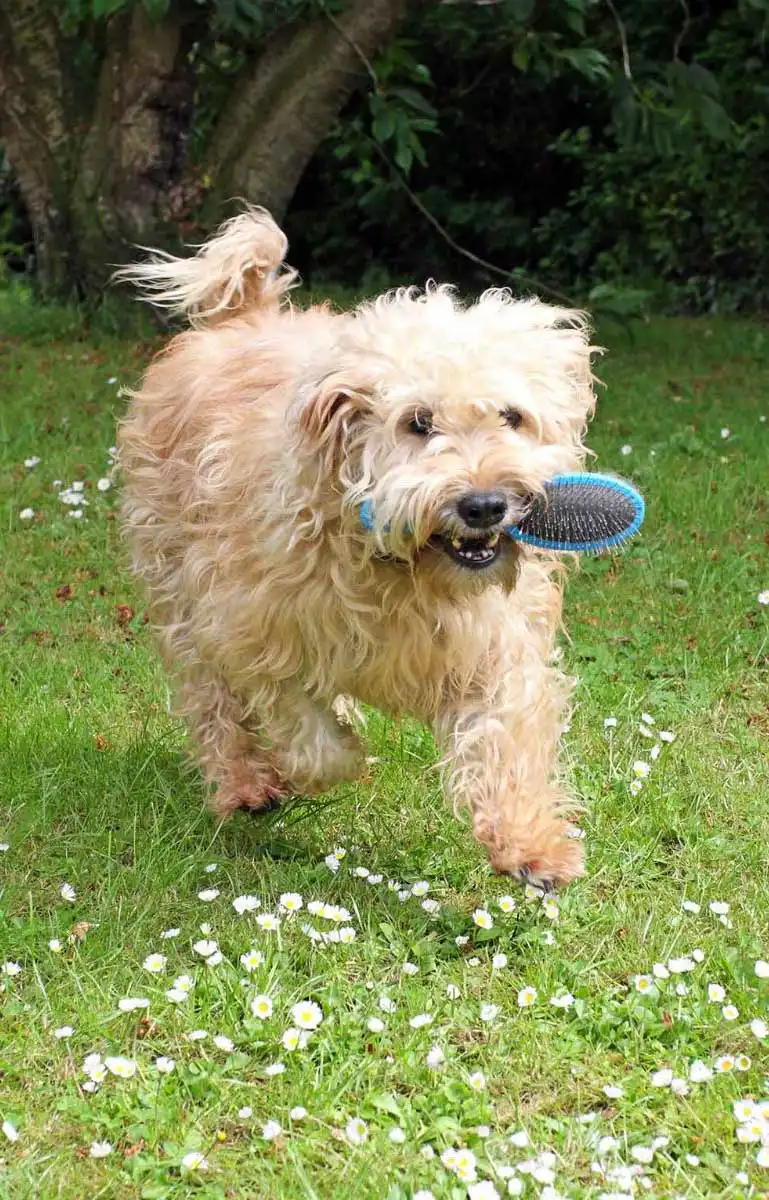
To maintain the Sweatendoodle's coat in a vibrant and shiny condition, daily brushing is crucial. Since both parent breeds of the Whoodle require extensive grooming, it follows that the Wheatendoodle also needs considerable attention to hygiene, health, and coat upkeep. Caring for a Whoodle can be a significant commitment, which is why this hybrid breed may not be the best choice for first-time dog owners. However, those with more experience will likely find the grooming manageable and may already have essential tools like pin brushes, scissors, clippers, and combs to keep the coat in top shape. Regular nail trimming is also vital; if you're unsure about doing it yourself, it's best to consult a professional for help.
Behavior & Temperament
Whoodles are lively and can be quite a handful, given their spirited and sometimes unpredictable behavior. For owners, it’s vital to assert themselves as the household leaders; failing to do so may lead the Whoodle to become detached or attempt to assume a dominant role within the family. Despite their strong personalities, these dogs do not respond favorably to harsh training techniques and may resist if subjected to yelling or excessive scolding. Patience is essential in raising a Wheatendoodle, and finding the right balance between enforcing rules and providing positive reinforcement is key. With proper early socialization, Whoodles can interact well with older children, though adult supervision is recommended due to their aversion to rough play. In the end, Whoodles make delightful companions, but they need considerable guidance to grow into well-adjusted family pets.


Play & Exercise
Whoodles come in various sizes, each with unique exercise needs. Generally, smaller Wheatendoodles require less physical activity than their larger relatives, but it is recommended that all Whoodles engage in at least 60 minutes of exercise daily. Regardless of their size, these dogs are quite energetic, and aiming for a weekly walking distance of 8 miles can significantly contribute to their overall well-being and happiness. Although Whoodles tend to tolerate cold weather better than hot conditions, it’s crucial to plan walks carefully to avoid overheating or fatigue. For individuals who are not used to regular physical activity, keeping pace with a Wheatendoodle can be challenging, as they may tire out long before the dog is ready to call it a day. Nevertheless, this breed has the potential to motivate their owners to lead a more active lifestyle.
Things to Know
Cups Per Day
2.5 Cups
Daily Activity
60 Minutes
Average Lifespan
12 Years
Origin
Mid 1900's
Type
Crossbreeds
Size
Medium
Origin Country
United States
Brush Frequency
Daily
Coat Texture
Wavy
Register
Your kids have been begging for a pet forever, and you've recently decided that it's time for your family to get a new addition -- a dog! While everyone is excited for the new arrival, you're wondering if you need to have a dog license. How much does it cost? Is it required? Where do you get one?
Member Clubs

PETINNATE
Other
Height & Weight
Weight
33 lbs (15 kg)Male: 33 lbs (15 kg) , Female: 33 lbs (15 kg)
Height
16 inches (41 sm)Male: 16 inches (41 sm) , Female: 16 inches (41 sm)
6 Months
21 lbs ( m 21 lbs, f 21 lbs )
10 inches ( m 10 inches, f 10 inches )
12 Months
27 lbs ( m 27 lbs, f 27 lbs )
14 inches ( m 14 inches, f 14 inches )
18 Months
31 lbs ( m 31 lbs, f 31 lbs )
15 inches ( m 15 inches, f 15 inches )
Eye Colors
Brown

Amber
Nose Colors
Black
Brown
Coat Colors
Cream
Silver

Brown
Red
Black