Poodle
Pudle, Barbone, Caniche
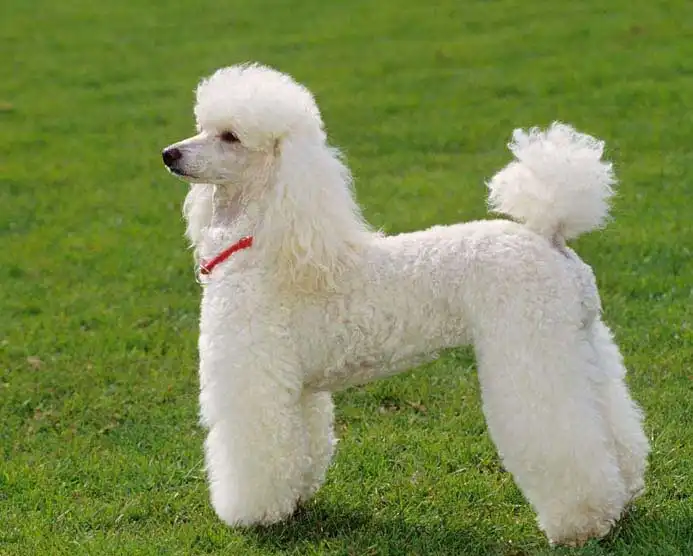
Poodles, one of the most ancient dog breeds, are celebrated for their remarkable intelligence and ease of training, which makes them a popular choice among dog enthusiasts. They generally interact well with children and other pets, especially if they are socialized early on. Currently, Poodles are available in several sizes, including Toy, Miniature, and Standard. Each Poodle boasts a dense, curly coat that can range in texture from coarse to wiry and comes in nearly every color imaginable. Although they have charming personalities, they do require significant grooming and are susceptible to various serious health concerns. However, their loving and loyal disposition makes the extra care and attention well worth it!
Breed Origin
When it comes to dog breeds, the Poodle is a prominent name that captures attention. This breed is one of the oldest known, with its origins traced back to Germany, although it has since developed into the recognizable form we see today in France. The evolution of the Poodle involved a combination of various European water dogs, including breeds from Russia, Spain, Portugal, Germany, Hungary, and France. The North African Barbet is also regarded as one of its ancestors. Another hypothesis posits that Poodles may have descended from Asian herding dogs, which evolved into the German Water dog as they accompanied the Ostrogoth and German Goth tribes. Additionally, there is speculation that the breed has connections to the Asian steppes, where dogs traveled with the Moors to Portugal following their conquest of the North African Berbers in the 8th century. Artifacts from Roman times and Egyptian tombs, dating back to the first century B.C., have revealed evidence of similar dogs. Although the exact timeline is unclear, it is thought that the smaller varieties of Poodles, such as Toy and Miniature Poodles, were developed in the 1400s to appeal to the tastes of the Parisian bourgeoisie. Importantly, these smaller Poodles were not created through crossbreeding with other small breeds; instead, they were selectively bred from smaller Poodles. In French culture, Standard Poodles were used for duck hunting, while Miniature Poodles were employed for truffle hunting, and Toy Poodles became popular companions among wealthy merchants and nobility. Gypsies significantly contributed to the training of Poodles as circus performers, often styling their coats in unique shapes and colors to highlight their remarkable tricks. The first Poodles were officially registered by the Kennel Club of England and the American Kennel Club in 1874 and 1888, respectively. The Poodle Club of America was founded in 1896, though it was disbanded and later reestablished in 1931.
Breed Appearance
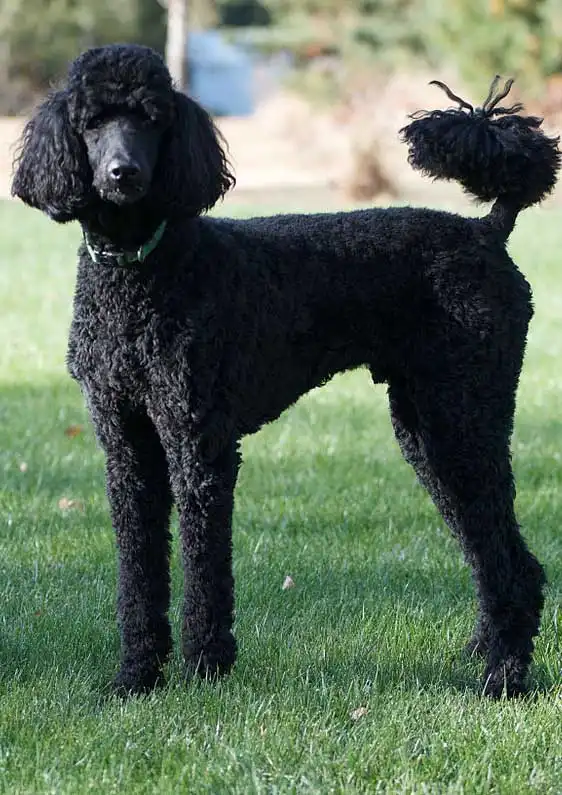
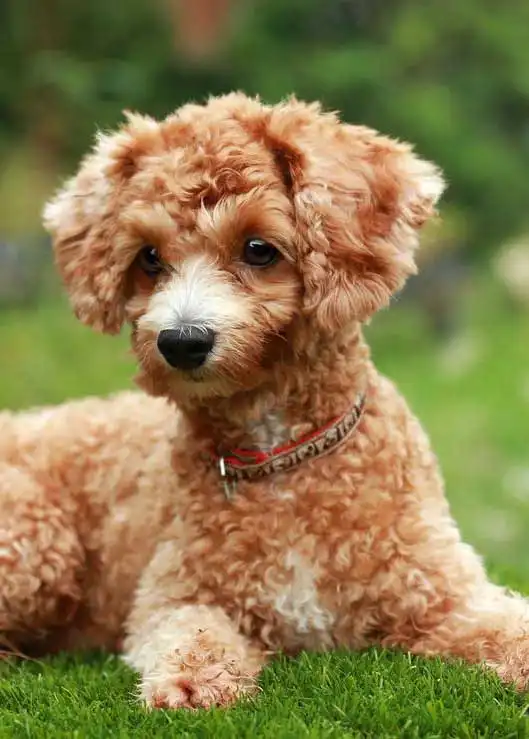
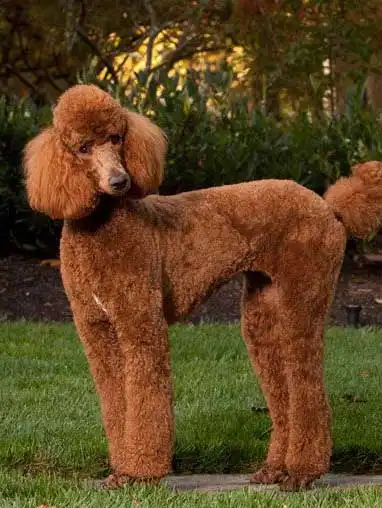
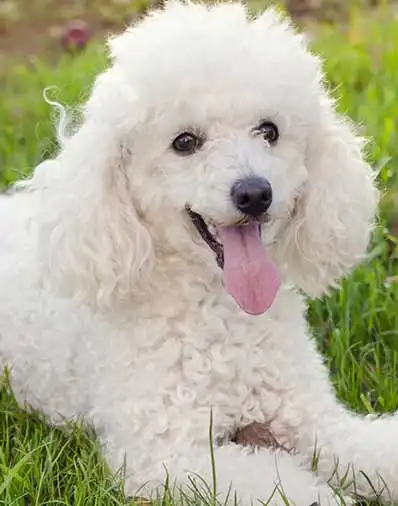
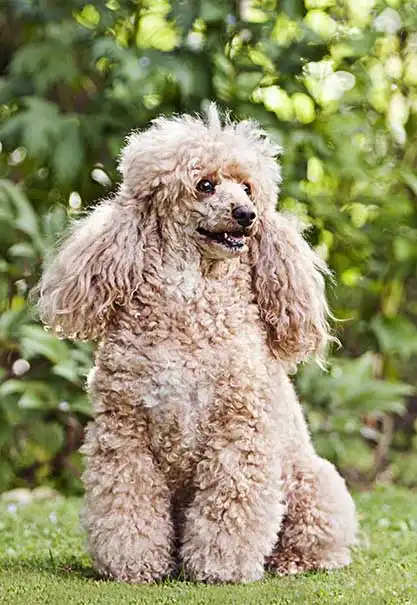
Poodles are distinguished by their dense, curly, and wiry coats, which can be fashioned into a multitude of whimsical shapes and styles. Renowned for their grace, these dogs possess a well-proportioned, square build. They have elongated snouts and rounded skulls with a gentle stop. Their ears hang close to their heads and are spaced widely apart. Depending on their coat color, Poodles can have dark or dark amber eyes, typically shaped like ovals. These dignified dogs feature straight backs and long, elegant necks. Their legs are lengthy, and their tails are generally docked to about half of their original length. Poodles are available in an extensive array of colors, such as black, white, brown, blue, cream, apricot, gray, café-au-lait, and silver. Additionally, there are parti-colored Poodles, which showcase two-tone coats. The rims around their eyes and their noses may be either black or liver, influenced by the color of their fur.
Care Routine
Poodles are highly adaptable and can thrive in a variety of living situations, from cozy apartments to expansive ranches, as long as they receive sufficient exercise and affection. Training these intelligent dogs demands careful consideration, as they can easily adopt both good and bad behaviors, often holding onto these habits for a long time. Typically, a daily food intake of 1.5 to 3 cups, divided into two meals, is appropriate for them. Although they do not shed, they require extensive grooming. Professional grooming every three to six weeks is usually necessary, even for minor trims, unless you possess the time and expertise to handle it yourself. Key grooming tools include high-quality scissors, electric clippers, blades, a comb, a brush, and nail clippers. In addition to scheduled grooming appointments, daily brushing is crucial. Regular baths and coat trims are also part of their grooming routine. Poodles are susceptible to tear stains, so it’s important to gently clean their face and eyes each day with a damp washcloth or an alcohol-free pet wipe. Weekly ear care should involve wiping with a damp cotton ball, and dental hygiene is best maintained by brushing their teeth once or twice a week, ideally every day. Nail trimming should be done once or twice a month, unless they naturally wear down on their own.
Behavior & Temperament
Poodles are celebrated for their intelligence and loyalty, yet they also possess a lively and playful side. While they maintain an air of dignity, their fun-loving nature is evident, and they have a strong inclination to please their owners. This blend of characteristics, coupled with their keen intellect, makes them relatively straightforward to train. With appropriate training and ample exercise, Poodles can be calm and cooperative companions. They are also vigilant protectors of their homes and families, acting as effective watchdogs that will alert their owners to unfamiliar visitors. Although they may initially be reserved around strangers, they are usually very affectionate with their family members. Their cleverness can be both advantageous and challenging, as they can easily learn both good and bad behaviors. Poodles generally interact well with children, but the Toy Poodle, being the smallest breed, is particularly delicate and requires gentle handling by kids. They typically get along well with other pets, especially if they have been raised together. However, a Poodle that is used to being the only pet may need some time to adjust to sharing its environment.
Play & Exercise
Things to Know
Cups Per Day
2.5 Cups
Daily Activity
45 Minutes
Average Lifespan
14 Years
Origin
Ancient Times
Type
Pure Breeds
Size
Medium
Origin Country
Germany
Brush Frequency
Daily
Coat Texture
Curly
Register
Your kids have been begging for a pet forever, and you've recently decided that it's time for your family to get a new addition -- a dog! While everyone is excited for the new arrival, you're wondering if you need to have a dog license. How much does it cost? Is it required? Where do you get one?
Member Clubs

PETINNATE
Companion Dog

UKC
Companion Dog
Height & Weight
Weight
55 lbs (25 kg)Male: 55 lbs (25 kg) , Female: 55 lbs (25 kg)
Height
18 inches (46 sm)Male: 18 inches (46 sm) , Female: 18 inches (46 sm)
6 Months
21 lbs ( m 21 lbs, f 21 lbs )
7 inches ( m 7 inches, f 7 inches )
12 Months
28 lbs ( m 28 lbs, f 28 lbs )
11 inches ( m 11 inches, f 11 inches )
18 Months
50 lbs ( m 50 lbs, f 50 lbs )
17 inches ( m 17 inches, f 17 inches )
Eye Colors
Brown

Amber
Nose Colors
Black
Brown
Coat Colors
Sable
White
Silver
Blue
Fawn
Cream
Red
Brown
Gray
Black
Characteristics
Mixes
Airedoodle
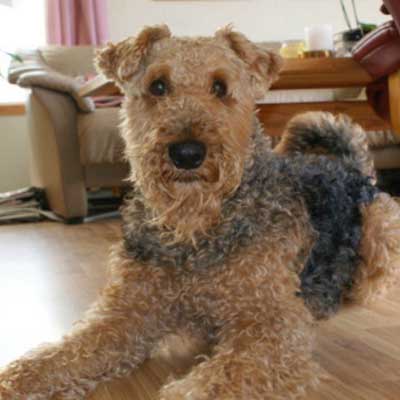
The Airedoodle is a mixed breed that emerges from the combination of an Airedale Terrier and a Poodle. Typically, these dogs are on the larger side, weighing between 40 and 60 pounds. Airedoodles are characterized by their energetic disposition, which requires them to engage in regular physical activity to maintain their overall health and happiness. Their coats can differ in texture, ranging from coarse to soft, and are of medium length. Known for their intelligence and friendly nature, Airedoodles generally get along well with other dogs and pets in the home. They possess a gentle temperament and are eager to please their owners, showcasing loyalty and a playful attitude during family interactions. To help this breed flourish, early training and socialization with children and other animals are crucial.
Read more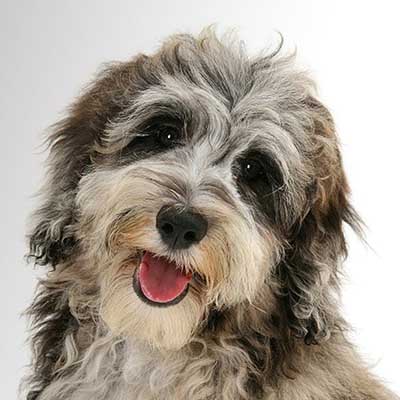
Beardoodle
The Beardoodle is a medium-sized dog breed that emerges from the combination of a Bearded Collie and a Poodle. Adult Beardoodles typically weigh around 50 pounds and stand approximately 21 inches tall. Their coats are long and thick, often appearing in various shades such as black, brown, or blue. Renowned for their friendly disposition, Beardoodles are wonderful family companions and usually get along well with both children and other pets. To foster positive interactions with other animals and visitors, early socialization is crucial. These dogs are known for their intelligence, bravery, and ease of training, making them relatively straightforward to teach. However, they do need plenty of exercise to keep them engaged and prevent boredom.
Read more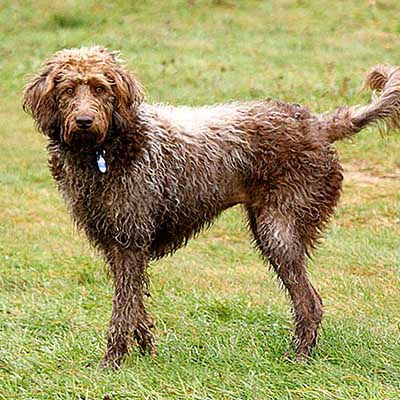
Beauceroodle
The Beauceroodle is a hybrid breed that emerges from the union of a Beauceron and a Poodle, both of which are large dog breeds. Typically, these dogs stand about 27 inches tall and weigh around 70 pounds. Renowned for their intelligence and loyalty, Beauceroodles can become challenging or even aggressive if they do not receive adequate training. Their strong herding instincts may lead them to try to herd small children and other pets when left unattended. They possess thick coats that can vary in length from medium to long and come in a wide array of colors and patterns. To maintain their health and prevent obesity, regular physical activity is crucial.
Read more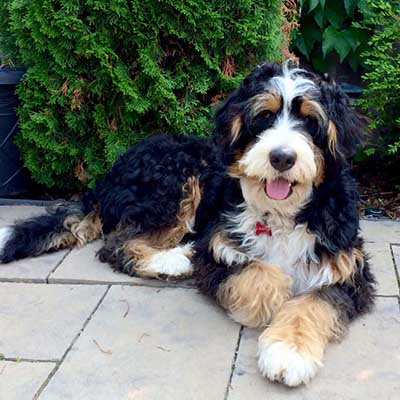
Bernedoodle
The Bernedoodle is a mixed breed resulting from the crossbreeding of Bernese Mountain Dogs and Poodles. The Bernese Mountain Dog originates from Switzerland, while the Poodle has its beginnings in Germany and France. Bernedoodles come in three different sizes, determined by whether the Poodle parent is a toy, miniature, or standard type. The height of Toy Bernedoodles ranges from 12 to 17 inches, Mini Bernedoodles from 18 to 22 inches, and Standard Bernedoodles from 23 to 29 inches, with weights varying from 10 to 90 pounds depending on their size. Although the toy and mini versions may display higher energy levels and a bit of stubbornness, Bernedoodles are generally recognized for their playful and loving demeanor. They thrive on interaction with children and cherish quality time with their families. Due to their strong need for companionship, they struggle when left alone for long periods. Furthermore, they can be wary of strangers, making early socialization essential. Their coats can be long and wavy, curly, or straight; typically, the wavy and curly varieties shed very little, while the straight coats tend to shed more.
Read more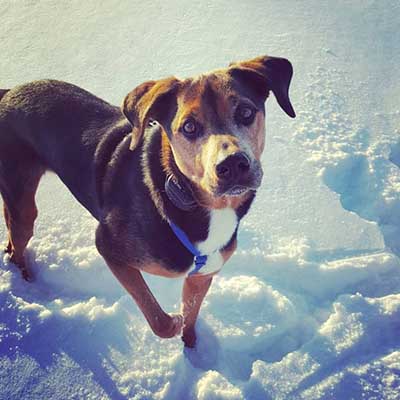
Black and Tan Coonoodle
The Black and Tan Coonhound is inherently a passionate hunter. With ancestry linked to Bloodhounds and various other hunting breeds, he possesses an instinctive ability to track and tree his prey, often barking to alert his hunting partner to the quarry's location. Characterized by a predominantly black coat adorned with tan markings on his face, this energetic dog is ill-suited for city life. He should always be leashed outdoors, as he has a propensity to stray. This breed demands significant exercise and can easily gain weight if not sufficiently active. Known for his strong-willed disposition, he may also display a degree of stubbornness. On the other hand, the Poodle is somewhat smaller than the Black and Tan Coonhound. Although he has a level of independence, he can quickly take on a dominant role if overly indulged. This breed is remarkably intelligent and playful, but if left without stimulation, he may engage in destructive behaviors.
Read more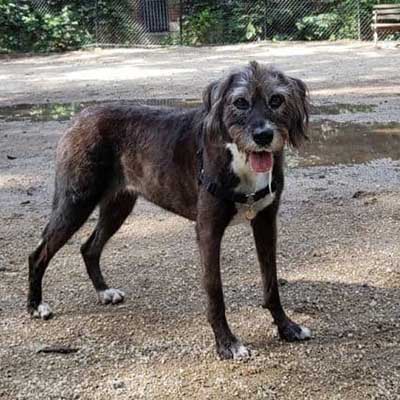
Boxerdoodle
The Boxerdoodle is a cherished hybrid breed celebrated for its intelligence, friendly demeanor, and family-friendly qualities. The size of a Boxerdoodle can vary widely, depending on whether its Poodle parent is a toy, miniature, or standard type, resulting in dogs that range from small to large. Generally, these amiable canines stand between 10 and 25 inches tall and weigh between 12 and 70 pounds. Their coats are dense and can feature either curly or wavy textures, primarily in dark brown, but they can also come in white, tan, and black hues. While Boxerdoodles can comfortably adapt to both indoor and outdoor settings, they tend to flourish in indoor environments, especially the miniature and toy versions.
Read more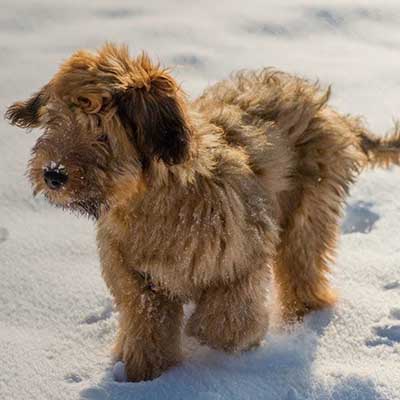
Bridoodle
The Bridoodle is a hybrid breed that results from the combination of the Briard and the Standard Poodle. Poodles are often favored in the creation of designer breeds due to their friendly demeanor and hypoallergenic qualities. Although the Bridoodle is becoming increasingly popular, there remains a scarcity of information regarding this mix. To better understand the potential traits and health concerns associated with this breed, future owners should look into the characteristics of both parent breeds. The Poodle's intelligence and lively personality blend well with the Briard's loving and gentle disposition, creating a hybrid with considerable promise. Both breeds have a background in hunting and thrive in active, outdoor settings, making them ideal for rural living. However, their delightful and well-behaved natures also allow them to adapt comfortably to city life.
Read more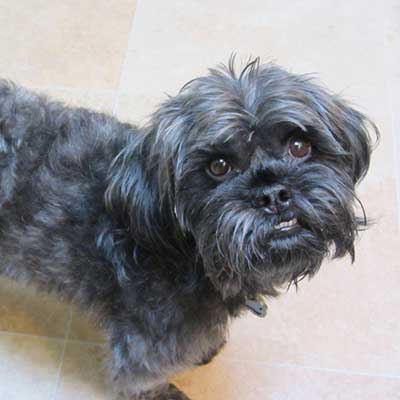
Broodle Griffon
The Broodle Griffon is a small hybrid breed resulting from the crossbreeding of a Brussels Griffon and a Poodle. This mix yields a dog that generally enjoys better health and temperament than its parent breeds. Renowned for their cheerful and loving disposition, Broodle Griffons are intelligent and loyal companions. They thrive on human companionship and adore curling up in your lap to receive affection. However, their strong bond with family members can lead to anxiety if they are left alone for long periods. This breed may also display a certain level of sensitivity, a characteristic passed down from the Brussels Griffon. Despite their petite stature, these dogs have a lively personality and require clear leadership from their owners; without it, they can become difficult to handle. Effective training involves offering consistent, gentle direction and plenty of praise for positive behavior, which will help foster their desire to please.
Read more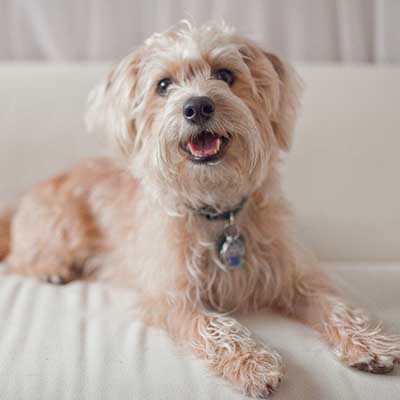
Cairnoodle
The Cairnoodle is an enchanting mix of the Cairn Terrier and the Miniature Poodle, both of which are compact breeds. The Poodle is frequently selected for crossbreeding because of its amiable disposition, sharp intellect, and hypoallergenic coat. On the other hand, the Cairn Terrier is celebrated for its burrowing abilities and effectiveness in controlling pests. Originally a German working dog with a passion for water, the Poodle has evolved into a cherished companion. This combination of breeds produces a Cairnoodle that not only inherits the intelligence of its parents but is also recognized for being a loving and joyful addition to any household.
Read more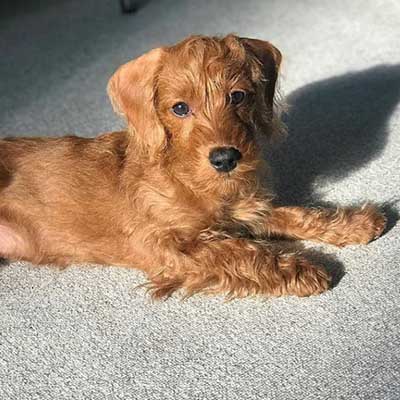
Doxiepoo
The Doxiepoo is an enchanting mix of the Dachshund and the Miniature Poodle, both of which fall into the small to medium-sized category. The Miniature Poodle is often chosen for crossbreeding because of its amiable disposition, sharp intellect, and hypoallergenic fur. On the other hand, the Dachshund is cherished for its companionship qualities. While both breeds are intelligent, they can show a touch of stubbornness, especially the Dachshund. Although Doxiepoos generally have a consistent temperament, their looks and size may vary depending on the characteristics they inherit from their parent breeds.
Read more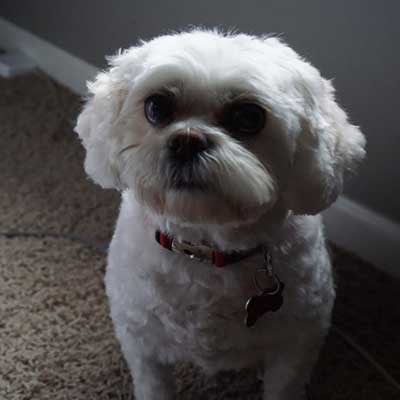
Eng-A-Poo
The Eng-A-Poo is a charming hybrid breed that emerges from the combination of an English Toy Spaniel and a Poodle. Typically weighing under 14 pounds, this small dog is celebrated for its affectionate demeanor, intelligence, playfulness, and loyalty. Although the Eng-A-Poo may be somewhat shy around new people at first, it quickly becomes a loving companion. This breed tends to get along well with other dogs and, with appropriate socialization, can live peacefully with other pets and children who treat it with kindness. Many owners describe the Eng-A-Poo as a joyful addition to any household, especially those with an active lifestyle.
Read more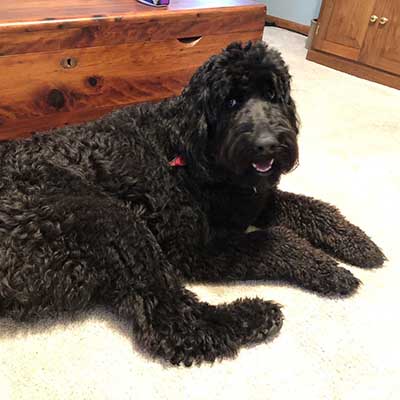
Flandoodle
The Flandoodle is a large designer dog breed that emerges from the combination of the Bouvier des Flandres and the Standard Poodle. These dogs are well-regarded as family pets, but they also excel as watchdogs thanks to their loyal, protective, and alert disposition. Typically, Flandoodles weigh about 70 pounds and stand around 25 inches tall. Their coats are medium to long, thick, and curly, coming in a range of colors. Common hues include brown, black, white, gray, tan, red, and blue. While they usually interact well with other animals and children when socialized early, it’s wise to supervise them around young children, particularly those under five years old.
Read more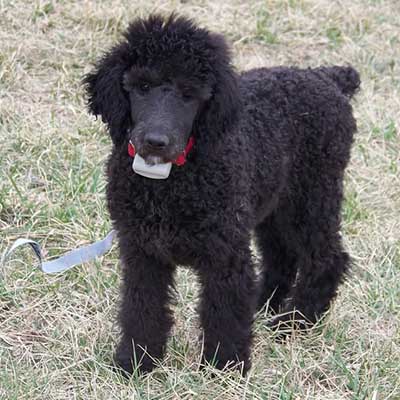
Foodle
The Foodle is a small hybrid dog breed created by crossing a Toy Poodle with a Toy Fox Terrier. Typically, these dogs reach a height of about 10 inches and weigh around 11 pounds. Their coat is short and dense, featuring either wavy or curly patterns, and they come in a variety of colors, with black, brown, white, and gray being the most common. Renowned for their keen awareness and attentiveness, Foodles thrive on love and enjoy snuggling. They are highly trainable, quickly mastering tricks and commands. Due to their petite size, Foodles are ideal companions for apartment dwellers and generally get along well with other pets and children, as long as they receive proper socialization.
Read more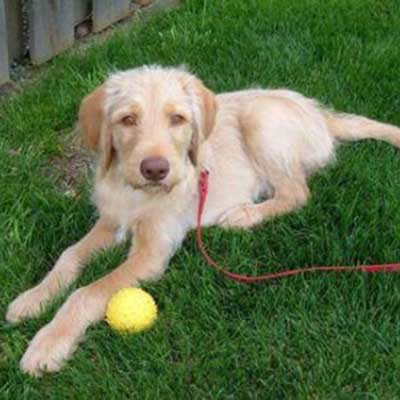
Foxhoodle
This designer breed is a medium-sized hybrid created by crossing a Foxhound with a Standard Poodle. The size of these dogs can vary considerably based on whether an American or English Foxhound is part of the mix, with the English variety typically being a bit larger. Renowned for their friendly disposition, these dogs flourish in social settings, making them excellent family pets that get along well with other animals. They are both intelligent and loving, always eager to learn and please their owners. Furthermore, they can act as reliable watchdogs, barking to notify you of any unfamiliar visitors. The Foxhoodle also has a natural instinct for hunting, making them ideal companions for outdoor activities.
Read more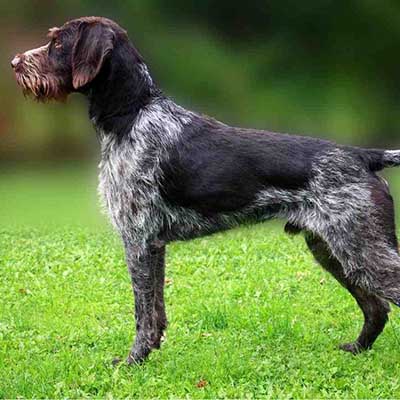
German Shorthaired Pointerpoodle
The German Shorthaired Pointerpoodle is a charming mix of the lively German Shorthaired Pointer and the clever Poodle. This hybrid not only excels as a spirited hunter but also serves as a fun-loving companion, making it a perfect option for individuals looking for an active pet. With a strong affinity for mental stimulation, this breed is an excellent choice for those interested in dog agility and competitive activities. Renowned for his friendly nature, he tends to get along well with children and other animals. Many owners of the German Shorthaired Pointerpoodle express that he brings immense joy to their lives, often inspiring a healthier, more active lifestyle.
Read more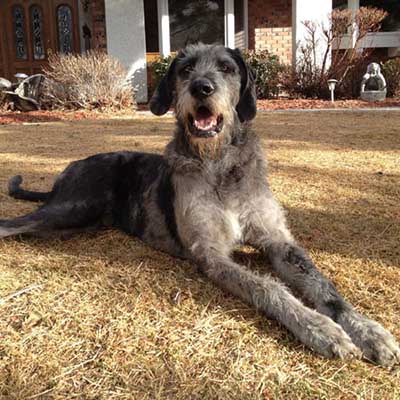
Great Danoodle
Great Danoodles are loving, devoted, and calm companions, making them ideal for families. They require moderate physical activity and appreciate the presence of both people and other animals. This hybrid breed generally lives for up to 13 years, weighs between 75 and 100 pounds, and reaches a height of 22 to 27 inches. Their coats are dense and wavy, available in a variety of lengths and colors. Great Danoodles can be found in solid hues or a combination of shades, such as black, white, blue, fawn, apricot, cream, gray, red, silver, and beige, and may also display harlequin and brindle patterns with distinctive black masks or markings. Although not widely recognized, the Great Danoodle is a prominent large hybrid breed, yet it has not yet received official acknowledgment from the American Kennel Club (AKC).
Read more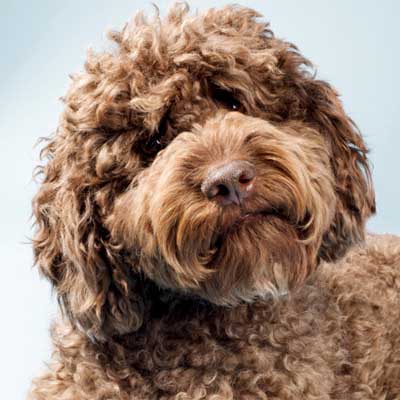
Labradoodle
The Labradoodle is a hybrid breed created by crossing a Labrador Retriever with a Poodle. This designer dog has become increasingly popular, prompting focused breeding initiatives for this specific mix. Labradoodles are known for their loving and playful demeanor, making them excellent companions for older children. However, their energetic nature might not be ideal for families with younger kids. One of their attractive features is their low shedding, which makes them hypoallergenic. They generally interact well with other dogs, but it’s crucial for them to have a safe, enclosed yard to burn off their excess energy.
Read more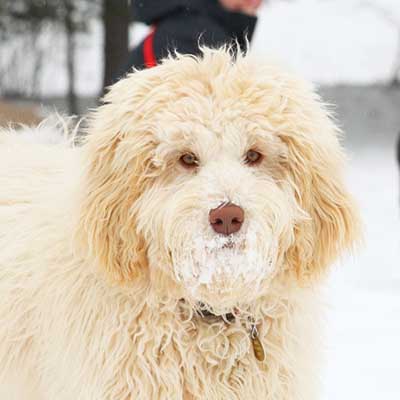
Mastidoodle
The Mastidoodle is a large hybrid breed created by crossing a Mastiff with a Standard Poodle. These dogs usually stand as tall as 30 inches and are characterized by their sturdy build and dense, wavy coats. Their fur can easily become matted if not groomed regularly, which means they need a good deal of upkeep. Often dubbed the "teddy bear" of dogs, Mastidoodles are known for their gentle and calm demeanor, making them wonderful companions for families of all shapes and sizes.
Read more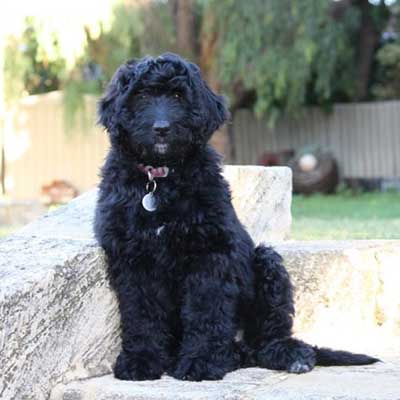
Newfypoo
The Newfypoo, a beloved hybrid breed, combines the adaptable Poodle, which was originally developed in Germany for retrieving tasks, with the loving Newfoundland, commonly known as the “Newfie.” While this crossbreed is officially designated as the Newfypoo, it is also referred to by several other names, including Poofoundland, Newfydoodle, and Newdle. These dogs are renowned for their intelligence and friendly nature. However, because of their size and high energy, Newfypoos generally flourish in larger living spaces rather than in compact environments like apartments, making them better suited for homes with plenty of yard space for them to play and explore.
Read more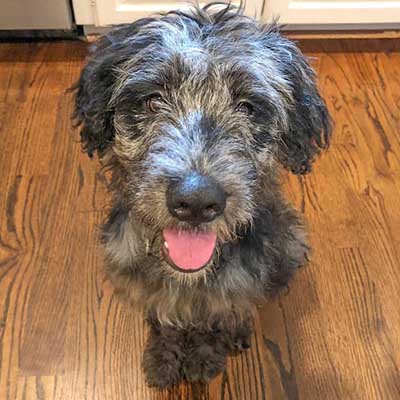
Pooahoula
The Pooahoula is a hybrid breed that results from crossing a Poodle with a Catahoula Cur, also known as the Louisiana Catahoula Cur. While the Standard Poodle is commonly used for this mix, Miniature Poodles can also be included to create a smaller version. This breed is known for its striking looks, often resembling the Catahoula Cur with its vibrant, multi-colored coat and captivating ice blue eyes. Although Pooahoulas can be prone to overeating and weight gain, they are generally very active and tend to expend energy quickly. Consequently, it is crucial for owners to keep an eye on their Pooahoula's diet and to refrain from exercising them right after meals to minimize the risk of bloat.
Read more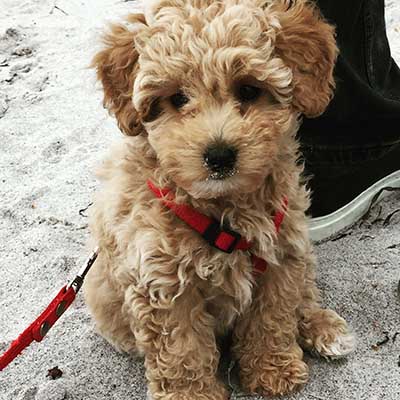
Poo-Ton
The Poo-Ton is an enchanting mix, born from the combination of a purebred Coton de Tulear and a purebred toy or miniature Poodle. Commonly referred to as a Doodle-Ton, Cotondoodle, or Cotonpoo, these small dogs are full of vitality and make excellent family pets. They are celebrated for their loving disposition and thrive on the affection of their owners. Friendly with children and other animals alike, they also act as surprisingly effective watchdogs despite their small stature. Their coats come in a range of colors, such as apricot, lemon, white, black, grey, brown, and sable, and typically vary from medium to long, featuring either wavy or curly textures. Moreover, these delightful dogs are often deemed hypoallergenic, making them a great option for allergy sufferers. Although they shed minimally, regular grooming is necessary to prevent tangles, along with occasional trims to maintain their coat's health.
Read more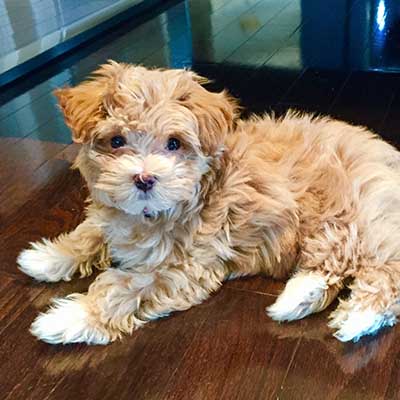
Poovanese
The Poovanese is a charming hybrid that combines the traits of the Havanese and the Poodle. Generally classified as a small to medium-sized breed, the Poovanese excels in activities such as obedience and agility competitions. In terms of looks, it bears a close resemblance to the Havanese, particularly in size and structure, while showcasing the Poodle's signature curly fur. This breed is perfect for those in search of a loyal companion, as the Poovanese is celebrated for its affectionate demeanor and cheerful personality. They are friendly and get along exceptionally well with everyone, including young children and other animals. Additionally, thanks to its Poodle lineage, the Poovanese is hypoallergenic, making it a suitable option for individuals with allergies. However, prospective owners should consider a few potential challenges. The Poovanese may experience separation anxiety if left alone for long periods, due to its strong attachment to its owner. Moreover, without adequate socialization during their early development, they can become somewhat sensitive. Nonetheless, with consistent training and plenty of affection, these minor concerns can be effectively addressed, especially when balanced against the breed's numerous positive attributes. The Poovanese is typically quiet and adapts well to a variety of living environments, thriving in both warm and cold climates.
Read more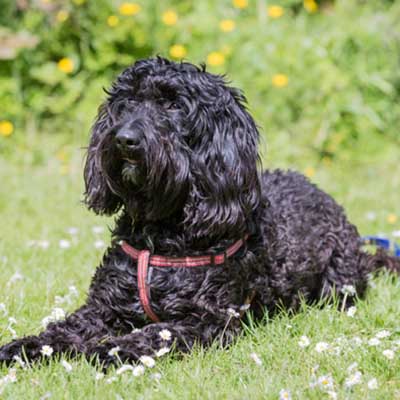
Rottle
The Rottle is a hybrid breed created by crossing a Poodle with a Rottweiler. The size of a Rottle can vary from medium to large, depending on whether the Poodle parent is a standard or miniature type. These dogs are celebrated for their friendly personalities, making them not only wonderful family pets but also dependable guardians. With their gentle and loving disposition, Rottles exhibit courage and loyalty, ensuring they are trustworthy protectors of your home and family. Their desire to learn and please makes training a straightforward process. Moreover, due to their Poodle lineage, Rottles typically have low shedding, making them a viable choice for individuals with allergies.
Read more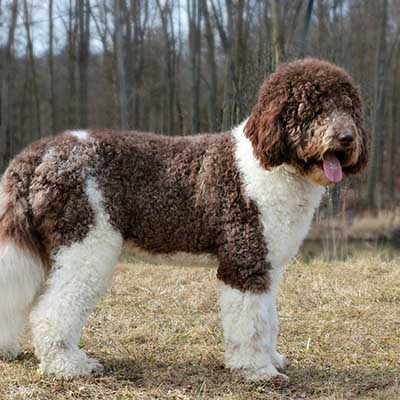
Saint Berdoodle
The Saint Berdoodle is a large hybrid breed created by crossing a Saint Bernard with a Poodle, typically inheriting traits from both parent breeds. This mix usually resembles the Saint Bernard in size while featuring a coat akin to that of a Poodle. Most Saint Berdoodles are primarily white with red markings, though some may display a red coat with white accents. Renowned for their loving disposition, these dogs thrive on human interaction and enjoy being the center of attention. They prefer to remain close to their families and should not be left alone for long periods. Furthermore, Saint Berdoodles generally get along well with children of all ages, but due to their size, it is advisable to supervise their interactions.
Read more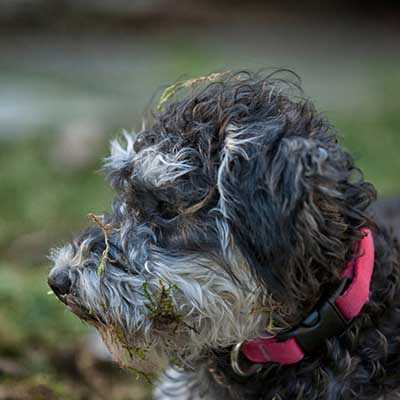
Schipper-Poo
The Schipper-Poo is an endearing small breed resulting from the cross between a Poodle and a Schipperke. This hybrid is celebrated for its loving and playful demeanor, full of vitality but lacking any aggressive tendencies. Typically, a Schipper-Poo boasts a striking black coat with short, soft fur that can vary from smooth to slightly wavy, complemented by its characteristic pointy ears. These dogs thrive on human interaction and affection, and their intelligence generally makes them easy to train. However, due to the Schipperke's often strong-willed nature, the Schipper-Poo may inherit some of this stubbornness, which can lead to potential training difficulties.
Read more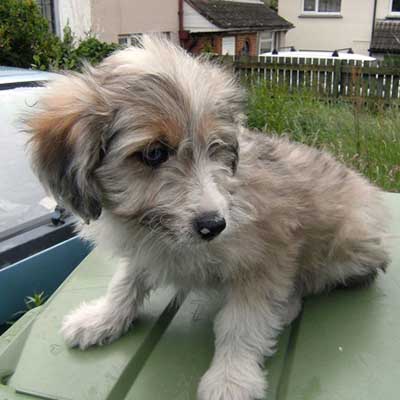
Sheltidoodle
The Sheltidoodle, commonly known as the Sheltipoo, has gained popularity as a designer breed in recent decades. This intentional hybrid results from crossing the Shetland Sheepdog, a sturdy herding dog from the Shetland Islands near Scotland, with the versatile Poodle, which was originally developed for duck hunting in Germany. Sheltidoodles are celebrated for their intelligence and sensitivity, showing a loving and attentive demeanor towards their families while being polite and reserved around strangers. Their inherent protective instincts enable them to serve as effective watchdogs, and they typically interact well with gentle, well-behaved children. However, some may display hyper-reactive behaviors, making them potentially less suitable for noisy or chaotic environments.
Read more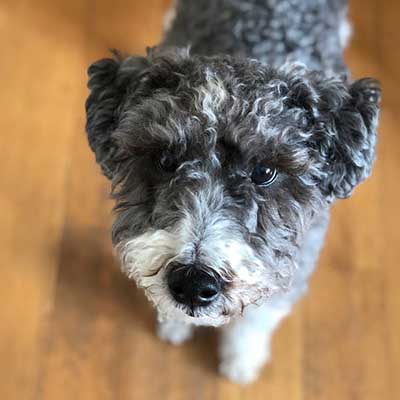
Smooth Foodle
The Smooth Foodle is a charming hybrid that merges the Poodle with the Smooth Fox Terrier. Historically, both parent breeds were developed for hunting a range of waterfowl, small vermin, and foxes, with their size and coat characteristics ideally suited for these activities in their countries of origin—France, Germany, and the United Kingdom. While they are no longer utilized for hunting and tracking, they have transitioned into being devoted companions and beloved family pets. These affectionate dogs are always ready to curl up and cozy up in your lap at the earliest opportunity.
Read more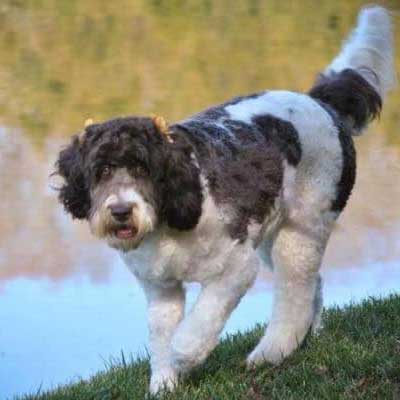
Springerdoodle
The Springerdoodle is a popular designer dog breed created by crossing an English Springer Spaniel with a Poodle. This breed is often referred to by various names, including Sproodle, Springerdoodle Retriever, Springerpoo, and Springerpoo Retriever. Known for their intelligence, high energy, and playful demeanor, these medium-sized dogs make wonderful family pets. They typically get along well with children and other animals, thriving in households with multiple dogs. Springerdoodles have thick, double-layered coats that can vary in length from medium to long, with common colors such as black, brown, white, cream, and various combinations of these hues. Generally, they are quiet and not prone to excessive barking, and they have a fondness for swimming. Furthermore, they shine in obedience and agility training.
Read more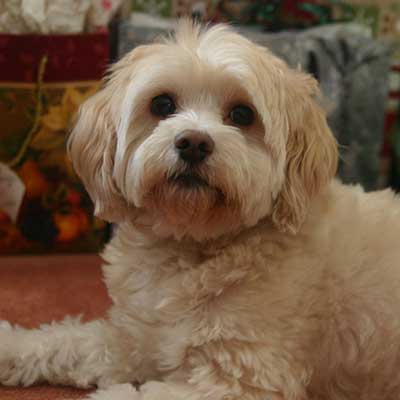
Terri-Poo
The Terri-Poo is an endearing hybrid breed created by crossing an Australian Terrier with a Poodle. Since Poodles come in three different sizes—toy, miniature, and standard—the size of a Terri-Poo can vary widely. Typically, these dogs weigh up to 20 pounds and reach a height of about 15 inches. To foster good behavior and social skills, early socialization and effective training are vital for a Terri-Poo, helping them to get along well with other pets and children. Although they may be cautious around strangers, their keen awareness makes them excellent watchdogs. This breed can be a wonderful addition to families, but it’s important to supervise their interactions with young children.
Read more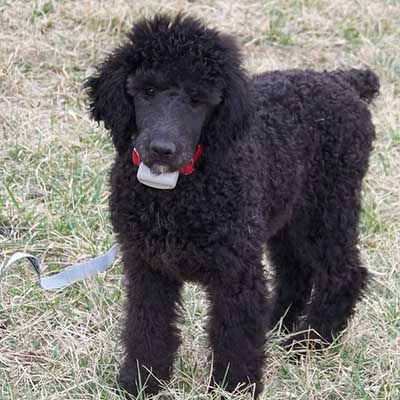
Toy Foodle
The Toy Foodle, commonly known as the Foxipoo, is an endearing designer breed that results from the cross between a Toy Fox Terrier and a Poodle. This breed not only captivates with its appearance but also possesses a delightful temperament, making it well-suited for various living situations—especially since it is regarded as hypoallergenic. Both parent breeds are celebrated for their friendly demeanor, and as a result, Foodles often inherit a mix of these characteristics, leading to a dog that is generally friendly towards other dogs, children, and even other pets, provided they receive appropriate training and socialization. Although they may show some wariness around strangers, this is typically expressed through a warning bark or by keeping their distance. Foodles are known for their affectionate and playful nature, thriving on quality time with their families. Their ability to learn quickly makes them an excellent option for first-time dog owners, and their small size allows them to adapt well to compact living spaces like apartments, as they require less exercise compared to larger breeds. However, without sufficient training or physical activity, they might become somewhat vocal, though their barks are usually less intrusive than those of bigger dogs. Despite their petite size, they do have notable exercise requirements, so individuals who are less active or lack access to appropriate exercise areas may find them less suitable. In summary, with their friendly nature, manageable size, and eagerness to learn, Toy Foodles can make wonderful companions for a diverse array of families.
Read more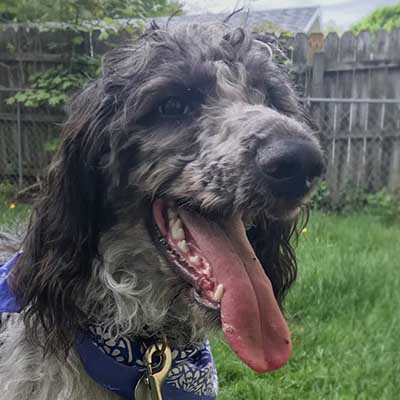
Treeing Walker Coonoodle
The Treeing Walker Coonoodle is a blend of two diligent breeds. Although the temperaments of its parent breeds vary greatly, the Coonoodle is celebrated for its loyalty, devotion, and trainability. The personality of this breed can differ widely, depending on which parental traits are more dominant. Nonetheless, one thing remains clear: the Coonoodle makes an excellent companion. This breed is highly energetic and needs plenty of chances for vigorous activity. As a result, it flourishes in settings that allow for ample outdoor time, rather than being kept indoors for extended durations.
Read more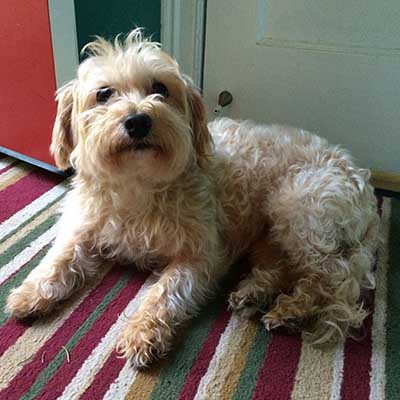
Westiepoo
The Westiepoo, commonly known as the Westiedoodle or Wee-Poo, is an energetic and clever mixed breed that results from crossing a Poodle with a West Highland White Terrier. Renowned for their inquisitive and friendly demeanor, these dogs make wonderful companions for families. Their high level of intelligence typically makes training a straightforward process. Furthermore, Westiepoos do not shed, which makes them a suitable choice for those with allergies. With a playful nature, they thrive particularly well in households with older children who can engage with them appropriately. Although they are quite energetic, Westiepoos can adjust to different living environments as long as they receive sufficient exercise and mental stimulation.
Read more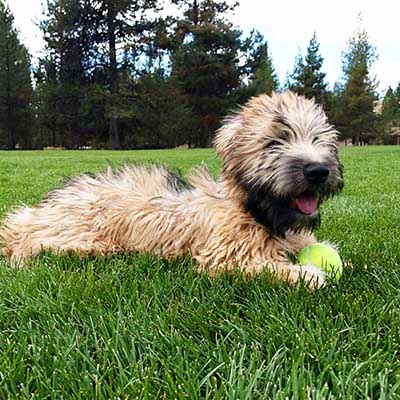
Whoodle
The Whoodle, also known as the Wheatendoodle, Sweatendoodle, or Sweatenpoo, is a sturdy hybrid breed that may pose challenges for inexperienced dog owners. Those without prior experience might struggle with the Whoodle's strong-willed disposition and pack-oriented behavior. This breed emerges from the crossbreeding of a Soft Coated Wheaten Terrier and a Poodle, resulting in a unique combination of traits inherited from both parent breeds. As a result, Whoodles often display a tendency to assert dominance within their households. However, for dedicated individuals with the right experience, nurturing a Whoodle can lead to a fulfilling bond with a loyal companion and beloved family member. Establishing a firm yet gentle leadership is crucial, as it allows these dogs to find their place within the family dynamic, ultimately leading to years of companionship with a playful and steadfast friend.
Read more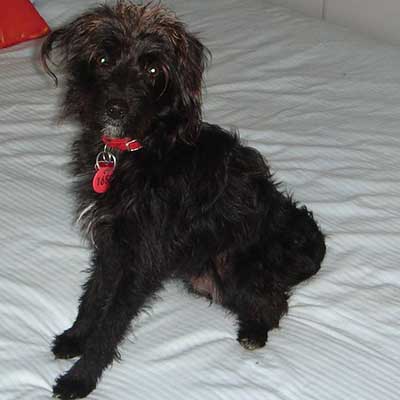
Wire Foodle
To breed a Wire Foodle, you must combine a Wire Fox Terrier with a Poodle. The Poodle can be of any type—Standard, Miniature, or Toy—which will affect the dog's final size. This hybrid is ideal for seniors, families with children, and homes with other pets, but it is vital to ensure early socialization. Additionally, consistent and effective training is important to establish a sense of leadership. Wire Foodles have dense, curly, and wiry coats, necessitating regular grooming and daily exercise to keep them healthy and to avoid behavioral problems. Generally, they are a sturdy breed, often living into their mid-teens, although it is important to keep an eye on potential congenital health issues.
Read more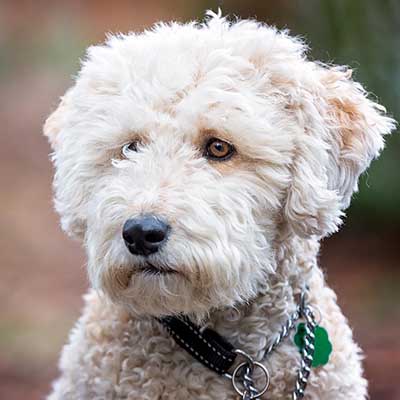
Woodle
The Woodle is a designer breed created by crossing a Welsh Terrier with a Poodle. Often referred to as the Welshpoo Terrier or Welshdoodle Terrier, this hybrid is celebrated for its affectionate and loving nature, as well as its calm temperament. With a playful spirit, the Woodle enjoys engaging with its owner on a daily basis. Although it is classified as a medium-sized dog, its gentle disposition makes it an excellent companion for seniors, a perfect pet for apartment living, and a great choice for homes with limited outdoor space. When fully grown, a Woodle typically reaches a height of 15 to 20 inches at the shoulder and weighs between 20 to 50 pounds.
Read more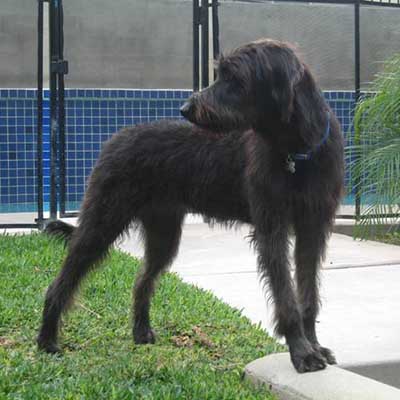
Doodleman Pinscher
The Doodleman Pinscher is a large hybrid breed created by crossing a Doberman Pinscher with a Standard Poodle. This breed is characterized by its thick, wavy coat, which comes in a variety of colors, including black and white, and typically ranges from short to medium in length. Weighing around 75 pounds on average and standing about 26 inches tall, they are generally easy to train. However, they may show signs of stubbornness if not managed with a consistent and firm approach. It's crucial to avoid using physical punishment, as this can provoke aggressive tendencies. Thanks to their Poodle heritage, Doodleman Pinschers require regular grooming and thrive as family pets, especially when they have access to a yard for exercise.
Read more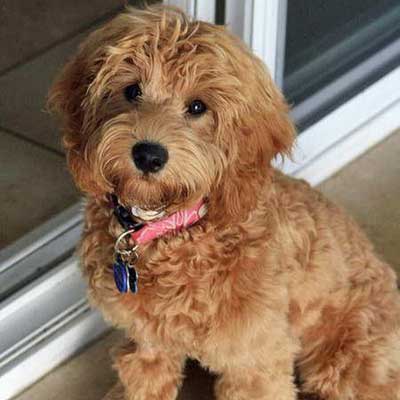
Labradoodle Miniature
The Miniature Labradoodle is a compact version of a beloved hybrid breed. Known for their affectionate nature and intelligence, these dogs thrive on spending quality time with their families and generally display good behavior around people and other animals of all ages. Although they may not be the best choice for a guard dog, they can contribute to home security by barking to signal potential dangers. Typically, these dogs are robust and have a lifespan of 10 to 14 years, with a low likelihood of facing rare health issues. In terms of appearance, they often showcase characteristics from both the Labrador and the Poodle, and they are available in a wide range of coat colors.
Read more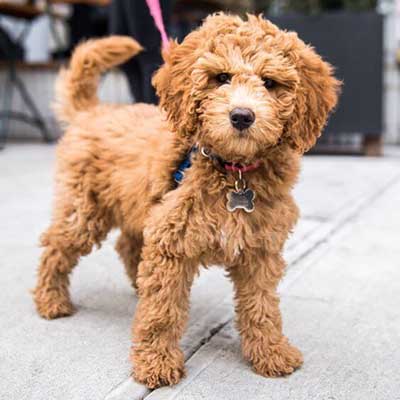
Miniature Goldendoodle
The Miniature Goldendoodle is an endearing small to medium-sized dog celebrated for its loving and attentive personality. This breed is a delightful combination of a Golden Retriever and a Miniature or Toy Poodle, creating a friendly and gentle companion that resembles a small, fluffy teddy bear. Their charming traits have made them a popular choice among families, particularly those with children, as they are loyal and affectionate pets. With the spirited nature of a Miniature Poodle and the gentle temperament of a Golden Retriever, Mini Goldendoodles thrive on human interaction. They often shadow their owners from room to room, seeking companionship and affection, and they love to cuddle. Their playful and silly antics can provide endless amusement through tricks and energetic behavior. However, it’s crucial to recognize that these intelligent dogs do not handle long periods of solitude well, as they may experience anxiety when left alone for too long.
Read more