Beauceroodle
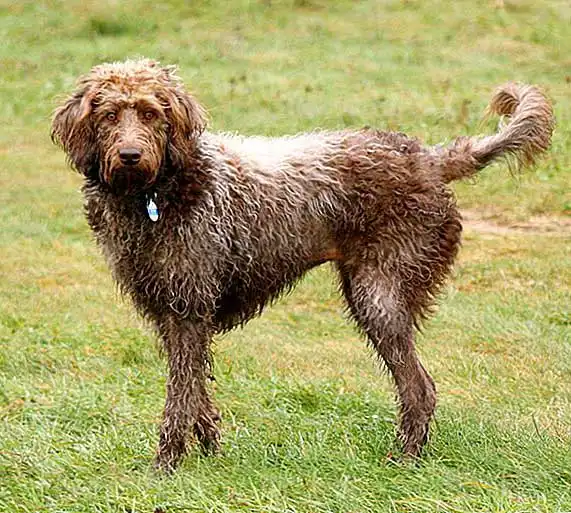
The Beauceroodle is a hybrid breed that emerges from the union of a Beauceron and a Poodle, both of which are large dog breeds. Typically, these dogs stand about 27 inches tall and weigh around 70 pounds. Renowned for their intelligence and loyalty, Beauceroodles can become challenging or even aggressive if they do not receive adequate training. Their strong herding instincts may lead them to try to herd small children and other pets when left unattended. They possess thick coats that can vary in length from medium to long and come in a wide array of colors and patterns. To maintain their health and prevent obesity, regular physical activity is crucial.
Breed Origin
The Beauceron, a distinctive breed that emerged in France during the 16th century, is relatively uncommon and is also known as the Berger de Beauce or Bas Rouge. These large, independent dogs are primarily bred for herding sheep and cattle. Renowned for their high energy levels, the Beauceron is thought to be a descendant of the Briard and possibly the Doberman. A manuscript from the Renaissance period, dated 1578, describes the Beauceron as the largest and most courageous of the French sheepdogs, utilized by farmers to protect their livestock and families. The breed's name is derived from La Beauce, a region near Paris where it first appeared. Before 1863, all French sheepdogs were grouped under a single classification, but that year marked the official recognition of the Beauceron, distinguished by its short coat, separate from the long-haired Briard. Throughout both World Wars, the French Army employed the Beauceron as a messenger dog, leveraging its remarkable abilities in mine detection and navigation. Today, these dogs continue to fulfill various roles in military and law enforcement. The Beauceron Club of America was founded in 1980, and the breed received recognition from the American Kennel Club in 2007, currently ranking as the 140th most popular dog breed. In contrast, the Poodle, while refined in France, has its origins in Germany and is one of the oldest and most intelligent dog breeds. Originally bred for hunting and retrieving, the Poodle's intelligence quickly made it a favorite in dog shows and circus acts. This breed shares its lineage with various water dogs from countries such as France, Hungary, Spain, Russia, Portugal, and Germany, and has also been crossed with Asian herding dogs and the Barbet. Numerous stories surround the Poodle's history, with one of the most famous dating back to the first century, where they were found in Egyptian tombs. Moreover, there are two smaller varieties of the Poodle: the Toy and Miniature Poodles, which were created through selective breeding of smaller Poodles to achieve the desired size. Currently, the Poodle ranks as the 7th most popular breed in the United States and was officially recognized by the American Kennel Club in 1887.
Breed Appearance
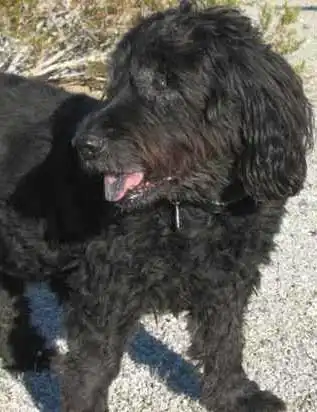
The Beauceroodle may have either a black or brown nose, paired with brown or amber eyes. This breed is notable for its large head, floppy, furry ears, and a sturdy, square-shaped body. They typically sport long, fluffy tails, and their thick, dense coats are wavy, varying from medium to long lengths and available in nearly any color or combination of colors. Common shades include black, gray, brown, red, cream, fawn, blue, silver, white, pied, and brindle. Since the Beauceron is not widely recognized, the number of Beauceroodle hybrids remains limited, leading to a lack of a defined standard for their appearance. However, many owners describe their dogs as resembling a Sheepdog, but with the unique coloring characteristic of a Doberman.

Care Routine
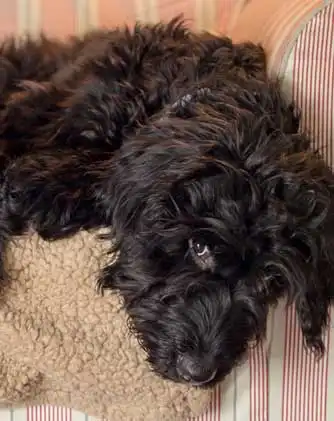
The Beauceroodle's thick and wiry coat requires considerable maintenance, and in some cases, you might need to seek professional grooming services. Although they don't shed heavily, it's crucial to brush them daily using a pin brush and metal comb to prevent matting, and a dematter may be necessary for stubborn tangles. If your Beauceroodle has a coat similar to that of a Poodle, you will need to groom them with clippers several times a year, or you can choose to have a professional handle it. Additionally, it's vital to clean their ears weekly with a damp cotton ball, while also checking for ear mites, wax buildup, and other debris. Remember to trim their toenails as required.
Behavior & Temperament
The Beauceroodle has a pronounced instinct to chase, but with appropriate training, they can live peacefully with other animals they are raised with, even if they occasionally indulge in playful chasing. As natural herders, they tend to try herding not just animals but also small children. Thankfully, their intelligence and loving disposition make them receptive to training, especially when handled with patience and positive reinforcement. It's crucial to steer clear of physical punishment, as this could provoke aggressive tendencies. With sufficient exercise and social interaction, Beauceroodles can make excellent family companions and dependable protectors.


Play & Exercise
This breed is full of vitality and can easily keep up with even the most energetic kids. To ensure their happiness and well-being, it's crucial to engage them in at least 90 minutes of intense exercise daily. This can include activities such as running, going for brisk walks, visiting dog parks for socialization, or playing in the yard and pursuing local wildlife. These dogs flourish with physical activity, so if you don’t have enough outdoor space or exercise options, this breed might not be suitable for your lifestyle. A lack of sufficient exercise can result in the emergence of problematic behaviors or habits.
Things to Know
Cups Per Day
4.5 Cups
Daily Activity
90 Minutes
Average Lifespan
12 Years
Origin
2000s
Type
Crossbreeds
Size
Large
Origin Country
France
Brush Frequency
Daily
Coat Texture
Wavy
Ancestors
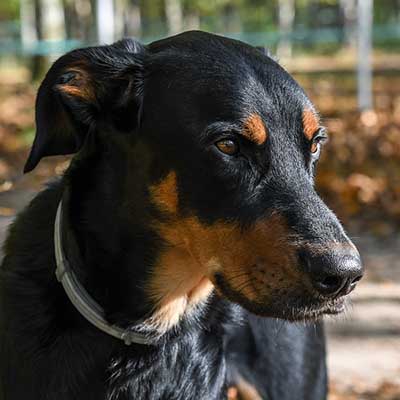
Beauceron
The Beauceron is a breed known for its intelligence, confidence, and independence, often accompanied by a touch of stubbornness. These dogs are not only sizable but also possess the ability to safeguard their home and family when necessary. To ensure a well-rounded temperament, proper training and socialization are essential, as Beaucerons tend to develop slowly, retaining a playful, puppy-like attitude until they are around three years old. If they are raised alongside cats, they may learn to live harmoniously with them; however, their strong instinct to chase can sometimes lead to problematic behavior. It is nearly impossible to tire out a Beauceron, so potential owners should be active and dedicated to providing daily exercise that allows their dog to thrive. Without sufficient stimulation, a Beauceron can become quite destructive.
Read more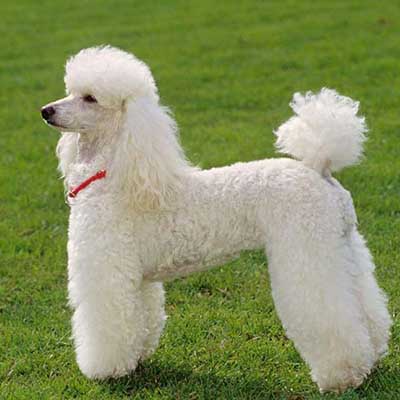
Poodle
Poodles, one of the most ancient dog breeds, are celebrated for their remarkable intelligence and ease of training, which makes them a popular choice among dog enthusiasts. They generally interact well with children and other pets, especially if they are socialized early on. Currently, Poodles are available in several sizes, including Toy, Miniature, and Standard. Each Poodle boasts a dense, curly coat that can range in texture from coarse to wiry and comes in nearly every color imaginable. Although they have charming personalities, they do require significant grooming and are susceptible to various serious health concerns. However, their loving and loyal disposition makes the extra care and attention well worth it!
Read moreRegister
Your kids have been begging for a pet forever, and you've recently decided that it's time for your family to get a new addition -- a dog! While everyone is excited for the new arrival, you're wondering if you need to have a dog license. How much does it cost? Is it required? Where do you get one?
Member Clubs

PETINNATE
Other
Height & Weight
Weight
70 lbs (32 kg)Male: 75 lbs (34 kg) , Female: 65 lbs (29 kg)
Height
26 inches (66 sm)Male: 27 inches (69 sm) , Female: 26 inches (66 sm)
6 Months
42 lbs ( m 42 lbs, f 42 lbs )
23 inches ( m 23 inches, f 23 inches )
12 Months
57 lbs ( m 57 lbs, f 57 lbs )
24 inches ( m 24 inches, f 24 inches )
18 Months
65 lbs ( m 65 lbs, f 65 lbs )
25 inches ( m 25 inches, f 25 inches )
Eye Colors
Brown

Amber
Nose Colors
Black
Brown
Coat Colors
Black
Gray
Brown
Red
Cream
Fawn
Blue
Silver
White
Pied
Brindle