Beauceron
Berger de Beauce, Bas-Rouge
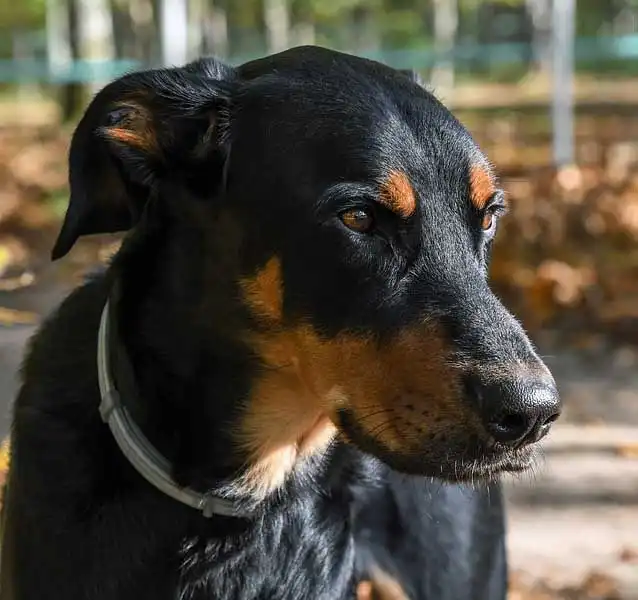
The Beauceron is a breed known for its intelligence, confidence, and independence, often accompanied by a touch of stubbornness. These dogs are not only sizable but also possess the ability to safeguard their home and family when necessary. To ensure a well-rounded temperament, proper training and socialization are essential, as Beaucerons tend to develop slowly, retaining a playful, puppy-like attitude until they are around three years old. If they are raised alongside cats, they may learn to live harmoniously with them; however, their strong instinct to chase can sometimes lead to problematic behavior. It is nearly impossible to tire out a Beauceron, so potential owners should be active and dedicated to providing daily exercise that allows their dog to thrive. Without sufficient stimulation, a Beauceron can become quite destructive.
Breed Origin
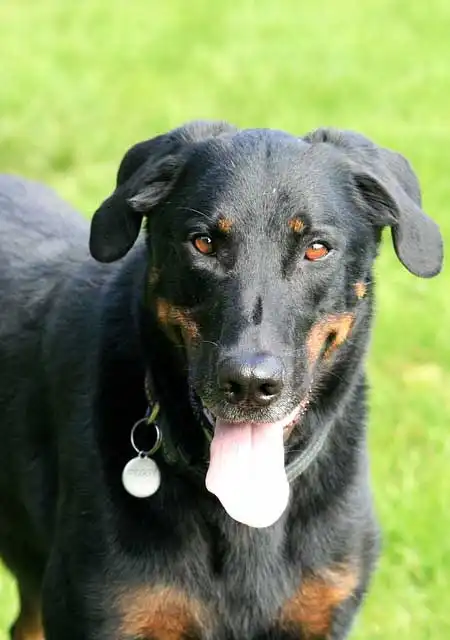
The Beauceron, recognized as the largest of the French sheepdog breeds, is first mentioned in a Renaissance manuscript from 1578. This robust herding dog was mainly used by farmers to drive and protect sheep and cattle, as well as to safeguard their homes. Its name is derived from the La Beauce region near Paris. There is speculation that the Beauceron may share ancestry with the Doberman. In 1863, French sheepdogs were divided into two distinct breeds: the long-haired Briard and the short-haired Beauceron. The breed was officially registered with the Société Centrale Canine in 1893, and the first breed club was founded in 1922. Although the Beauceron gained popularity in France, it remained relatively obscure in other countries. During both World Wars, the French military employed the Beauceron as a messenger dog, leveraging its abilities in command following, mine detection, and trail tracking. Today, the Beauceron is still utilized in police and military capacities, as well as for home and family protection. Starting in the 1960s, the breed's popularity began to rise both in France and abroad, culminating in the establishment of the Beauceron Club of America in 1980 and its recognition in the AKC's Miscellaneous Class in 2001.
Breed Appearance
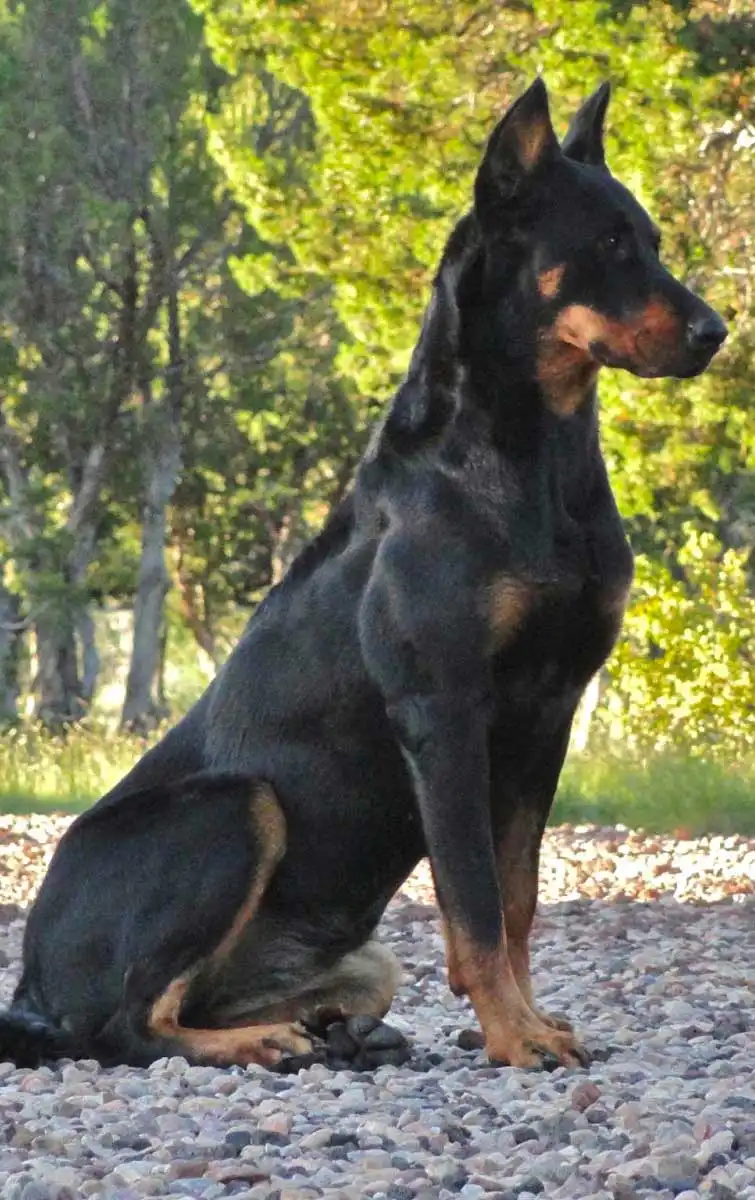
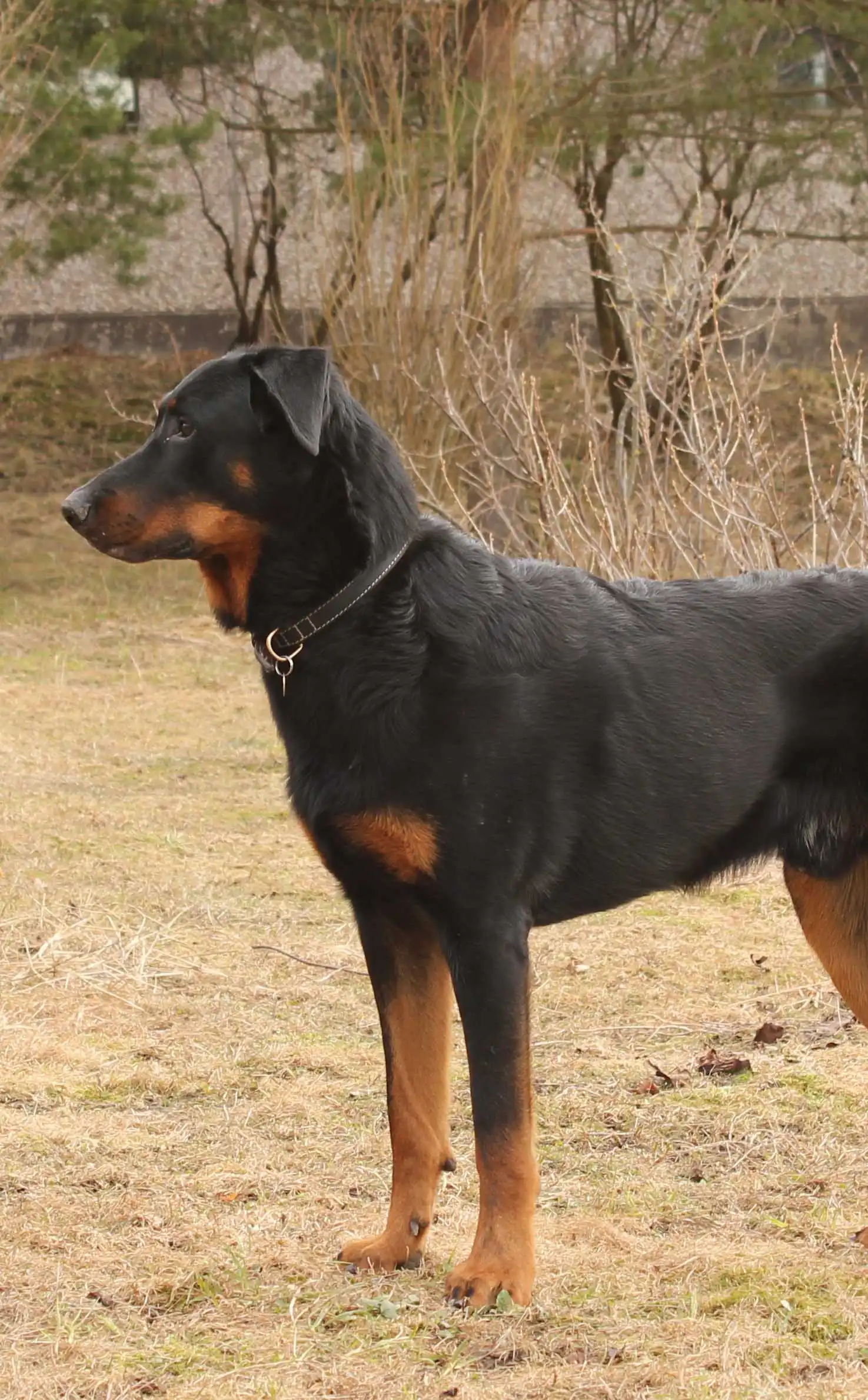
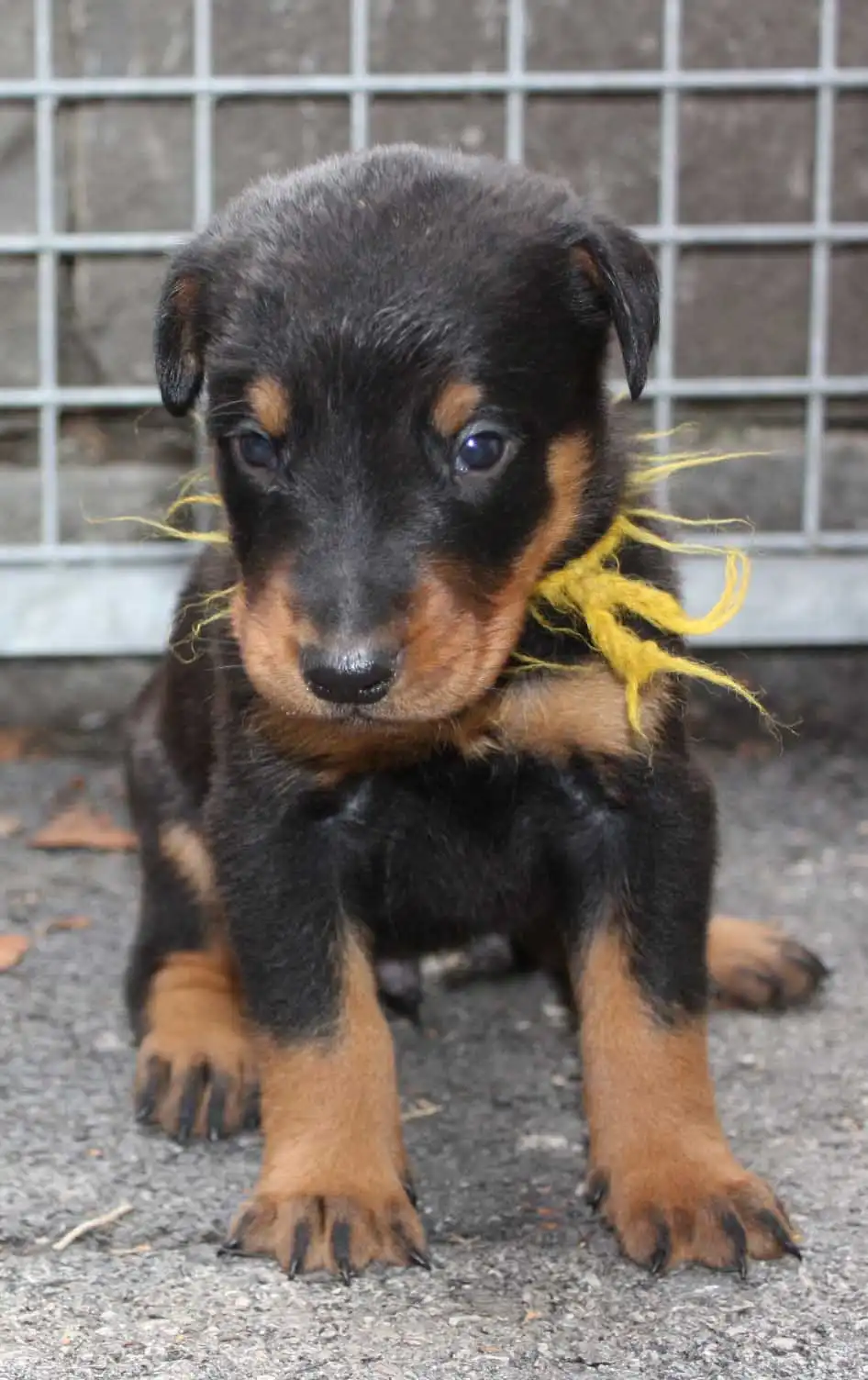
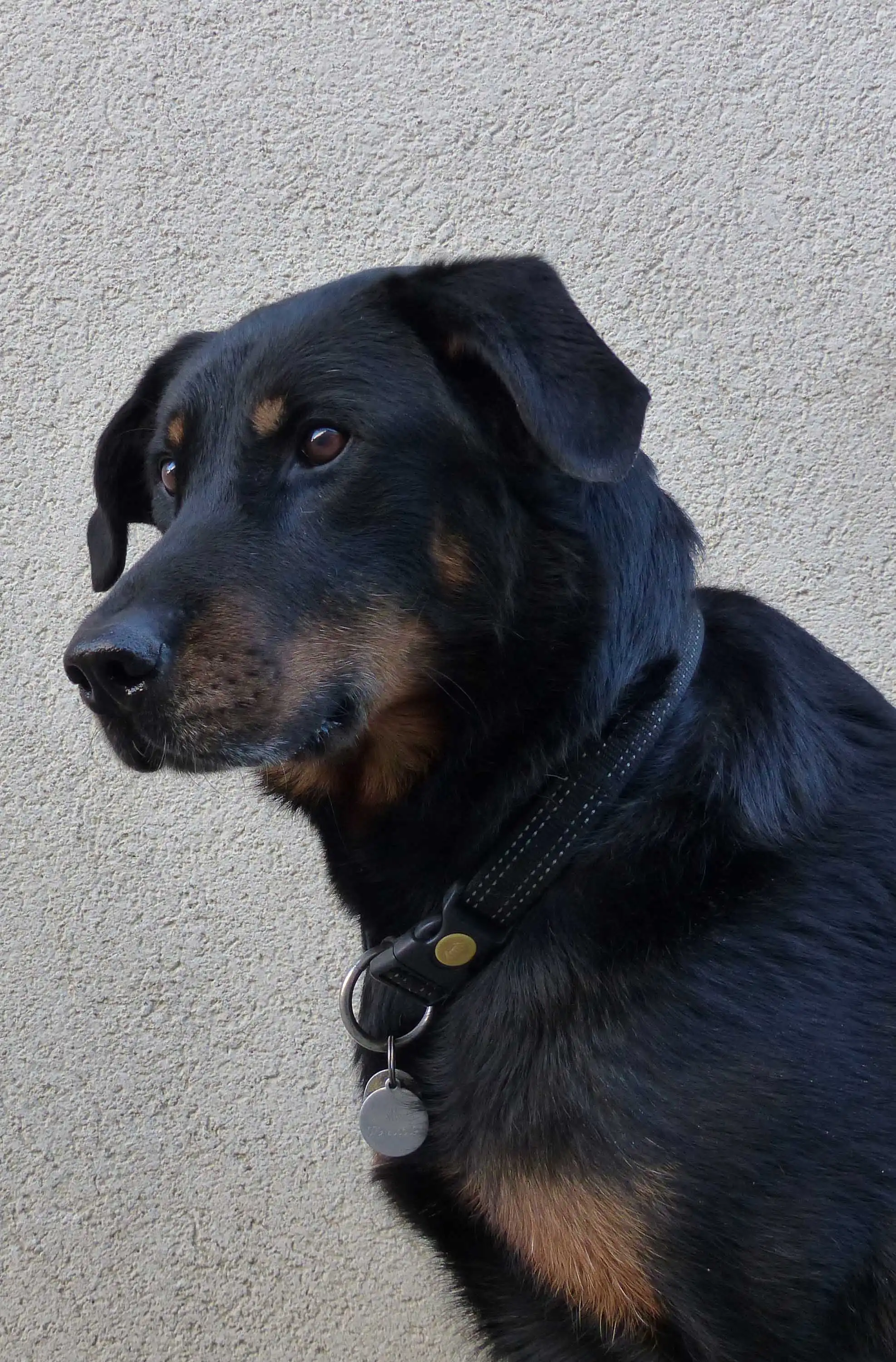
The Beauceron is typically described as a sturdy and well-balanced breed. Its forelegs and hindquarters are powerfully muscled, enabling the dog to stay active for long durations without showing signs of tiredness. This breed has round, robust feet equipped with black nails and durable pads. The muzzle is neither overly narrow nor pointed, and Beaucerons have strong jaws with sharp teeth that meet in a scissor bite. Their large, slightly oval dark brown eyes convey a sense of confidence. The breed's thick ears are positioned high on the head and can be left natural or cropped; when cropped, they stand upright. The muscular neck holds the head high, contributing to the breed's overall impression of self-assuredness. The tail is naturally low-hanging and should not be docked, although it is raised when the dog is in motion. Beaucerons display a smooth, effortless stride, creating the illusion that they glide as they walk.
Care Routine
Despite having a double coat, the grooming requirements for a Beauceron are relatively simple. Typically, brushing your dog once or twice a week is adequate, although you might need to do it more often during shedding periods. It’s essential for a Beauceron to participate in both mental and physical exercises; without these, they can become bored and may display destructive tendencies. This breed flourishes with family engagement, so it’s advisable not to keep them confined in a kennel. Instead, they should have ample opportunities to bond with their family, particularly through outdoor activities and exercise, preferably off-leash. Providing a large, secure yard is highly beneficial for this breed.
Behavior & Temperament
The Beauceron is an exceptionally intelligent breed recognized for its courage and calm nature. This clever dog is not only eager to learn but also fiercely loyal, with a strong instinct to protect its family. As a breed that is inherently protective, Beaucerons make excellent guard dogs. They are typically wary of strangers and may not get along well with unfamiliar dogs. However, if they are introduced to other pets during their early development, they can usually adapt well to cohabitation. Families with young children should be cautious, as Beaucerons may have a natural tendency to herd them, which could make them less suitable for households with small kids. To ensure a Beauceron does not take on a dominant role within the home, proper training is crucial. Early training can effectively channel the breed’s intelligence, quick learning capabilities, and motivation. Employing methods such as praise, play, and food rewards can yield positive results. It’s also important to understand that a Beauceron might test limits by resisting commands to assess your commitment to leadership.
Play & Exercise
Things to Know
Cups Per Day
2.5 Cups
Daily Activity
60 Minutes
Average Lifespan
11 Years
Origin
1500s
Type
Pure Breeds
Size
Large
Origin Country
France
Brush Frequency
Weekly
Coat Texture
Straight
Register
Your kids have been begging for a pet forever, and you've recently decided that it's time for your family to get a new addition -- a dog! While everyone is excited for the new arrival, you're wondering if you need to have a dog license. How much does it cost? Is it required? Where do you get one?
Member Clubs

PETINNATE
Herding Dog

AKC
Herding Group

UKC
Herding Dog
Height & Weight
Weight
75 lbs (34 kg)Male: 75 lbs (34 kg) , Female: 75 lbs (34 kg)
Height
26 inches (66 sm)Male: 26 inches (66 sm) , Female: 25 inches (64 sm)
6 Months
37 lbs ( m 37 lbs, f 37 lbs )
12 inches ( m 12 inches, f 12 inches )
12 Months
67 lbs ( m 67 lbs, f 67 lbs )
15 inches ( m 15 inches, f 15 inches )
18 Months
77 lbs ( m 77 lbs, f 77 lbs )
21 inches ( m 21 inches, f 21 inches )
Eye Colors
Brown

Nose Colors
Black
Coat Colors
Black
Red
Mixes
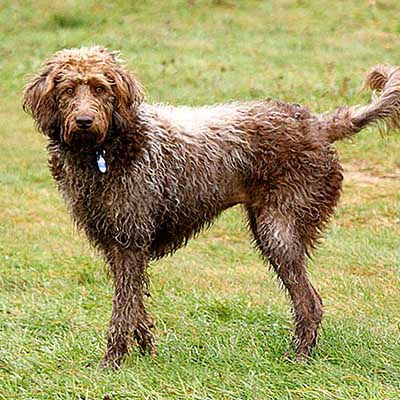
Beauceroodle
The Beauceroodle is a hybrid breed that emerges from the union of a Beauceron and a Poodle, both of which are large dog breeds. Typically, these dogs stand about 27 inches tall and weigh around 70 pounds. Renowned for their intelligence and loyalty, Beauceroodles can become challenging or even aggressive if they do not receive adequate training. Their strong herding instincts may lead them to try to herd small children and other pets when left unattended. They possess thick coats that can vary in length from medium to long and come in a wide array of colors and patterns. To maintain their health and prevent obesity, regular physical activity is crucial.
Read more