Schipper-Poo
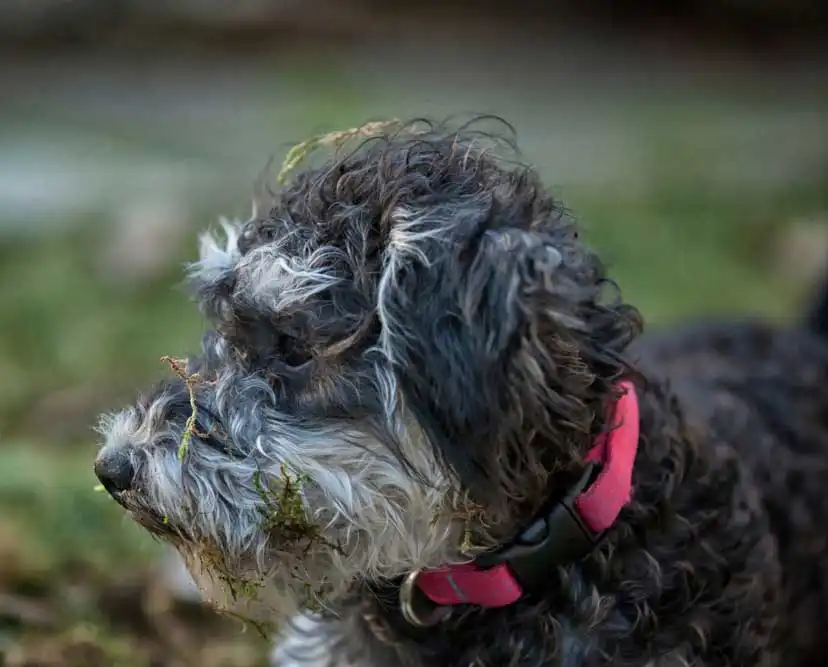
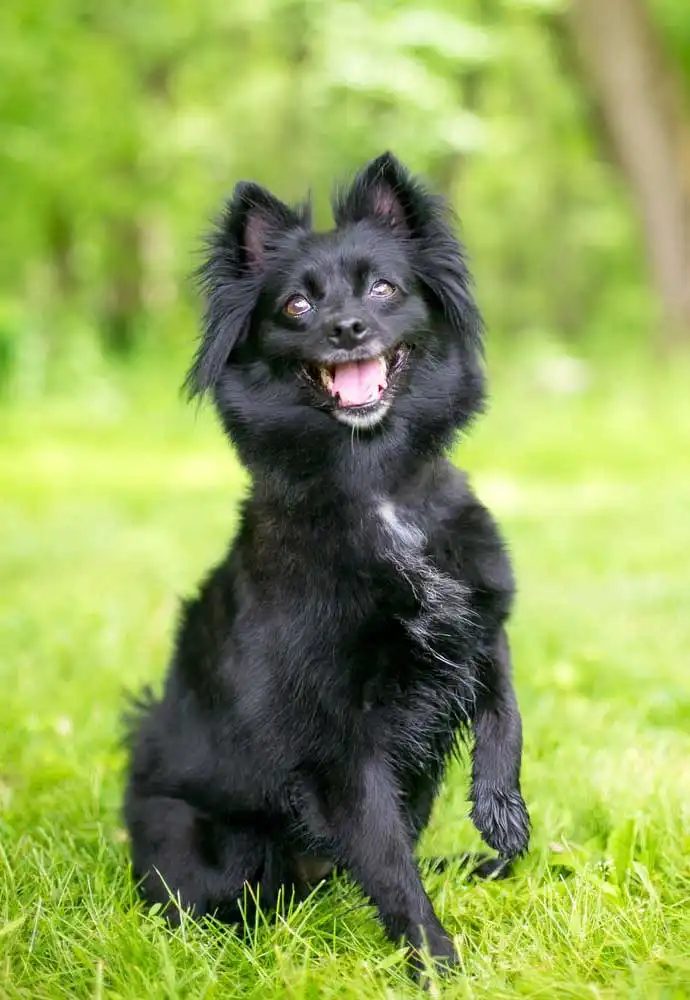
The Schipper-Poo is an endearing small breed resulting from the cross between a Poodle and a Schipperke. This hybrid is celebrated for its loving and playful demeanor, full of vitality but lacking any aggressive tendencies. Typically, a Schipper-Poo boasts a striking black coat with short, soft fur that can vary from smooth to slightly wavy, complemented by its characteristic pointy ears. These dogs thrive on human interaction and affection, and their intelligence generally makes them easy to train. However, due to the Schipperke's often strong-willed nature, the Schipper-Poo may inherit some of this stubbornness, which can lead to potential training difficulties.
Breed Origin
The Schipper-Poo is a relatively new hybrid breed, yet its parent breeds have rich and storied backgrounds. The Schipperke is thought to be a descendant of the Leauvenaar, also known as the Black Sheepdog, which historically served as a guardian on boats traversing the canals between Brussels and Antwerp. These adaptable dogs flourished in both rural environments and on vessels, originally referred to as the Spitske or Spits dog. However, with the formation of a breed club in 1888, they were officially designated as Schnipperke, meaning “little shepherd” or “little captain.” The breed gained significant attention after Queen Marie Henriette spotted one at the Brussels dog show in 1885, which subsequently led to its introduction to the United States that same year. In contrast, the Poodle is a long-established breed with ancient origins. It is believed to have emerged in Germany through the crossbreeding of various European breeds and the North African Barbet. Another theory posits that Poodles may have descended from herding dogs in Asia or even have roots tracing back to the Asian steppes, eventually arriving in Portugal after the North African Berber conquests. Artifacts from Roman times and Egyptian tombs dating back to the first century B.C. depict dogs that closely resemble the Poodle. The smaller varieties of Poodles are thought to have been developed in the 1400s by selectively breeding smaller individuals. In France, Poodles were commonly used for duck hunting, and the first Poodle was registered with the American Kennel Club in 1888.
Breed Appearance
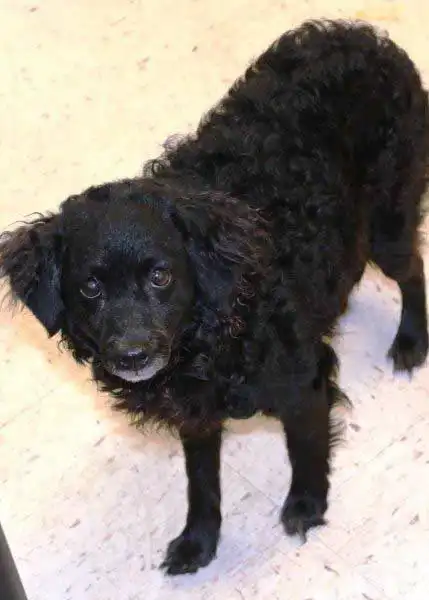
The Schipper-Poo is a hybrid breed that inherits traits from both of its parent breeds. Like many mixed breeds, it may lean more towards the characteristics of one parent or exhibit a harmonious blend of features from both. Generally, this dog is small, with a sturdy build and medium to long, soft fur. Its ears are pointed, and the Schipper-Poo often carries an alert expression. Depending on the genetic influences from its parents, this breed can have brown or amber eyes, complemented by a black or brown nose on a slender muzzle. The most prevalent coat colors for the Schipper-Poo are black and gray.

Care Routine
The grooming requirements for your Schipper-Poo will primarily be influenced by the coat characteristics inherited from its parent breeds. Typically, this mixed breed experiences moderate shedding, making daily grooming a wise practice, with baths administered as necessary. The Schipperke, recognized for its cleanliness and low odor, usually only needs a bath after becoming dirty. To minimize the buildup of loose hair in your home, consistent brushing—ideally multiple times a week—is important. During shedding periods, a warm bath can help loosen dead hair, facilitating easier removal during brushing. On the other hand, Poodles do not shed but require grooming every three to six weeks, along with daily brushing. Their coats need regular trimming and bathing. Additionally, to manage tear stains, it’s essential to wipe their face and the area around their eyes daily with a damp cloth. Weekly ear cleaning is also advisable. Regardless of the coat type your Schipper-Poo inherits, it’s vital to maintain dental health by brushing their teeth several times a week and trimming their nails as necessary.
Behavior & Temperament
The Schipper-Poo, a charming cross between the Schipperke and the Poodle, is expected to display a combination of characteristics from both parent breeds. This hybrid is recognized for its loving disposition, enjoying the company and attention of its human friends and acquaintances. Generally, Schipper-Poos are smart and eager to learn, though they might also take after the Schipperke's independent and playful nature. These dogs are deeply devoted to their families and usually interact well with other dogs. With their typically gentle temperament, Schipper-Poos are wonderful companions for families with children and other pets.


Play & Exercise
The exercise requirements of a Schipper-Poo can vary significantly depending on the unique traits inherited from its parents. This breed is characterized by its energetic nature, necessitating daily physical activity. When taking them for walks, it’s crucial to keep them on a leash, as their curious disposition makes them prone to chasing after anything that piques their interest, often ignoring their owners' calls. Schipper-Poos flourish with regular walks alongside their humans and love joining their families on different adventures. They also take pleasure in engaging in activities like flyball, agility training, obedience trials, and hiking—always while leashed, of course!
Things to Know
Cups Per Day
1.7 Cups
Daily Activity
45 Minutes
Average Lifespan
14 Years
Origin
Unknown
Type
Crossbreeds
Size
Medium
Origin Country
Unknown
Brush Frequency
Daily
Coat Texture
Wiry
Register
Your kids have been begging for a pet forever, and you've recently decided that it's time for your family to get a new addition -- a dog! While everyone is excited for the new arrival, you're wondering if you need to have a dog license. How much does it cost? Is it required? Where do you get one?
Member Clubs

PETINNATE
Other
Height & Weight
Weight
33 lbs (15 kg)Male: 33 lbs (15 kg) , Female: 33 lbs (15 kg)
Height
14 inches (36 sm)Male: 17 inches (43 sm) , Female: 11 inches (28 sm)
6 Months
16 lbs ( m 16 lbs, f 16 lbs )
5 inches ( m 5 inches, f 5 inches )
12 Months
31 lbs ( m 31 lbs, f 31 lbs )
10 inches ( m 10 inches, f 10 inches )
18 Months
33 lbs ( m 33 lbs, f 33 lbs )
11 inches ( m 11 inches, f 11 inches )
Eye Colors
Brown

Amber
Nose Colors
Black
Brown
Coat Colors
Black
Gray