Toy Foodle
Foodle, Foxpoo, Foxipoo, Foxdoodle
The Toy Foodle, commonly known as the Foxipoo, is an endearing designer breed that results from the cross between a Toy Fox Terrier and a Poodle. This breed not only captivates with its appearance but also possesses a delightful temperament, making it well-suited for various living situations—especially since it is regarded as hypoallergenic. Both parent breeds are celebrated for their friendly demeanor, and as a result, Foodles often inherit a mix of these characteristics, leading to a dog that is generally friendly towards other dogs, children, and even other pets, provided they receive appropriate training and socialization. Although they may show some wariness around strangers, this is typically expressed through a warning bark or by keeping their distance. Foodles are known for their affectionate and playful nature, thriving on quality time with their families. Their ability to learn quickly makes them an excellent option for first-time dog owners, and their small size allows them to adapt well to compact living spaces like apartments, as they require less exercise compared to larger breeds. However, without sufficient training or physical activity, they might become somewhat vocal, though their barks are usually less intrusive than those of bigger dogs. Despite their petite size, they do have notable exercise requirements, so individuals who are less active or lack access to appropriate exercise areas may find them less suitable. In summary, with their friendly nature, manageable size, and eagerness to learn, Toy Foodles can make wonderful companions for a diverse array of families.
Breed Origin
While there is limited information about the origins of this hybrid breed, it likely developed alongside various designer breeds that gained traction in the United States during the 1980s. This movement was fueled by a desire to enhance specific characteristics—like size and temperament—aimed at creating healthier, well-mannered, and visually appealing dogs, free from the limitations of purebred standards. The exact beginnings of the Poodle are debated, with claims from both Germany and France. The name "Poodle" comes from the German word "pudel," meaning "to splash," which lends some credence to the German assertion, although the French Federation Cynologique Internationale also claims that France is the breed's origin. Nonetheless, it is generally accepted that Poodles have been around for several centuries. These historical sporting dogs, thought to have a strong connection to the Portuguese Water Dog, eventually became popular as companions and show dogs due to their intelligence, trainability, excellent temperaments, and attractive looks. In contrast, the Toy Fox Terrier has a more contemporary background, originating in the 20th century. This breed was created by crossing Smooth Fox Terriers with smaller breeds like Miniature Pinschers and Chihuahuas, specifically to produce more refined and appealing companion animals. The result was a successful breed of small dogs that are generally well-mannered, though they can display some quirky behaviors, such as barking at and chasing small game.
Breed Appearance
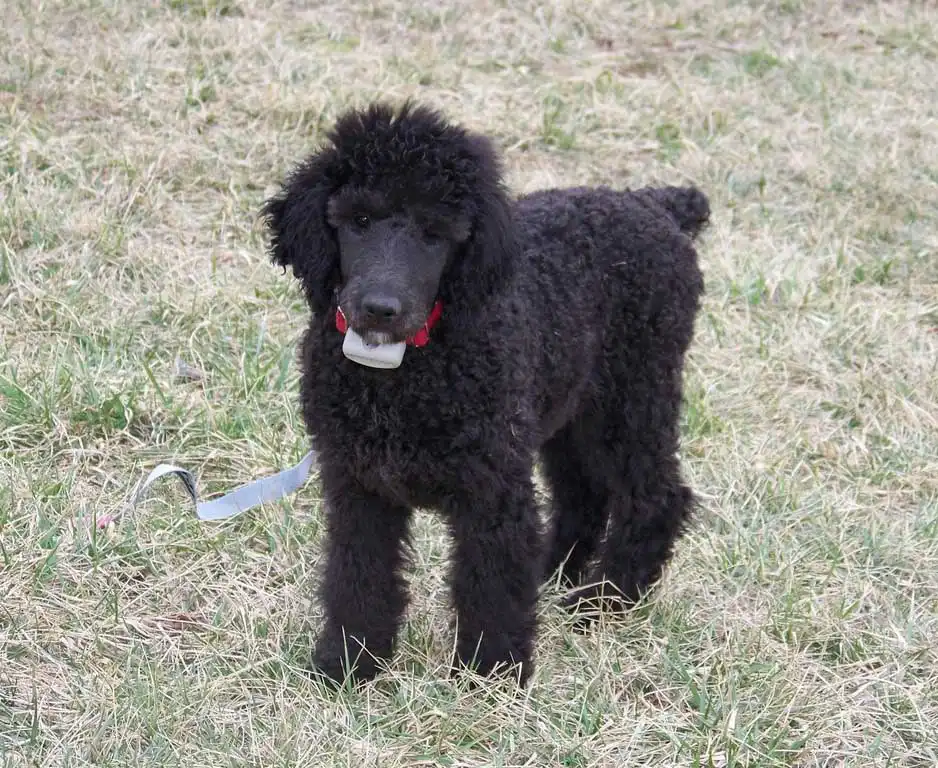
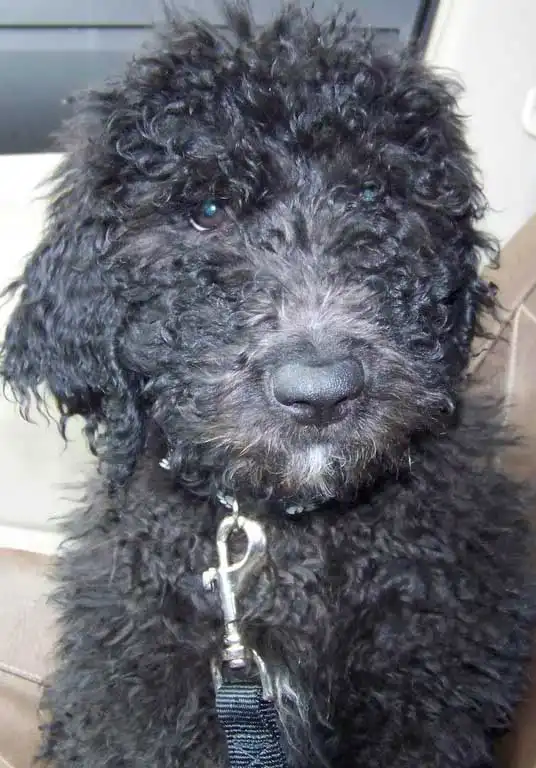
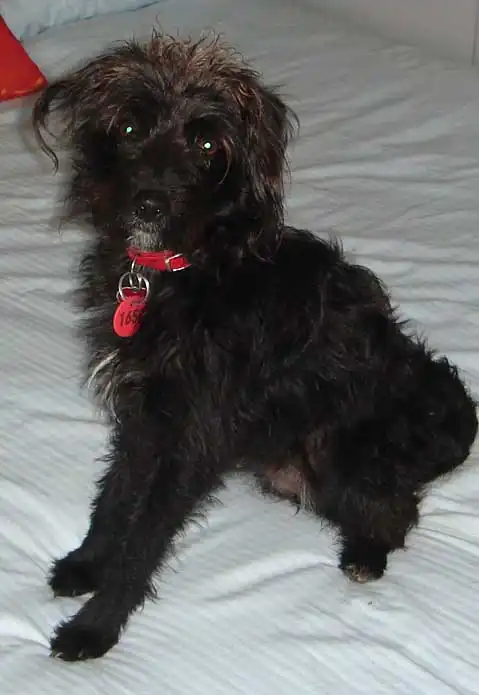
The Toy Foodle is a small breed, standing at just under a foot tall and generally weighing around the same number of pounds as their height in inches. They are known for their longer coats, which can be either wavy or curly. Despite the length of their fur, they are often considered hypoallergenic due to their low shedding. Their coats come in various colors, such as black, white, brown, gray, and fawn, with textures ranging from wavy to curly. This breed has a petite head with a gently rounded skull and a muzzle that is short to medium in length, complemented by an endearing mustache, beard, and eyebrow hair. They have a square build and display an unexpected level of muscle for their size, giving them a more athletic look, although this is often hidden beneath their fluffy fur. When left untrimmed, their tails are long and tapered, typically adorned with a substantial amount of extra hair.

Care Routine
While Toy Foodles are not known for excessive shedding, they do require considerable grooming, much like their Poodle lineage. Regular buzzing, trimming, or cutting of their fur is crucial, and many pet owners choose to utilize professional grooming services to simplify the process and minimize mess at home. Their naturally curly coats tend to collect dirt more readily, making daily brushing and routine baths necessary for maintaining their cleanliness and overall health. Additionally, the longer hair around their faces can result in tear stains, which should be gently wiped away for hygiene and comfort. Moreover, as with any dog, it’s essential to routinely check and trim their nails to prevent cracking, clean their folded ears to reduce moisture buildup that could lead to infections, and ideally brush their teeth on a weekly basis.
Behavior & Temperament
Toy Foodles are simply irresistible, largely due to their wonderful temperament, which is among the finest of modern hybrid breeds. These dogs are exceptionally loving and playful, thriving on family engagement and affection. Given the opportunity, they will eagerly snuggle up as lap dogs. Thanks to their heritage, they generally get along well with other dogs, children, and even non-canine pets, especially when they receive proper training. Although they may not initially be welcoming to strangers, they serve as effective watchdogs, alerting their owners to unfamiliar individuals or unusual happenings without being aggressive. With the right training and socialization, they can learn to be more relaxed around others, which is quite feasible considering their high intelligence and trainability compared to many other breeds. One potential issue is that some Toy Foodles might become excessively vocal if they don’t receive enough attention, training, or exercise, which can create challenges in certain living environments if not managed. Additionally, they have a relatively high energy level for their size and may engage in destructive behaviors if they lack a suitable outlet for their energy. Nonetheless, despite these minor concerns, they remain charming, affectionate, and adaptable companions, making them a great fit for a variety of families.


Play & Exercise
Toy Foodles are considered medium to high-energy dogs, requiring ample daily exercise to ensure their well-being, happiness, and good behavior. Although they are small, they exhibit an almost limitless energy and flourish when given the opportunity to run in open spaces rather than being restricted to indoor settings. Their compact size makes them suitable for apartment living, but their lively disposition typically calls for at least two miles of walking or about 45 minutes of physical activity each day. Ideally, this exercise should occur in a large yard, dog park, or open field, as long as they can be trusted to remain nearby when off-leash. Furthermore, their high intelligence necessitates engaging mental activities, which not only help expend their energy but also mitigate the risk of undesirable or destructive behaviors.
Things to Know
Cups Per Day
1.0 Cups
Daily Activity
45 Minutes
Average Lifespan
12 Years
Origin
Late 20th century
Type
Crossbreeds
Size
Small
Origin Country
United States
Brush Frequency
Daily
Coat Texture
Wavy
Register
Your kids have been begging for a pet forever, and you've recently decided that it's time for your family to get a new addition -- a dog! While everyone is excited for the new arrival, you're wondering if you need to have a dog license. How much does it cost? Is it required? Where do you get one?
Member Clubs

PETINNATE
Other
Height & Weight
Weight
11 lbs (5 kg)Male: 11 lbs (5 kg) , Female: 11 lbs (5 kg)
Height
11 inches (28 sm)Male: 11 inches (28 sm) , Female: 11 inches (28 sm)
6 Months
8 lbs ( m 8 lbs, f 8 lbs )
7 inches ( m 7 inches, f 7 inches )
12 Months
9 lbs ( m 9 lbs, f 9 lbs )
9 inches ( m 9 inches, f 9 inches )
18 Months
11 lbs ( m 11 lbs, f 11 lbs )
11 inches ( m 11 inches, f 11 inches )
Eye Colors
Brown
Amber
Nose Colors
Black
Brown
Coat Colors
Sable
Brown
Cream
White
Fawn
Gray
Black