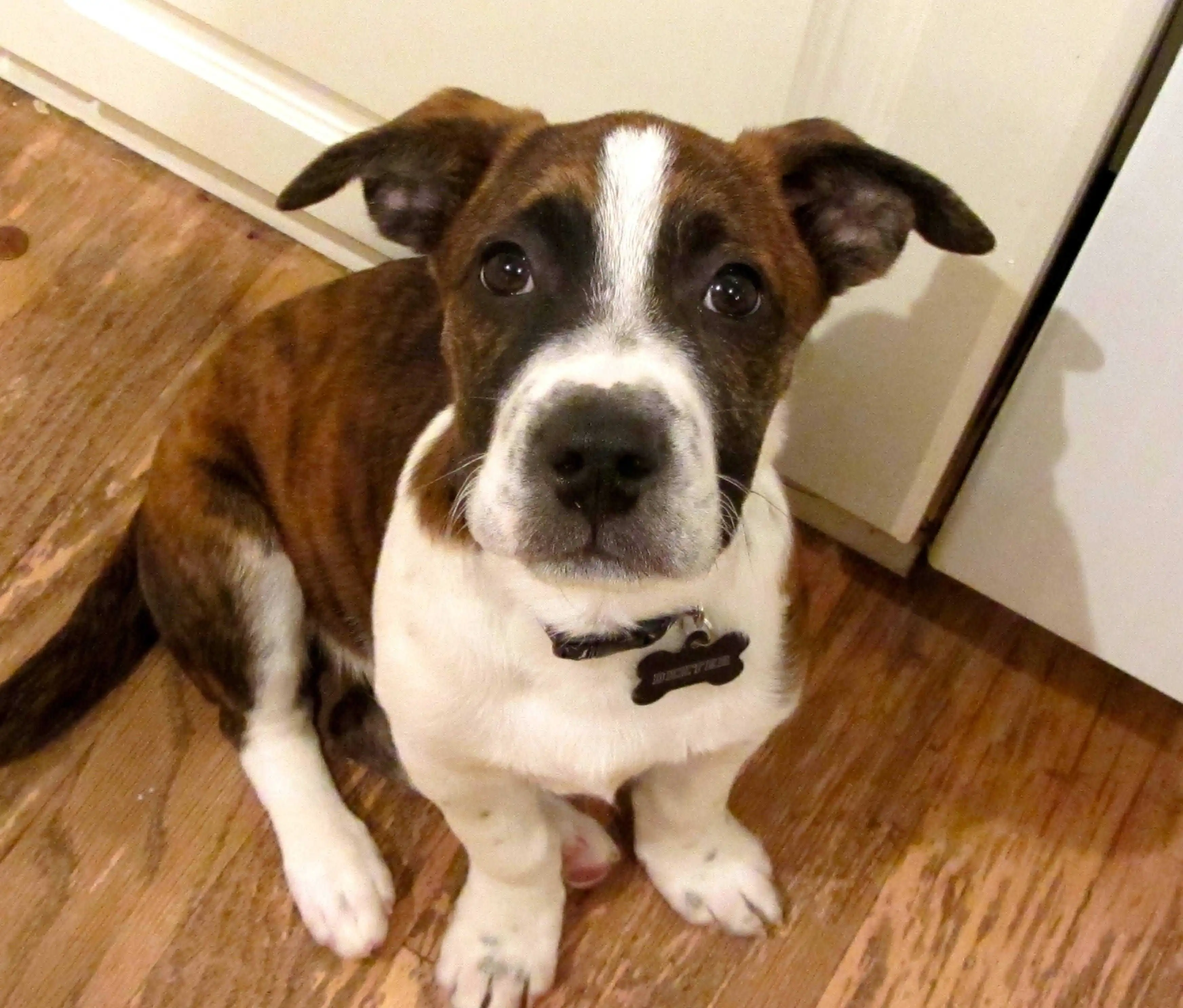
Boxer Basset
Boxset, Boxet, Basser
The Boxer Basset is an excellent choice for a family pet, known for its loving and loyal disposition, playful nature, and fondness for cuddling. This breed is perfectly content to spend hours relaxing on the couch with you while watching TV, but once they step outside, they become enthusiastic trackers. Their exceptional sense of smell enables them to detect nearby animals, often just for the excitement of the chase. With a robust physique, the Boxer Basset features a long body, large floppy ears, and a short coat. Although they may show a bit of stubbornness and sulk at times, their overall demeanor is friendly and cheerful, earning them affection from everyone around.
Breed Origin
The Boxer Basset's heritage is deeply intertwined with that of its parent breeds: the Boxer and the Basset Hound. The Boxer, originally acknowledged in Europe, particularly in the lofty valleys of Tibet, was esteemed as a Tibetan fighting dog. It is thought to share ancestry with all Bulldog varieties, with connections to the Tibetan Mastiff and the French Bouledogue de Mida. In Germany, some claim that the Boxer emerged from a blend of the Brabanter Bullenbeisser and the Danziger Bullenbeisser, resulting in a strong and nimble hunting companion. Although the Boxer was historically involved in dog fighting and bull baiting until these practices were banned, it is not characterized by aggression. Nowadays, Boxers are particularly popular in the United States and received recognition from the American Kennel Club (AKC) in 1904. Conversely, the Basset Hound's roots can be traced back to France in the 1500s, where it was utilized as a scent hound for rabbit tracking. Its name is derived from the French word “bas,” which means low or dwarf, a term highlighted in a hunting manual by Count Jacques Du Fouilloux in 1560. The breed is believed to have been developed by the Friars of the French Abbey in St. Hubert, although some experts propose that Bloodhound genetics were also introduced to increase its size. The Basset Hound rose to prominence following its introduction at the Paris Dog Show in 1863 and was officially recognized by the AKC in 1935, currently holding the position of the 39th most popular dog breed in the United States.
Breed Appearance
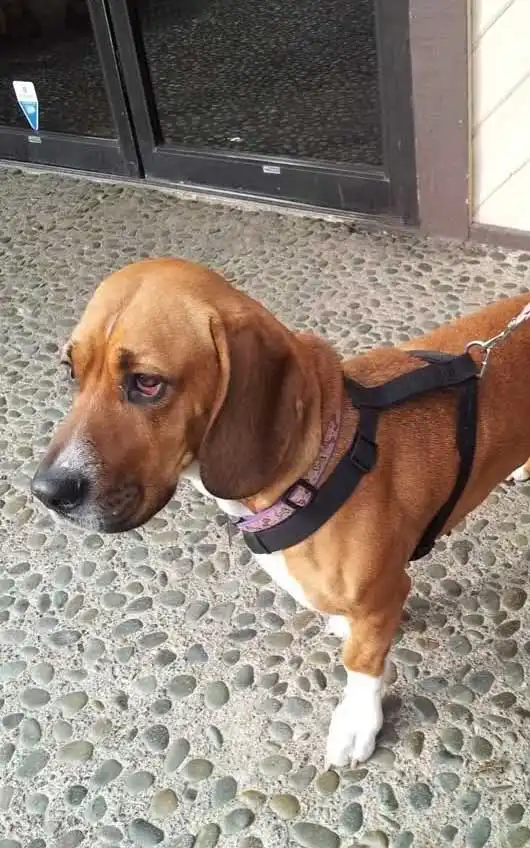
The Boxer Basset is a sturdy and elongated breed, easily recognized by its distinctive features, including a prominent head, short legs, a medium-length muzzle, and long, droopy ears. Their large feet and head, paired with a compact body, create a comical look that often leads people to compare them to a mix of various dog breeds. Typically, their coat showcases a combination of light brown and white, but it can also appear in different mixes of brown and white, black and white, or black and brown. Furthermore, Boxer Bassets may display a tri-color pattern that includes any of these hues. With their expressive eyes and amusing way of moving, they have a unique ability to spread joy and laughter just by being themselves.

Care Routine
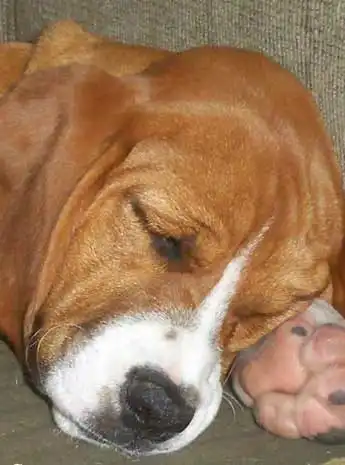
The Boxer Basset features a short, thick coat that makes grooming straightforward. A gentle brushing with a soft bristle brush once or twice a week is sufficient to reduce shedding and encourage healthy blood flow. Baths should only be given when absolutely necessary, as frequent washing can deplete the skin of vital oils. To maintain dental health, it's recommended to brush their teeth at least once or twice a week, and nails should be trimmed as needed. Given their long, floppy ears, it's crucial to regularly check for dirt, debris, wax, and mites. Cleaning can be performed with a soft cloth or cotton ball, but it's important to avoid cotton swabs, as they can seriously injure your dog's ears.
Behavior & Temperament
This breed is an excellent choice for families, as they thrive on human interaction and are perfectly happy to relax as long as they are with you. Drawing from their Basset Hound heritage, they are generally quite easygoing and often prefer to lounge around. However, the prospect of food or playtime is usually enough to get them up and active. Although they are intelligent, training them may require a bit more patience than with other breeds, likely due to their relaxed disposition or a touch of stubbornness. They can become sulky when reprimanded and may be a bit persistent when they want to go outside. Despite these quirks, their loving and gentle nature makes them truly delightful companions.


Play & Exercise
The Boxer Basset may seem like a relaxed companion, often found lounging at home when not playing or eating. However, to keep them from becoming overweight, it's crucial to ensure they get at least 45 minutes to an hour of exercise each day. These dogs are naturally inquisitive and enjoy exploring their surroundings, making a hike in a local park or a walk around the neighborhood great activities for them. It's important to refrain from encouraging jumping, as their short legs can be prone to strain, potentially resulting in elbow dysplasia.
Things to Know
Cups Per Day
0.0 Cups
Daily Activity
0 Minutes
Average Lifespan
12 Years
Origin
Unknown
Type
Crossbreeds
Size
Not Set
Origin Country
United States
Brush Frequency
Daily
Coat Texture
Straight
Register
Your kids have been begging for a pet forever, and you've recently decided that it's time for your family to get a new addition -- a dog! While everyone is excited for the new arrival, you're wondering if you need to have a dog license. How much does it cost? Is it required? Where do you get one?
Member Clubs

PETINNATE
Other
Height & Weight
Weight
58 lbs (26 kg)Male: 63 lbs (29 kg) , Female: 53 lbs (24 kg)
Height
19 inches (48 sm)Male: 19 inches (48 sm) , Female: 18 inches (46 sm)