BT Walker
The BT Walker is a hybrid dog resulting from the crossbreeding of the Treeing Walker Coonhound and the Boxer. This robust breed boasts short, coarse fur that adapts well to different weather conditions. Both of its parent breeds are celebrated for their hunting and working skills, which contribute to the BT Walker's energetic disposition and desire for activity. Due to its heritage, this breed is likely to be quite vocal, reflecting the Treeing Walker Coonhound's propensity to bark often. If you're in search of a companion that not only excels in hunting but also serves as a vigilant guardian against unusual occurrences around your home, the impressive BT Walker may be the perfect fit. This breed is known for its friendly, loyal, playful, and protective characteristics. While it can make a formidable guard dog, the BT Walker may also display territorial and stubborn behaviors, highlighting the importance of early socialization.
Breed Origin
The BT Walker is a relatively recent hybrid breed, and as a result, its precise origins are not well-documented. Nevertheless, we have a wealth of information regarding its parent breeds. The Treeing Walker Coonhound has an intriguing name and history. This breed can be traced back to the English Foxhounds that were brought to America during the Colonial period, sharing several traits with the Tennessee Lead. Originally called the English Coonhound, the breed lacked a distinctive appeal, which led some breeders to enhance its characteristics, ultimately resulting in the development of the Treeing Walker. While it is not officially recognized by the American Kennel Club (AKC), it is acknowledged by the AKC's Foundation Stock Service, which provides a notable endorsement. Today, the Treeing Walker Coonhound is actively involved in coonhound events and is particularly suited for such pursuits, as owning one as a pet can be quite challenging for many individuals. On the other hand, the Boxer is a cherished breed and ranks among the most popular dog breeds. Originating in Germany during the 19th century, Boxers were initially bred for livestock management on farms. The contemporary Boxer we recognize today was refined in the 1880s and began to be trained as police dogs, even serving in the German military during World War I. Although this association with wartime service temporarily affected their popularity, the breed was officially registered with the American Kennel Club in 1904, which sparked a revival in their appeal. Boxers are celebrated for their strength, intelligence, bravery, loyalty, and affection, making them outstanding family pets and companions, as well as capable working dogs.
Breed Appearance
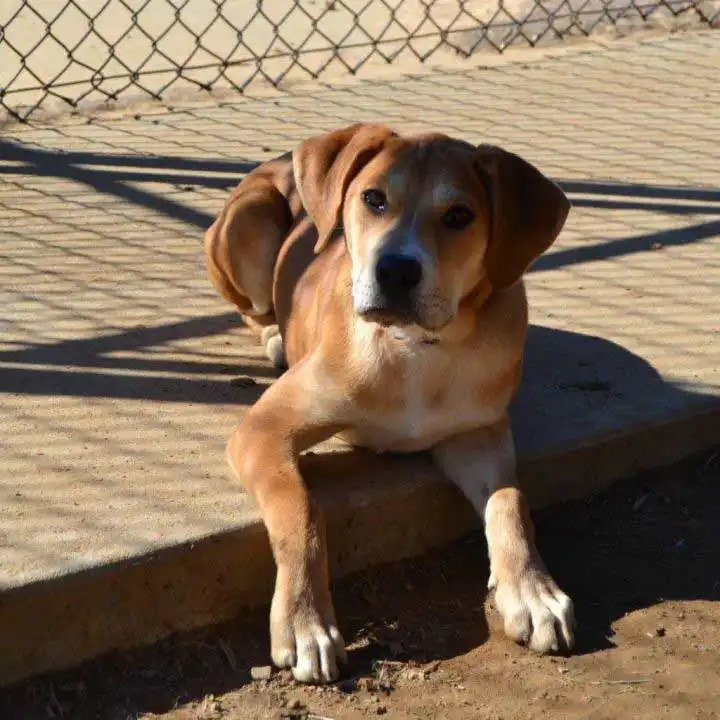
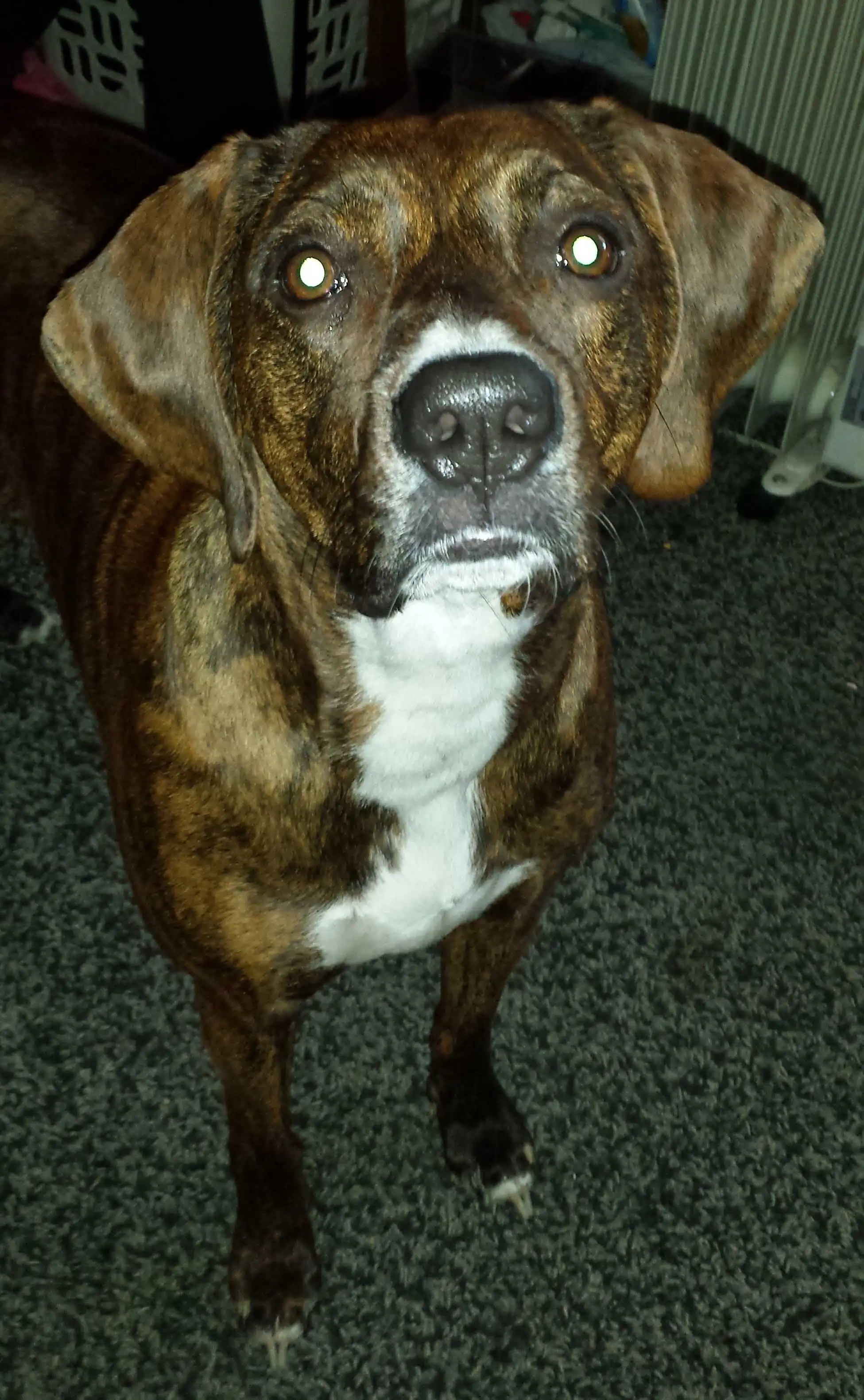
The BT Walker exhibits a range of physical characteristics inherited from its Boxer ancestry, marked by distinct facial features and robust paws. It also carries a graceful elegance reminiscent of the Treeing Walker Coonhound, showcasing a lively and alert personality. When excited, its long tail stands erect, and it is complemented by large, expressive eyes. Both parent breeds are known for their striking looks and athleticism, qualities that the BT Walker also reflects. This breed is classified as medium to large, with loose, floppy ears, a long tail, and a coat that can come in various shades of brown, red, and white. Its short, dense fur is well-adapted to different weather conditions, though it does shed seasonally, which requires regular grooming to maintain.

Care Routine
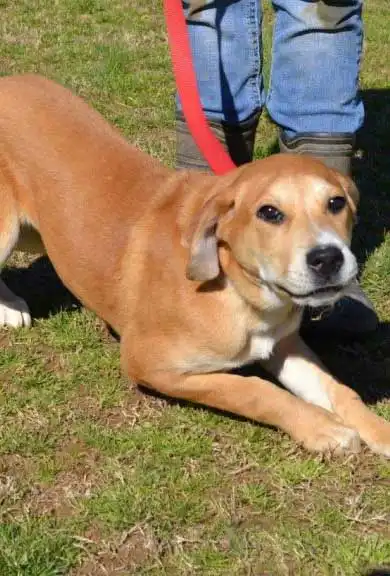
The BT Walker is a breed that requires a moderate level of care. While they don’t necessitate any specialized grooming tools, they do shed quite often. Their short coat is fairly easy to manage, needing just a couple of brushes each week to keep shedding in check. Bathing is typically only required every few months, as these dogs generally do not emit an unpleasant smell. However, if your BT Walker becomes particularly dirty, a bath is recommended. It’s important to thoroughly dry your dog’s ears after they’ve been bathed or have gone swimming, and to conduct regular ear cleanings. The breed’s folded ears can retain moisture, which may lead to infections and irritation. Ensuring proper drying is vital for preventing ear infections. Additionally, don’t forget to trim your dog’s nails every few weeks to maintain their foot health.
Behavior & Temperament
The BT Walker is a dog that showcases a blend of both admirable and challenging traits. He is affectionate, loyal, energetic, friendly, and fiercely protective of his family. On the flip side, he may display territorial tendencies, become overly protective if not adequately socialized, and has a propensity to bark frequently. While these less favorable behaviors can be annoying, they are typically manageable with the right training and early socialization. This breed is generally receptive to training, although he might exhibit some stubbornness; with a patient and firm yet gentle approach, you can help him grasp your expectations. The BT Walker may not be the best option for novice dog owners, as he demands considerable training and ample exercise to curb any destructive tendencies. Due to his barking habits, he is likely to do best in a suburban setting where he won’t disturb too many neighbors. If you’re looking for a dog that will keep you active and join you on hunting excursions, the BT Walker could be an excellent match. Despite their high energy, they can be wonderful family companions, though they may be more suitable for households with older children.


Play & Exercise
The BT Walker is a breed known for its energetic lineage, necessitating significant physical and mental engagement to avoid destructive habits. Activities that channel this energy, such as hiking, biking, and jogging, are ideal. If you have an interest in hunting or tracking, this dog will excel in those areas as well. It's crucial to understand that active and intelligent breeds require more than just physical activity; they also need mental stimulation to remain content. Training sessions can effectively address this need, as can interactive puzzle toys that promote problem-solving during play. By starting training and socialization early, you can develop a well-behaved companion who enjoys family time without excessive barking or overly protective behaviors.
Things to Know
Cups Per Day
3.0 Cups
Daily Activity
120 Minutes
Average Lifespan
14 Years
Origin
Unknown
Type
Crossbreeds
Size
Medium
Origin Country
United States
Brush Frequency
Daily
Coat Texture
Straight
Register
Your kids have been begging for a pet forever, and you've recently decided that it's time for your family to get a new addition -- a dog! While everyone is excited for the new arrival, you're wondering if you need to have a dog license. How much does it cost? Is it required? Where do you get one?
Member Clubs

PETINNATE
Other
Height & Weight
Weight
59 lbs (27 kg)Male: 63 lbs (29 kg) , Female: 55 lbs (25 kg)
Height
24 inches (61 sm)Male: 24 inches (61 sm) , Female: 24 inches (61 sm)
Eye Colors
Brown

Nose Colors
Black
Coat Colors
Brown
Red
White