Box-a-Pug
Poxer
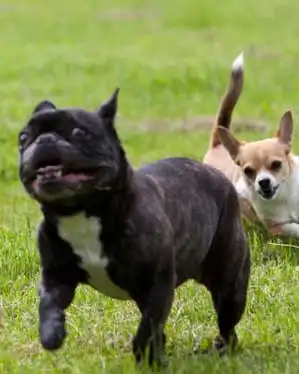
The Box-a-Pug is a hybrid breed that emerges from the crossbreeding of a Boxer and a Pug. Their size can range from small to medium, influenced by the dominant traits of either parent breed. Often called Poxers, these dogs typically feature short coats that may be light brown, black, or brindle. They usually have curly tails, though some may have straight ones. Their muzzles are intermediate in length, being longer than a Pug's but shorter than a Boxer's. Renowned for their intelligence and lively disposition, Box-a-Pugs make wonderful companions and tend to get along well with children. They love to snuggle but can also act as vigilant watchdogs, despite their compact size.

Breed Origin
Pugs are a time-honored breed, initially bred as companion animals and held in high regard by Chinese emperors. It is believed that Buddhist monks kept Pugs as their companions within monasteries. The lineage of today’s Pugs can be traced back to dogs that were brought to Europe from China during the 16th century. A famous Pug named Pompey is credited with saving the life of the Prince of Orange in 1572 by warning him of an assassination plot, which resulted in the breed being designated as the official dog of the House of Orange. Pugs became increasingly popular throughout Europe, and in Italy, they were often seen dressed in matching pantaloons and jackets. In addition to being cherished pets, Pugs also took on roles as military trackers and guard dogs. Queen Victoria had a special affection for Pugs and owned several, while both Marie-Antoinette and Josephine Bonaparte, the wife of Napoleon, were known for their fondness for the breed. The American Kennel Club officially recognized Pugs in 1885, and the Pug Dog Club of America was founded in 1931. In contrast, Boxers originated in Germany, evolving from the German Bullenbeisser, which is related to Mastiffs and Bulldogs. This breed belongs to the Molosser group, all of which can trace their roots back to a large shepherd dog known as the Molossus, which was favored as a war dog by the ancient Romans and Greeks. During World War I, Boxers were employed to deliver messages and served as guard and attack dogs, becoming some of the first breeds used in police work. The American Kennel Club registered its first Boxer in 1904, but it wasn't until the 1940s that the breed started to gain significant popularity. Today, Boxers embody the strength and bravery of their ancestors, while their loyal and affectionate nature has made them cherished family pets, as well as esteemed service and therapy dogs.
Breed Appearance
The Box-a-Pug is a breed that ranges from small to medium in size, depending on which parent breed's genetics are more dominant. Their coat colors can vary widely, featuring hues such as light brown, fawn, silver, black, or brindle, and they usually have short hair. When it comes to their facial characteristics, they have a short muzzle that is longer than that of a Pug but shorter than a Boxer’s. Pugs are recognized for their large, protruding eyes, while Boxers have darker brown eyes that are more deeply set, giving them a vigilant appearance. Furthermore, Pugs typically display an underbite, in contrast to Boxers, which usually have an undershot bite. Most Box-a-Pugs inherit a tail from their Pug ancestry, as Boxers often have their tails docked.

Care Routine
To keep their coat looking its best, Box-a-Pugs should be brushed two to three times weekly. Although they generally don’t shed excessively, consistent brushing helps remove loose hair and dirt. If your Box-a-Pug has wrinkles on its head and forehead, it’s crucial to keep these areas clean and dry to prevent the growth of bacteria and yeast. Additionally, some Boxers may have sensitive skin, which could be passed down to your Box-a-Pug. Regularly check your pet’s eyes and ears for dirt, and clean them gently with damp cotton wool. Remember to trim their nails as necessary, and it’s also recommended to brush your dog’s teeth with a veterinarian-approved canine toothpaste.
Behavior & Temperament
Box-a-Pugs are wonderful companions for families, celebrated for their loving demeanor and desire for interaction. They inherit traits from both of their parent breeds, which are known for their high energy and sociable nature. Boxers, in particular, are alert and intelligent, full of enthusiasm and a playful spirit, making them excellent family pets. They are also effective watchdogs, often displaying a protective instinct towards their families. While they may show a bit of exuberance during their puppy years, this playful disposition tends to remain throughout their lives. These dogs typically get along well with children and other pets, including cats, and their lively personalities are characterized by curiosity and energy. Early training is recommended, as they respond positively to direction. Pugs, despite their small size, are equally energetic and boast vibrant personalities. They are affectionate towards children and thrive on attention, though they can be a bit stubborn; with patience, they can be trained effectively.


Play & Exercise
The Box-a-Pug is a lively and spirited breed that, like all dogs, needs regular physical activity to stay healthy. The amount of exercise required can differ based on which parent breed your dog takes after more. Pugs are generally more relaxed and need less exercise, whereas Boxers are characterized by their high energy and demand for ample playtime; without sufficient activity, they may resort to destructive behaviors. Thankfully, both parent breeds adapt well to living in apartments, and a Box-a-Pug can flourish in such settings as long as they have a steady exercise regimen to keep them fit, mentally stimulated, and well-behaved. Additionally, it's crucial to remember that neither breed handles extreme temperatures well, so it's important to protect your pet from excessive heat or cold.
Things to Know
Cups Per Day
3.0 Cups
Daily Activity
40 Minutes
Average Lifespan
13 Years
Origin
2000s
Type
Crossbreeds
Size
Small
Origin Country
United States
Brush Frequency
Weekly
Coat Texture
Straight
Register
Your kids have been begging for a pet forever, and you've recently decided that it's time for your family to get a new addition -- a dog! While everyone is excited for the new arrival, you're wondering if you need to have a dog license. How much does it cost? Is it required? Where do you get one?
Member Clubs

PETINNATE
Other
Height & Weight
Weight
23 lbs (10 kg)Male: 23 lbs (10 kg) , Female: 23 lbs (10 kg)
Height
18 inches (46 sm)Male: 18 inches (46 sm) , Female: 17 inches (43 sm)
Eye Colors
Brown

Nose Colors
Black
Coat Colors
Brown
Fawn
Silver

Black

Brindle