Boxmas
Boxmass
The Boxmas, a hybrid breed resulting from the combination of a Boxer and a Mastiff, is known for its affectionate nature, loyalty, and strong devotion to its family. If not trained properly from a young age, this breed can develop a strong attachment to one particular owner. Typically calm and not prone to excessive barking, the Boxmas is a well-mannered companion. Although its origins are not thoroughly documented, this breed has gained recognition in Europe in recent years. With a sharp awareness of its surroundings, the Boxmas is skilled at monitoring its environment and effectively guarding against potential threats. While it may seem intimidating at first, its endearing personality is likely to win you over. The breed boasts a short, dense coat that is water-resistant, making grooming easy, provided it receives regular exercise and energetic playtime.

Breed Origin
The Boxmas, a hybrid breed, has a somewhat unclear history owing to its mixed ancestry. Its parent breeds, the Boxer and the Mastiff, both originate from Europe. While the precise year of the Boxmas's inception is unknown, it is generally believed to have also emerged on the continent. Breeds like the Boxmas were often developed to mitigate the risk of genetic disorders and to foster healthier canine companions. There are differing narratives about the development of the Boxer. Some accounts suggest that it was bred in Germany to retain characteristics from its forebears, the Dogue de Bordeaux and an ancient Tibetan fighting dog. Over time, efforts were made to enhance the Boxer’s appearance, aiming for a more aesthetically pleasing dog. Other research indicates that the breed may have been shaped by now-extinct breeds such as the Danziger Bullenbaiser and the Brabenter Bullenbaiser in Central Europe. In the 1830s, German hunters crossbred these dogs to create a new breed recognized for its strength and agility. By 1895, the Boxer received official recognition and gained popularity among military and police units throughout the 20th century. It was registered with the American Kennel Club in 1904 and won the Best in Show title in 1940. The Mastiff, the other parent of the Boxmas, has historical roots that trace back to the 6th century B.C. This breed was particularly favored during Roman times, often serving as a gladiator in arenas due to its formidable size, which made it ideal for guarding, surveillance, and search-and-rescue tasks. A notable Mastiff, Sir Piers Legh, famously protected the battlefield at Agincourt. Imported to America in the 1800s, the Mastiff faced near extinction in Europe during World War II. While its ancestors were primarily trained for protection, today’s Mastiff is valued as a devoted companion, eager to please its family.
Breed Appearance
The Boxmas is a striking breed that may appear intimidating to those who are not aware of its gentle disposition. This large dog features a strong and muscular build, with long legs and large paws. Its ears are medium in length, reminiscent of the Mastiff's characteristics. Owners can choose to keep the tail natural or opt for cropping. The Boxmas has a short, thick coat that is resistant to water, showcasing a variety of colors including white, brown, and black. Once fully grown, this impressive dog usually weighs between 70 and 100 pounds. While the breed's appearance can vary depending on which traits are more dominant, it generally resembles the Mastiff quite closely.


Care Routine
The Boxmas is not classified as a hypoallergenic breed and is known to shed significantly. If you have allergies, this breed may not be the best fit for you. To control shedding, it’s crucial to brush your dog daily to eliminate dead hair and keep your home fur-free. A rubber curry brush is ideal for this purpose, though a de-shedding tool can also be beneficial from time to time. This lively breed has a moderate scent, which can be managed by bathing every six to eight weeks; however, frequent bathing may lead to increased oil production in the skin. Regular ear cleaning is necessary on a weekly basis, and daily tooth brushing is recommended to prevent tartar accumulation. Additionally, nails should be trimmed every two to three weeks to prevent overgrowth and ensure your dog's comfort.
Behavior & Temperament
Like many hybrid breeds, the temperament of a Boxmas can vary widely depending on the dominant traits it inherits. It might embody the energetic nature of a Boxer or display a more gentle personality. This friendly dog is known for its joyful, sincere, loyal, protective, and affectionate qualities, making it a wonderful companion. To help your Boxmas feel at ease around young children, early training is crucial. It's also important to avoid allowing your dog to form an overly strong attachment to just one family member; promoting early socialization and interaction with all household members can help prevent this issue. Furthermore, your dog needs to learn to distinguish between a friendly stranger and a potential threat. Once it understands this difference, it can share its affection more broadly. Positive reinforcement is essential in training a Boxmas. Consistency in commands and rewarding good behavior with treats are key. This breed is recognized for its intelligence and eagerness to engage with its family, and it generally possesses a high energy level.


Play & Exercise
The Boxmas thrives on high levels of stimulation to remain engaged and avoid boredom. This breed is characterized by its energetic disposition and demands vigorous outdoor play. Initially bred for roles such as guard dog, watchdog, and for military or police duties, the Boxmas requires regular activity to meet its mental and physical needs. Activities like running, tug-of-war, fetching, obedience training, and long walks—ideally amounting to at least an hour each day—are essential for keeping this breed content and healthy. Due to its large size, living in an apartment is not recommended. Instead, a spacious home in a rural setting with a large yard is the ideal environment, especially in warmer climates.
Things to Know
Cups Per Day
4.0 Cups
Daily Activity
60 Minutes
Average Lifespan
10 Years
Origin
Unknown
Type
Crossbreeds
Size
Large
Origin Country
Europe
Brush Frequency
Daily
Coat Texture
Straight
Ancestors
Boxer
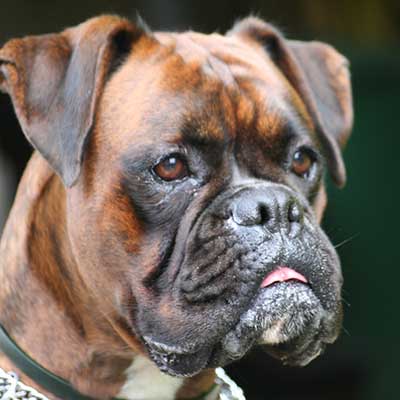
The Boxer breed traces its roots back to Germany in the early 19th century, where it was originally developed for use as a bait and fighting dog, as well as a loyal guardian. Its strong, muscular, and agile build made it ideal for these roles until the prohibition of bull baiting and dog fighting. Since then, the Boxer has gained immense popularity around the globe, renowned for its loyalty, playful nature, and high energy, which make it an excellent family pet. Furthermore, Boxers are recognized for their self-grooming tendencies, resulting in relatively low grooming needs. However, it is crucial to provide them with sufficient mental and physical stimulation; without it, they may exhibit undesirable behaviors.
Read more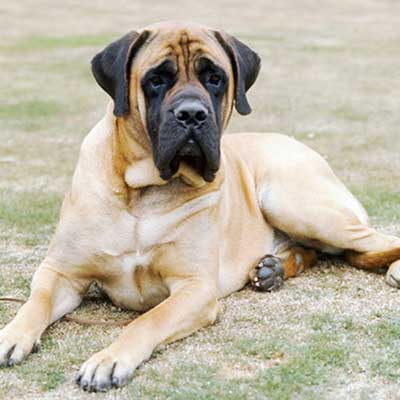
Mastiff
The Mastiff is acknowledged as the largest dog breed. Although breeds such as Wolfhounds and Great Danes may surpass it in height, the Mastiff is distinguished by its remarkable musculature, sturdy physique, and significant bone structure. This breed has its origins in the ancient Molosser lineage, which eventually migrated to the British Isles. Over time, the Mastiff thrived in England, initially serving as a guardian and later becoming involved in the cruel practices of bull and bear baiting. The 19th century marked the decline of these inhumane activities, prompting a selective breeding program that transformed this once fierce breed into a gentle giant. Today, the Mastiff retains its status as one of the largest breeds, continuing its tradition as a loyal protector of its family.
Read moreRegister
Your kids have been begging for a pet forever, and you've recently decided that it's time for your family to get a new addition -- a dog! While everyone is excited for the new arrival, you're wondering if you need to have a dog license. How much does it cost? Is it required? Where do you get one?
Member Clubs

PETINNATE
Other
Height & Weight
Weight
85 lbs (39 kg)Male: 85 lbs (39 kg) , Female: 85 lbs (39 kg)
Height
30 inches (76 sm)Male: 30 inches (76 sm) , Female: 30 inches (76 sm)
Eye Colors
Brown

Nose Colors
Black
Coat Colors
White
Brown
Black

Brindle