Boxollie
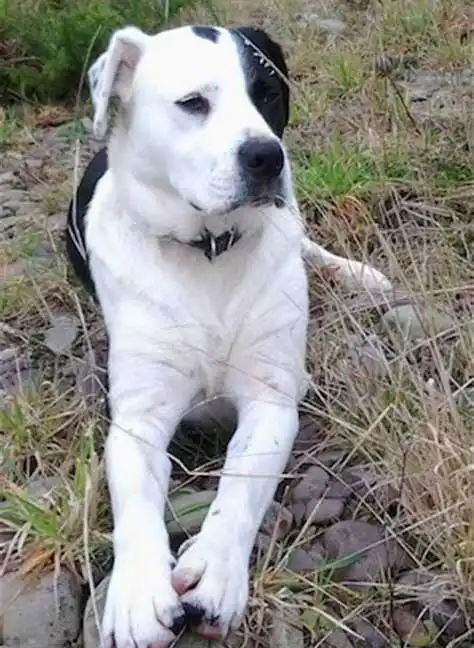
The Boxollie, a lively and affectionate breed, is cherished for its deep bond with family. This hybrid dog results from crossing a Boxer with a Border Collie. Although the precise origins and date of its development are not well-documented, it is thought that the Boxollie emerged in Europe during the era of hybrid breeds. Renowned for its keen awareness and courage, this spirited dog is perpetually curious and active. With a combination of loyalty and intelligence, the Boxollie thrives in various pursuits, such as agility, competitive obedience, herding, and even roles in law enforcement. Its coat typically ranges from short to medium length and is available in several colors, including brown, white, and black. Keeping a Boxollie fit is quite manageable, requiring just regular grooming and daily exercise.
Breed Origin
The exact origins of the Boxollie remain largely ambiguous and inadequately documented. It is thought that this hybrid breed was developed to mitigate prevalent health concerns associated with its parent breeds, the Boxer and the Border Collie. The Boxer is believed to have descended from the German Bullenbeiser, a breed originally intended for hunting, where it would capture and hold prey until hunters arrived. Over time, Bullenbeissers were also employed for guarding and herding livestock on farms. The contemporary Boxer was refined in the late 19th century, thanks to significant contributions from three Germans—Roberth, Konig, and Hopner—in 1894. The American Kennel Club registered the first Boxer in 1904, and by 1915, it recognized the first Boxer champion, Sieger Dampf Von Dom. After World War I, Boxers were utilized in the military as messenger dogs, carrying supplies and serving as sentinels. The breed surged in popularity in the United States during the 1940s, as returning soldiers brought them home. In contrast, the history of the Border Collie is less thoroughly documented. There is evidence that the breed was illustrated in wood carvings by Thomas Beckwith prior to the 1800s. The first recorded sheepdog trial occurred in 1873, where a dog named Hemp made a notable impression and is often considered the ancestor of the Border Collie. Initially, this breed was used for gentle sheep herding. In 1860, the Birmingham Dog Society held classes for “Scotch Sheep Dogs,” during which Queen Victoria is said to have developed an affection for the breed. The first breed standard was established in 1906, and in 1915, the name “Border Collie” was officially adopted, replacing the term “sheepdogs.” The American Kennel Club recognized the Border Collie in 1995. This adaptable breed is sometimes trained as a guide dog for the visually impaired and is renowned for its remarkable agility. However, the Boxollie is not recognized by the AKC due to its hybrid status.
Breed Appearance
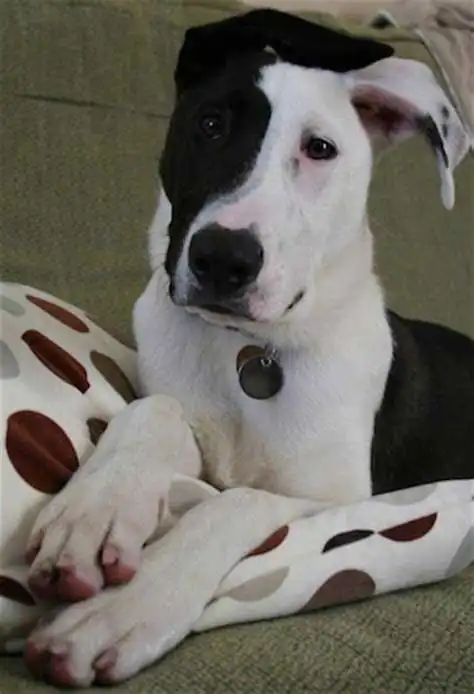
Hybrid breeds often exhibit a diverse array of physical characteristics, even among siblings from the same litter. The Boxollie, for instance, usually inherits visual features from the Boxer. Its coat, which can vary from short to medium in length, is specifically designed to repel water. Color options include various shades of black, white, and brown. Depending on the dominant genetic traits, a Boxollie can have a build that ranges from medium to large. This athletic breed exudes intelligence, characterized by a sharp expression. Its posture showcases a muscular physique, and its body is well-balanced. Typically, the Boxollie's tail remains in its natural form. The breed generally weighs between 45 and 80 pounds and stands at a height of 18 to 25 inches.

Care Routine
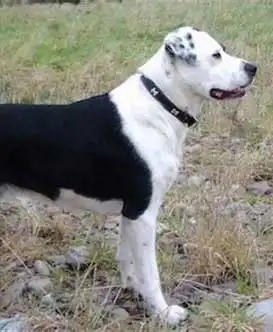
The Boxollie is not classified as a hypoallergenic breed and experiences a moderate level of shedding in comparison to other dog breeds. For those with short coats, it is advisable to groom daily using a rubber curry brush. If the coat is of medium length, a firm bristle brush paired with a comb is best for detangling and keeping the coat tidy. In cases where the dog has feathering on its legs, light trimming by a professional groomer is recommended. This breed typically does not drool or produce strong odors, making frequent baths unnecessary. Nonetheless, regular maintenance of the ears, nails, and teeth is crucial. Ears should be checked weekly for dirt and wax accumulation, while daily brushing may be needed for the teeth. Generally, nails should be trimmed every two weeks, unless they naturally wear down, in which case trimming once a month may suffice.
Behavior & Temperament
The Boxollie possesses a balanced energy level and needs regular exercise to keep its weight in check and to stimulate its mind. While this breed enjoys being active, it also values downtime spent with its owners. Boxollies flourish in social settings and delight in playful interactions. Early training is crucial to help them feel at ease around friendly strangers and other pets. Due to their history as a hunting breed, they may exhibit some wariness towards other dogs and small animals. Nevertheless, this lively breed is very fond of children and enjoys their presence, as long as clear boundaries are established. Employing positive reinforcement techniques is recommended, as they respond effectively to consistent commands. Thanks to their sharp intellect, Boxollies pick up new skills quickly, which reduces the need for repetitive training sessions.


Play & Exercise
The Boxollie has a moderate energy level when compared to other dog breeds. To fulfill their exercise requirements, it is recommended that they engage in daily activities lasting between 30 to 40 minutes. Your dog may enjoy a variety of pursuits, including walking, running, and playing fetch. While they can adapt to apartment living, it is crucial for them to have access to outdoor areas for walks or a secure, fenced yard to explore. Ideally, a Boxollie thrives in a moderately sized rural home with a fenced yard in a warm climate. Nevertheless, they can also do well in urban environments, as long as they receive adequate exercise. This breed, however, does not adapt well to colder climates.
Things to Know
Cups Per Day
3.0 Cups
Daily Activity
40 Minutes
Average Lifespan
14 Years
Origin
Unknown
Type
Crossbreeds
Size
Large
Origin Country
Unknown
Brush Frequency
Daily
Coat Texture
Straight
Register
Your kids have been begging for a pet forever, and you've recently decided that it's time for your family to get a new addition -- a dog! While everyone is excited for the new arrival, you're wondering if you need to have a dog license. How much does it cost? Is it required? Where do you get one?
Member Clubs

PETINNATE
Other
Height & Weight
Weight
64 lbs (29 kg)Male: 70 lbs (32 kg) , Female: 58 lbs (26 kg)
Height
22 inches (56 sm)Male: 23 inches (58 sm) , Female: 21 inches (53 sm)
Eye Colors
Brown

Nose Colors
Black
Coat Colors
Black
White
Brown