Dogue Brasileiro
Brazilian Dogo, Box Terrier, Bull Boxer Terrier, Dogo Brazil, Bullboxer, American Bull Boxer
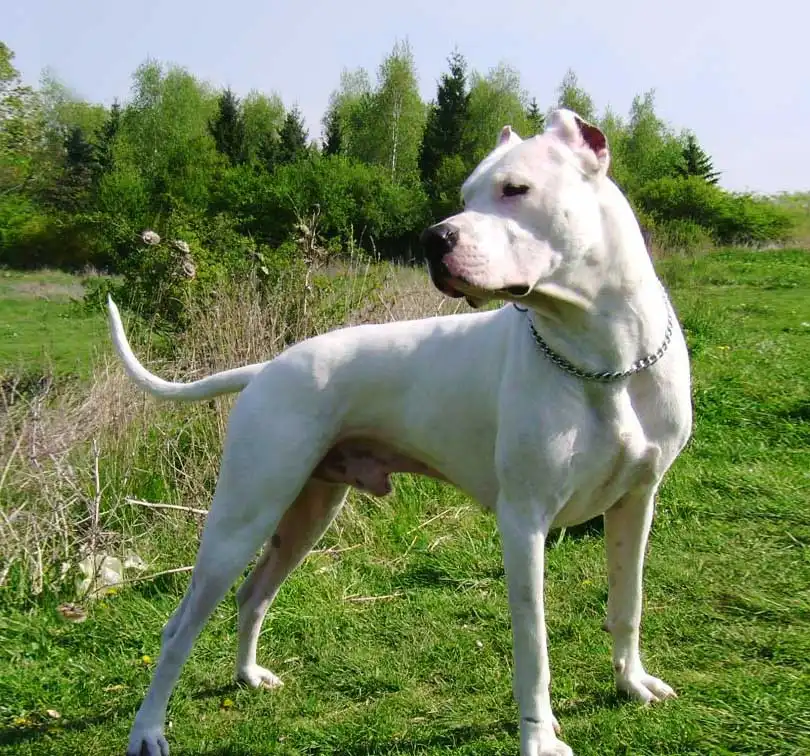
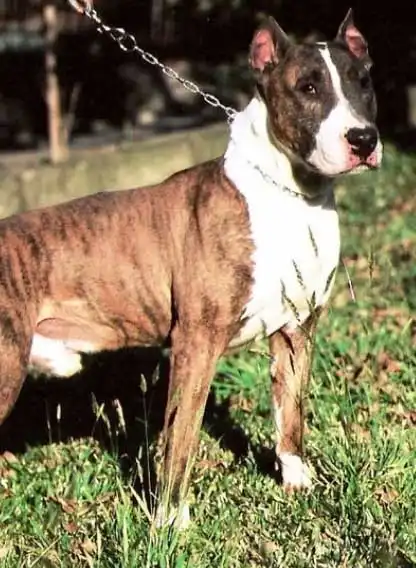
The Dogue Brasileiro is a loyal and courageous hybrid breed, born from the union of a Bull Terrier and a Boxer. This large dog serves excellently as both a family pet and a vigilant protector. Renowned for their affectionate nature towards children, they can also live peacefully with other animals if they are socialized properly from an early age. Generally, the Dogue Brasileiro reaches a height of about 22 inches and weighs around 80 pounds. Their coat is thick and shiny, available in a range of colors such as brown, black, brindle, tan, or red, often adorned with white markings on the chest, face, tail, and paws. Due to their intelligence and desire to please, they are relatively straightforward to train, making them easier to manage compared to many other breeds.

Breed Origin
The Boxer breed was first recognized in Germany during the 1800s, where it fulfilled various roles, including that of a guard dog, and was involved in bull-baiting and dog fighting until these practices were banned. There are several theories about the Boxer’s ancestry; some propose it may have descended from the Dogue de Bordeaux or have ties to the Tibetan Mastiff from the 16th century. Nonetheless, there is a general agreement that the Boxer is related to the Bulldog and the ancient Roman breed known as the Molossus. Furthermore, 16th-century tapestries illustrate the Boxer as a skilled hunter of both stag and boar. Regardless of the specific lineage one believes in, it is widely acknowledged that the Boxer originated from a mix of the Danziger and Brabanter Bullenbeisser, along with Mastiffs and Bulldogs. By the early 1900s, the Boxer had gained traction as a show dog and a family companion, becoming one of the first breeds employed in police and military roles. The American Kennel Club officially recognized the breed in 1904, and it achieved its first championship title in 1915, currently ranking as the 10th most popular breed in the United States. In contrast, the Bull Terrier emerged in England in the 1800s, initially bred for dog fighting. After this sport was banned, they adapted to roles in herding, hunting vermin, and serving as guard dogs. This breed is a hybrid of the Bulldog and the now-extinct Old English Terrier. At one point, Bull Terriers were also crossed with white English Terriers, white Bulldogs, and Dalmatians to produce a white variant, which became popular as a companion for men, earning the moniker "White Cavalier" as they accompanied the English gentry in their carriages. The breed is particularly noted for its unique large, football-shaped head. The American Kennel Club recognized the Bull Terrier in 1885, and it currently holds the 57th position in popularity among breeds in the country.
Breed Appearance
The Dogue Brasileiro is a strong and muscular breed known for its athletic build and balanced proportions. Its coat is short, silky, dense, and durable, coming in a wide range of colors, though it commonly showcases shades like black, brindle, tan, brown, white, red, or various combinations of these. Many individuals in this breed exhibit white markings on their chest, face, feet, ears, and tail. Weighing between 51 and 95 pounds, they typically stand about 20 to 24 inches tall. This breed is easily recognized by its large head, broad jaw, floppy ears, sturdy legs, and a medium-length tail, which may sometimes be docked.

Care Routine
Their coat is low-maintenance since they primarily manage their own grooming. A gentle brushing with a soft bristle brush a few times a week is enough to reduce shedding and enhance circulation for healthier skin. Only bathe them when absolutely necessary, as frequent washing can cause dry skin. It's essential to clean their ears weekly using a cotton ball, while also looking for any signs of redness, mites, or excessive wax buildup. Furthermore, trim their nails as required. It’s also recommended to brush their teeth a few times a week with a soft toothbrush and toothpaste formulated for dogs.
Behavior & Temperament
This breed typically exhibits a friendly disposition towards children and other pets; however, early socialization is crucial for them to feel at ease around young kids and cats. As impressive guard dogs, they are dedicated to safeguarding your home and yard from intruders, so it’s wise to post a "Beware of Dog" sign as a precautionary measure. Despite their protective nature, the Dogue Brasileiro is recognized for its gentle temperament with those who treat them kindly, displaying aggression only when necessary. Furthermore, they are eager learners and highly motivated to please, which simplifies the training process.


Play & Exercise
This breed needs a balanced amount of daily exercise—ideally between 45 to 60 minutes—to stave off boredom and anxiety. Insufficient physical activity can lead to lethargy and weight gain, which may result in negative behaviors like chewing furniture or barking excessively. Your Dogue Brasileiro will likely thrive in a range of activities, such as hunting, swimming, hiking, or enjoying a leisurely walk or jog around the neighborhood. Local dog parks and games of fetch are excellent choices as well. Furthermore, this breed is particularly adept at flyball and is a strong candidate for agility and obedience training competitions.
Things to Know
Cups Per Day
3.0 Cups
Daily Activity
60 Minutes
Average Lifespan
12 Years
Origin
1980s
Type
Crossbreeds
Size
Large
Origin Country
Brazil
Brush Frequency
Weekly
Coat Texture
Straight
Register
Your kids have been begging for a pet forever, and you've recently decided that it's time for your family to get a new addition -- a dog! While everyone is excited for the new arrival, you're wondering if you need to have a dog license. How much does it cost? Is it required? Where do you get one?
Member Clubs

PETINNATE
Other
Height & Weight
Weight
74 lbs (34 kg)Male: 80 lbs (36 kg) , Female: 69 lbs (31 kg)
Height
22 inches (56 sm)Male: 23 inches (58 sm) , Female: 22 inches (56 sm)
Eye Colors
Brown

Nose Colors
Black
Coat Colors
Black

Brindle
Brown
White
Red