
Boxerdoodle
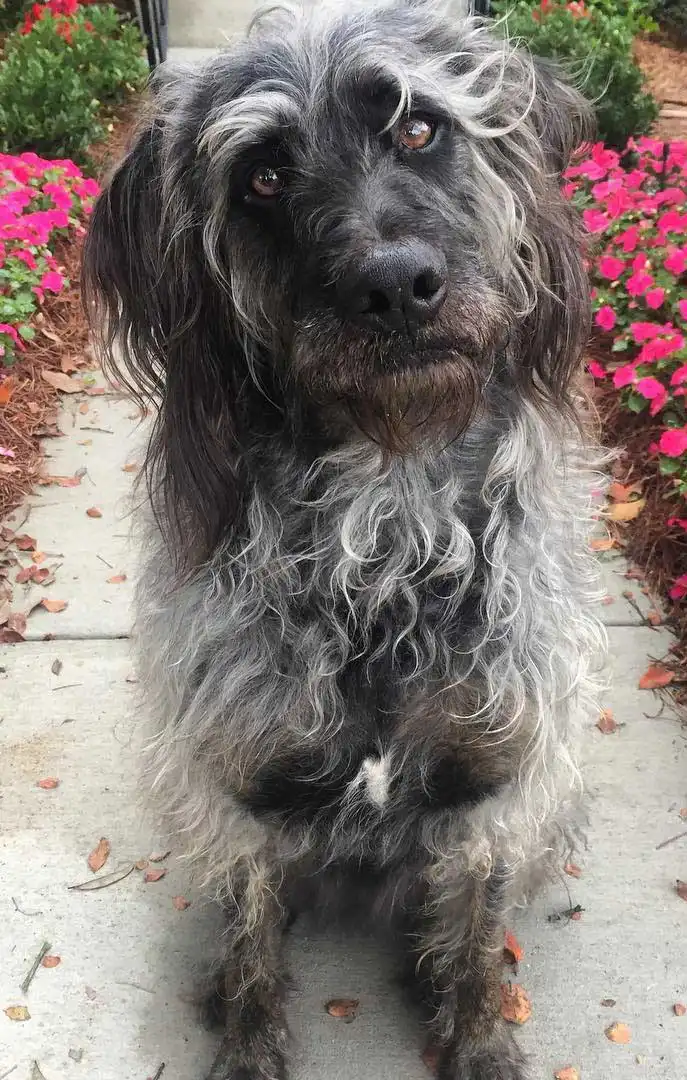
The Boxerdoodle is a cherished hybrid breed celebrated for its intelligence, friendly demeanor, and family-friendly qualities. The size of a Boxerdoodle can vary widely, depending on whether its Poodle parent is a toy, miniature, or standard type, resulting in dogs that range from small to large. Generally, these amiable canines stand between 10 and 25 inches tall and weigh between 12 and 70 pounds. Their coats are dense and can feature either curly or wavy textures, primarily in dark brown, but they can also come in white, tan, and black hues. While Boxerdoodles can comfortably adapt to both indoor and outdoor settings, they tend to flourish in indoor environments, especially the miniature and toy versions.
Breed Origin
The Boxer breed has its roots in ancient fighting dogs from the high valleys of Tibet and is thought to be related to nearly all varieties of Bulldogs. It also has ties to the Dogue de Bordeaux from France and the Tibetan Mastiff. According to some sources, in the 1830s, German hunters sought to develop a new breed by crossing Bulldogs, Mastiffs, and Bullenbeissers. Initially, Boxers were employed for hunting large game such as deer, boar, and bears, and they were also involved in bull-baiting and dog fighting until these activities were banned. However, contemporary Boxers have moved away from the aggression of their forebears. Today, the Boxer is the 10th most popular dog breed in the United States and received official recognition from the American Kennel Club (AKC) in 1904. In contrast, the Poodle's origins trace back to 16th-century France, where it became one of the most well-known dog breeds worldwide. Poodles are available in three sizes: standard, miniature, and toy. Initially bred as water retrievers, their name comes from the German word "pfudel," which means puddle. Poodles are skilled at duck hunting and have also been utilized as circus performers, service animals, guard dogs, and guide dogs. When hunting, their coats are often trimmed to facilitate swimming, leaving tufts of hair at the knees and tail for extra protection, although many consider these puffs to be more decorative than practical. Currently, the Poodle ranks as the 7th most popular breed in the United States and was registered with the AKC in 1887.
Breed Appearance
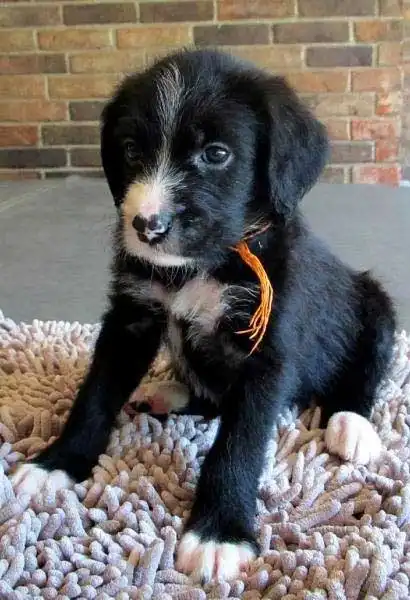
The Boxerdoodle is a mixed breed that results from crossing a Poodle with a Boxer, and its size can vary widely due to the Poodle's three size categories: toy, miniature, and standard. Consequently, Boxerdoodles can range from small to large in stature. Their coats often exhibit curls or waves and may be either long or short. In terms of physical appearance, they have a robust, boxy frame, featuring muscular bodies, floppy ears, a long tail, and a short muzzle that resembles that of the Boxer. While Boxerdoodles can be found in various colors, they are predominantly seen in dark brown or chestnut hues. With their small feet and elongated legs, they are agile runners and skilled swimmers, which likely enhances their appeal as hunting partners, especially in duck hunting scenarios.

Care Routine
The Boxerdoodle, celebrated for its plush coat, demands regular grooming with a wire brush and comb every other day. Many pet owners choose to utilize professional grooming services every three to six months to keep their dog's coat in optimal condition, as neglecting this routine can result in matting. It's also essential to regularly check and clean their eyes and ears on a weekly basis. Nail trimming can be performed at home as needed or during grooming sessions. If not bathed frequently, Boxerdoodles may develop an unpleasant smell; however, it's important to avoid excessive bathing, as this can remove the vital oils that keep their skin and fur healthy. Additionally, brushing your Boxerdoodle’s teeth once or twice a week is advisable to help prevent dental problems.
Behavior & Temperament
The Poodle heritage in your Boxerdoodle contributes a gentle disposition, which requires a careful approach to training. While positive reinforcement is the most effective strategy, it's vital to avoid being too lenient, as this may encourage your dog to take advantage of your generosity. Boxerdoodles can sometimes display a stubborn attitude, making it important to establish clear leadership. They typically thrive in the presence of children, particularly older ones. Early socialization is key to helping them adjust well to other animals. Renowned for their playful spirit, these dogs are full of entertaining behaviors that are bound to bring happiness and laughter into your home.


Play & Exercise
The Boxerdoodle thrives on activity but also appreciates the comfort of lounging at home with you. However, to keep your Boxerdoodle healthy and happy, it's essential to provide at least 45 minutes to an hour of vigorous exercise daily. This breed particularly enjoys swimming and hunting, making these activities great choices. Other effective ways to keep them active include walking, jogging, visiting dog parks, playing fetch, and participating in agility training. Without enough exercise, your Boxerdoodle may develop behavioral problems or become restless from boredom, so it's wise to establish a regular exercise routine to prevent these issues.
Things to Know
Cups Per Day
0.0 Cups
Daily Activity
0 Minutes
Average Lifespan
12 Years
Origin
2009
Type
Crossbreeds
Size
Not Set
Origin Country
United States
Brush Frequency
Daily
Coat Texture
Straight
Ancestors
Boxer
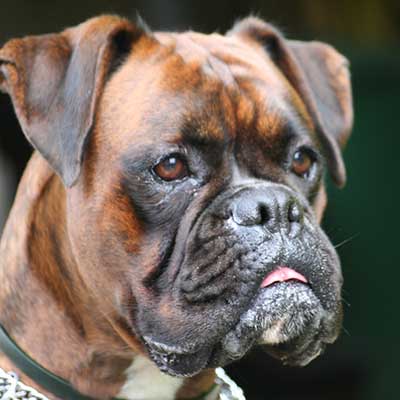
The Boxer breed traces its roots back to Germany in the early 19th century, where it was originally developed for use as a bait and fighting dog, as well as a loyal guardian. Its strong, muscular, and agile build made it ideal for these roles until the prohibition of bull baiting and dog fighting. Since then, the Boxer has gained immense popularity around the globe, renowned for its loyalty, playful nature, and high energy, which make it an excellent family pet. Furthermore, Boxers are recognized for their self-grooming tendencies, resulting in relatively low grooming needs. However, it is crucial to provide them with sufficient mental and physical stimulation; without it, they may exhibit undesirable behaviors.
Read more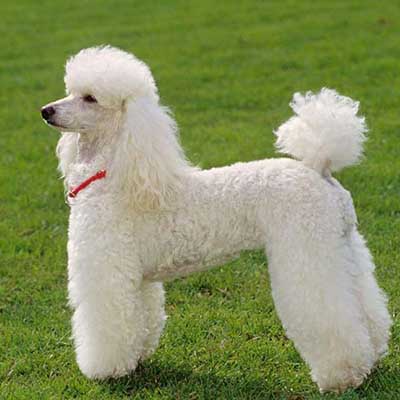
Poodle
Poodles, one of the most ancient dog breeds, are celebrated for their remarkable intelligence and ease of training, which makes them a popular choice among dog enthusiasts. They generally interact well with children and other pets, especially if they are socialized early on. Currently, Poodles are available in several sizes, including Toy, Miniature, and Standard. Each Poodle boasts a dense, curly coat that can range in texture from coarse to wiry and comes in nearly every color imaginable. Although they have charming personalities, they do require significant grooming and are susceptible to various serious health concerns. However, their loving and loyal disposition makes the extra care and attention well worth it!
Read moreRegister
Your kids have been begging for a pet forever, and you've recently decided that it's time for your family to get a new addition -- a dog! While everyone is excited for the new arrival, you're wondering if you need to have a dog license. How much does it cost? Is it required? Where do you get one?
Member Clubs

PETINNATE
Other
Height & Weight
Weight
39 lbs (18 kg)Male: 43 lbs (20 kg) , Female: 36 lbs (16 kg)
Height
18 inches (46 sm)Male: 19 inches (48 sm) , Female: 17 inches (43 sm)