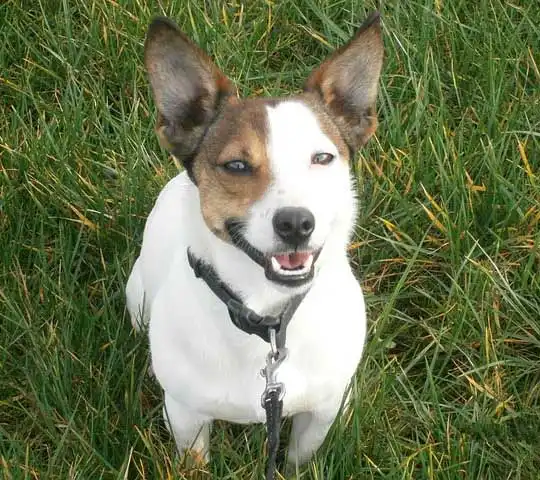
Husky Jack
The Husky Jack is an energetic hybrid breed created by crossing a Siberian Husky with a Jack Russell Terrier. Renowned for their spirited personalities, these dogs exhibit traits of boldness, loyalty, and affection. Generally, they are medium-sized, weighing between 30 and 40 pounds and standing 17 to 19 inches tall, with a lifespan of approximately 11 to 16 years. Their coats are short and smooth, showcasing a variety of colors, including white, black, gray, red, sable, and agouti, often highlighted by markings in shades of black, brown, tan, cream, or even tri-color combinations. While the Husky Jack has become increasingly popular since the late 20th century, it is not officially recognized as a breed by the American Kennel Club (AKC) due to its ongoing development and lack of standardization.
Breed Origin
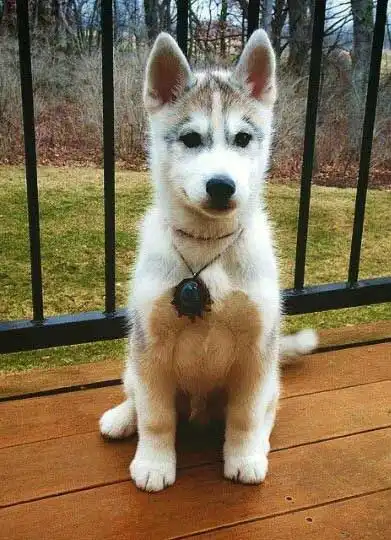
The Husky Jack gets its name from its parent breeds: the Siberian Husky and the Jack Russell Terrier. Siberian Huskies have a rich history as sled dogs in the Arctic, where they provided companionship and support to the Chukchi people for centuries. Their reputation soared in the early 1900s when they played a crucial role in delivering serum during a diphtheria outbreak, earning them heroic status. These hardy dogs later became part of the United States Army's search and rescue operations and were officially recognized by the American Kennel Club (AKC) in 1930. Today, the Siberian Husky is celebrated as one of the most cherished breeds from the Arctic. Conversely, the Jack Russell Terrier, initially known as the "Fox Terrier," has a varied genetic lineage. This breed was created in England in the mid to late 1800s from a mix of small working dogs, primarily for hunting. It made its way to the United States in the 1930s, coinciding with a surge in immigration. During this time, differing breeding practices between American and English breeders led to the development of two distinct types: the "English" version, which has longer legs and was renamed the "Parson Jack Russell Terrier," and the "American" version. Despite these differences, Jack Russell Terriers gained considerable popularity in North America during the mid-1900s, with their fame peaking in the 1990s, partly due to their appearances in popular TV shows like "Frasier" and "Wishbone." The Husky Jack, a blend of the Siberian Husky and the Jack Russell Terrier, is a relatively new breed without a specific date of origin. However, it is believed that this hybrid has been cultivated over several decades and is loved for its lively and spirited nature.
Breed Appearance
Husky Jacks are visually striking dogs known for their unique appearance. They are medium-sized, with a muscular physique and ears that can be either upright or semi-upright. Typically, their height ranges from 17 to 19 inches, and they weigh between 30 and 40 pounds. Their necks are elegantly arched, and they exhibit a sturdy stance reminiscent of a Jack Russell Terrier. These dogs have powerful forequarters and hindquarters, complemented by oval, padded feet akin to those of a Siberian Husky. Their coats are usually short and sleek, featuring a soft undercoat, and they come in a wide array of colors, including both solid and multi-colored variations such as white, black, gray, red, sable, and agouti, often highlighted with markings in black, brown, tan, cream, or tri-color. Husky Jacks are distinguished by their almond-shaped eyes, which can be either brown or blue, and they frequently display a friendly, playful demeanor. Overall, these dogs exude energy, characterized by their lively and bouncy movements.

Care Routine
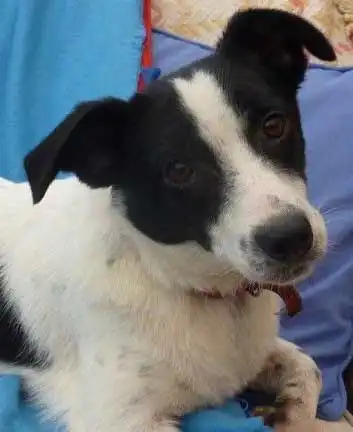
Husky Jacks are not classified as hypoallergenic, which makes them a poor choice for those with allergies. Their coats are short and sleek, requiring little grooming. However, this breed does experience considerable shedding, especially during seasonal changes, with shedding occurring twice a year. To effectively manage this shedding and keep their coat healthy and glossy, it is advisable to brush them weekly. Additionally, they should receive a bath once a month, and regular ear inspections are important to prevent wax buildup. It is also crucial to trim or file their nails once or twice a month to prevent painful overgrowth or splitting. Like all dog breeds, daily brushing of their teeth is vital for ensuring good dental health.
Behavior & Temperament
Husky Jacks are vibrant and spirited dogs that thrive on both physical activity and social engagement. While they generally get along well with other dogs, they may occasionally exhibit dominant tendencies in group situations, so it's essential to supervise their interactions with new canine friends. On the bright side, these dogs value their independence and can keep themselves entertained, whether through solo play or with their favorite chew toys. Renowned for their cleverness and playful antics, Husky Jacks can be a bit headstrong, which might pose challenges during training compared to other breeds. However, starting obedience training and socialization early can help address these tendencies. It's important to consider that their bold personalities may not make them the best fit for first-time dog owners, families with young children, or homes with cats. Nonetheless, these lively dogs are incredibly loving and devoted to their families, always ready to give and receive affection.


Play & Exercise
Husky Jacks are known for their above-average energy levels and require plenty of exercise to stay healthy and happy. They thrive on activities like long runs, hikes, and walks, needing anywhere from 45 to 90 minutes of physical activity each day. A trip to the dog park is often a highlight for them. Ideally, these dogs flourish in rural or suburban environments where they have access to a yard. However, their medium size allows them to adapt to urban or apartment living, as long as they get enough outdoor time. Husky Jacks love toys and can entertain themselves for long stretches if they have something to chew on. Still, it’s important to remember that spending quality time with their family is a vital part of their daily life.
Things to Know
Cups Per Day
3.0 Cups
Daily Activity
90 Minutes
Average Lifespan
14 Years
Origin
1990s
Type
Crossbreeds
Size
Medium
Origin Country
United States
Brush Frequency
Weekly
Coat Texture
Straight
Ancestors
Siberian Husky
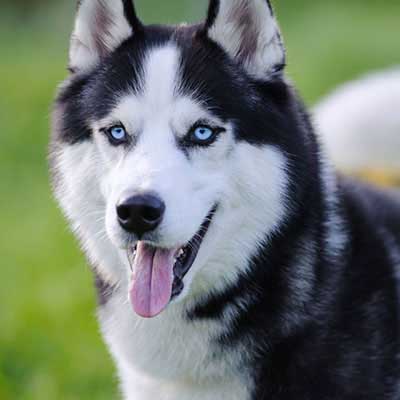
The Siberian Husky is a venerable breed that has likely developed alongside humans for thousands of years. Hailing from Russia, these dogs were cultivated by the Chukchi people, who depended on them for hauling supplies, which enabled their community to thrive in challenging environments. In addition to their transportation duties, Huskies were also bred to live harmoniously with Chukchi families. This selective breeding has resulted in a friendly and energetic breed renowned for its impressive stamina. Their dense double coat, which provides insulation against severe cold, requires regular grooming, although they do not need frequent baths. Despite their wolf-like appearance, which may intimidate some, Siberian Huskies are generally too friendly to be effective as guard dogs.
Read more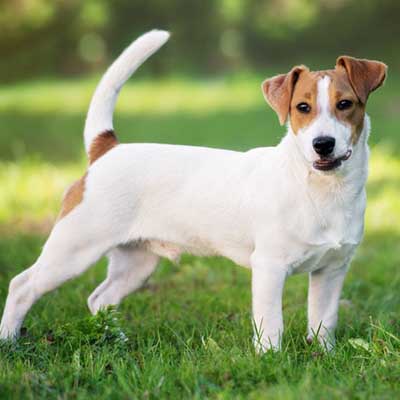
Jack Russell Terrier
The Jack Russell Terrier is a breed that has gained fame through popular television series like Frasier and Wishbone. Many fans have fallen in love with the quirky and endearing personalities of characters like Eddie from Frasier and Wishbone. However, the reality of owning a Jack Russell Terrier is quite different from what is depicted on screen. The dogs featured in these shows are supported by professional trainers and are given specific tasks to perform. In contrast, a real Jack Russell Terrier thrives on interaction and will actively seek out ways to entertain itself if its owner is busy. This breed is known for its high energy levels, relishing activities such as running, digging, and engaging in playful mischief. With the right training and an appropriate outlet for their considerable energy, they can make wonderful and loving companions.
Read moreRegister
Your kids have been begging for a pet forever, and you've recently decided that it's time for your family to get a new addition -- a dog! While everyone is excited for the new arrival, you're wondering if you need to have a dog license. How much does it cost? Is it required? Where do you get one?
Member Clubs

PETINNATE
Other
Height & Weight
Weight
35 lbs (16 kg)Male: 38 lbs (17 kg) , Female: 33 lbs (15 kg)
Height
18 inches (46 sm)Male: 18 inches (46 sm) , Female: 18 inches (46 sm)
Eye Colors
Brown

Nose Colors
Black
Coat Colors
Cream
Brown
Sable
Red
White
Gray
Black