Siberian Black Mouth Cur
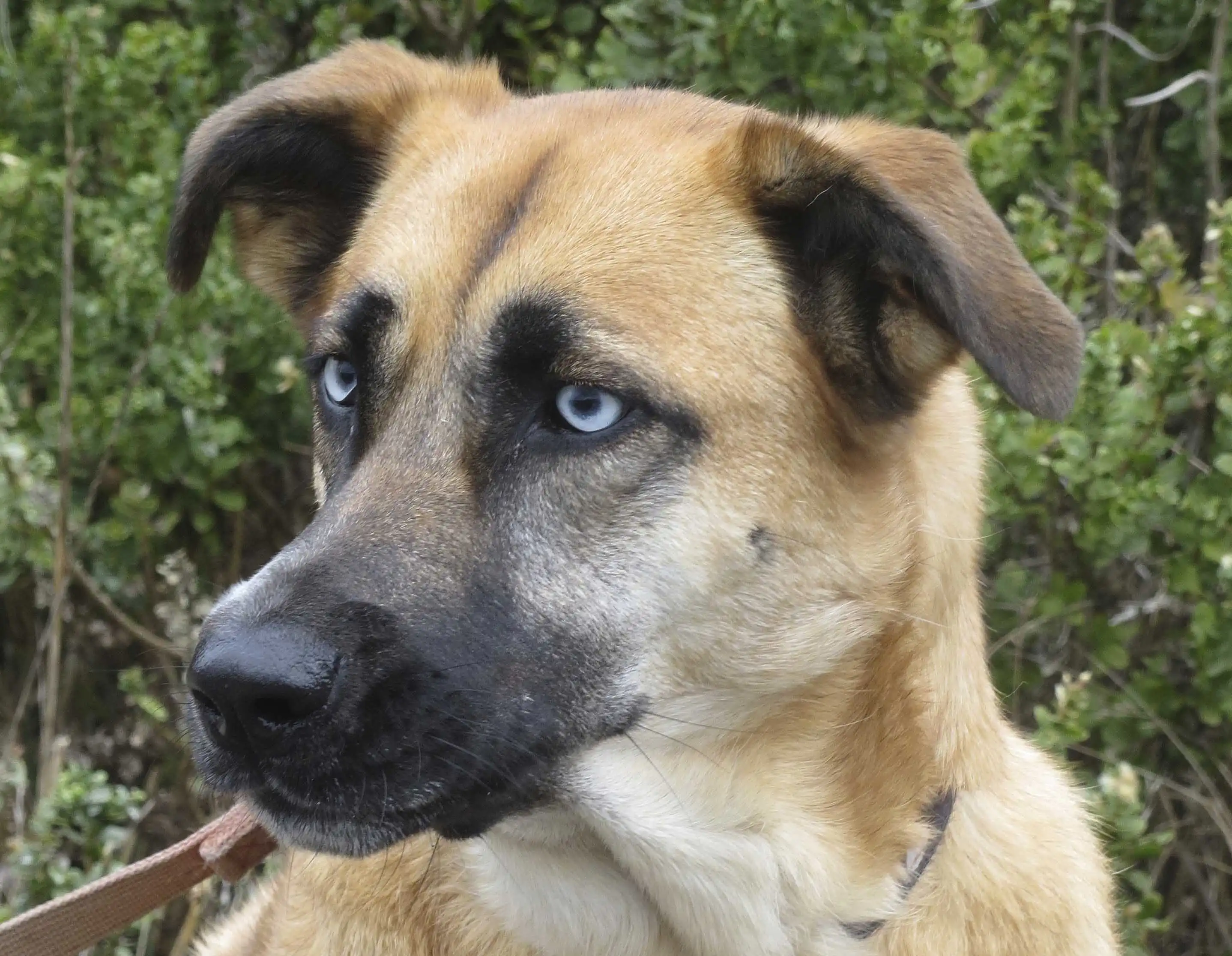
The Siberian Black Mouth Cur is a hybrid dog breed, created by crossing a Siberian Husky with a Black Mouth Cur. This robust dog usually weighs about seventy pounds at maturity. Renowned for his strong work ethic and enthusiasm for various activities, he has a natural talent for hunting. His Siberian Husky heritage contributes to his determination and enhances his abilities in the field. Furthermore, he makes a formidable watchdog; his large size can deter potential intruders, and he often displays a cautious attitude towards strangers. However, with proper socialization, he generally shows a friendly and gentle nature, especially around children.
Breed Origin
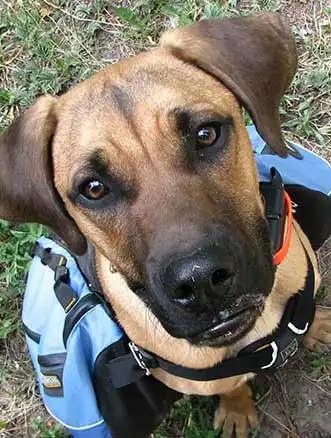
The Siberian Black Mouth Cur is a rare and distinctive hybrid dog breed. To understand its background, one must explore the histories of its parent breeds. The Siberian Husky has roots that go back to the Chukchi people, the indigenous nomads of Siberia. Genetic research indicates that the Husky is among the oldest dog breeds. These dogs not only facilitated transportation for their owners but also provided warmth by sharing living spaces with families, which was especially beneficial for children. In 1908, the Husky made its way to Alaska, where it gained fame as a sled dog. It took part in the All-Alaskan Sweepstakes, a race akin to the Iditarod, and was employed to pull sleds through the deep snows of Klondike during the Gold Rush. On the other hand, the Black Mouth Cur is a breed that is distinctly American, emerging from the southern United States. In 1964, L.H. Ladner published his breeding records, which chronicled his family's efforts in developing what would later be recognized as the Black Mouth Cur. His meticulous documentation traced the ancestry of the Black Cur, although the exact breeds involved in creating the modern Black Mouth Cur remain uncertain.
Breed Appearance
The Siberian Black Mouth Cur is anticipated to be a large breed. Its coat can vary in color, ranging from cream or yellow—reflecting its Black Mouth Cur heritage—to darker hues such as brown, gray, or even black, which are reminiscent of its Siberian Husky roots. The dog's eye color is also diverse; it may have the brown eyes typical of the Black Mouth Cur or display a unique "glass" eye pattern, featuring one brown eye and one blue eye, a trait inherited from the Siberian Husky. The texture of its coat will likely depend on which parent breed is more dominant, potentially showcasing the short, smooth fur of the Black Mouth Cur or the longer, denser double coat characteristic of the Siberian Husky. Furthermore, this breed is expected to have a tail that curls over its back and ears that stand upright.

Care Routine
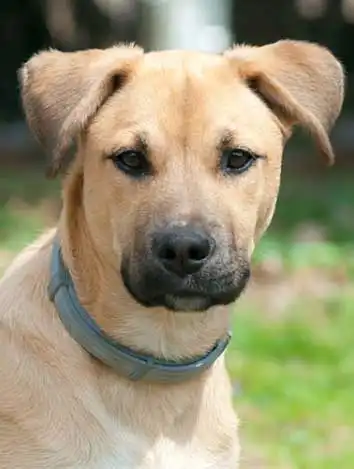
The grooming requirements for the Siberian Black Mouth Cur largely stem from the characteristics inherited from its parent breeds. If the dog resembles the Black Mouth Cur, known for its short, straight coat, upkeep will be relatively straightforward, requiring only weekly brushing to control loose hair and baths as needed. On the other hand, if the Siberian lineage contributes a dense double coat, more regular grooming will be necessary, with brushing two to three times a week to manage shedding. Be prepared for seasonal shedding, or "blowing" of the coat, which happens biannually, demanding daily brushing during the spring and fall months. To ensure good dental hygiene, it is recommended to brush the dog's teeth two to three times a week to prevent tartar accumulation and bad breath, although daily brushing is preferable to avoid tooth decay. Establishing a grooming routine early in the dog's life is essential, particularly since Siberian Huskies can be sensitive to handling. Additionally, clean the ears weekly with a cotton ball to eliminate dirt and check for any signs of redness or odor. Nail trimming should occur every two weeks unless the nails naturally wear down.
Behavior & Temperament
The Siberian Black Mouth Cur is a dog that exudes a serious presence, often taking time to warm up to new people. This cautious disposition makes him an excellent watchdog. While he may seem reserved around strangers, he is loving and devoted to his family. Renowned for his intelligence, this breed may need a bit more time and patience during housebreaking than some others. To enhance training, it’s advisable to begin early and reinforce positive behaviors with praise and treats, as he does not respond well to punitive measures. Although he isn’t particularly vocal, he will notify you of any disturbances in his surroundings. Once a bond is established with his family, he displays deep affection. He can get along well with other dogs, but early socialization is crucial for successful interactions with other animals.


Play & Exercise
The Siberian Black Mouth Cur is inherently full of energy, but without proper supervision, he may become sluggish and put on weight. To keep him in good health, it's crucial to provide ample opportunities for exercise and play. This breed flourishes in an active environment, relishing activities such as long walks and hiking, often outpacing their owners on the trails. If you have a fenced yard for him to enjoy, ensure the fence is at least six feet high and buried a minimum of ten inches underground, as both parent breeds are known for their climbing and digging skills. He will also enjoy trips to the dog park, but it's advisable to wait until he has completed his training. Remember, his natural hunting instincts could lead him to roam if he is not on a leash or secured within a sturdy fence.
Things to Know
Cups Per Day
3.0 Cups
Daily Activity
60 Minutes
Average Lifespan
14 Years
Origin
Unknown
Type
Crossbreeds
Size
Large
Origin Country
Unknown
Brush Frequency
Weekly
Coat Texture
Straight
Ancestors
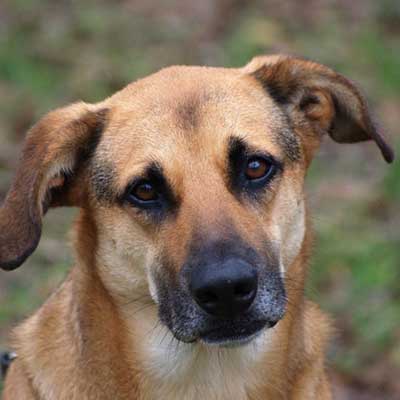
Black Mouth Cur
The Black Mouth Cur stands out as one of the most well-known breeds within the Cur group, which has its roots in the southern United States. This breed was created by blending characteristics from hounds, terriers, and feist breeds, resulting in adaptable dogs that excel in hunting, herding, and guarding tasks. Such versatility was crucial for farmers and settlers who often had limited means and could only keep a single dog, prioritizing practicality over aesthetics in their breeding choices. As a result, there is significant variation in size and color among these dogs. Regardless of their dimensions, Black Mouth Curs are highly active and possess a strong instinct to chase, requiring consistent physical and mental engagement to prevent behavioral problems.
Read more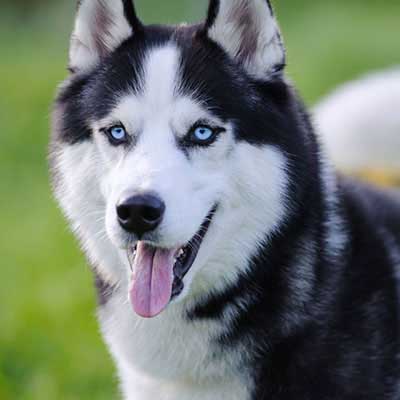
Siberian Husky
The Siberian Husky is a venerable breed that has likely developed alongside humans for thousands of years. Hailing from Russia, these dogs were cultivated by the Chukchi people, who depended on them for hauling supplies, which enabled their community to thrive in challenging environments. In addition to their transportation duties, Huskies were also bred to live harmoniously with Chukchi families. This selective breeding has resulted in a friendly and energetic breed renowned for its impressive stamina. Their dense double coat, which provides insulation against severe cold, requires regular grooming, although they do not need frequent baths. Despite their wolf-like appearance, which may intimidate some, Siberian Huskies are generally too friendly to be effective as guard dogs.
Read moreRegister
Your kids have been begging for a pet forever, and you've recently decided that it's time for your family to get a new addition -- a dog! While everyone is excited for the new arrival, you're wondering if you need to have a dog license. How much does it cost? Is it required? Where do you get one?
Member Clubs

PETINNATE
Other
Height & Weight
Weight
65 lbs (29 kg)Male: 65 lbs (29 kg) , Female: 65 lbs (29 kg)
Height
20 inches (51 sm)Male: 20 inches (51 sm) , Female: 20 inches (51 sm)
6 Months
25 lbs ( m 25 lbs, f 25 lbs )
11 inches ( m 11 inches, f 11 inches )
12 Months
40 lbs ( m 40 lbs, f 40 lbs )
14 inches ( m 14 inches, f 14 inches )
18 Months
55 lbs ( m 55 lbs, f 55 lbs )
17 inches ( m 17 inches, f 17 inches )
Eye Colors
Blue

Brown
Nose Colors
Black
Coat Colors
Cream
Gray
Brown
Black