Sharberian Husky
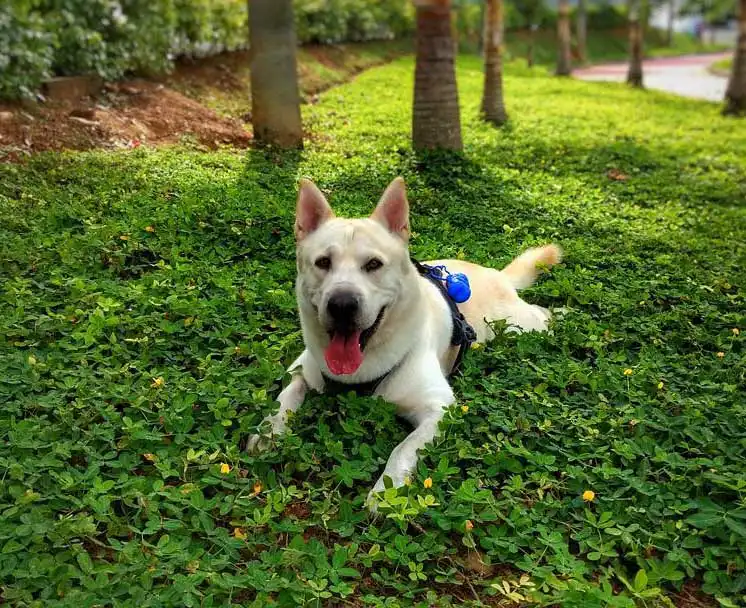
The Sharberian Husky is a mixed breed that emerges from the combination of a Shar-Pei and a Siberian Husky. Renowned for their intelligence and loving demeanor, these dogs make excellent family pets. However, they can be quite headstrong, which means they are ideally suited for owners who have some experience with dog training. They generally do well in homes with older children and can get along with other dogs, especially if they are socialized early on. Training them requires a consistent and firm approach, but they tend to respond well to positive reinforcement and encouragement. Their natural caution around strangers gives them a somewhat formidable presence, making them effective as watchdogs. Their coats can come in various colors, including cream, tan, brown, white, and black, with fur that typically ranges from short to medium length.
Breed Origin
The Sharberian Husky is a hybrid breed that emerges from the combination of a Siberian Husky and a Chinese Shar-Pei. Renowned for their striking resemblance to wolves and their penetrating gaze, Siberian Huskies were originally developed as sled dogs, prized for their exceptional endurance. This breed is believed to have originated with the Chukchi people, a nomadic group in Siberia, making it one of the oldest dog breeds in existence. As a member of the Spitz family, the Siberian Husky shares a close genetic connection with both the Alaskan Malamute and the Alaskan Husky. Upon their arrival in Alaska in 1908, these dogs were employed as sled dogs during the gold rush. They later took part in the All-Alaska Sweepstakes, a challenging 408-mile dogsled race, where they consistently excelled. Their notoriety peaked in 1925 when a team of 150 sled dogs transported a vital antitoxin over 674 miles across Alaska in just five and a half days to address a diphtheria outbreak in Nome. This extraordinary journey is famously known as the “Great Race of Mercy,” and a statue honoring the lead dog, Balto, was erected in Central Park, New York City. The Siberian Club of America was founded in 1938, and the American Kennel Club officially recognized the Siberian Husky in 1930. Conversely, the Shar-Pei has deep historical roots in China, where they were originally bred for guarding and later for fighting. Their unique deep wrinkles and blue-black tongues make them easily identifiable. Statues resembling Shar-Peis date back to the Han Dynasty (200 B.C.). However, the breed faced near extinction following the establishment of the People's Republic of China, when dog ownership was labeled a "decadent bourgeois luxury," resulting in a ban on dog breeding. Those who owned dogs were subjected to heavy taxes, making it financially burdensome for most. Matgo Law of Down-Homes Kennels in Hong Kong played a crucial role in the breed's revival by encouraging American breeders to adopt some Shar-Peis. In 1973, several of these dogs were brought to the United States. The breed was initially accepted into the American Kennel Club's Miscellaneous Class in 1988 and achieved full recognition from the AKC in 1991.
Breed Appearance
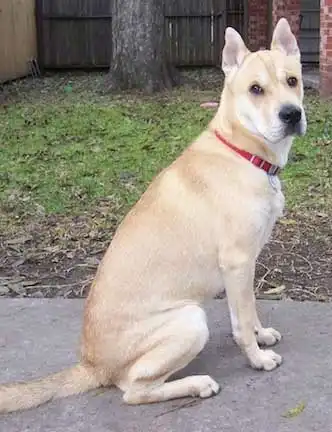
The Sharberian Husky is a large hybrid breed created by crossing a Shar-Pei with a Siberian Husky. This breed exhibits a diverse palette of colors, including shades of cream, tan, brown, white, and black. Typically, they weigh between 40 and 60 pounds and can grow up to 27 inches tall. Their coat length varies from short to medium, depending on which parent breed they take after more closely. The Siberian Husky is recognized for its thick, medium-length double coat, while the Shar-Pei is known for its short, coarse fur. Each parent breed contributes distinct characteristics, such as the Shar-Pei's notable wrinkles and blue-black tongue, along with the striking blue eyes typical of the Siberian Husky. Additionally, Sharberian Huskies have pointed ears that can either stand upright or have folded tips.

Care Routine
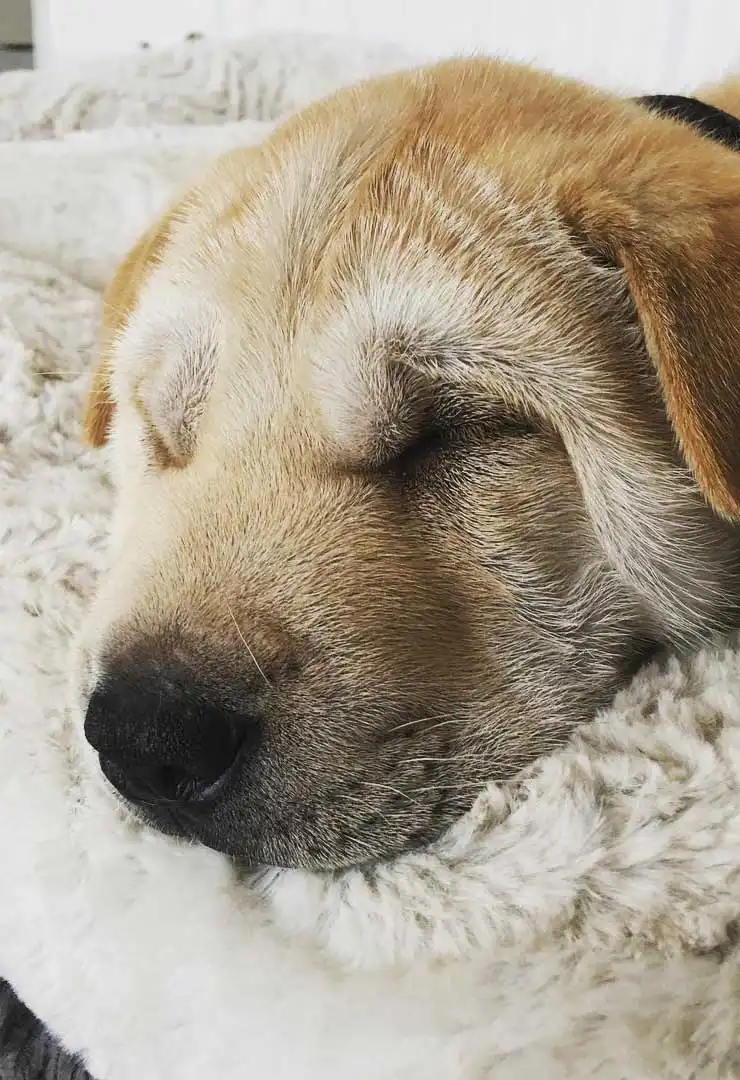
To ensure your Sharberian Husky remains in top condition, it's crucial to brush them regularly to control the considerable shedding they experience. Thankfully, beyond this grooming routine, your dog will need very little maintenance. If your pet has the dense double coat characteristic of a Siberian Husky, refrain from cutting it, as this fur provides essential insulation in both winter and summer. In contrast, the Chinese Shar Pei, which has short, coarse hair, requires only weekly brushing. These dogs are naturally clean and do not need frequent baths; however, they may be susceptible to skin problems, so it's vital to use shampoos that are approved by veterinarians. Additionally, strive to brush your dog's teeth daily to prevent dental issues, and trim their nails if they do not wear down naturally.
Behavior & Temperament
Sharberian Huskies are vibrant, affectionate, and intelligent companions that flourish under the care of seasoned dog owners. Their strong-willed and independent personalities demand a confident handler who is willing to invest time and effort into their training. These dogs are particularly well-suited for families with older children. In households with multiple dogs, early socialization and training are crucial for the Sharberian Husky. Although they may show some aggression towards other dogs, they can learn to engage and play positively with them. Despite their large size and striking appearance, they are generally not suspicious of strangers and can serve as effective watchdogs. The lively nature of the Siberian Husky is complemented by the more reserved temperament of the Shar-Pei. Additionally, these dogs are known for their escape artistry, making it essential to have a robust fence around your property. The extent to which a Sharberian Husky resembles its parent breeds will affect its ability to cope with being left alone. Siberian Huskies need considerable attention and may howl if they feel ignored, while Shar-Peis can manage short periods of solitude with relative ease.


Play & Exercise
The Sharberian Husky is a lively and spirited breed that needs plenty of exercise to maintain its health. While extended walks can be beneficial, it's important to be cautious with dogs that have the Shar-Pei's brachycephalic traits, as these can lead to breathing difficulties. These dogs often snore and are susceptible to overheating, so it's advisable to opt for shorter exercise sessions during cooler periods. A Sharberian Husky is not well-suited for apartment living; they flourish in homes with a secure, fenced yard and a variety of activities to keep them engaged, as they can become quite destructive when bored. Their intelligence makes them ideal candidates for engaging activities like sledding and various dog sports.
Things to Know
Cups Per Day
3.0 Cups
Daily Activity
60 Minutes
Average Lifespan
14 Years
Origin
Unknown
Type
Crossbreeds
Size
Medium
Origin Country
United States
Brush Frequency
Weekly
Coat Texture
Straight
Register
Your kids have been begging for a pet forever, and you've recently decided that it's time for your family to get a new addition -- a dog! While everyone is excited for the new arrival, you're wondering if you need to have a dog license. How much does it cost? Is it required? Where do you get one?
Member Clubs

PETINNATE
Other
Height & Weight
Weight
48 lbs (22 kg)Male: 50 lbs (23 kg) , Female: 45 lbs (20 kg)
Height
24 inches (61 sm)Male: 25 inches (64 sm) , Female: 23 inches (58 sm)
6 Months
33 lbs ( m 33 lbs, f 33 lbs )
16 inches ( m 16 inches, f 16 inches )
12 Months
45 lbs ( m 45 lbs, f 45 lbs )
22 inches ( m 22 inches, f 22 inches )
18 Months
45 lbs ( m 45 lbs, f 45 lbs )
22 inches ( m 22 inches, f 22 inches )
Eye Colors
Blue

Hazel
Brown
Nose Colors
Black
Coat Colors
Cream
Fawn
Brown
White
Black