Siberian Retriever
Husky Lab, Lab Husky, Labrador Retriever Husky Mix, Labsky, Huskador
The Siberian Retriever, commonly known as the Husky Lab or Lab Husky Mix, is a breed that typically ranges from medium to large in size, standing up to 25 inches tall. These dogs are celebrated for their friendly, playful, and loving demeanor, making them excellent companions. Their intelligence and obedience allow them to excel in roles such as guide dogs and in law enforcement. Due to their inherent hunting instincts, it is recommended to socialize them early on. With appropriate training and ample opportunities for social interaction, they generally thrive in households with children and other pets. This attractive hybrid boasts a silky coat that can display a variety of colors, including black, white, gray, chocolate, or combinations of these hues.
Breed Origin
The Siberian Retriever is a mixed breed that emerged from the crossbreeding of a Labrador Retriever and a Siberian Husky, a trend that started approximately two decades ago. The Labrador Retriever's roots can be traced back to Canada, particularly the northeastern Atlantic area of Newfoundland. Originally referred to as St. John’s dog, named after the capital city of its origin, this breed gained popularity among local fishermen in the 1700s for its companionship and assistance in fishing activities. These dogs would accompany fishermen during the day and return to their families at night. It is thought that the St. John’s dog is a descendant of both the Newfoundland dog and smaller water dogs. The friendly demeanor and trainability of these dogs caught the attention of the English, leading to their introduction in England as hunting retrievers. In 1830, the second Earl of Malmesbury was among the first to bring St. John’s dogs to England, where he also introduced the name "Labrador." However, by the 1880s, the breed was on the brink of extinction, with the Malmesbury family playing a vital role in its conservation. In Newfoundland, government regulations limited dog ownership to one per household and imposed heavy taxes on female dogs, which further contributed to the breed's decline in that region. Today, Labradors hold the title of the most popular dog breed in America, having been officially recognized by the American Kennel Club in 1917. They were brought over from England during the 1920s and 1930s. In contrast, the Siberian Husky is believed to have originated with the Chukchi, a nomadic tribe in Siberia. While specific details about their beginnings are limited, DNA analysis indicates that they are among the oldest dog breeds. The Chukchi used Huskies for fast transportation and as family companions, often allowing them to interact with children. In 1908, Huskies were introduced to Alaska to work as sled dogs during the gold rush, participating in the 408-mile All-Alaska Sweepstakes, a tradition that persists today. The last shipment of Siberian Huskies from Siberia took place in 1930, coinciding with the closing of borders, and that same year, the breed received official recognition from the American Kennel Club.
Breed Appearance
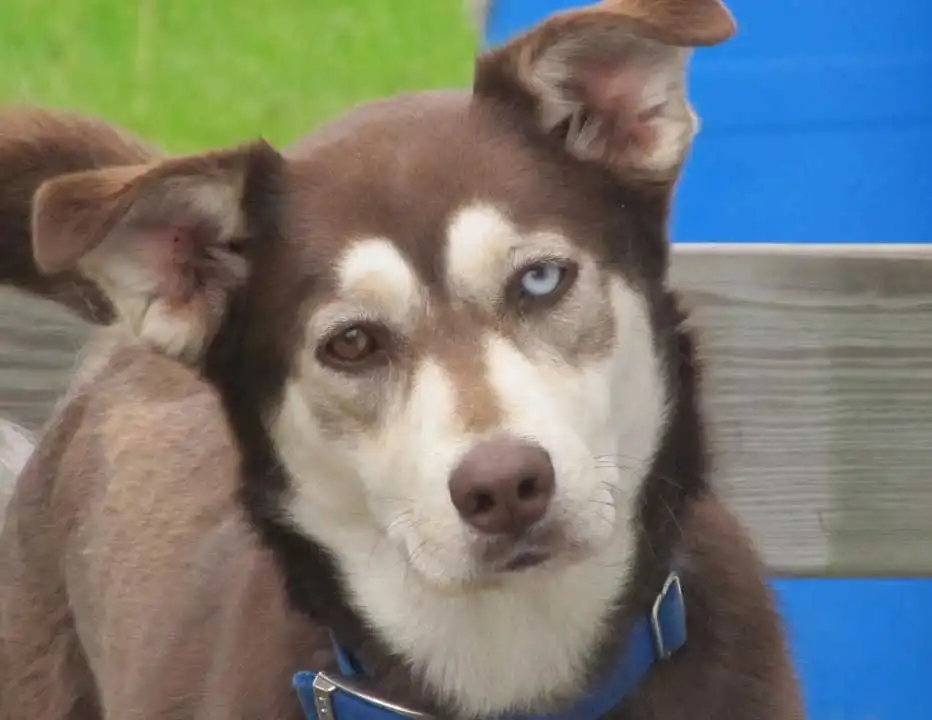
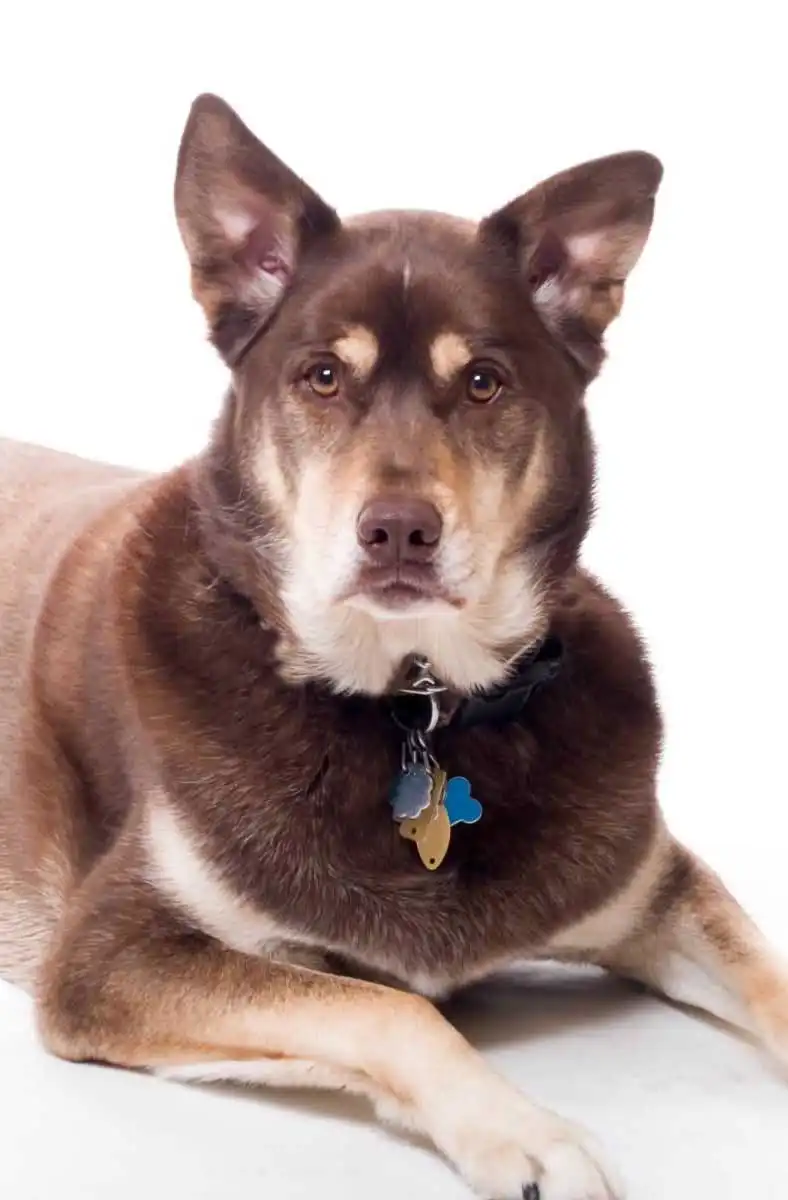
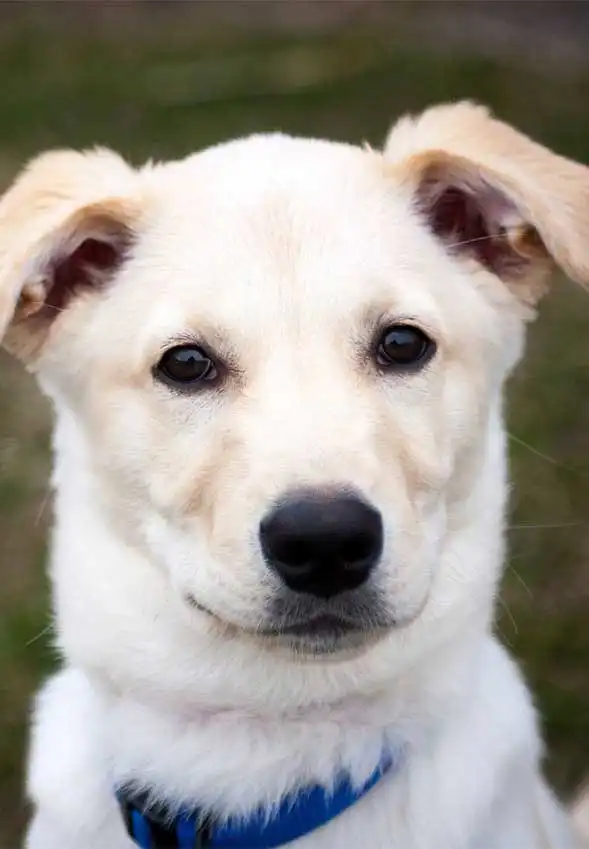
The Siberian Retriever is a large breed, typically standing up to 25 inches tall. They are characterized by a silky, double-layered coat that varies in length from short to medium. This breed comes in a wide array of colors, including black, white, golden, chocolate, tan, and various combinations of these hues. Their captivating eyes can be blue, brown, or hazel, and some may even exhibit heterochromia, showcasing one blue eye and one brown. Generally, these dogs have a triangular head shape, with pointed ears that can either hang down or stand upright. With their strong, athletic physique and a unique pointed, curled tail, Siberian Retrievers are both powerful and agile.
Care Routine
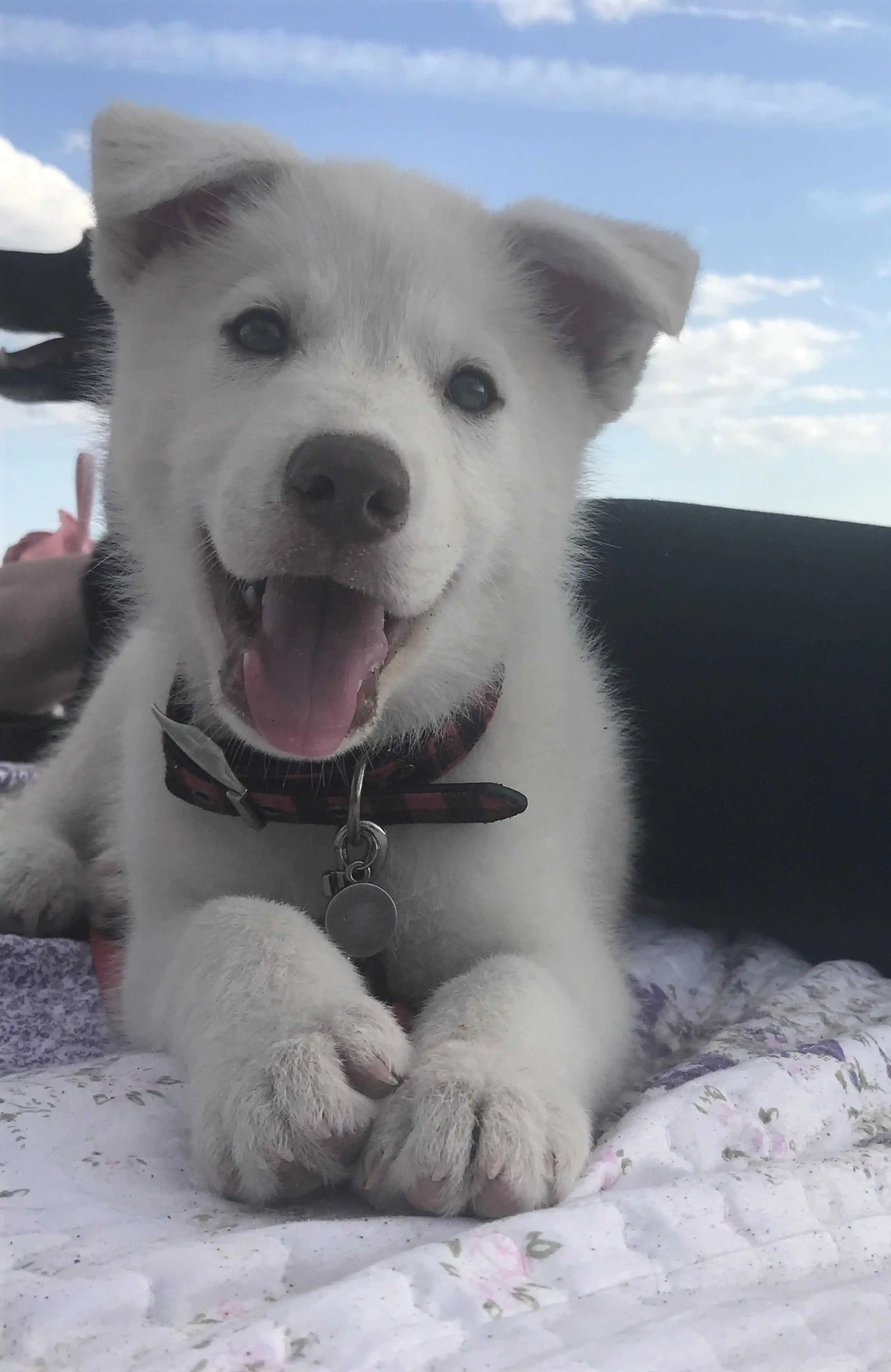
The Siberian Retriever is known for its double coat, which consists of silky fur that varies in length from short to medium. Although they shed moderately, shedding may increase during specific seasons. To maintain a healthy coat and remove loose hair, it is recommended to brush them daily with a pin brush. Weekly ear inspections and cleanings are essential to avoid infections, and nail trimming should be done as necessary. Baths should only be given when the dog is particularly dirty or has an unpleasant odor, as frequent washing can cause skin irritation and dryness. Furthermore, brushing their teeth three times a week is advisable to prevent dental issues and support overall oral health.
Behavior & Temperament
The Siberian Retriever is an energetic, lively, and intelligent breed celebrated for its loyalty. These dogs flourish with attention and play, but they can suffer from separation anxiety if left alone for long periods. This hybrid breed is not well-suited for those who travel frequently, as they may become unhappy in such situations. They make joyful and active companions, particularly in homes with a yard where they can engage in play. While they enjoy spending time indoors with their families, especially during inclement weather, they may also have a natural instinct for hunting. Thus, early socialization is vital to help them form positive relationships with other animals. Generally, they are wonderful with children, but it’s important to teach kids how to interact with them in a respectful and gentle manner. This mixed breed is highly trainable, showing obedience and a strong eagerness to please. However, they may also inherit a tendency to test limits from their Husky ancestry, so it’s crucial for owners to maintain a consistent and positive training strategy.


Play & Exercise
Designer dogs require consistent physical activity to stay healthy and happy, while also warding off boredom. They thrive in homes that have a yard. To prevent weight gain—stemming from their Labrador heritage, which makes them prone to overeating and lounging—they should be taken on two daily walks. These dogs also love swimming and participating in interactive games like Frisbee, carting, and agility challenges, all of which offer vital mental engagement. This breed is particularly well-suited for those with an active lifestyle, as they are eager to accompany you on runs, jogs, or brisk walks. Visiting a large park where they can run off-leash is an excellent way to provide them with exercise. Moreover, they make enthusiastic companions for cycling outings, making them ideal partners for maintaining fitness.
Things to Know
Cups Per Day
2.5 Cups
Daily Activity
60 Minutes
Average Lifespan
13 Years
Origin
1990s
Type
Crossbreeds
Size
Medium
Origin Country
Unknown
Brush Frequency
Daily
Coat Texture
Straight
Register
Your kids have been begging for a pet forever, and you've recently decided that it's time for your family to get a new addition -- a dog! While everyone is excited for the new arrival, you're wondering if you need to have a dog license. How much does it cost? Is it required? Where do you get one?
Member Clubs

PETINNATE
Other
Height & Weight
Weight
50 lbs (23 kg)Male: 53 lbs (24 kg) , Female: 48 lbs (22 kg)
Height
23 inches (58 sm)Male: 23 inches (58 sm) , Female: 22 inches (56 sm)
6 Months
23 lbs ( m 23 lbs, f 23 lbs )
11 inches ( m 11 inches, f 11 inches )
12 Months
37 lbs ( m 37 lbs, f 37 lbs )
19 inches ( m 19 inches, f 19 inches )
18 Months
47 lbs ( m 47 lbs, f 47 lbs )
22 inches ( m 22 inches, f 22 inches )
Eye Colors
Blue
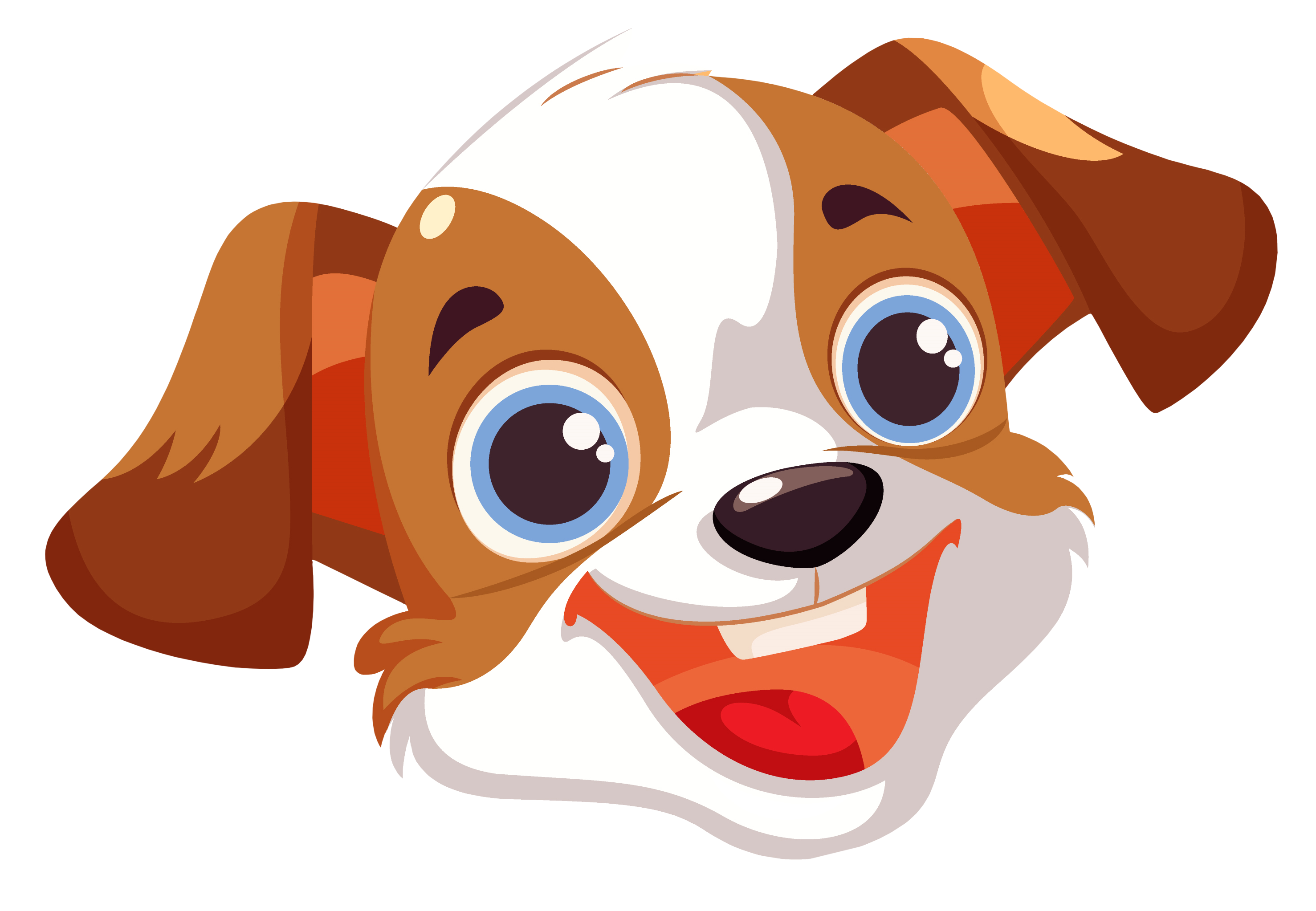
Hazel
Brown
Amber
Nose Colors
Black
Brown
Coat Colors
Black
Brown
Gray
White
Cream