Dusky
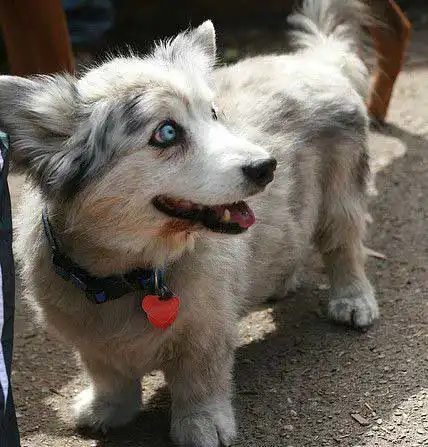
A Dusky is a hybrid dog that results from crossing a Dachshund with a Siberian Husky. The specific traits of a Dusky can differ significantly, depending on which parent breed's characteristics are more dominant. Dachshunds are small, typically weighing between 16 and 33 pounds, while Siberian Huskies are medium-sized, with weights ranging from 35 to 60 pounds. The coat colors of a Dusky can be quite diverse, including options like black, black and tan, chocolate, cream, blue, white, silver, copper, brown, agouti, sable, and grey. Siberian Huskies are recognized for their thick fur, which consists of a dense undercoat and a longer layer of straight guard hairs. In contrast, Dachshunds can have either smooth or wiry coats. Both breeds are known for their intelligence and loving disposition. For families with young children, it’s important to prioritize socialization and training for the Dusky during its puppy stage. Since both parent breeds are generally easy to train and require moderate care, it’s likely that a Dusky will inherit these qualities as well.
Breed Origin
The Dusky is a hybrid breed that emerges from the combination of a purebred Siberian Husky and a purebred Dachshund. The Siberian Husky has its origins in northeastern Siberia, where the nomadic Chukchi tribe selectively bred them for both transportation and companionship. This breed belongs to the Spitz family and is easily recognized by its thick double coat and erect triangular ears. In 1908, a Russian fur trader named William Goosak introduced them to Alaska as sled dogs, where they earned the playful nickname "Siberian Rats" due to their smaller size in comparison to the Malamute. A notable team of Siberian Huskies made history by winning the prestigious 400-mile All-Alaska Sweepstakes in 1910, a dogsled race that they continue to compete in today. The Siberian Club of America was founded in 1938, and the American Kennel Club acknowledged the Siberian Husky in 1930, with the Canadian Kennel Club following suit in 1939. Conversely, Dachshunds have their roots in 15th-century Germany, where they were specifically bred for badger hunting. The name "Dachshund" translates to "badger dog," derived from the German words Dachs (badger) and Hund (hound or dog). Despite their small size, Dachshunds possess strong legs designed for digging into burrows. After their hunting days in Germany, many Dachshunds were transported to England, where they became cherished companions, particularly among the European royal courts. Often affectionately called "wiener dogs" or "sausage dogs" due to their unique shape, they made their way to America in the 1800s and were officially recognized by the American Kennel Club in 1885.
Breed Appearance
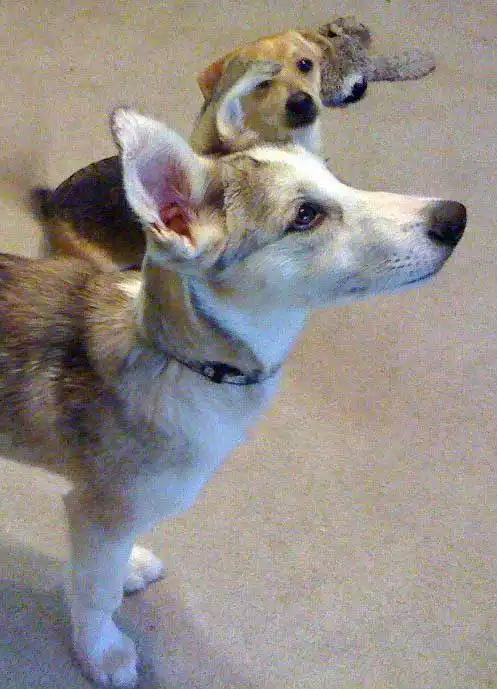
Dusky dogs are a mix of small to medium-sized breeds, with their physical traits largely shaped by their ancestry. Dachshunds come in three specific sizes: toy, miniature, and standard, which means the size of a Dusky can differ, particularly if it inherits characteristics from the larger Siberian Husky. In terms of color, Dusky dogs can showcase a diverse palette, including shades like black, black and tan, chocolate, cream, blue, white, silver, copper, brown, agouti, sable, and grey. The Siberian Husky is known for its thick fur, which consists of a dense undercoat and a longer layer of straight guard hairs, while Dachshunds may have either smooth or wiry, rough coats. Eye color in Siberian Huskies can vary widely, featuring options such as blue, brown, a combination of both, or even one of each, whereas Dachshunds generally have dark, round eyes. Depending on their genetic background, Dusky dogs may sport either upright or floppy ears and possess a muzzle of medium length.

Care Routine
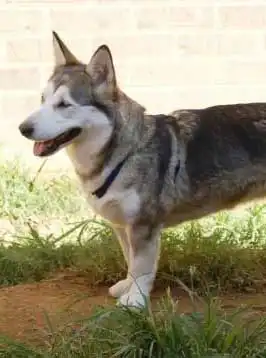
A Dusky will likely experience shedding and will need a moderate amount of grooming, akin to its parent breeds. In contrast, Wirehaired Dachshunds require more frequent brushing to avoid matting and the buildup of debris in their fur, unlike their smooth-coated relatives. They also necessitate more regular baths. Siberian Huskies, on the other hand, shed consistently throughout the year but, similar to cats, engage in self-grooming, which reduces the need for frequent baths. It's crucial to keep an eye on a Dachshund's ears for signs of infection, making regular inspections and cleaning of any dirt vital. Additionally, aim to brush your pet's teeth two to three times a week to prevent dental problems. Regular nail checks and trims are also important to avoid overgrowth.
Behavior & Temperament
A Dusky is expected to inherit characteristics from its parent breeds, resulting in a lively and affectionate companion. The Dachshund enjoys being the center of attention and is quite happy as a solo pet, as long as it receives ample affection. These small dogs are very alert and tend to bark often, showing a possessive attitude towards their toys. On the other hand, the larger Siberian Husky is not usually regarded as a reliable guard dog due to its friendly nature and sociability with strangers, although it does have a tendency to howl from time to time. While the Siberian Husky is eager to please, it may become more aloof as it matures. Both breeds can be somewhat stubborn, yet they are generally easy to train, making them suitable for novice pet owners, including those who choose a Dusky. It is recommended to keep small children away from either parent breed, but both are typically good with other dogs. However, it’s crucial to remember that Siberian Huskies have a strong predatory instinct, which may lead them to chase after smaller dogs and cats.


Play & Exercise
The exercise needs of a Dusky largely hinge on which parent breed he takes after more closely; typically, a Siberian Husky requires much more physical activity than a Dachshund. Nonetheless, Dachshunds also need regular walks to prevent weight gain, which is crucial for their overall strength and health. Siberian Huskies are notorious for their escape artist tendencies, making it vital to ensure they have a secure living space. While it’s not ideal for a Siberian Husky to live in an apartment, it can be feasible if they receive ample daily walks and playtime. Moreover, Huskies have a natural tendency to dig, so it’s essential to keep them mentally and physically stimulated to avoid destructive behaviors. When in public, it’s wise to keep your Dusky on a leash, as both parent breeds have strong hunting instincts that could cause him to wander off and not return when called.
Things to Know
Cups Per Day
3.0 Cups
Daily Activity
60 Minutes
Average Lifespan
14 Years
Origin
Unknown
Type
Crossbreeds
Size
Medium
Origin Country
United States
Brush Frequency
Weekly
Coat Texture
Wiry
Ancestors
Dachshund
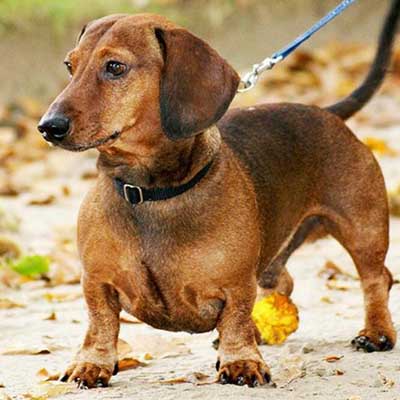
Since the 1950s, Dachshunds have consistently been among the most beloved dog breeds. With their distinctive long bodies and short legs, these dogs are not only charming but also exhibit a spirited and courageous personality. Although they possess intelligence, training can be challenging, especially if the techniques used become repetitive. Their inherent stubbornness often leads them to prefer their own methods. Originally developed in Germany for hunting small game, these characteristics are still apparent in their behavior today, which may manifest as a tendency to chase smaller animals or dig in the yard. Dachshunds are lively both indoors and outdoors, allowing them to adapt well to a variety of living environments.
Read more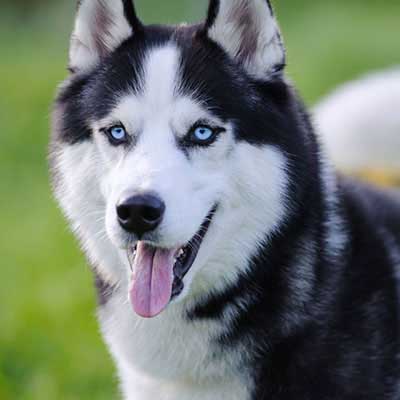
Siberian Husky
The Siberian Husky is a venerable breed that has likely developed alongside humans for thousands of years. Hailing from Russia, these dogs were cultivated by the Chukchi people, who depended on them for hauling supplies, which enabled their community to thrive in challenging environments. In addition to their transportation duties, Huskies were also bred to live harmoniously with Chukchi families. This selective breeding has resulted in a friendly and energetic breed renowned for its impressive stamina. Their dense double coat, which provides insulation against severe cold, requires regular grooming, although they do not need frequent baths. Despite their wolf-like appearance, which may intimidate some, Siberian Huskies are generally too friendly to be effective as guard dogs.
Read moreRegister
Your kids have been begging for a pet forever, and you've recently decided that it's time for your family to get a new addition -- a dog! While everyone is excited for the new arrival, you're wondering if you need to have a dog license. How much does it cost? Is it required? Where do you get one?
Member Clubs

PETINNATE
Other
Height & Weight
Weight
39 lbs (18 kg)Male: 40 lbs (18 kg) , Female: 39 lbs (18 kg)
Height
16 inches (41 sm)Male: 16 inches (41 sm) , Female: 15 inches (38 sm)
Eye Colors
Blue

Brown
Nose Colors
Black
Coat Colors
Black
Brown
Cream
Blue
White
Silver

Sable
Gray