Dalmatian Husky
Dalmatian – Siberian Husky Hybrid
The Dalmatian Husky is a mixed breed that emerges from the combination of a Dalmatian and a Siberian Husky. Renowned for their energetic and playful demeanor, these dogs often require extra patience during training. They are affectionate and spirited, making them excellent companions for children. Their grooming requirements are moderate, especially if they take after the thick coat of their Husky ancestry. Regular exercise is crucial for this breed, as a lack of physical activity can result in weight gain. While many Dalmatian Huskies tend to resemble their Siberian Husky parent, some may also exhibit the unique spots typical of Dalmatians.
Breed Origin
Information regarding the Dalmatian Husky breed is somewhat scarce, but by examining its parent breeds, we can better understand what to anticipate from this hybrid. The Dalmatian is often associated with fire departments due to its unique spotted coat, which distinguishes it from other breeds. Many adults recognize the Dalmatian from the Disney classic "101 Dalmatians," yet they may lack knowledge about the breed's historical background. The exact origins of the Dalmatian remain somewhat ambiguous; however, it is known that these dogs traveled alongside nomadic Romani people. In the Dalmatia region, they were employed as guard dogs, which is how they earned their name. Historically, Dalmatians have also been used as ratters, shepherds, and retrievers, and they even performed in circuses. In England, the breed was refined as a coaching dog, running alongside or beneath horse-drawn carriages, and when the horses paused, the Dalmatians would keep watch over them. This natural affinity between Dalmatians and horses continues to this day. In the United States, Dalmatians accompanied the horses that pulled fire coaches and were even known to rescue people from burning buildings. Today, they proudly serve as mascots for fire stations nationwide. Conversely, the Husky traces its lineage back to the Chukchi, a group of indigenous nomads. While the precise origins of the Husky are not definitively established, DNA analysis indicates that it is among the oldest dog breeds. These dogs not only facilitated transportation for their owners but also shared living quarters with families, likely for warmth. The breed made its way to Alaska in 1908, where it gained fame as a sled dog.
Breed Appearance
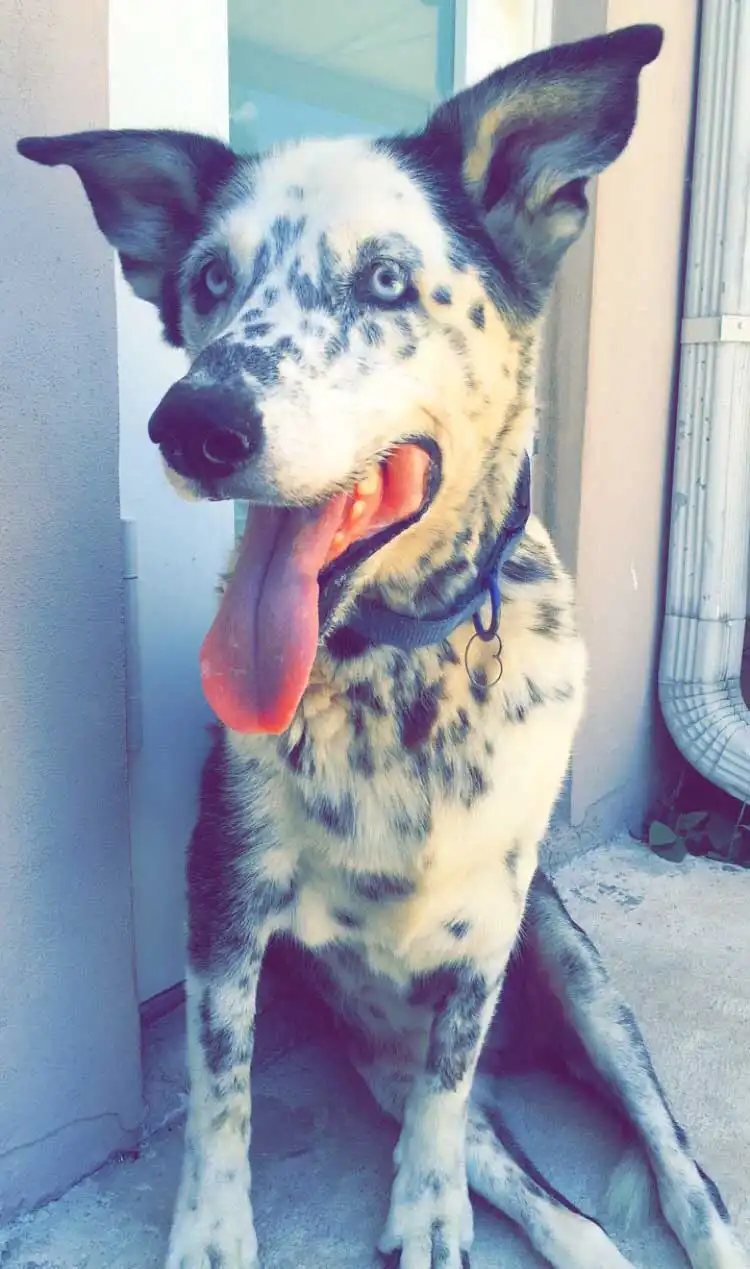
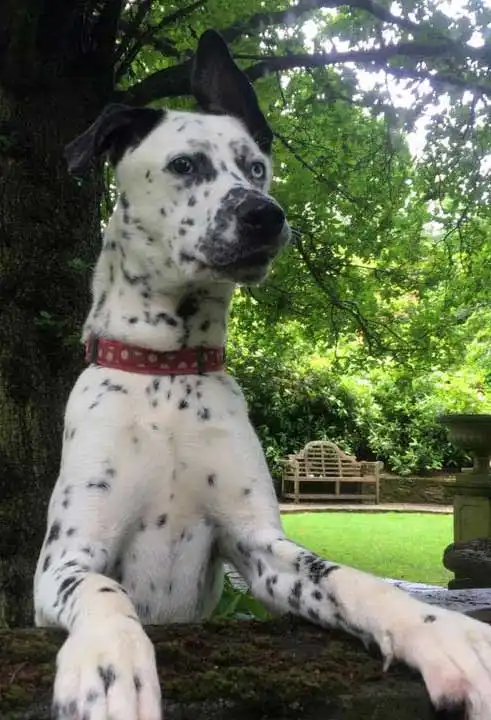
The Dalmatian Husky is a mixed breed that combines traits from both the Dalmatian and the Siberian Husky. While detailed information about this hybrid is somewhat scarce, we can glean a better understanding by looking at its parent breeds. Dalmatians are well-known for their striking white fur, which is typically covered in black spots, although there are some variations. Some Dalmatians may have patches instead of spots, and many are born completely white, developing their spots as they grow older. Those with patches are born with them, and while it is uncommon, some may have large liver or black patches without any white fur. The traditional Dalmatian is mostly spotted, with occasional tri-color variations that feature tan markings on a base of black or liver spots. Regardless of their coloration, Dalmatians have a soft, fine coat that is often compared to velvet. On the other hand, Huskies are characterized by their double-layered coat, which consists of thick, medium-length fur and comes in a wide range of colors. They can be solid black, black with white markings, or entirely white with colored accents, including shades of red or copper. Their eyes can be either brown or blue, and they are easily recognized by a unique “mask” marking on their faces that distinguishes them from other breeds. Dalmatian Huskies generally inherit a plush coat reminiscent of a Husky’s, often featuring a mix of black and white in either spots or large patches. Their tails, while shorter than those of a Husky, are fluffy and typically curl slightly over their backs.

Care Routine
The Dalmatian Husky is recognized for its propensity to shed. To keep the fur that inevitably spreads around your home under control, it's recommended to use a pin brush either in the morning or evening. If this hybrid dog lives in a warmer environment, you may observe an uptick in shedding. Fortunately, there's no need for regular fur clipping, and baths are only required occasionally—unless your dog enjoys rolling in dirt during playtime outside. Thankfully, their coat generally remains free of mats and tangles, so consistent brushing should be adequate. Given the potential density of their fur, employing a deshedding tool could also prove helpful. As with any breed, maintaining dental and nail hygiene is crucial. Brushing your dog's teeth a few times a week will greatly enhance their oral health. For an active breed like the Dalmatian Husky, their nails often wear down naturally, but if they don’t, trimming every few weeks will be necessary.
Behavior & Temperament
Your Dalmatian Husky is a loyal and intelligent friend. As a breed that naturally forms packs, it’s vital for owners to assert themselves as strong leaders; failing to do so may prompt your Husky to assume the "Alpha" role. This tendency can result in destructive behaviors, especially if your dog lacks sufficient exercise or becomes bored. Leaving him alone for long stretches is not advisable, as there have been instances of Huskies chewing through cement walls out of sheer frustration. Moreover, your Dalmatian Husky has a strong instinct to dig, so it’s beneficial to train him to dig in designated areas. Rather than attempting to suppress this behavior entirely, guiding it can yield better results. While owning a Dalmatian Husky may come with its challenges, they are also incredibly playful and charming. Their playful antics are complemented by a friendly disposition, and while they rarely bark, they might let out an occasional howl. This hybrid breed may not be ideal for apartment living; they flourish in homes with ample outdoor space. It’s also important to use a harness instead of a leash, as their powerful pulling can cause injuries to both you and the dog. When it comes to interactions with children, their high energy and enthusiasm necessitate supervision. Ideally, they thrive in households with adults or families with teenagers who are dedicated to their training.


Play & Exercise
The Dalmatian Husky is a lively breed that demands ample physical activity. To maintain a healthy weight and avoid any potential destructive behaviors, it’s crucial to ensure he receives adequate exercise. This mix will flourish with extended walks or energetic runs by your side, and he will also enjoy trips to the dog park. The Dalmatian aspect loves to run and play, while the Husky is notorious for his digging habits. Providing sufficient exercise will help direct his energy towards constructive activities rather than causing harm to your possessions.
Things to Know
Cups Per Day
3.0 Cups
Daily Activity
90 Minutes
Average Lifespan
14 Years
Origin
Unknown
Type
Crossbreeds
Size
Medium
Origin Country
United States
Brush Frequency
Weekly
Coat Texture
Straight
Register
Your kids have been begging for a pet forever, and you've recently decided that it's time for your family to get a new addition -- a dog! While everyone is excited for the new arrival, you're wondering if you need to have a dog license. How much does it cost? Is it required? Where do you get one?
Member Clubs

PETINNATE
Other
Height & Weight
Weight
53 lbs (24 kg)Male: 58 lbs (26 kg) , Female: 48 lbs (22 kg)
Height
19 inches (48 sm)Male: 20 inches (51 sm) , Female: 18 inches (46 sm)
Eye Colors
Blue

Brown
Nose Colors
Black
Coat Colors
Black

White