Dameranian
Pomaweenie, Pom-Dach, Pom Weenie
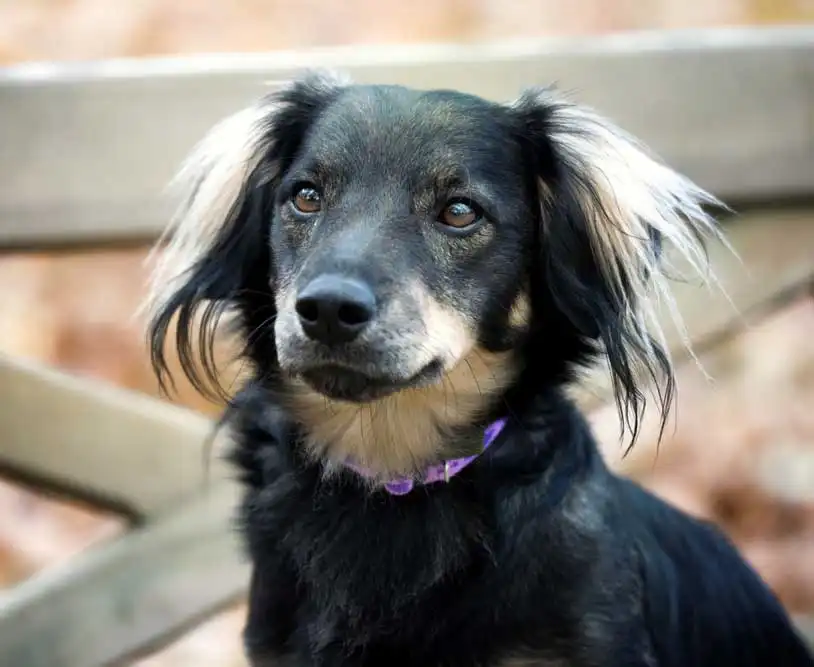
The Dameranian is a mixed breed resulting from the combination of a Dachshund and a Pomeranian. Typically, this dog falls within the small to medium size category, reflecting the dimensions of its parent breeds. Renowned for its loving disposition, the Dameranian often develops deep bonds with its family, frequently showing a preference for one specific individual. This breed is often characterized as "sociable." Although they do shed, their grooming needs are moderate to maintain a healthy coat. If left alone for long periods, they may suffer from separation anxiety. Thanks to their Pomeranian heritage, they can be quite vocal, yet they usually coexist harmoniously with other dogs and pets. The Dameranian is versatile and adapts well to different living situations.

Breed Origin
Details regarding the Dameranian breed are somewhat scarce, but by exploring its parent breeds, we can better understand what to expect from this hybrid. The Dachshund, a small dog with German roots, was originally bred for badger hunting. Depictions of this breed date back to the 15th century, and it was also used to track foxes and other animals that burrow. In the 18th and 19th centuries, breeders aimed to create a dog with a long body and strong legs, capable of following badgers into their dens, resulting in the Dachshund we know today. Over time, this breed shifted to a companion role, becoming popular among European royalty, including Queen Victoria. By the 1950s, the Dachshund had established itself as a cherished family pet, a reputation it still holds. Conversely, the Pomeranian has ancestral connections to the Northern Spitz family. This breed has been adored for centuries, with historical figures like Martin Luther, Michelangelo, Isaac Newton, and Mozart reportedly owning Pomeranians. It also gained popularity among royals, with Queen Victoria being a notable enthusiast. Many attribute her dedication to breeding as a key factor in the development of the smaller Pomeranian size. The American Kennel Club officially recognized the Pomeranian in 1888, and it has remained a favored breed, especially since its introduction to the United States.
Breed Appearance
The Dameranian will inherit characteristics from both of its parent breeds, the Dachshund and the Pomeranian. Dachshunds come in two coat types: smooth and wirehaired. The smooth variety has a short, shiny coat available in a range of colors, primarily solid shades like red or cream, often interspersed with a few black hairs. Two-toned Dachshunds typically feature combinations such as black, chocolate, wild boar (a grizzled appearance), gray, or fawn, often highlighted with tan or cream markings. Additionally, dappled Dachshunds may display a merle pattern in their fur. In contrast, wirehaired Dachshunds have a short, thick, and coarse outer coat paired with a soft undercoat, available in the same color variations as the smooth type. Longhaired Dachshunds, known for their longer, slightly wavy coats, further enhance the breed's diversity. The Pomeranian, a small toy breed, presents a broad spectrum of colors, including black, black and tan, blue and tan, chocolate and tan, cream, cream sable, orange, red, sable, brindle, and white. Typically, a Pomeranian weighs no more than seven pounds at most. This breed features a long top coat with a short undercoat. The Dameranian may display a smooth coat and can have either floppy or upright ears, while its eyes generally resemble the shape and color typical of Dachshunds.


Care Routine
Caring for a Dameranian's grooming needs is typically uncomplicated, yet it demands consistent effort. Whether your hybrid sports a sleek or fluffy coat, and regardless of its length, it's advisable to brush them at least weekly. Long, silky fur can easily become tangled, and shedding can occur with any coat type. A pin brush works well for all fur varieties and is especially effective for removing tangles. If your Dameranian has long ears, make it a habit to inspect them regularly for dirt or moisture buildup. Small breeds are often susceptible to dental problems and gum disease, so prioritizing their oral hygiene is essential; daily brushing is optimal if feasible. Furthermore, maintaining their nails is important, with trimming every two weeks being adequate.
Behavior & Temperament
Analyzing the parent breeds can shed light on the anticipated traits of the hybrid breed. The Dachshund is a lively and playful dog, recognized for its courage and assertiveness, though it can also display a stubborn nature. This breed loves to cuddle with its family, often developing a particularly strong attachment to one individual. If left alone for long stretches, Dachshunds may experience anxiety. Among the various types, Wirehaired Dachshunds are typically quite playful, while Longhaired Dachshunds are generally more relaxed, and Smooth Dachshunds represent a mix of both temperaments. With proper socialization, a Dachshund can become a loving and joyful member of any family. Conversely, the Pomeranian is a sociable dog that flourishes on interaction with both people and other pets. Despite its diminutive stature, it often behaves as if it were much larger, sometimes even challenging other dogs. Pomeranians are alert and curious, but they can be prone to excessive barking; therefore, it’s wise to begin training them to bark on command from an early age. When adequately socialized, most Pomeranians do not exhibit the aggressive behaviors mentioned earlier, which is especially advantageous around small children, as some may not be suitable companions for kids without proper socialization. Your Dameranian is likely to be a lively little bundle of energy, eager to take the lead and engage in play. Employing positive reinforcement during training will help cultivate good behavior in your puppy.


Play & Exercise
The Dameranian is an active breed that needs consistent exercise to stay fit. Due to his background, he may have a natural inclination to wander, so it’s best to keep him on a leash unless you’re in a safe, enclosed space. He enjoys brisk, short walks with you and trips to the dog park. Generally, he is friendly with other dogs and pets, particularly if he has been socialized regularly. Moreover, he is likely to relish playtime with the children in your family.
Things to Know
Cups Per Day
1.0 Cups
Daily Activity
30 Minutes
Average Lifespan
14 Years
Origin
Unknown
Type
Crossbreeds
Size
Small
Origin Country
United States
Brush Frequency
Weekly
Coat Texture
Wavy
Register
Your kids have been begging for a pet forever, and you've recently decided that it's time for your family to get a new addition -- a dog! While everyone is excited for the new arrival, you're wondering if you need to have a dog license. How much does it cost? Is it required? Where do you get one?
Member Clubs

PETINNATE
Other
Height & Weight
Weight
13 lbs (6 kg)Male: 18 lbs (8 kg) , Female: 9 lbs (4 kg)
Height
7 inches (18 sm)Male: 7 inches (18 sm) , Female: 6 inches (15 sm)
Eye Colors
Brown

Nose Colors
Black
Coat Colors
Red
Cream
Black
Gray
Fawn
Blue
Sable
Brindle