Pineranian
Pinneranian, Pin Pom
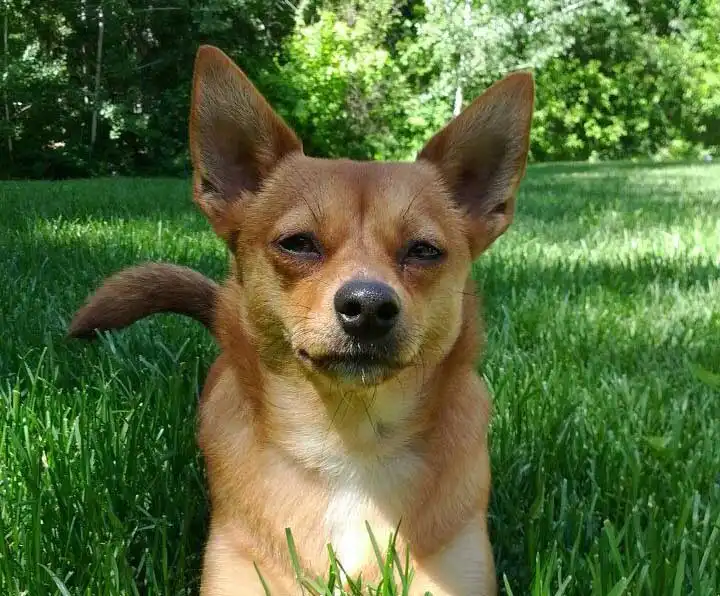
The Pineranian is an enchanting hybrid that results from the combination of two toy breeds: the Miniature Pinscher and the Pomeranian. Generally, this adorable mix reaches a height of about 10 inches and weighs around 10 pounds. Renowned for their friendly disposition, Pineranians are excellent family companions and can live peacefully with other pets, provided they receive proper socialization early on. However, they may show some nipping behavior towards small children if they feel threatened. These dogs are quick to learn and thrive in mastering various tricks, making them ideal candidates for activities such as agility, obedience, and tracking. Their willingness to please and capacity to learn have also made them popular as therapy dogs.

Breed Origin
The Pineranian is a relatively recent breed that lacks a significant historical narrative of its own. To grasp its origins, one must delve into the histories of its parent breeds: the Miniature Pinscher and the Pomeranian. The Miniature Pinscher has its roots in Germany, dating back to the 1600s. Despite their similar names and appearances, they are not genetically related to the Doberman Pinscher; in fact, the Miniature Pinscher predates the Doberman, with some accounts suggesting it has existed for over 2,000 years. This breed is thought to belong to the German Pinscher family, drawing characteristics from Terriers, Dachshunds, and Italian Greyhounds. The term "Pinscher" translates from German to mean "terrier" or "biter." The Pinscher Klub was founded in Germany in the late 17th century and later evolved into the Pinscher-Schnauzer Klub. By the early 1900s, the breed was showcased at the Stuttgart Dog Show, and in the 1920s, the Miniature Pinscher Club of America was established. Shortly after, the breed received recognition from the American Kennel Club, where it currently ranks as the 68th most popular dog breed in the United States. Conversely, the Pomeranian originated in Germany in the 1800s, initially functioning as a sheep herding dog and companion. This breed was developed from a combination of Schipperkes, American Eskimo Dogs, Samoyeds, German Spitz, and Norwegian Elkhounds. Its name is derived from the Pomerania region, where it was first bred. Originally, Pomeranians were significantly larger, averaging around 30 pounds, but selective breeding eventually resulted in a smaller size, making them more suitable as companion animals. Although Queen Charlotte and King George III owned two Pomeranians, the breed truly gained popularity after their daughter, Queen Victoria, began breeding them. In 1888, the American Kennel Club officially recognized Pomeranians, and today, they rank as the 22nd most popular dog breed in the United States.
Breed Appearance
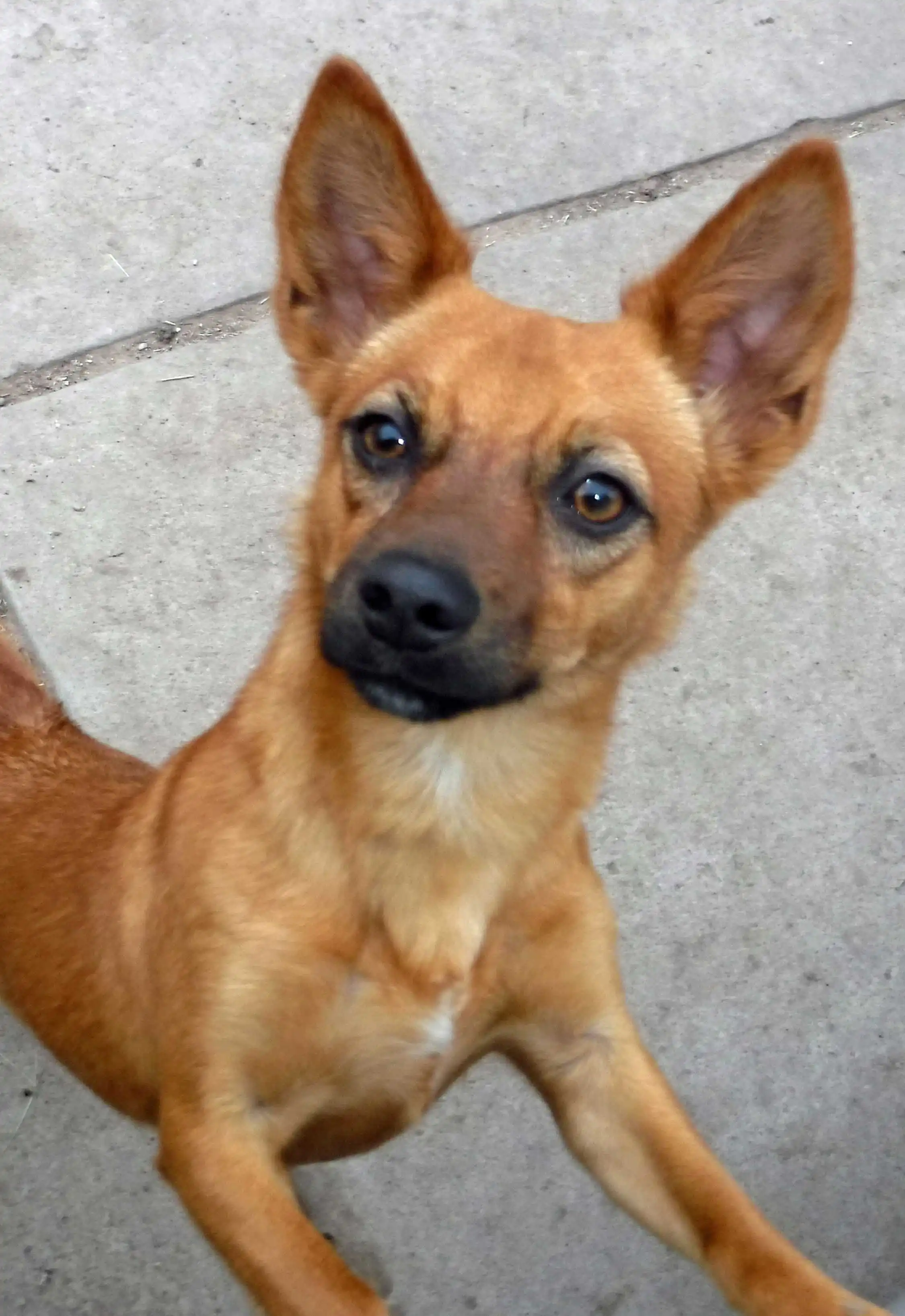
The Pineranian is an enchanting mixed toy breed, typically weighing up to 12 pounds and standing under 12 inches tall. Their coat is thick and fluffy, varying from short to medium length, and comes in a diverse range of colors such as brindle, sable, merle, red, chocolate, fawn, cream, blue, silver, yellow, pinto, brown, black, and pied. Pineranians often have captivating blue or brown eyes, a brown or black nose, a small, rounded head, alert ears, and a short, fluffy tail. Their legs are short and generally fluffy, culminating in small, delicate feet. The fur on their chest and neck is usually the longest, giving them a mane-like appearance that is reminiscent of the Pomeranian breed.

Care Routine
The upkeep of your Pineranian primarily depends on the thickness and length of its fur. A longer, denser coat requires more regular grooming. Ideally, you should brush your dog every other day with a pin brush or slicker brush, complemented by a metal comb. Pay special attention to grooming areas like under the neck, the chest, and around the rear and tail to ensure thorough care. While it's fine to bathe your dog occasionally with a mild shampoo, refrain from doing it too often, as this can cause skin dryness.
Behavior & Temperament
The Pineranian is characterized by its lively and loving disposition, often exhibiting a joyful and spirited attitude. To foster good interactions with other pets, early socialization is crucial for these dogs. Although they can adjust to living with older children, they tend to flourish in homes exclusively for adults and without other animals. These dogs demand considerable attention and may suffer from separation anxiety if left alone for long durations. At first, your Pineranian may show signs of shyness or wariness around new people or pets, making gradual introductions vital to prevent any issues. They are quick to learn and eager to make their owners happy, thriving best with positive reinforcement and acknowledgment of their successes.


Play & Exercise
This breed needs a considerable amount of daily physical activity to stay happy. Ideally, you should take your Pineranian for two walks each day, each lasting between 15 to 30 minutes. Moreover, Pineranians excel in various activities, including agility and obedience training, flyball, frisbee, swimming, hiking, and playing fetch. A lack of exercise can lead to problems such as obesity, anxiety, or boredom, which may manifest as behavioral issues like excessive barking, chewing, or aggression. While these small dogs can participate in numerous indoor activities, it is essential for them to spend time outdoors several times a day.
Things to Know
Cups Per Day
1.0 Cups
Daily Activity
45 Minutes
Average Lifespan
14 Years
Origin
2000s
Type
Crossbreeds
Size
Small
Origin Country
United States
Brush Frequency
Daily
Coat Texture
Straight
Register
Your kids have been begging for a pet forever, and you've recently decided that it's time for your family to get a new addition -- a dog! While everyone is excited for the new arrival, you're wondering if you need to have a dog license. How much does it cost? Is it required? Where do you get one?
Member Clubs

PETINNATE
Other
Height & Weight
Weight
9 lbs (4 kg)Male: 10 lbs (5 kg) , Female: 8 lbs (4 kg)
Height
10 inches (25 sm)Male: 11 inches (28 sm) , Female: 9 inches (23 sm)
6 Months
4 lbs ( m 4 lbs, f 4 lbs )
7 inches ( m 7 inches, f 7 inches )
12 Months
6 lbs ( m 6 lbs, f 6 lbs )
8 inches ( m 8 inches, f 8 inches )
18 Months
7 lbs ( m 7 lbs, f 7 lbs )
9 inches ( m 9 inches, f 9 inches )
Eye Colors
Blue

Brown
Nose Colors
Black
Brown
Coat Colors
Black
Brown
Red
Cream
Fawn
Blue
Silver
White
Pied
Sable
Brindle