Black Mouth Pom Cur
The Black Mouth Pom Cur is a hybrid breed that emerges from the crossbreeding of the Black Mouth Cur and the Pomeranian. This distinctive mix combines the hunting prowess of the Black Mouth Cur with the playful demeanor of the small-sized Pomeranian. Generally, the Black Mouth Pom Cur tends to be larger than a Pomeranian, yet it often boasts the long, luxurious fur typical of its Pomeranian lineage. The Black Mouth Cur is a relatively new breed, originating in 1964, while the Pomeranian has a lineage that dates back to ancient Spitz breeds, including connections to the Samoyed, American Eskimo Dog, and German Spitz. Historically, early Pomeranians weighed around thirty pounds, which aligns closely with the anticipated weight of the Black Mouth Pom Cur. Both parent breeds are recognized for their intelligence and ease of training. The Pomeranian, in particular, is known for its spirited and sometimes audacious personality, often behaving as if it were a much larger dog, which can lead to altercations with other dogs. Additionally, Pomeranians are quite vocal. Given that the Black Mouth Pom Cur is likely to inherit a long coat, consistent grooming will be crucial to keep its fur healthy and well-maintained.
Breed Origin
The Black Mouth Cur is best suited for outdoor living, but when it is selectively crossed with the Pomeranian, the result is a medium-sized dog that excels as an indoor pet. This hybrid, known as the Black Mouth Pom Cur, derives its name from its parent breeds. Originating in the southern United States, the Black Mouth Cur's lineage was documented by L.H. Ladner in 1964, although the specific breeds that contributed to its modern form remain somewhat ambiguous. Nevertheless, it is widely recognized for its prowess as a hunting dog. Conversely, the Pomeranian belongs to the Northern Spitz family and has maintained a lasting appeal throughout history. Esteemed figures such as Martin Luther, Michelangelo, Isaac Newton, and Mozart were all known to have owned Pomeranians. Additionally, this breed gained popularity among royalty, particularly Queen Victoria, who played a significant role in shaping the smaller size of the Pomeranian through her breeding practices. The American Kennel Club granted official recognition to the Pomeranian in 1888, and it has continued to be a cherished breed in the United States ever since. The Black Mouth Pom Cur is recognized by the Dog Registry of America (DRA), and the Black Mouth Cur itself is famously depicted in the classic tale "Old Yeller."
Breed Appearance
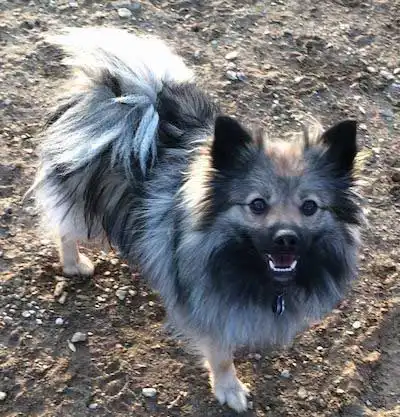
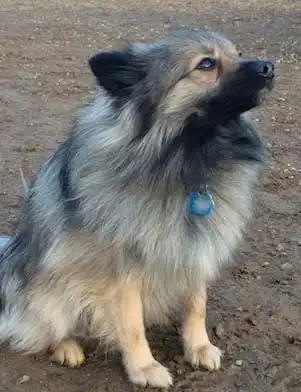
The Black Mouth Cur is a medium-sized dog breed recognized for its unique characteristics. Typically, it has a light tan coat, although it can also be found in various hues, including yellow, fawn, and brindle. One of the breed's most notable features is its black muzzle, paired with medium-sized ears that usually hang down. The tail can vary in length, being either short from birth or longer. Weighing up to 95 pounds, this breed generally sports a short coat. While they excel in outdoor environments, it's essential to remember that they lack a waterproof coat. In contrast, the Pomeranian is categorized as a toy breed. This small dog is available in a vast range of colors, such as black, black and tan, blue, blue and tan, chocolate, chocolate and tan, cream, cream sable, orange, orange sable, red, red sable, sable, brindle, and white. Pomeranians typically reach a maximum weight of around seven pounds and are characterized by a long top coat and a shorter undercoat. When examining the genetics of both parent breeds, the Black Mouth Pom Cur is anticipated to weigh around thirty pounds, akin to the size of early Pomeranians. This hybrid is expected to stand about twelve inches tall and is likely to inherit the long, silky outer coat typical of the Pomeranian. The coloration of the Pom Cur will largely reflect its Pomeranian ancestry, often displaying a light tan coat with black markings and a prominent black muzzle.


Care Routine
The Black Mouth Cur is known for its short coat, which simplifies grooming. Typically, a weekly brushing with a soft brush or grooming mitt suffices for this breed. On the other hand, the Pomeranian features a long, luxurious coat that demands more frequent grooming. These dogs are prone to significant shedding, especially during seasonal transitions when they lose their undercoats multiple times a year. Unspayed females may shed even more during their heat cycles, after giving birth, or when under stress. Experts recommend that Pomeranian owners brush their pets at least twice a week, utilizing a wire slicker brush and a metal comb. As a hybrid, the Black Mouth Pom Cur often inherits characteristics from both parent breeds, which can lead to a longer coat and an undercoat akin to that of the Pomeranian, necessitating similar grooming routines. Additionally, it’s crucial to brush your Black Mouth Pom Cur’s teeth at least three times a week and to trim their nails every two weeks.
Behavior & Temperament
The Black Mouth Cur was intentionally bred for hunting, and many experts consider it one of the top breeds for this purpose. This dog excels at pursuing medium-sized game and is also capable of taking on larger animals, such as bears. Furthermore, it is skilled in herding cattle. This breed has a natural talent for hunting, with breeders observing that it often picks up hunting techniques on its own. While it can be quite fierce during a hunt, the Black Mouth Cur is gentle, loyal, and protective with its family, typically getting along well with children. To effectively handle this breed, owners should be calm, confident, and assertive. It is recommended to begin training as soon as the puppy arrives home. Care should be taken around smaller animals; although it does not mean to harm them, its hunting instincts may provoke aggressive behavior towards non-canine pets. In contrast, the Pomeranian is celebrated for its sociable demeanor and enjoys being around both people and other animals. This breed often sees itself as larger than it is, which can lead to confrontations with other dogs. Pomeranians are alert and curious, but they may have a propensity to bark, making it beneficial to train them to bark on command from an early age. Most well-socialized Pomeranians do not exhibit the aggression mentioned earlier, which is particularly important when they are around small children, as some Pomeranians may not be suitable companions for them without adequate socialization. Considering these traits, the Black Mouth Pom Cur is likely to possess a vibrant personality, but early socialization is vital for it to adjust well to small children, unfamiliar individuals, and other dogs. Since both parent breeds can display dominant characteristics, starting training early is crucial. The Black Mouth Pom Cur combines the finest traits of both breeds, promising to be curious, intelligent, and alert.


Play & Exercise
The Black Mouth Cur is a highly active breed that flourishes in outdoor environments rather than confined indoor spaces. With a natural inclination to run and chase, this dog requires plenty of physical exercise. In a similar vein, the Pomeranian is also an energetic breed that seeks both mental and physical stimulation. Consequently, it follows that a Black Mouth Pom Cur would similarly need substantial engagement in these areas. While this mixed breed can adjust to living indoors, it is vital to ensure he gets enough exercise to maintain his well-being at home. Offering a range of intellectually stimulating toys is essential. Activities such as tug-of-war or fetch can tap into his hunting instincts from the Black Mouth Cur side, as well as the intelligence of the Pomeranian. Regular walks are advantageous for the Pom Cur, and trips to dog parks or allowing him to explore a secure outdoor area will effectively fulfill his exercise requirements.
Things to Know
Cups Per Day
3.0 Cups
Daily Activity
90 Minutes
Average Lifespan
14 Years
Origin
Unknown
Type
Crossbreeds
Size
Medium
Origin Country
United States
Brush Frequency
Weekly
Coat Texture
Straight
Register
Your kids have been begging for a pet forever, and you've recently decided that it's time for your family to get a new addition -- a dog! While everyone is excited for the new arrival, you're wondering if you need to have a dog license. How much does it cost? Is it required? Where do you get one?
Member Clubs
PETINNATE
Other
Height & Weight
Weight
25 lbs (11 kg)Male: 25 lbs (11 kg) , Female: 25 lbs (11 kg)
Height
11 inches (28 sm)Male: 11 inches (28 sm) , Female: 11 inches (28 sm)
Eye Colors
Brown

Nose Colors
Black
Coat Colors
Black
Fawn
Brindle
Blue
Cream
Sable
Red
White