Jack Russell Terrier
Parson Russell Terrier, Parson Terrier, Russell Terrier, JRT, PRT
The Jack Russell Terrier is a breed that has gained fame through popular television series like Frasier and Wishbone. Many fans have fallen in love with the quirky and endearing personalities of characters like Eddie from Frasier and Wishbone. However, the reality of owning a Jack Russell Terrier is quite different from what is depicted on screen. The dogs featured in these shows are supported by professional trainers and are given specific tasks to perform. In contrast, a real Jack Russell Terrier thrives on interaction and will actively seek out ways to entertain itself if its owner is busy. This breed is known for its high energy levels, relishing activities such as running, digging, and engaging in playful mischief. With the right training and an appropriate outlet for their considerable energy, they can make wonderful and loving companions.

Breed Origin
The Jack Russell Terrier is a classic example of a working terrier, named in honor of Reverend John Russell, who devoted his life to breeding these dogs specifically for fox hunting. Reverend Russell lived in Devonshire, England, and passed away in 1883. He was known for his lively character and passion for hunting foxes, with his first terrier, Trump, serving as the foundation of his breeding efforts. This breed is also commonly known as the Parson Russell Terrier or simply the Parson Terrier. Interestingly, the Jack Russell Terrier does not fit the traditional definition of a purebred, as its genetic makeup has remained quite diverse over the years. Breeders have often interpreted the breed standard loosely, leading to variations that do not strictly adhere to a single type. There has been a lack of consistent focus among breeders on establishing a definitive standard for this energetic and industrious terrier. Originally, the Jack Russell Terrier was bred exclusively for hunting, requiring it to be strong, fast, agile, and tenacious in its pursuit of foxes. Its adaptability allowed it to track prey both above and below ground, and it was also used to hunt woodchucks and raccoons. Initially, many Jack Russell Terrier owners and breeders were against the breed being recognized by the American Kennel Club (AKC), as there was already a dedicated registry through the Jack Russell Terrier Club of America. However, a small group of breeders pushed for official recognition, which led to the establishment of the Parson Russell Terrier Association of the United States, the AKC's parent club for the breed. In 1997, the AKC officially recognized the Jack Russell Terrier, and in 2003, the breed's name was officially changed to the Parson Russell Terrier.
Breed Appearance
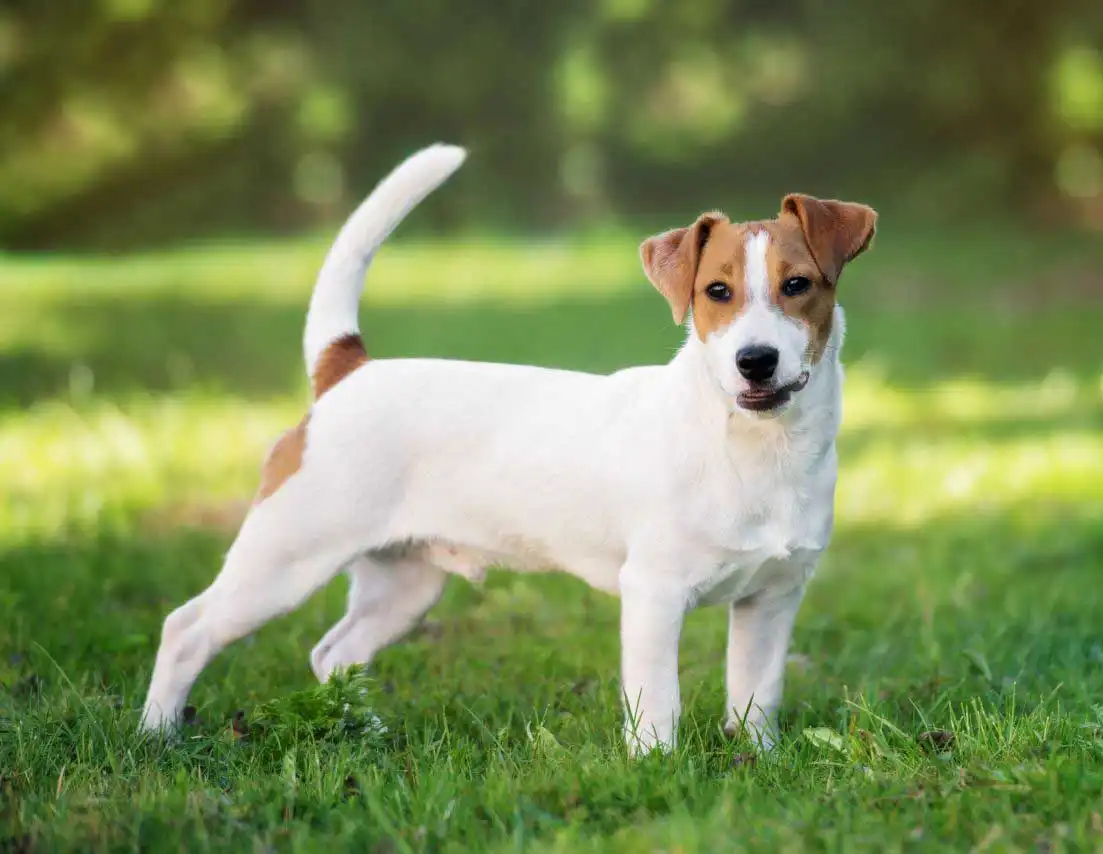
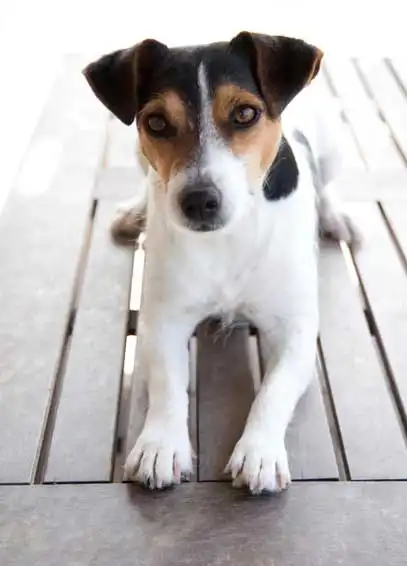
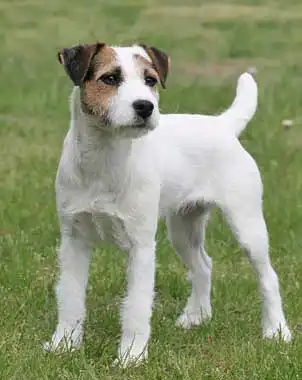
The Jack Russell Terrier is a compact, highly active breed known for its robust and muscular physique. This dog exudes confidence and tackles new situations with a determined spirit. The decision to dock the tail is a personal preference among owners of this breed. Jack Russells can have three types of coats: smooth, broken, or rough, all designed to withstand various weather conditions, featuring a softer undercoat beneath a tougher outer layer. The smooth coat is defined by its short, coarse texture and dense undercoat. The broken coat serves as a middle ground between the smooth and rough varieties, often showcasing a ridge along the back and longer hair on the face. In contrast, the rough coat is longer, with a harsher texture, and is also supported by a thick undercoat. Regardless of the coat type, it should never appear thin, curly, silky, or woolly. When it comes to coloration, the Jack Russell Terrier should primarily be white, accented with black and/or tan markings. To adhere to breed standards, at least 51% of the coat must be white; anything below this threshold is deemed a significant fault. The tan hues can vary from lemon to mahogany, and some degree of ticking or freckling is acceptable.
Care Routine
The Jack Russell Terrier, regardless of whether it has a smooth or broken coat, generally requires minimal grooming. On the other hand, the rough-coated variant does need a bit more care, yet it remains a low-maintenance breed overall. All three coat types benefit from being brushed several times a week to control shedding and remove dirt and debris. Grooming the rough-coated Jack Russell will take more time, and using a natural bristle brush is recommended for this purpose. A comb may also be necessary to address any tangles in the rough fur. Nail trimming should be performed as needed, typically every couple of weeks. It's crucial to clean the ears weekly, paying attention to any signs of redness or unpleasant smells that could indicate an infection. Regular dental hygiene is equally important; brush the dog's teeth often with a veterinarian-approved toothpaste, and if there is a significant buildup of plaque, a professional cleaning may be required. Establishing a grooming routine early in the dog's life will help him acclimate to the process and feel more at ease during grooming sessions.
Behavior & Temperament
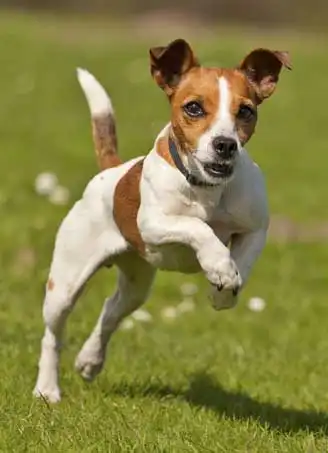
The Jack Russell Terrier is celebrated for its friendly, sociable, and highly energetic disposition. This breed is affectionate and playful with its family, making it a wonderful companion, as long as the family understands its unique requirements. It’s essential to recognize that leaving a Jack Russell Terrier alone in the backyard for entertainment can result in destructive behaviors and excessive barking. Providing engaging toys that stimulate their intellect is particularly advantageous for this breed. This dog thrives in various canine sports, such as agility, earthdog trials, dock diving, and terrier races. While he generally gets along well with older children, he may not be as tolerant of toddlers. If provoked—like having his ears or tail tugged—he might growl or even bite, regardless of whether the instigator is a child or an adult. When it comes to interactions with other pets, careful supervision is vital, especially around cats and small animals, as he may see them as prey. Some Jack Russell Terriers can live harmoniously with indoor cats if they are raised together from a young age. However, he should never exhibit aggression towards other dogs.
Play & Exercise
Things to Know
Cups Per Day
0.0 Cups
Daily Activity
0 Minutes
Average Lifespan
15 Years
Origin
Unknown
Type
Pure Breeds
Size
Small
Origin Country
England
Brush Frequency
Weekly
Coat Texture
Straight
Register
Your kids have been begging for a pet forever, and you've recently decided that it's time for your family to get a new addition -- a dog! While everyone is excited for the new arrival, you're wondering if you need to have a dog license. How much does it cost? Is it required? Where do you get one?
Member Clubs

PETINNATE
Terrier

UKC
Terrier
Height & Weight
Weight
16 lbs (7 kg)Male: 16 lbs (7 kg) , Female: 16 lbs (7 kg)
Height
12 inches (30 sm)Male: 12 inches (30 sm) , Female: 12 inches (30 sm)
Eye Colors
Brown

Nose Colors
Black
Coat Colors
Black
White
Characteristics
Mixes
American Bull-Jack
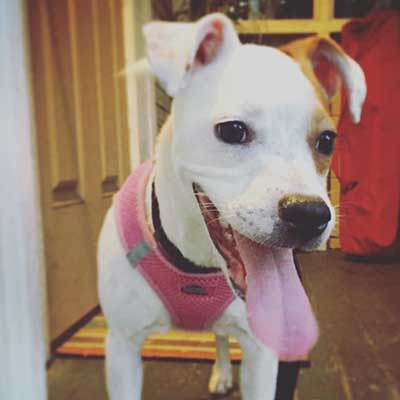
The American Bull-Jack remains relatively obscure, and many individuals mistakenly link its ancestry to the English Bulldog and Jack Russell Terrier. In truth, this hybrid is a combination of the American Bulldog and the Jack Russell Terrier. The American Bulldog imparts its robust size and strength, while the Jack Russell Terrier infuses a vibrant and playful spirit into the breed. Ideally, the American Bull-Jack is designed to represent a harmonious fusion of both parent breeds, making it an excellent companion for families. However, due to its keen intelligence and energetic nature, this breed is best suited for seasoned dog owners who can dedicate the necessary time and care to its training.
Read more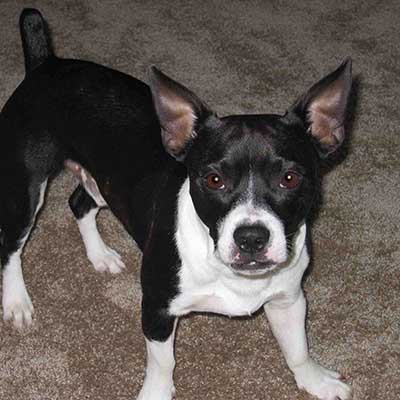
Bo-Jack
The Bo-Jack is an energetic small to medium-sized dog that exudes personality. Its appearance features a bulldog-like face, thanks to its heritage, along with pointed ears reminiscent of a Boston Terrier. Typically, their coats display a mix of colors, including combinations of white and black, gold and white, brown and white, or tan and white, all characterized by a short, waterproof, and weather-resistant texture. While the Boston Terrier was initially bred for combat and the Jack Russell for hunting, the Bo-Jack distinguishes itself as a loving, gentle companion that is both playful and vibrant. This breed thrives on regular exercise and attention, making it crucial to ensure you can fulfill these requirements before bringing a Bo-Jack into your family.
Read more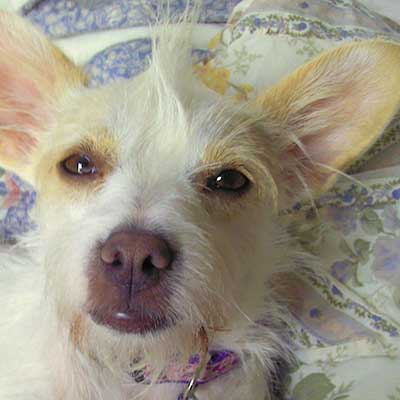
China Jack
The China Jack is a hybrid dog breed that results from crossing a Chinese Crested with a Jack Russell Terrier. Typically, these small dogs weigh up to 17 pounds and stand about 14 inches tall. Their physical appearance showcases a blend of characteristics and colors inherited from their parent breeds, which can range from white, black, brown, to red. The Chinese Crested can either be hairless, sporting silky fur on its head, lower legs, and tail, or it may have a full coat known as a Powderpuff, with colors that can be solid or spotted. On the other hand, Jack Russells are often found in combinations of tan and white, black and white, or a tricolor mix of black, tan, and white. They also come in three coat types: smooth, rough, and broken, the latter being a combination of the first two. Known for their lively nature, China Jacks are wonderful companions and require moderate grooming to maintain their coats.
Read more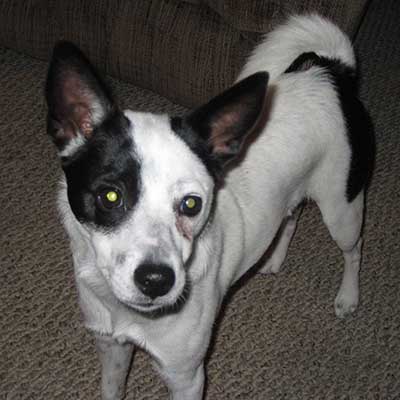
Eskijack
The Eskijack is a mixed breed resulting from the combination of the American Eskimo Dog and the Jack Russell Terrier. This small dog is available in various colors and is characterized by its high energy levels and a tendency to escape. The Jack Russell Terrier, one of its progenitors, is well-known for its cleverness and playful antics, while also being deeply devoted to its family. The Eskijack typically has a medium-length coat that can be either rough or smooth, reflecting the traits inherited from its Jack Russell lineage. This energetic breed flourishes in a home with a yard, where it can engage in play and exploration.
Read more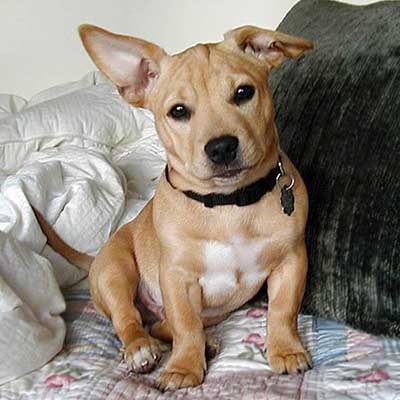
French Bull Jack
The French Bull Jack is a loving and intelligent mixed breed, born from the charming union of the French Bulldog and the Jack Russell Terrier. Both parent breeds are compact in size but boast vibrant personalities. One is generally more relaxed, while the other is brimming with energy, which can make it difficult to gauge the activity level of these dogs. Keeping your pet mentally stimulated is essential, but it's crucial to avoid overexertion, especially in warm weather. With their energetic nature, they flourish in a large, securely enclosed yard.
Read more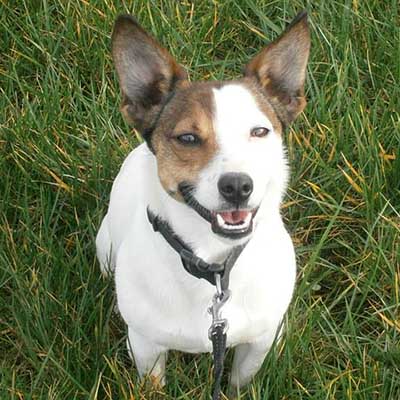
Husky Jack
The Husky Jack is an energetic hybrid breed created by crossing a Siberian Husky with a Jack Russell Terrier. Renowned for their spirited personalities, these dogs exhibit traits of boldness, loyalty, and affection. Generally, they are medium-sized, weighing between 30 and 40 pounds and standing 17 to 19 inches tall, with a lifespan of approximately 11 to 16 years. Their coats are short and smooth, showcasing a variety of colors, including white, black, gray, red, sable, and agouti, often highlighted by markings in shades of black, brown, tan, cream, or even tri-color combinations. While the Husky Jack has become increasingly popular since the late 20th century, it is not officially recognized as a breed by the American Kennel Club (AKC) due to its ongoing development and lack of standardization.
Read more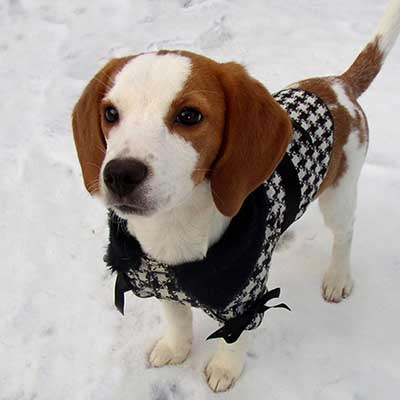
Jack-A-Bee
The Jack-A-Bee is a relatively new hybrid breed, resulting from the crossbreeding of a Jack Russell Terrier and a Beagle. While there is limited historical data specifically about this hybrid, there is a wealth of information available about its parent breeds. The Jack-A-Bee originated in the United States, though the precise timeline of its creation is not well-documented. Both the Jack Russell Terrier and the Beagle come from the UK and share similar personality traits, such as alertness, friendliness, gentleness, independence, intelligence, loyalty, and a charming demeanor. In terms of care, the Jack-A-Bee is regarded as low-maintenance, whereas its parent breeds tend to shed moderately to heavily. This hybrid typically has a medium build, showcasing a body that reflects its Terrier ancestry and a face that highlights its Beagle roots.
Read more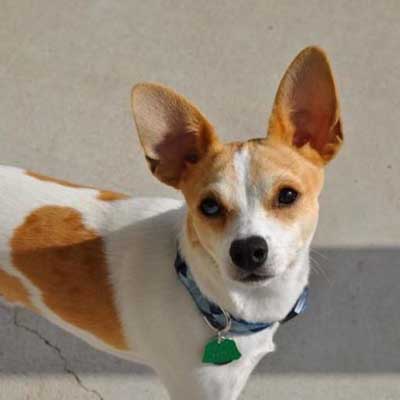
Jack Chi
The Jack Chi is a relatively recent hybrid breed, created by crossing the Jack Russell Terrier with the Chihuahua. Given its novelty, there is not much historical information available about this dog. The trend of developing hybrid dogs from purebred parents has gained popularity over the past two to three decades, indicating that the Jack Chi likely emerged around the 1980s or 1990s. This small to medium-sized dog appears to have been intentionally bred for companionship. Owners frequently describe the Jack Chi as sweet, affectionate, friendly, playful, alert, and energetic. When it comes to grooming and care, the Jack Chi is generally low maintenance, needing only weekly brushing. However, if the Chihuahua parent was a long-haired type and that trait is evident in the hybrid, more frequent brushing may be required. Bathing should be done only as necessary to keep the coat clean and smelling fresh.
Read more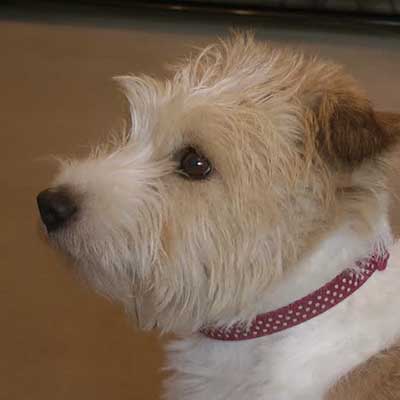
Jack Highland Terrier
The Jack Highland Terrier is a hybrid breed resulting from the crossbreeding of a Jack Russell Terrier and a West Highland White Terrier. This combination brings together similar personality traits from both parent breeds, such as affection, alertness, cheerfulness, courage, friendliness, and a sense of independence. Notably, the Jack Russell Terrier contributes additional qualities like gentleness, intelligence, energy, and loyalty to the mix. In terms of physical characteristics, the Jack Highland Terrier typically showcases a blend of features from both breeds, often displaying a compact or athletic physique along with dark, expressive eyes that reflect their intelligence and vigilance. This breed can be found in a variety of colors, including solid white, white with black or tan markings, and a tricolor pattern of black, white, and tan. Grooming needs for the Jack Highland Terrier are generally moderate, requiring occasional baths and regular brushing several times a week.
Read more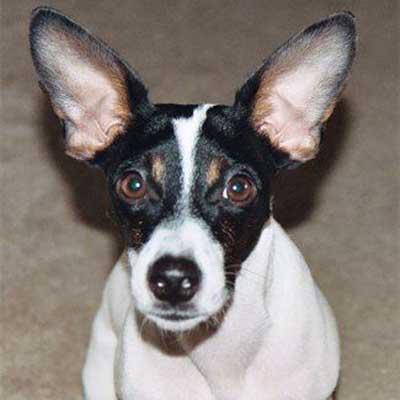
Jack-Rat Terrier
The Jack-Rat Terrier, often known as the Jersey Terrier, is a hybrid breed that emerges from the union of the Rat Terrier and the Jack Russell Terrier. This lively dog is marked by its boundless energy, bravery, and sharp awareness, always ready for action. Although it has a compact build, the Jack-Rat Terrier is fiercely protective of its family and tends to bark at anything it deems suspicious, even the television. In terms of appearance, this medium-sized breed exhibits traits from both of its parent breeds, featuring upright ears, expressive eyes, and a docked tail. Its coat consists of a short, smooth double layer that sheds regularly. If you’re looking for a small companion with a vibrant personality, the Jack-Rat Terrier might be the perfect fit. However, it’s crucial to remember that while this breed typically interacts well with children, it has a strong instinct to chase smaller animals. Thus, early socialization and training are vital for this breed, as they are for any terrier.
Read more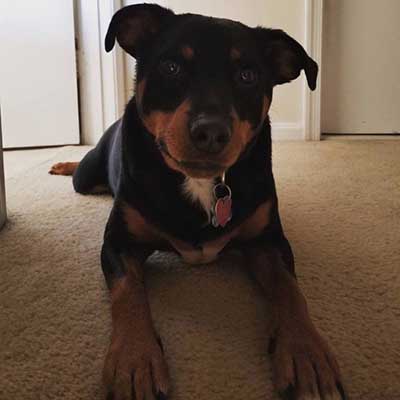
Jackweiler
The Jackweiler is a newly created designer breed that emerges from the combination of a Jack Russell Terrier and a Rottweiler. Renowned for their loyalty and intelligence, these dogs display a variety of looks and personalities. They are not well-suited for apartment living and may need less exercise in hot conditions, depending on their coat type. On average, Jackweilers live between 8 to 16 years and are typically healthy pets. This breed does not require special care and generally gets along well with other animals, as long as they are properly socialized during their early development.
Read more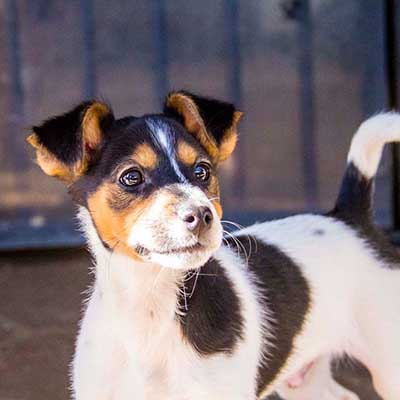
Mini Foxy Russell
The Mini Foxy Russell is a hybrid breed resulting from the combination of the Mini Fox Terrier and the Jack Russell Terrier. This breed truly embodies the spirited nature of Terriers, showcasing both high energy and courage. It is recognized by five different canine registries and competitive organizations. However, there is a scarcity of detailed information regarding the Mini Foxy Russell, which is also known as the Foxy Russell. Due to the lack of standardized guidelines for this mix, its physical traits can vary widely. Families who choose to bring this spirited dog into their lives often find that, while he may exhibit a bit of stubbornness at times, he undoubtedly adds a vibrant sense of joy and excitement to their home!
Read more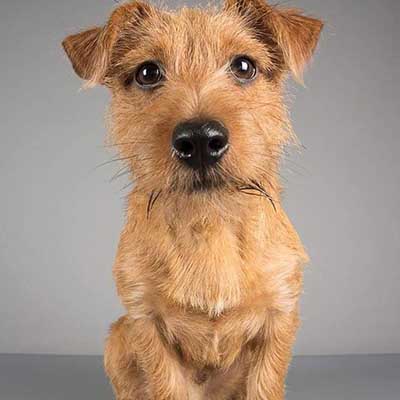
Norjack
The Norjack is an uncommon designer dog, intentionally bred from two energetic terrier breeds: the Norfolk Terrier and the Parson Jack Russell Terrier. Both of these parent breeds are relatively recent, having been developed over the past two hundred years. The Parson Jack Russell was created in the 19th century to serve as a fox hunting companion, specifically trained to corner and hold a fox until hunters could arrive. On the other hand, the Norfolk Terrier was established in the 20th century, descending from a proficient rat catcher found in the urban areas surrounding Cambridge University. This hybrid breed is recognized for its intelligence, but it can also be quite demanding, requiring ample socialization, training, and attention to flourish.
Read more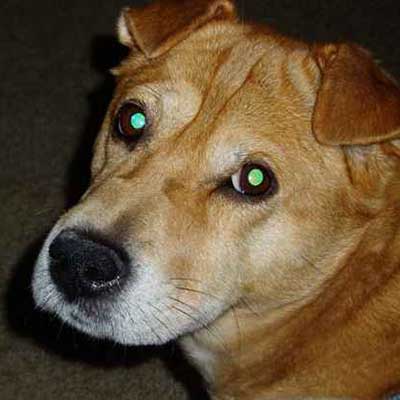
Rus-A-Pei
The Rus-A-Pei is a meticulously developed designer breed, emerging from the deliberate combination of the ancient Chinese Shar-Pei, historically recognized for its role as a guardian and protector, and the spirited Parson or Jack Russell Terrier, celebrated for its determination as a fox hunter. This breed is marked by its lively disposition and independent nature, along with a keen intelligence that can occasionally manifest as stubbornness. Consequently, it is recommended that Rus-A-Pei owners who are inexperienced in training consider enrolling their dogs in obedience classes and seeking advice from experienced trainers. Although training these dogs may present some challenges, their high level of intelligence means that, with the right mix of exercise, attention, and mental stimulation, they can grow into loyal, charming, and well-behaved companions.
Read more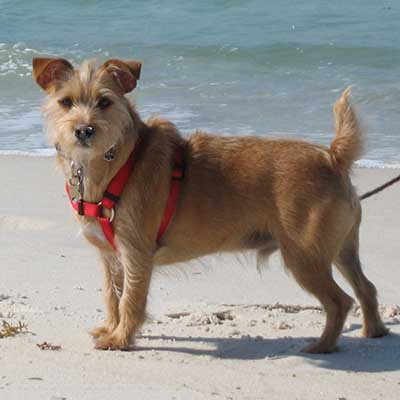
Rustralian Terrier
The Rustralian dog is a delightful mix of the Australian Terrier and the endearing Jack Russell. This unique combination creates a sturdy little terrier whose personality is much larger than its physical stature. Affectionate and playful, the Rustralian Terrier serves as a remarkable source of happiness despite its small size. They thrive on social interaction and can feel quite lonely if left alone for too long. While they are cheerful companions, they may exhibit a touch of stubbornness; however, with a patient and firm yet gentle approach, this can be effectively managed. It’s essential to establish that they are not the ones in charge; they respond best to a respectful owner. Their expressive faces, lively energy, and friendly nature make them wonderful family pets. Although they start off small as puppies, it’s vital to teach children to handle them with care, as they may appear tough but are still quite delicate. They respond well to training, particularly when encouraged with praise and small treats. With their charming, playful, and joyful personalities, they truly make for loving companions.
Read more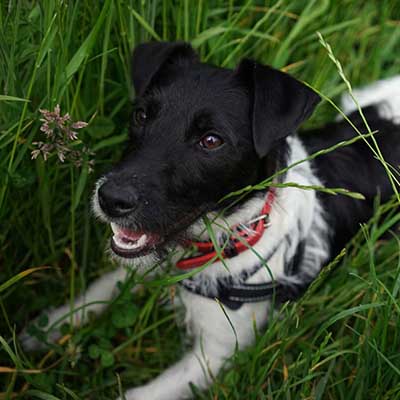
Patterjack
The Patterjack is a mixed breed resulting from the crossbreeding of a Patterdale Terrier and a Jack Russell Terrier. Puppies from the same litter can exhibit considerable variation in appearance and temperament, yet they commonly possess a sturdy physique and an energetic nature. With roots in a working background, these dogs need consistent physical activity and mental stimulation to prevent the emergence of negative behaviors. Standing at a height of up to 14 inches, this resilient breed can pose challenges for inexperienced owners. It is vital to establish clear leadership, as they flourish under the direction of a confident owner whom they can respect. Without proper training or established boundaries, they may display stubbornness or even aggression. However, when managed effectively, Patterjacks are loving, loyal, and protective companions. They typically interact well with children, assuming they have been properly socialized, but it is always important to supervise any interactions between young children and dogs.
Read more