Jack Highland Terrier
Unknown
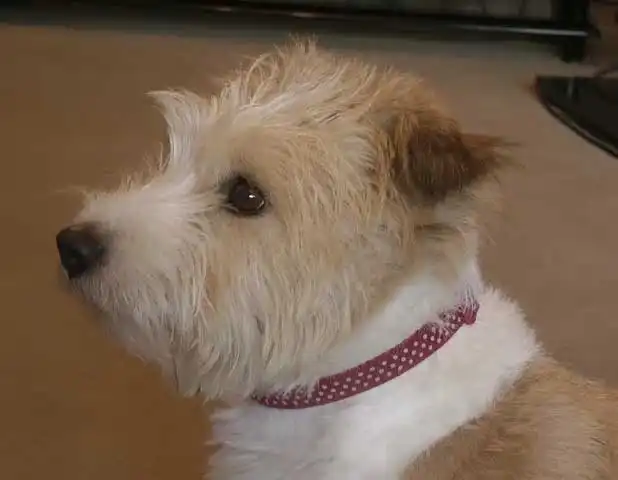
The Jack Highland Terrier is a hybrid breed resulting from the crossbreeding of a Jack Russell Terrier and a West Highland White Terrier. This combination brings together similar personality traits from both parent breeds, such as affection, alertness, cheerfulness, courage, friendliness, and a sense of independence. Notably, the Jack Russell Terrier contributes additional qualities like gentleness, intelligence, energy, and loyalty to the mix. In terms of physical characteristics, the Jack Highland Terrier typically showcases a blend of features from both breeds, often displaying a compact or athletic physique along with dark, expressive eyes that reflect their intelligence and vigilance. This breed can be found in a variety of colors, including solid white, white with black or tan markings, and a tricolor pattern of black, white, and tan. Grooming needs for the Jack Highland Terrier are generally moderate, requiring occasional baths and regular brushing several times a week.
Breed Origin
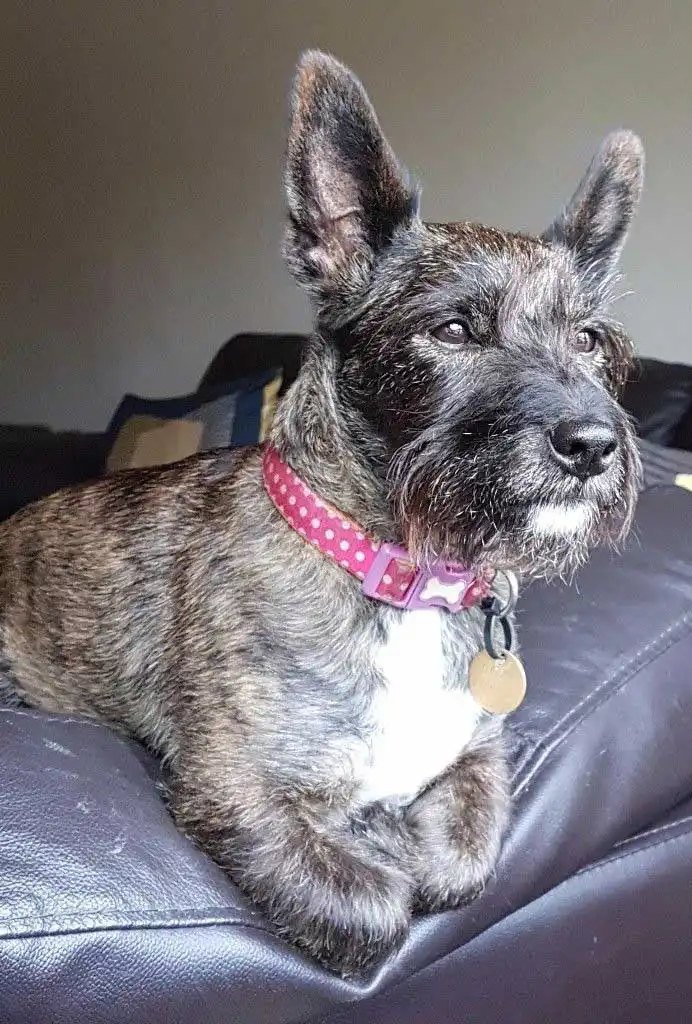
The Jack Highland Terrier is a relatively recent hybrid breed, created by crossing a Jack Russell Terrier with a West Highland White Terrier. Although detailed information about this specific hybrid is limited, there is extensive knowledge available about its parent breeds. This section will delve into the traits and history of both of these foundational breeds. As a hybrid, the Jack Highland Terrier may exhibit a combination of physical and behavioral traits inherited from one or both of its parent breeds. Both the Jack Russell Terrier and the West Highland White Terrier were originally developed for hunting purposes in their respective regions and time periods. The Jack Russell Terrier emerged in the United Kingdom in the 1800s, specifically bred for hunting and tracking. This breed is known for its agility, allowing it to keep up with foxhounds while being small enough to navigate burrows and flush out foxes, a task that larger hounds often found challenging. Conversely, the West Highland White Terrier was established in Scotland prior to 1904, making its first appearance under its current name at the Scottish Kennel Club dog show in Edinburgh. It received recognition from The Kennel Club in England in 1906, was introduced to the United States in 1905, and was initially recognized by the American Kennel Club in 1908 as the Roseneath Terrier, a name that was later changed to West Highland White Terrier in 1909. Like its counterpart, this breed was also bred for hunting, particularly targeting vermin such as rats, rabbits, badgers, and foxes. While the American Kennel Club does not officially recognize the Jack Russell Terrier, it does acknowledge the Parson Jack Russell Terrier. However, the Jack Russell Terrier is recognized by various organizations, including the Australian National Kennel Council, the American Rare Breed Association, the American Russell Terrier Club, the Irish Kennel Club, and the FCI. The West Highland White Terrier has been recognized by the American Kennel Club since 1908.
Breed Appearance
The Jack Highland Terrier is available in a range of colors, such as solid white, white with black or tan markings, or a tricolor mix of black, white, and tan. Its coat is usually dense and double-layered, which can be either smooth or broken, with lengths that vary from short to longer. To maintain its coat, regular grooming is crucial, with weekly brushing recommended and bathing done only when necessary. This hybrid breed typically measures between 10 to 14 inches in height and weighs around 13 to 21 pounds, depending on the dominant characteristics inherited from its parent breeds. In terms of physical appearance, the Jack Highland Terrier tends to have a compact and muscular physique, featuring strong hindquarters that enhance its agile, springy movement, a trait passed down from the Jack Russell parent. The dog is characterized by large, non-protruding eyes and a broad ear set, with ears that may stand erect or form a V-shape, either curling or folding over. Its teeth usually meet in a scissors bite and may seem relatively large in proportion to its head. The feet are expected to be round, compact, and well-padded. The muzzle may resemble that of the Jack Russell or be slightly smaller, similar to the West Highland White Terrier. The tail can vary in length and is often held high or slightly curled over the back.

Care Routine
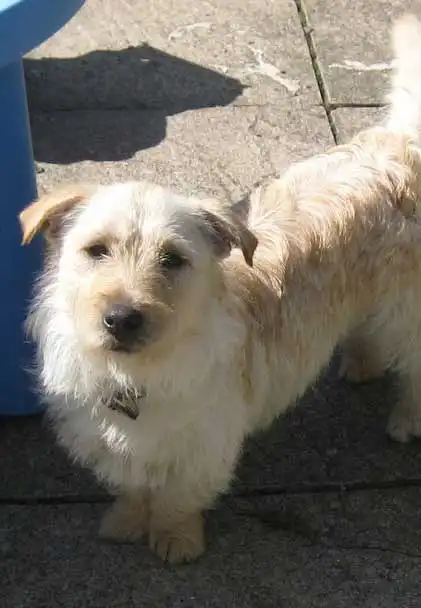
The Jack Russell is not considered hypoallergenic, in contrast to the West Highland Terrier, which is. Therefore, the hypoallergenic traits of their hybrid offspring will depend on which parent breed exerts a stronger genetic influence. Shedding tendencies will also differ; the West Highland has a low shedding rate, while the Jack Russell tends to shed more consistently. The length of the coat will be determined by the dominant breed, with the West Highland typically sporting a longer coat. This may require more frequent grooming, possibly necessitating two brushing sessions each week instead of one. Bathing requirements for both breeds are quite similar, as they should only be bathed when absolutely necessary. It’s recommended to wipe their coats between baths to keep them clean. Like most dog breeds, regular ear checks and cleaning, along with consistent dental care, are crucial to prevent ear infections and periodontal issues that could lead to tooth loss over time. Additionally, eye health should be monitored both at home and by a veterinarian. Simple at-home eye checks involve ensuring the area around the eyes is clean and addressing any dirt as needed.
Behavior & Temperament
The Jack Highland Terrier is a hybrid breed that combines traits from its parent breeds: the Jack Russell Terrier and the West Highland White Terrier. This mix often displays characteristics such as alertness, affection, bravery, cheerfulness, friendliness, independence, high energy, gentleness, intelligence, and loyalty. While this breed generally interacts well with children and strangers, it may struggle to coexist with cats and smaller animals, as both parent breeds were originally bred for hunting small game. To foster positive interactions with kids, strangers, and smaller pets, early socialization is crucial. Renowned for its high energy levels, the Jack Highland Terrier requires plenty of daily exercise to effectively manage its vigor and avoid the destructive behaviors that can arise from boredom. Like its parent breeds, this dog is an energetic, loving, and playful companion that delights in running and playing. With a strong sense of smell, it has a natural tendency to explore captivating scents. Its curiosity keeps it engaged throughout the day, but if left alone for too long, it may resort to mischief.


Play & Exercise
Your Jack Highland Terrier mix will infuse your home with a vibrant energy. Both of his parent breeds are recognized for their high activity levels, which means he will need between 60 to 80 minutes of exercise daily to remain healthy and content. This exercise can take many forms, including several walks throughout the day, playtime at the dog park, vigorous games of fetch in the yard, or participation in obedience and agility training. As an intelligent breed, your dog requires both physical activity and mental engagement; without it, his inquisitive nature and sharp sense of smell could lead him to trouble if left alone for too long. He has a propensity to chew and dig, and when paired with his cleverness, this can turn him into quite the escape artist. Thus, it’s crucial to keep him on a leash during walks, as he will eagerly pursue enticing scents he encounters. His small stature makes him a perfect companion for apartments and condos, provided he gets enough exercise. He will flourish in a family setting, whether or not there is a fenced yard, as long as he receives his daily activity. This versatile dog can adapt well to both rural and urban living, regardless of the weather, as long as he has proper shelter from extreme temperatures.
Things to Know
Cups Per Day
1.0 Cups
Daily Activity
80 Minutes
Average Lifespan
14 Years
Origin
Unknown
Type
Crossbreeds
Size
Small
Origin Country
United Kingdom, Scotland
Brush Frequency
Weekly
Coat Texture
Straight
Register
Your kids have been begging for a pet forever, and you've recently decided that it's time for your family to get a new addition -- a dog! While everyone is excited for the new arrival, you're wondering if you need to have a dog license. How much does it cost? Is it required? Where do you get one?
Member Clubs

PETINNATE
Other
Height & Weight
Weight
17 lbs (8 kg)Male: 17 lbs (8 kg) , Female: 17 lbs (8 kg)
Height
12 inches (30 sm)Male: 13 inches (33 sm) , Female: 12 inches (30 sm)
Eye Colors
Brown
Nose Colors
Black
Coat Colors
White
Black