Dog Breeds by Drooling Potential
Drooling Potential refers to how a dog typically behaves or responds in everyday situations. Individual dogs may vary based on training, environment, and genetics.
Drool-prone dogs may drape ropes of slobber on your arm and leave big, wet spots on your clothes when they come over to say hello. If you've got a laid-back attitude toward slobber, fine; but if you're a neatnik, you may want to choose a dog who rates low in the drool department.
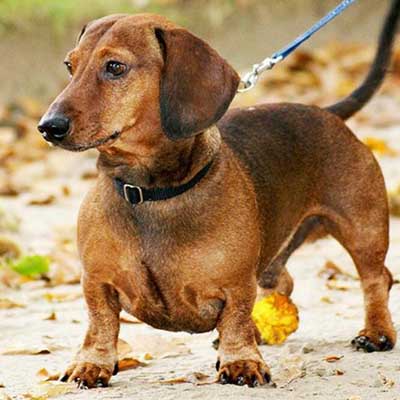
Dachshund
Since the 1950s, Dachshunds have consistently been among the most beloved dog breeds. With their distinctive long bodies and short legs, these dogs are not only charming but also exhibit a spirited and courageous personality. Although they possess intelligence, training can be challenging, especially if the techniques used become repetitive. Their inherent stubbornness often leads them to prefer their own methods. Originally developed in Germany for hunting small game, these characteristics are still apparent in their behavior today, which may manifest as a tendency to chase smaller animals or dig in the yard. Dachshunds are lively both indoors and outdoors, allowing them to adapt well to a variety of living environments.
Read more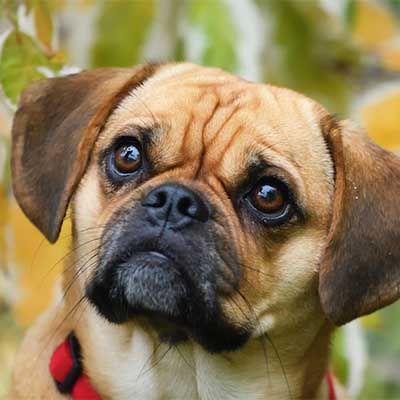
Puggle
The Puggle is a mixed breed that emerges from the crossbreeding of a Pug and a Beagle, first appearing in the United States in the 1980s. This breed beautifully combines the Pug's delightful wrinkles and loving nature with the Beagle's longer tail and snout, which can help alleviate some of the breathing difficulties often seen in brachycephalic breeds. However, Puggles are still known to snore and snort, but their charming personalities and friendly demeanor often cause owners to overlook these traits. They make wonderful family pets, although they can sometimes be headstrong and uncooperative. Puggles also have a propensity to wander and howl, yet their playful and affectionate nature typically endears them to those around them. Regular grooming is important, as they tend to shed quite a bit, helping them maintain a polished appearance.
Read more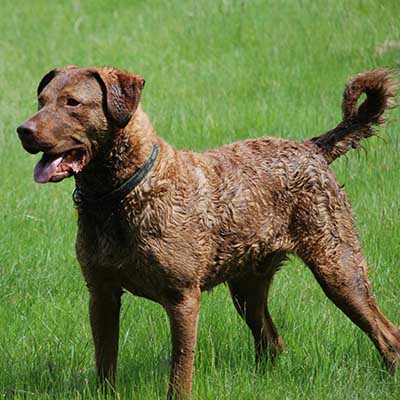
Chesapeake Bay Retriever
The Chesapeake Bay Retriever is a distinctive breed that sets itself apart from other Retrievers. This breed traces its roots back to two Lesser Newfoundland puppies, also referred to as St. John’s Water Dogs, which were saved by an American ship following a shipwreck near Maryland in 1807. These dogs were subsequently crossbred with local breeds, including Water Spaniels, Setters, and Hounds, in a somewhat haphazard manner. Although they share similar roles with other Retrievers, their genetic background is quite unique. Chesapeake Bay Retrievers are known for their striking looks, featuring a slightly oily, musky, waterproof wavy brown coat, captivating amber eyes, and a sturdy, muscular physique. While they are now mainly cherished as family pets and hunting companions, their initial role was to retrieve waterfowl. Renowned for their cheerful disposition, intelligence, and eagerness to please, these dogs excel in work, especially in water-related tasks. Their grooming requirements are relatively low, needing only a weekly brushing and a bath every three to four months. Due to their energetic and robust nature, they benefit from regular, vigorous exercise, whether through walking, running, or hunting geese. To ensure their proper development, consistent training combined with firm yet affectionate discipline is crucial.
Read more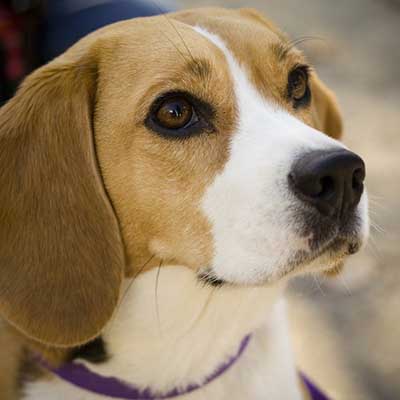
Beagle
The Beagle is frequently seen as one of the most laid-back and cheerful dog breeds. With a lively and amusing demeanor, this breed spreads happiness to those around it. Originating in England in the early 1800s, Beagles were originally developed for tracking and hunting rabbits. They flourish when allowed to explore their environment, utilizing their exceptional sense of smell, which can sometimes lead them into playful trouble. As scent hounds, Beagles have ancestry that includes the Talbot Hound, North Country Beagle, and Southern Hound. Their compact and muscular build makes them an ideal companion. Beagles are easily identifiable by their droopy ears and endearing expressions. Their short, smooth coats require little maintenance; a simple weekly brushing with a rubber curry brush is enough to keep them looking their finest.
Read more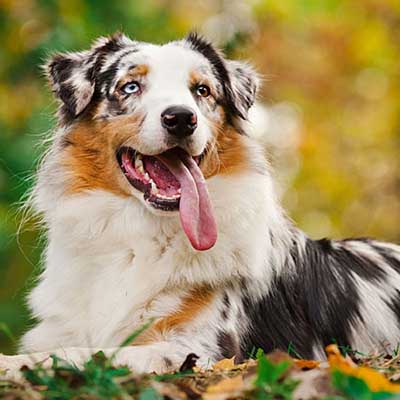
Australian Shepherd
The Australian Shepherd is a remarkably intelligent and loyal companion, yet it is also a breed brimming with energy that flourishes with active involvement. Renowned for its prowess in a variety of canine sports such as herding trials, tracking, agility, flyball, tricks, and obedience, the Aussie—its affectionate nickname—demands a household that can provide consistent training, structure, and plenty of physical exercise. This breed possesses a strong herding instinct, often leading it to nip at or bark at animals, people, and objects. If not given a specific task to engage with, the Australian Shepherd may exhibit disruptive and destructive behaviors. Interestingly, despite its name, the breed was actually developed in the United States for herding purposes.
Read more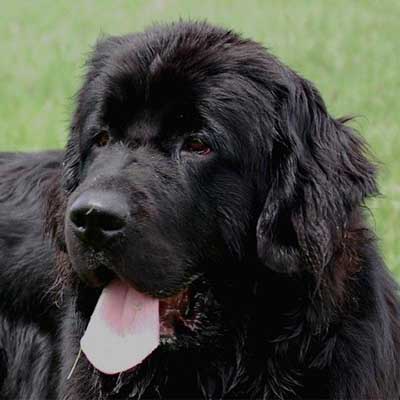
Newfoundland
The Newfoundland is a breed that originates from North America, specifically Newfoundland Island in Canada. While the exact beginnings of this breed are not entirely clear, it is thought that European fishermen introduced its ancestors to the island. Some theories propose that the Newfoundland may have descended from the white Great Pyrenees, while others suggest a connection to a French hound. Originally developed as a multi-purpose water dog and fishing aide, the Newfoundland has since become crucial in water rescue efforts. This sizable breed generally weighs between 130 and 150 pounds, with males reaching about 28 inches in height and having a body that is slightly longer than it is tall. With their sturdy build and strong bones, Newfoundlands have the power needed to rescue individuals from drowning, even in rough waters. Their webbed feet and water-resistant fur aid in swimming, while their strong, effortless gait enhances their ability to pull effectively.
Read more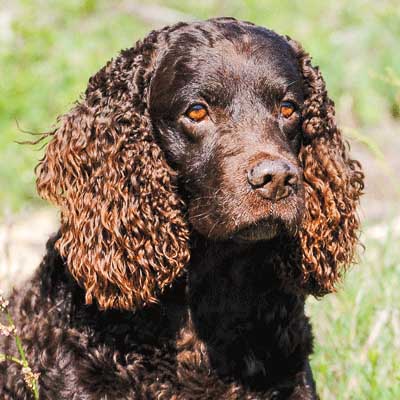
American Water Spaniel
The American Water Spaniel is a compact breed with a rich brown coat, tracing its roots back to the Midwestern United States in the 18th century. Originally developed as a hunting companion for waterfowl, pheasants, and rabbits, this breed is known for its lively and confident presence in the field, although it may show some timidity around unfamiliar people. Equipped with a double coat that effectively repels water and webbed feet, the American Water Spaniel thrives in aquatic settings, but it does need consistent grooming to keep its fur healthy and clean. Beneath its dense, curly exterior lies a strong, agile body, enabling the American Water Spaniel to gracefully jump in and out of small boats or canoes without creating a disturbance.
Read more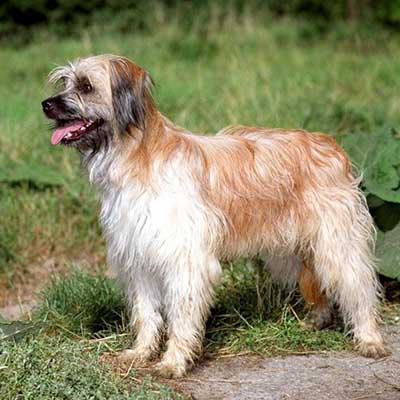
Berger Des Pyrenees
The Pyrenean Shepherd, originating from the Pyrenees Mountains in France around 6000 BC, boasts a rich history of herding and protecting sheep and goats. During World War I, these dogs played crucial roles as messengers, sentinels, and rescue animals. After the war, the energetic Pyr Shep continued its herding and guarding responsibilities while also gaining recognition in competitions and exhibitions. This cheerful breed comes in two distinct types: the rough-faced variety, known for its thick, coarse coat, and the smooth-faced type, which has a softer, finer fur. The Pyrenean Shepherd thrives in an active home environment.
Read more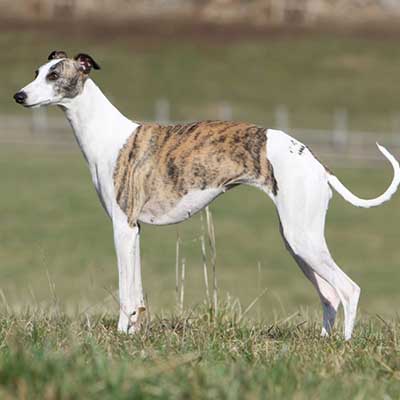
Whippet
The Whippet is a graceful breed that shares a close lineage with the Greyhound and hails from England. Originally developed for rabbit-luring competitions, these dogs later took part in rag races. With their slender build, Whippets are incredibly athletic and excel in a variety of canine sports, including agility, flyball, and lure coursing. They are known for their gentle nature, generally displaying good behavior around children and other dogs. However, it's important to exercise caution when they are around smaller pets, such as cats, as their instincts may lead them to see these animals as potential prey. Although they are vigilant and make good watchdogs, they do not possess the aggression needed to function as reliable guard dogs for your home.
Read more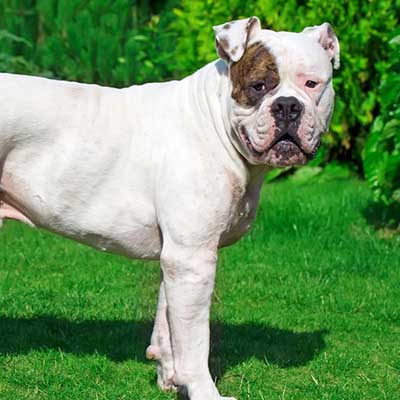
American Bulldog
The American Bulldog is a strong and athletic breed that, despite its imposing appearance, has a gentle disposition and a playful nature. This breed is divided into two main categories: the Johnson type, often called the Bully or Classic type, which has a stockier frame and a shorter muzzle similar to that of the English Bulldog; and the Scott type, known as the Standard or Performance type, which is more agile, featuring a longer muzzle and a squarer head. Many American Bulldogs today are hybrids of these two varieties. Frequently confused with the often-misunderstood American Pit Bull Terrier, the American Bulldog is a distinct breed with its own characteristics that make it not only an excellent working dog but also a loving family pet. Beneath their tough exterior lies a sensitive and emotional nature, which allows them to be highly aware of their surroundings. This sensitivity contributes to their success as family companions, particularly in households with children, as they relish playful interactions and can sense the mood of their environment. These dogs are celebrated for their affectionate personalities and strong self-assurance, which often translates into loyalty, obedience, and a protective instinct. However, because they can be reserved around unfamiliar people and other dogs, early socialization and training are crucial for their development in diverse social situations. As a high-energy breed, they thrive in homes with ample outdoor space and regular exercise, although they can adapt to apartment living if their owners lead an active lifestyle that includes them.
Read more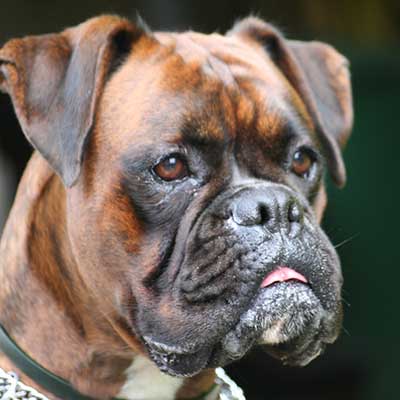
Boxer
The Boxer breed traces its roots back to Germany in the early 19th century, where it was originally developed for use as a bait and fighting dog, as well as a loyal guardian. Its strong, muscular, and agile build made it ideal for these roles until the prohibition of bull baiting and dog fighting. Since then, the Boxer has gained immense popularity around the globe, renowned for its loyalty, playful nature, and high energy, which make it an excellent family pet. Furthermore, Boxers are recognized for their self-grooming tendencies, resulting in relatively low grooming needs. However, it is crucial to provide them with sufficient mental and physical stimulation; without it, they may exhibit undesirable behaviors.
Read more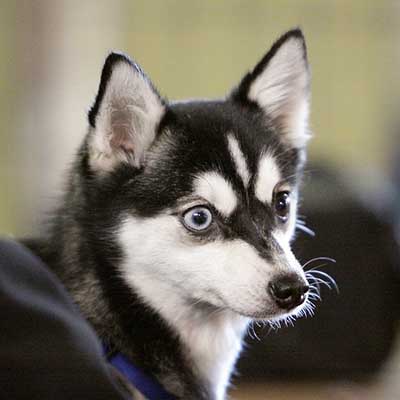
Alaskan Klee Kai
The Alaskan Klee Kai is a breed that emerged in the 1970s, created to be a smaller counterpart to the Alaskan Husky. These energetic, smart dogs are mainly bred for companionship rather than for labor. While they share a resemblance with their larger relatives, Alaskan Klee Kais can thrive in apartment settings, as long as they receive ample exercise and playtime. They might show signs of shyness or hesitation when encountering new people and communicate their emotions—be it fear, happiness, or sadness—through various vocal sounds.
Read more