Chow Chow
Chow, Chowden
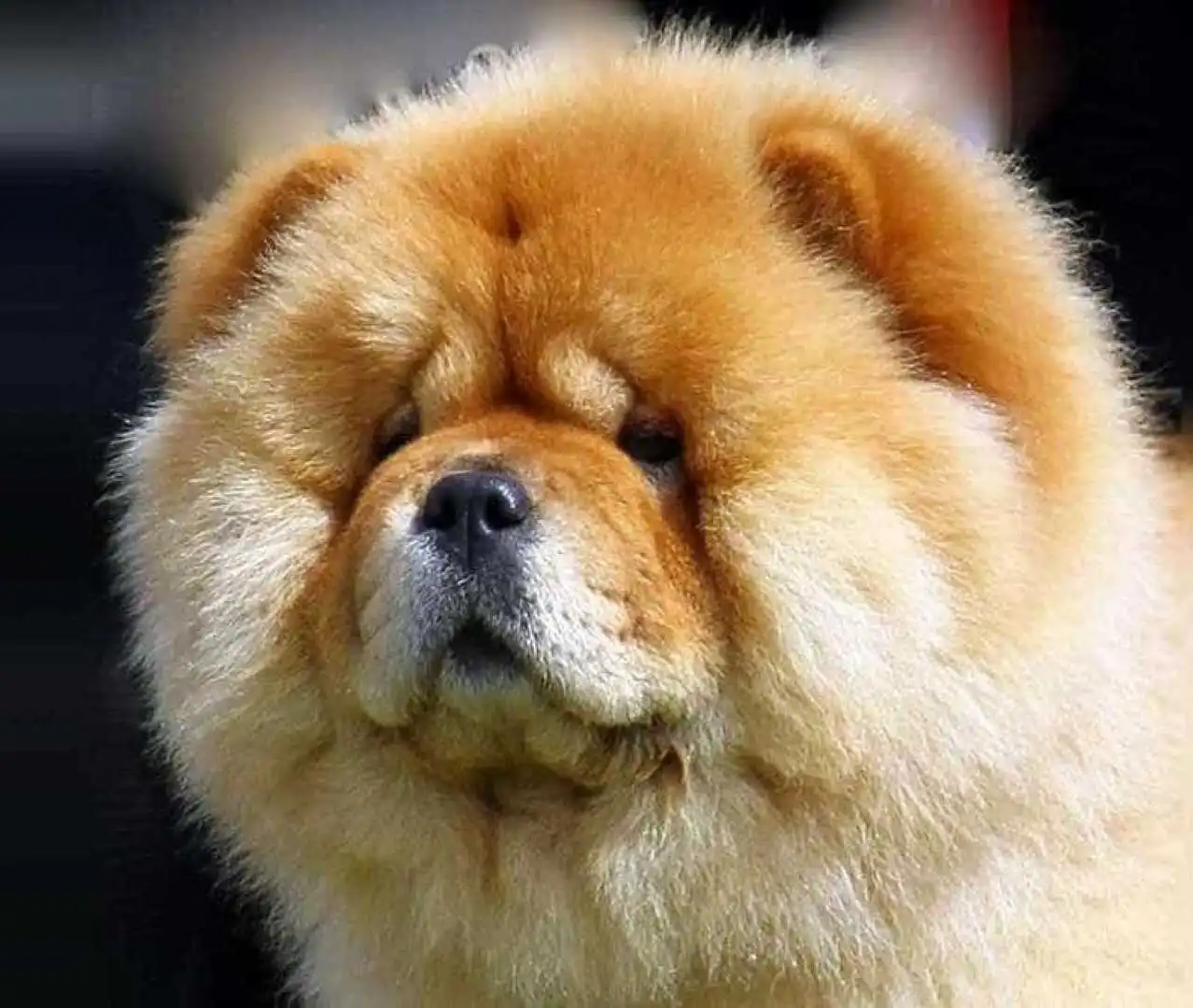
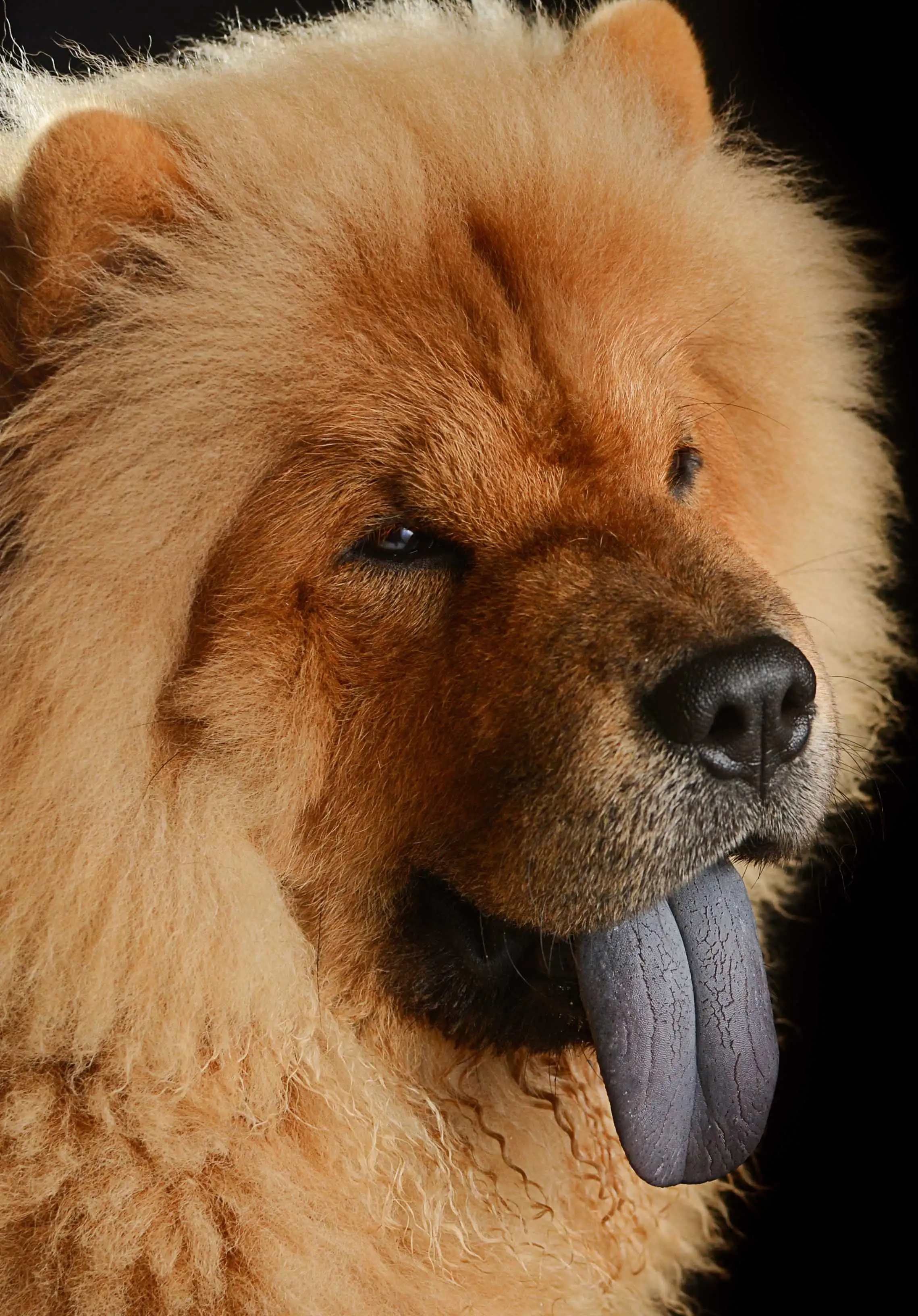
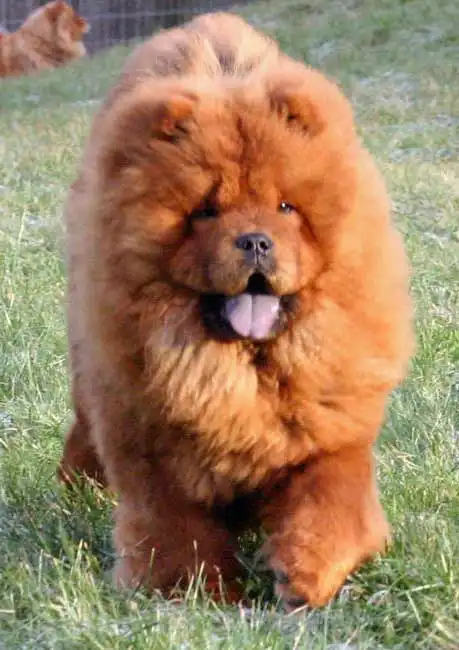
One of the most notable features of the Chow Chow is its distinctive blue-black tongue. This breed is also recognized for its unique, stilted walking style and the lion-like "mane" that frames its neck. As a member of the Spitz family, the Chow Chow is thought to have originated in the cold northern regions of China. Throughout history, it has fulfilled various roles such as hunting, herding, pulling carts, and guarding homes. This medium-sized dog is characterized by its broad head and deep muzzle, along with small, triangular ears that perch on its double-coated neck. Chows are available in a range of colors, including red, black, blue, cinnamon, and cream.
Breed Origin
The Chow Chow, an ancient breed believed to have originated from Tibetan Mastiffs, has a rich history supported by archaeological findings, including fossilized remains. A study conducted in 2004, which aimed to create “genetic fingerprints” for 85 dog breeds, identified the Chow Chow as one of fourteen breeds with ancient lineage. Furthermore, representations of the Chow Chow have been discovered on bas-reliefs from the Han Dynasty, dating back to around 150 BC. Known for its remarkable sense of smell, this breed was often used for hunting game birds and was also a source of food. The term "Chow Chow" is thought to come from Chinese words that described a variety of miscellaneous items, as ships frequently transported an assortment of goods, including these dogs. There is also a theory that the breed's name may have been influenced by the Chinese word for edible, “chou.” In 1880, Queen Victoria developed an interest in a zoo exhibit titled “Wild Dogs of China,” which featured the Chow Chow. This breed made its first appearance in the United States in 1890 and was officially recognized by the American Kennel Club in 1903.
Breed Appearance
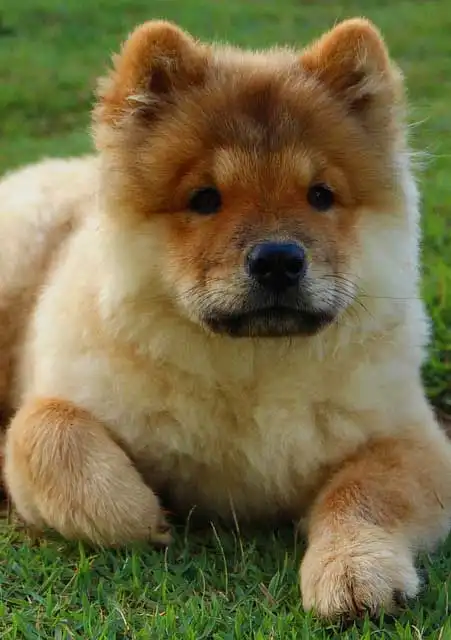
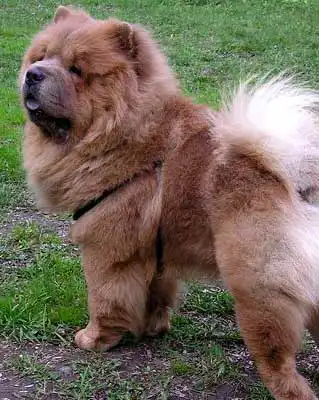
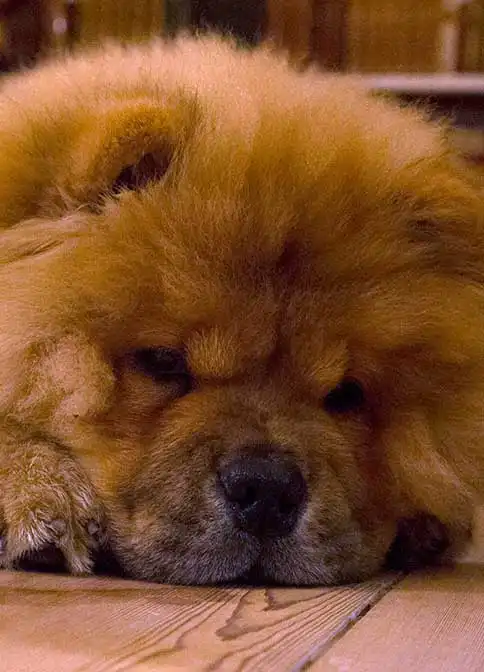
The Chow Chow is easily recognized by its unique "square" shape, which is highlighted by its straight, pillar-like legs that give the breed a distinctive, stilted gait. Its ears are short and stand upright, and the broad skull features a striking blue-black tongue that starts off pink at birth and changes color by around six months of age. This breed comes in two types of coats, with the rough, longer fur being the more commonly seen variety. A puppy with this coat often looks like a fluffy teddy bear, while the smooth coat is shorter in length. Regardless of the coat type, all Chow Chows have a dense undercoat. Acceptable colors span a variety of shades, with red and black being the most prevalent; there are no truly "rare" colors in this breed. If a breeder claims that a color other than red is rare and charges a premium for it, this should raise concerns about their integrity in other areas as well. The color palette includes light golden red, deep mahogany, black, blue, light fawn, deep cinnamon, and cream. The ruff around the neck, along with the tail and feathering, may display lighter hues. Typically, the tail curls over the back and is well-furred, while the dog's facial wrinkles often give it a scowling expression.
Care Routine
A Chow Chow with a long, rough coat needs to be groomed daily to avoid matting, whereas those with a smooth coat only require weekly brushing. It's crucial to maintain cleanliness around their eyes and facial folds, as both their fur and wrinkles can accumulate dirt. Chow Chows are happiest when they reside indoors with their families. They can adapt to different living environments and appreciate having a securely fenced yard for exercise. This breed is generally easier to house train, and crate training is advisable to deter them from chewing on furniture or other inappropriate items when unsupervised. Moreover, they do not handle being left alone for long periods well.
Behavior & Temperament
Contrary to popular belief, Chow Chows can coexist harmoniously with other pets and children, provided they receive proper early socialization. It is essential to begin training when they are still puppies, as they thrive on consistent and firm direction from their owners. This breed tends to exhibit dominant traits, making it vital for their caregivers to find a balance between being gentle and assertive from the outset. Chow Chows often take on an alpha role, attempting to position themselves as the leader within their human family. They are known for their protective nature and can sometimes display stubbornness. While they typically form a strong attachment to one individual, their loyalty runs deep. However, these dogs are not particularly outgoing; they tend to be wary of unfamiliar people and may show aggression towards strange dogs.
Play & Exercise
Things to Know
Cups Per Day
3.0 Cups
Daily Activity
45 Minutes
Average Lifespan
10 Years
Origin
ancient times
Type
Pure Breeds
Size
Medium
Origin Country
China
Brush Frequency
Weekly
Coat Texture
Straight
Register
Your kids have been begging for a pet forever, and you've recently decided that it's time for your family to get a new addition -- a dog! While everyone is excited for the new arrival, you're wondering if you need to have a dog license. How much does it cost? Is it required? Where do you get one?
Member Clubs

PETINNATE
Northern Breed

AKC
Non-Sporting Group

UKC
Northern Breed
Height & Weight
Weight
58 lbs (26 kg)Male: 58 lbs (26 kg) , Female: 58 lbs (26 kg)
Height
19 inches (48 sm)Male: 19 inches (48 sm) , Female: 19 inches (48 sm)
6 Months
27 lbs ( m 27 lbs, f 27 lbs )
14 inches ( m 14 inches, f 14 inches )
12 Months
47 lbs ( m 47 lbs, f 47 lbs )
16 inches ( m 16 inches, f 16 inches )
18 Months
57 lbs ( m 57 lbs, f 57 lbs )
18 inches ( m 18 inches, f 18 inches )
Eye Colors
Brown

Nose Colors
Black
Coat Colors
Black
Red
Fawn
Cream
Blue
Characteristics
Mixes
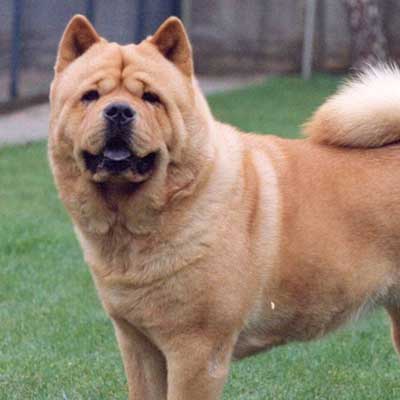
American Chow Bulldog
The American Chow Bulldog radiates an air of dignity and aloofness, representing a breed that is both fiercely independent and protective. This hybrid, a cross between the American Bulldog and the Chow Chow, has somewhat ambiguous origins, indicating that it is a relatively new breed. The American Chow Bulldog inherits the playful and loving disposition of the American Bulldog while also displaying the reserved and protective qualities of the Chow Chow. In terms of appearance, it closely resembles the American Bulldog with its smooth, short coat, but its facial features and neck structure reveal its Chow Chow heritage. Each litter can showcase a diverse array of traits from both parent breeds, leading to a captivating variety of personalities and looks. Caring for an American Chow Bulldog is quite manageable, with daily brushing suggested to keep its coat in good condition. While this breed typically has a low energy level, it still requires regular exercise to maintain optimal health and manage its weight.
Read more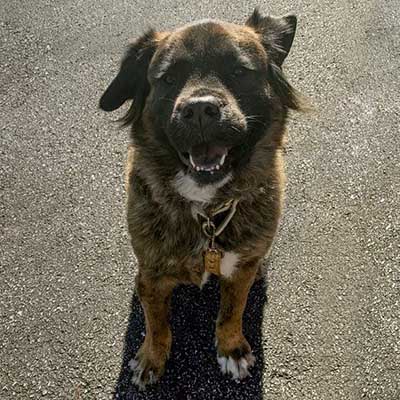
Bull Chow Terrier
The Bull Chow Terrier is a hybrid breed resulting from the combination of two purebred dogs: the Bull Terrier and the Chow Chow. This distinctive breed is believed to have emerged in the United States during the 1990s. Generally, Bull Chows are large dogs, weighing between 55 and 70 pounds. Both parent breeds exhibit characteristics such as independence, stubbornness, and a strong sense of territory, while also being exceptionally loyal and protective of their families. With its unique look, the Bull Chow is bound to turn heads wherever it goes. Although this breed can adapt to a variety of living environments, owners should be aware of their sensitivity to high temperatures.
Read more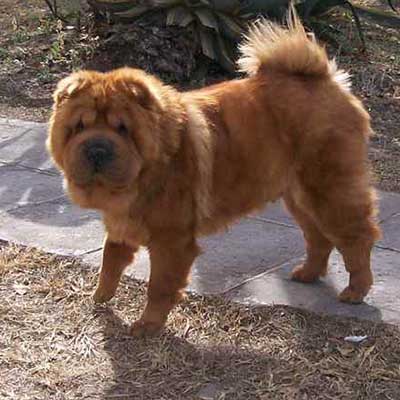
Chow Pei
The Chow Pei is a hybrid dog resulting from the crossbreeding of a Chow Chow and a Chinese Shar Pei. While both parent breeds originate from China, this particular mix is believed to have developed in the United States, although the precise timeline remains uncertain. The Chow Pei was likely bred to serve as a versatile working dog, adept at tasks like farming and hunting, reflecting the traits of its Chow Chow ancestry. This hybrid combines the hunting instincts of the Chow Chow with the protective nature of the Shar Pei, making it a capable guardian for families. Characterized by the temperaments of its parent breeds, the Chow Pei tends to be wary and reserved around unfamiliar people, yet it is deeply affectionate and loyal to its family. Although this breed may not naturally interact well with children, early socialization can enhance these relationships. Typically, a Chow Pei is a medium to large-sized dog, weighing between 40 and 60 pounds and standing 15 to 20 inches tall, with loose skin or wrinkles primarily around the neck area. Its head bears resemblance to that of the Shar Pei, while its ears are more akin to those of the Chow Chow. The coat can vary in length, being either long or short, but is generally thick, straight, and soft. As an energetic breed, the Chow Pei needs regular exercise to keep its weight in check. Grooming requirements will depend on the influence of the Chow Chow parent, with brushing needed anywhere from once a week to several times a week to manage moderate shedding from both breeds.
Read more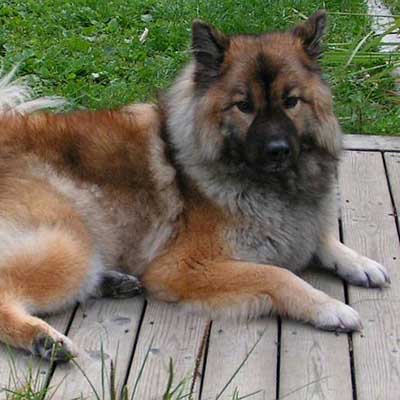
Chow Shepherd
The Chow Shepherd, a crossbreed between the Chow Chow and the German Shepherd, is known for its playful yet protective demeanor. These dogs typically fall into the medium to large size category and possess a sturdy physique, showcasing a variety of color patterns such as sable, black, and brown with cream highlights. However, they do require considerable grooming due to their substantial shedding and thrive under the guidance of a confident and experienced owner, as their independent nature can pose challenges during training. Best suited for homes with ample space and a secure yard, owners of Chow Shepherds often describe them as intelligent and devoted companions who relish joining their families on various adventures.
Read more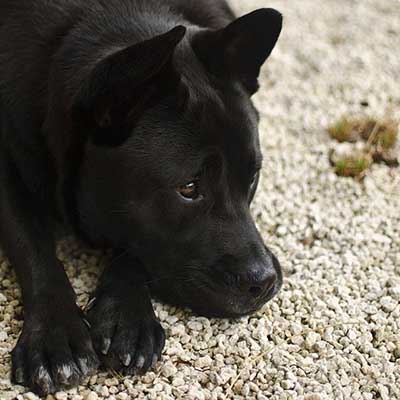
Pitchow
Pitchows, often referred to as Chowpits, are a hybrid breed created by crossing American Pitbull Terriers with Chow Chows. These unique dogs generally have a lifespan of 10 to 15 years and are celebrated for their companionship. Their physical traits can vary greatly, reflecting the characteristics of either parent breed. Furthermore, their personalities can range widely; due to the differing temperaments of the Chow Chow and American Pitbull Terrier, the resulting puppies may display a mix of traits from both sides. Typically, Pitchows are loving and loyal, although they might be apprehensive around strangers.
Read more