German Shorthaired Pointer
German Pointer (Shorthaired), Deutscher, Kurzhaariger Vortsehund, Kurzhaar
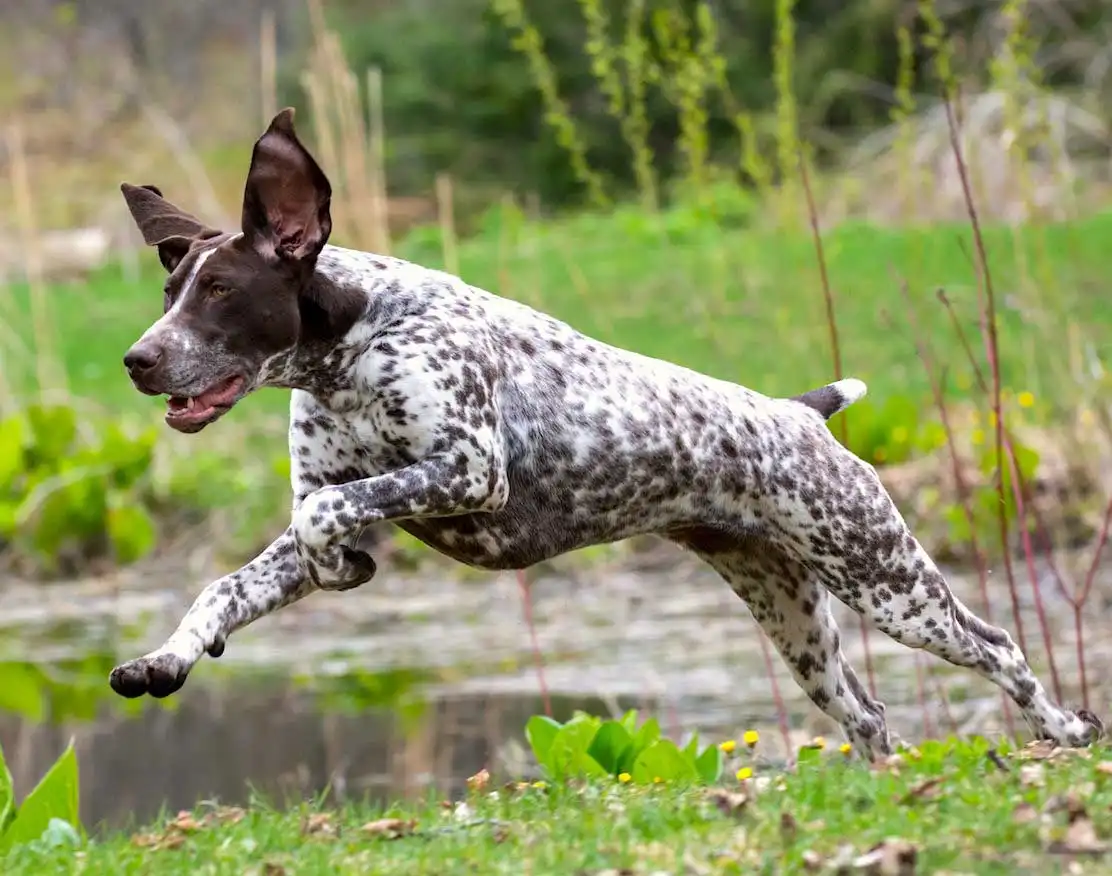
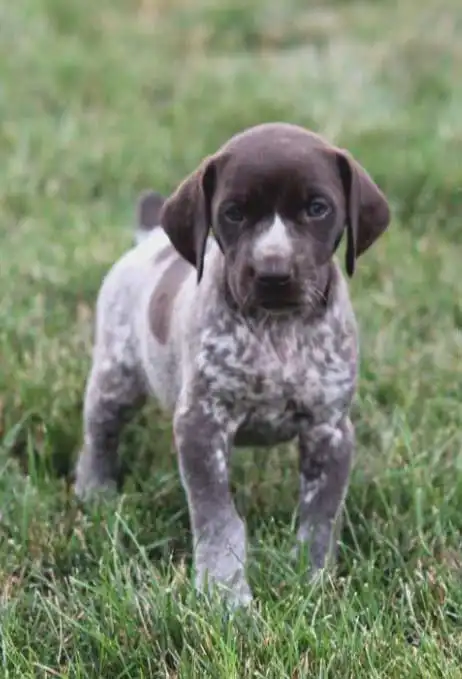
If you've ever seen a cartoon dog abruptly stop and dramatically point at something, you've caught a glimpse of what a Pointer embodies—albeit in a comically exaggerated way! The German Shorthaired Pointer, or GSP for short, is a dynamic hunting breed that hails from Germany and has been a reliable hunting partner for many years. The current version of this breed was developed in the early 1800s and is easily identifiable by its short, spotted coat, distinct head, and elongated body that narrows from the snout to the tail. Its ancestry dates back to the 1600s, with early breeds playing a significant role in the development of the dog we recognize today. This energetic and lively breed is not only exceptionally intelligent but also makes a fantastic family pet, thriving as both a hunter and a sporting dog. With roots that include pointers and bloodhounds, the German Shorthaired Pointer is both vocal and full of energy, necessitating plenty of exercise to keep its high energy in check. While it may bark at strangers, it does so in a friendly way, showcasing the breed's sociable disposition. Although it was initially bred for hunting, the German Shorthaired Pointer is now increasingly appreciated as a family companion and show dog in modern times.
Breed Origin
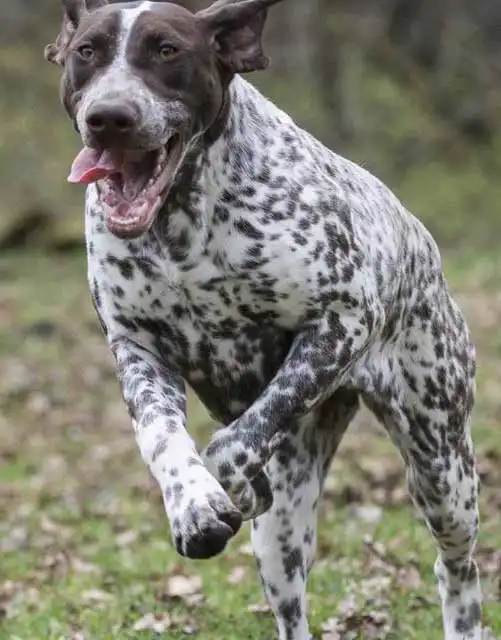
The German Shorthaired Pointer emerged in Germany during the mid-19th century, resulting from a combination of German bird dogs and scent hounds, which influenced its physical traits and personality. While this breed retains some characteristics of its 17th-century ancestors, it has added a level of refinement to the Pointer lineage. Early Pointers were stockier and more robust, whereas the German Shorthaired Pointer is known for its lean and athletic build. Named for its country of origin and its short, glossy coat, this breed was meticulously developed to be both agile and intelligent, excelling in hunting and retrieving game from land and water. Celebrated for their sharp sense of smell and friendly disposition, they are not only outstanding hunters but also formidable competitors in dog shows, having earned the title of Best in Show multiple times. The first German Shorthaired Pointer made its way to the United States in 1925, brought over by Dr. Charles Thornton in Montana, who significantly contributed to the breed's popularity. Soon after, the American Kennel Club recognized the breed, enabling its participation in dog shows. Although the German Shorthaired Pointer is currently the 16th most popular breed, its numbers declined in the aftermath of World War II, as many people hid their cherished pets during that challenging period. Reviving the breed post-war required substantial effort, but today, German Shorthaired Pointers flourish as cherished family pets and proficient hunters.
Breed Appearance
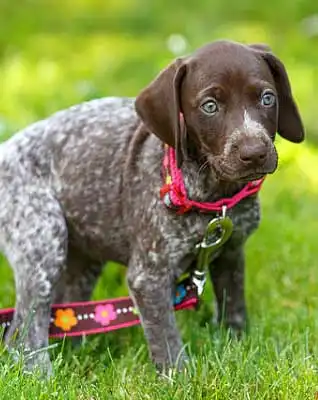
The German Shorthaired Pointer certainly presents a striking appearance. This breed is of medium height, featuring a long body that is broad at the chest and tapers towards the tail. Although this may sound peculiar, it highlights a sleek and efficient design; with its pointed nose and streamlined build, the German Shorthaired Pointer is an exceptionally athletic dog. Typically, the tail is docked to about 40% of its original length, resulting in a distinctive stub. The breed is characterized by a well-defined head and a muzzle that is in harmony with its overall proportions. Its almond-shaped, brown eyes exude intelligence. Notably, this breed possesses webbed feet, which significantly enhance their swimming capabilities, making them excellent for retrieving game from water. Their coat colors are diverse, ranging from solid liver to various patterns that include ticking or patches of white.
Care Routine
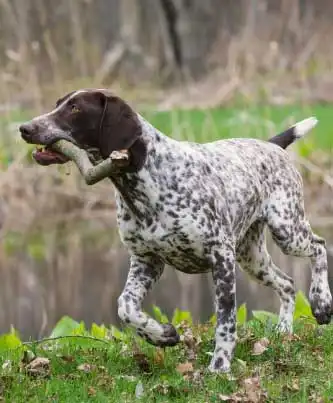
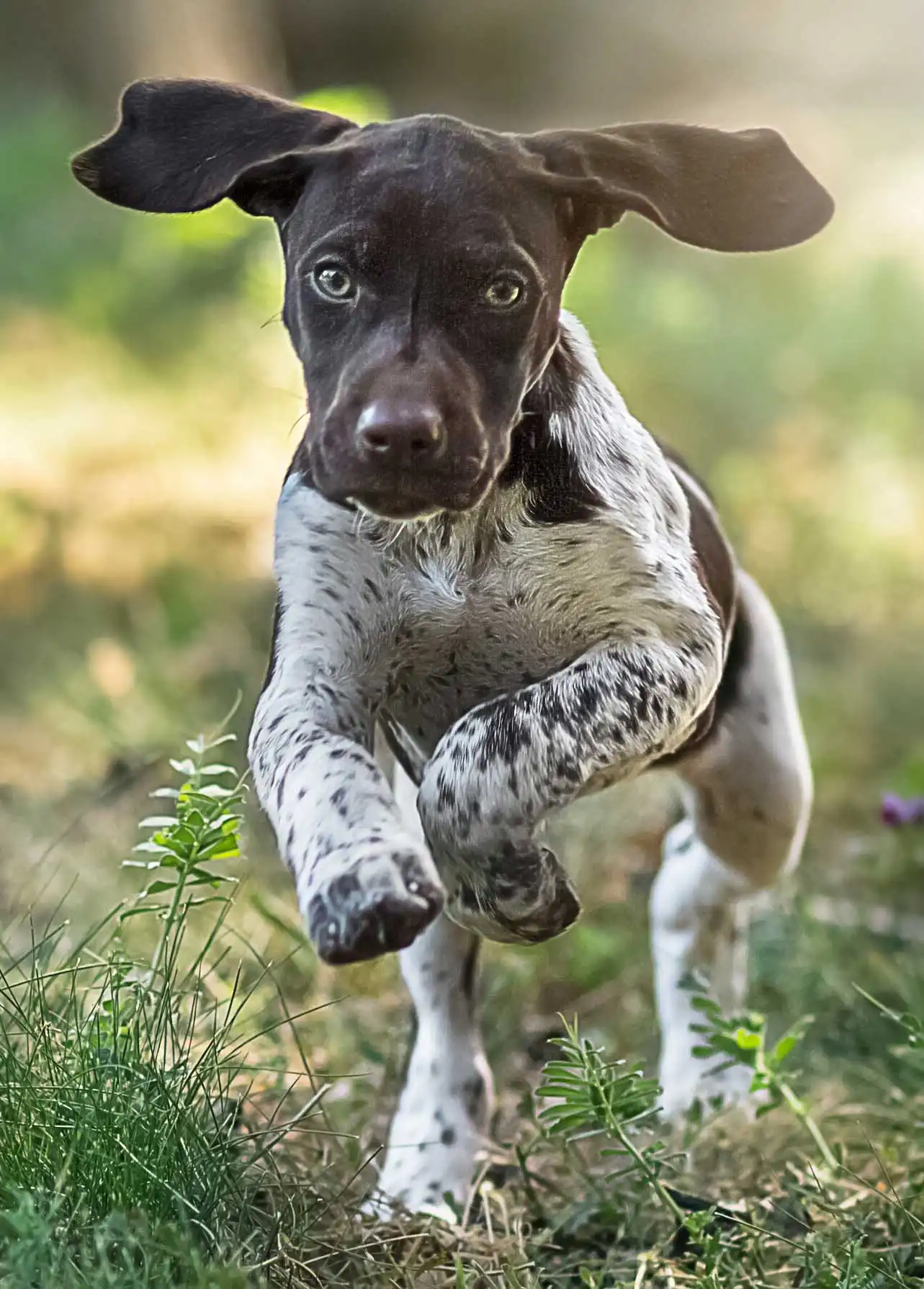
Although the German Shorthaired Pointer is a shorthaired breed, it tends to shed quite a lot. This breed undergoes a seasonal process known as “blowing coat,” during which shedding increases significantly. To effectively manage your dog’s coat, it’s recommended to brush them weekly with a rubber mitt or a stiff bristle brush. This not only minimizes shedding but also supports healthy skin and fur. Since their coarse hair can be difficult to remove from furniture and carpets, brushing your dog outside and investing in a high-quality vacuum for stubborn hair can be advantageous. In addition to regular brushing, baths for the German Shorthaired Pointer should be given only when necessary. After bathing, using a piece of chamois to rub their coat can enhance its luster. Their floppy ears can impede airflow, so it’s important to clean them regularly to prevent moisture accumulation and lower the risk of ear infections. Additionally, routine nail trimming is vital for maintaining healthy feet and preventing sharp nails from scratching people or damaging floors.
Behavior & Temperament
The German Shorthaired Pointer is cherished for its lively personality and desire to please. This breed effectively balances a relaxed demeanor with high energy levels, which means that owners must ensure they receive plenty of exercise and have enough space to thrive. They generally do not do well in small living quarters, such as apartments. However, these dogs are incredibly loyal to their families and prefer to stay close to them. Renowned for their intelligence, friendliness, and devotion, it is vital to socialize them from a young age and establish trust through consistent training. Without appropriate guidance and structure, a German Shorthaired Pointer may become bored and engage in destructive behaviors. On the other hand, when properly socialized and given sufficient physical activity, adult German Shorthaired Pointers can live harmoniously with other pets and children. While they do enjoy barking, it is rarely driven by aggression. If you are looking for an enthusiastic companion for outdoor adventures or an active lifestyle, this joyful and spirited breed may be the perfect fit for you.
Play & Exercise
Things to Know
Cups Per Day
2.8 Cups
Daily Activity
90 Minutes
Average Lifespan
14 Years
Origin
1600s
Type
Pure Breeds
Size
Medium
Origin Country
Germany
Brush Frequency
Weekly
Coat Texture
Wiry
Register
Your kids have been begging for a pet forever, and you've recently decided that it's time for your family to get a new addition -- a dog! While everyone is excited for the new arrival, you're wondering if you need to have a dog license. How much does it cost? Is it required? Where do you get one?
Member Clubs

PETINNATE
Gun Dog

AKC
Sporting Group

UKC
Gun Dog
Height & Weight
Weight
58 lbs (26 kg)Male: 63 lbs (29 kg) , Female: 53 lbs (24 kg)
Height
23 inches (58 sm)Male: 24 inches (61 sm) , Female: 22 inches (56 sm)
6 Months
26 lbs ( m 26 lbs, f 26 lbs )
18 inches ( m 18 inches, f 18 inches )
12 Months
37 lbs ( m 37 lbs, f 37 lbs )
22 inches ( m 22 inches, f 22 inches )
18 Months
52 lbs ( m 52 lbs, f 52 lbs )
22 inches ( m 22 inches, f 22 inches )
Eye Colors
Brown

Nose Colors
Black
Brown
Coat Colors
Brown
Black
White
Pied
Characteristics
Mixes
Boxapoint
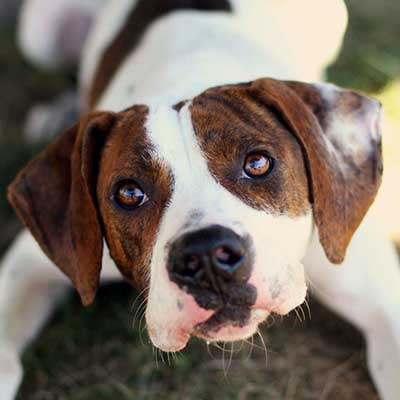
The Boxapoint is a medium-sized hybrid dog known for its friendly, intelligent, patient, and gentle nature, making it a wonderful companion at home. This breed showcases a variety of colors, primarily seen in shades of brown, black, tan, and red, often appearing in different combinations. Their coat is generally short and fine, designed to withstand various weather conditions, which allows them to thrive outdoors. Boxapoints need plenty of exercise and may require some patience during training due to their occasional stubbornness. They are social animals that enjoy the company of other pets and children. To keep your Boxapoint healthy, it is crucial to provide at least an hour of vigorous exercise each day.
Read more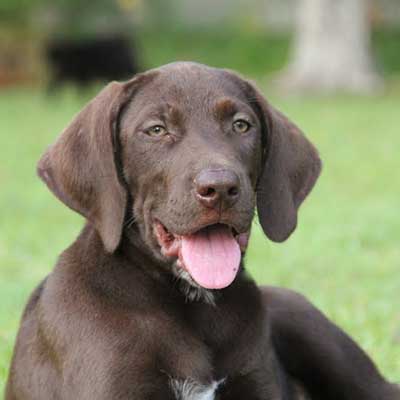
German Shorthaired Lab
The German Shorthaired Lab is a hybrid breed resulting from the combination of the German Shorthaired Pointer and the Labrador Retriever. This sizable dog is an agile and eager hunter, benefiting from the strong lineage of its parent breeds, which originate from Germany and Newfoundland, Canada. Both breeds are adept in diverse environments, thriving on land and in water alike. This mix is particularly suitable for novice pet owners, thanks to its sociable and easygoing nature with people and other pets. Although it tends to be relatively calm, the German Shorthaired Lab requires consistent exercise and has moderate grooming needs.
Read more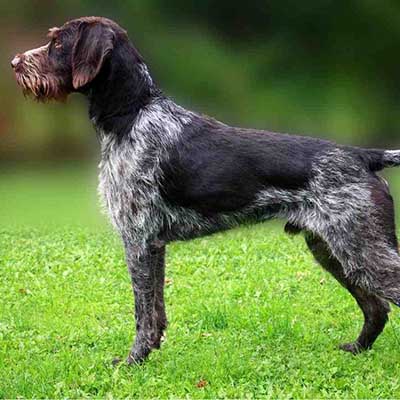
German Shorthaired Pointerpoodle
The German Shorthaired Pointerpoodle is a charming mix of the lively German Shorthaired Pointer and the clever Poodle. This hybrid not only excels as a spirited hunter but also serves as a fun-loving companion, making it a perfect option for individuals looking for an active pet. With a strong affinity for mental stimulation, this breed is an excellent choice for those interested in dog agility and competitive activities. Renowned for his friendly nature, he tends to get along well with children and other animals. Many owners of the German Shorthaired Pointerpoodle express that he brings immense joy to their lives, often inspiring a healthier, more active lifestyle.
Read more