German Shorthaired Lab
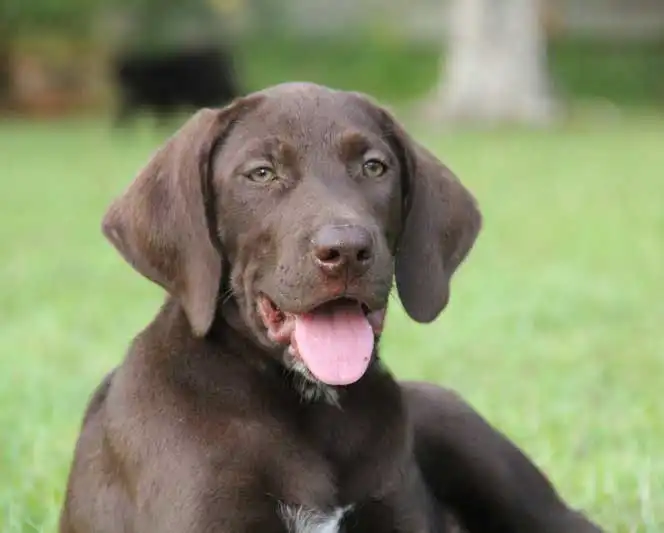
The German Shorthaired Lab is a hybrid breed resulting from the combination of the German Shorthaired Pointer and the Labrador Retriever. This sizable dog is an agile and eager hunter, benefiting from the strong lineage of its parent breeds, which originate from Germany and Newfoundland, Canada. Both breeds are adept in diverse environments, thriving on land and in water alike. This mix is particularly suitable for novice pet owners, thanks to its sociable and easygoing nature with people and other pets. Although it tends to be relatively calm, the German Shorthaired Lab requires consistent exercise and has moderate grooming needs.
Breed Origin
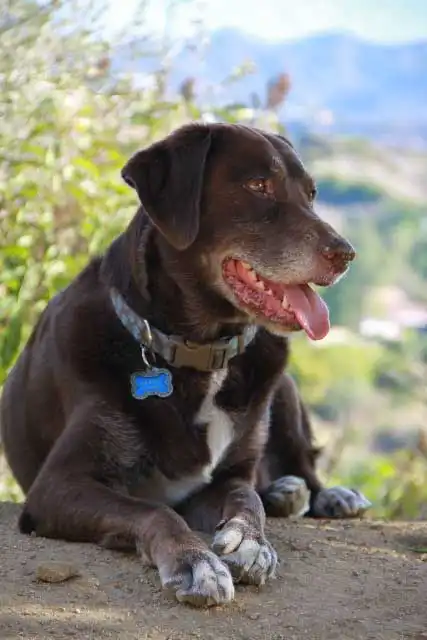
Details about the German Shorthaired Lab hybrid are somewhat scarce, but we can glean valuable information by looking at its parent breeds. The German Shorthaired Pointer, initially called the German Bird Dog, was created by blending the adaptable Bloodhound with the agile Spanish Pointer, resulting in a breed known for its agility and exceptional sense of smell. After making its way to the United States, Dr. Charles Thornton, a dedicated supporter of the breed, significantly contributed to its resurgence, especially after it experienced a drop in popularity following the World Wars in the early 20th century. This breed is not only a loyal companion but also an outstanding field partner, excelling in tracking, retrieving, and pointing. Today, it ranks as the 11th most popular breed according to the American Kennel Club and is classified within the Sporting Group. Conversely, the Labrador Retriever, celebrated for its swimming prowess, is recognized as the most popular dog in North America. This breed originated in Newfoundland, Canada, where it was originally known as the St. John's dog. It played a vital role in assisting fishermen in the Labrador Sea, proving to be an efficient netminder and a dependable retriever of lost fish. Eventually, it made its way to England, where its gentle mouth made it ideal for retrieving both waterfowl and fish, leading to its current name, the Labrador Retriever, derived from the sea where it once worked. Like the German Shorthaired Pointer, the Labrador is also acknowledged by the American Kennel Club and belongs to the Sporting Group.
Breed Appearance
This breed is celebrated for its impressive endurance, showcasing a fit and nimble build. The German Shorthaired Lab may present a solid liver color or a combination of liver and white, which can appear as ticked, patched, or roaned. Alternatively, it might display a deep reddish-brown coat with lighter white hairs, reflecting its Pointer ancestry. The Labrador Retriever parent adds a double-coated texture: the outer layer is short, dense, and straight, while the undercoat is soft and plush. This coat is particularly well-suited for retrieving game from water, as it effectively repels moisture. Labradors are available in a variety of colors, including chocolate, black, and yellow, and your German Shorthaired Lab may inherit the durable, water-resistant properties of this coat. With bright, friendly eyes, a long muzzle, and soft, drooping ears, this breed also boasts strong legs and a long tail.

Care Routine
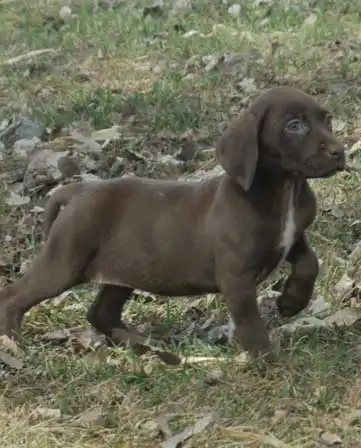
The German Shorthaired Lab is known for its distinctive double coat. The outer layer is short, dense, and straight, with a slightly longer fur on the underside of the tail and hindquarters. Underneath, the soft undercoat acts as a protective shield, effectively repelling water and allowing the dog to swim comfortably in cooler temperatures. While this breed does shed, it doesn't demand extensive grooming. A daily brushing with a pin brush is adequate, and during heavy shedding periods, using a de-shedding tool can help eliminate loose hair. Bathing is recommended every two months, unless the dog gets particularly dirty or muddy. Given this breed's affinity for water, it's crucial to thoroughly dry their ears after swimming to avoid ear infections. Although an active dog like this usually wears down its nails naturally, it's advisable to check them regularly for any necessary trimming. Additionally, brushing their teeth every few days is suggested to maintain good dental health.
Behavior & Temperament
The German Shorthaired Lab is a highly intelligent breed that is eager to learn and keen to please its owners. However, this dog needs reassurance and does not do well when left alone for long stretches, as it may develop separation anxiety. It’s essential for him to have plenty of quality time indoors with his family, which is usually feasible due to his friendly and affectionate personality. His gentle temperament also makes him a great fit for therapy work. This breed thrives on mental stimulation and is happiest when participating in activities or competitions. While he typically gets along well with children and other dogs, it’s wise to supervise their interactions.


Play & Exercise
The German Shorthaired Lab is a lively breed that needs ample exercise to stay fit and healthy. Engaging in regular physical activity is crucial not just for his physical health but also for mental stimulation. He enjoys activities like agility training, obedience classes, and trips to the dog park, which help him enhance his social skills. This mixed breed is ideally suited for homes with a secure, fenced yard, making it less appropriate for apartment living. If he doesn't get enough outdoor time, exercise, and mental challenges, he might develop undesirable behaviors such as barking, chewing, and other forms of mischief. However, with the right opportunities, he can be a fantastic companion for jogging or hiking excursions.
Things to Know
Cups Per Day
3.0 Cups
Daily Activity
90 Minutes
Average Lifespan
12 Years
Origin
Unknown
Type
Crossbreeds
Size
Large
Origin Country
United States
Brush Frequency
Weekly
Coat Texture
Straight
Register
Your kids have been begging for a pet forever, and you've recently decided that it's time for your family to get a new addition -- a dog! While everyone is excited for the new arrival, you're wondering if you need to have a dog license. How much does it cost? Is it required? Where do you get one?
Member Clubs

PETINNATE
Other
Height & Weight
Weight
64 lbs (29 kg)Male: 68 lbs (31 kg) , Female: 60 lbs (27 kg)
Height
27 inches (69 sm)Male: 27 inches (69 sm) , Female: 26 inches (66 sm)
Eye Colors
Brown
Nose Colors
Black
Coat Colors
Red
Brown
White
Black