Labrador Retriever
Golden Lab, Golden Labrador Retriever, Gladder Retriever
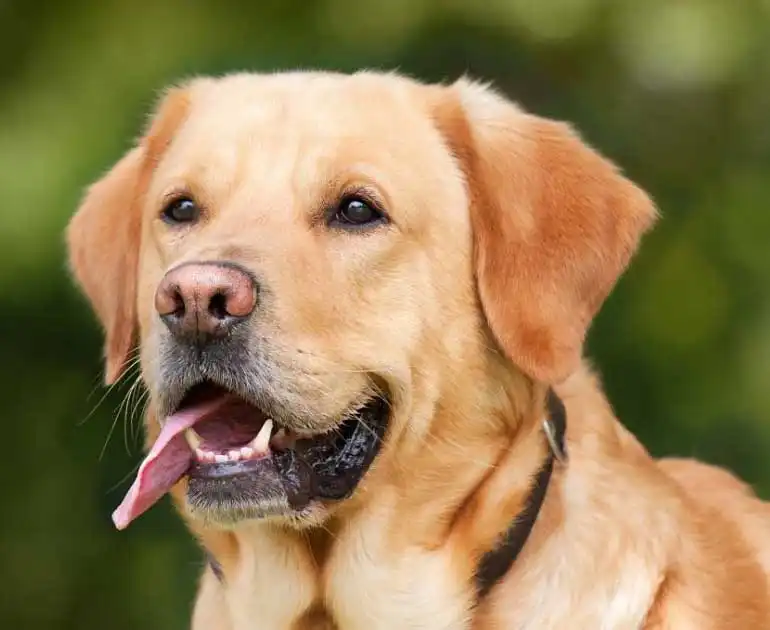
The Labrador Retriever, originally referred to as the St. John’s Water Dog, derives its name from the capital of Newfoundland, situated on Canada’s northeastern Atlantic coast. In this area, these reliable dogs played a crucial role for local fishermen, helping to haul in their nets from the icy waters and retrieving any fish that escaped. Their gentle nature quickly endeared them to families, making Labradors popular household pets. Although many contemporary Labradors enjoy a relaxed home life rather than engaging in labor, they excel as therapy dogs, bringing happiness to the elderly and patients in medical facilities. Furthermore, they are outstanding guide dogs for those with visual impairments and serve as assistance dogs for individuals with disabilities. This breed remains active in various professional capacities, including search and rescue missions and supporting hunters in retrieving game. With their keen sense of smell, Labradors can be trained for numerous tasks, though this training demands significant patience. However, they are not ideal for guarding roles; their friendly demeanor often leads them to welcome intruders rather than deter them, sometimes guiding them to the household’s valuables. Ultimately, Labradors are celebrated for their loyalty and are known for their calm and patient temperament.

Breed Origin
In the 1700s, the Labrador was known as the St. John’s Water Dog, named after the capital of Newfoundland. This breed played a vital role for fishermen, helping to manage their nets and retrieve fish that escaped. Over time, it was renamed the Labrador, after the Labrador Sea, the region where it originated. Historical accounts suggest that the Labrador, or its earliest ancestor, made its way to England in the 1820s. The second Earl of Malmesbury was one of the first to own this breed, captivated by their remarkable retrieving abilities during hunts, which led to their increasing popularity. It was the third Earl of Malmesbury who first referred to these dogs as Labradors. The breed nearly faced extinction in the 1880s but was saved by the Malmesbury family and a handful of committed English breeders. Sadly, in Newfoundland, the breed disappeared due to strict government regulations and tax laws. Families were allowed to keep only one dog, and owning a female was heavily taxed, resulting in the culling of female puppies. Fortunately, the breed flourished in England, gaining official recognition in 1903. In the 1920s, British Labradors were introduced to the United States to help establish the breed there, and the rest, as they say, is history.
Breed Appearance
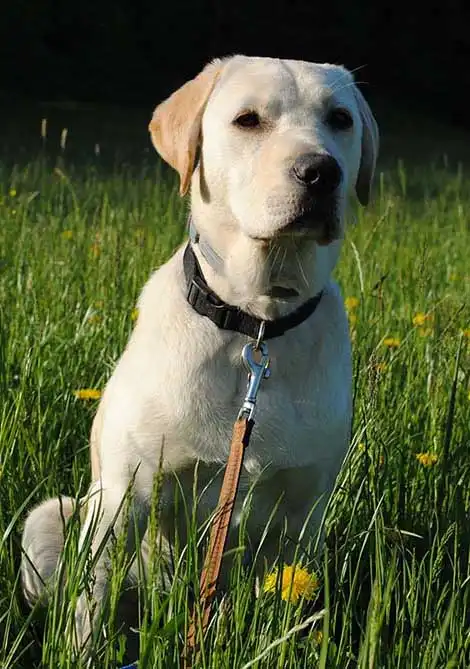
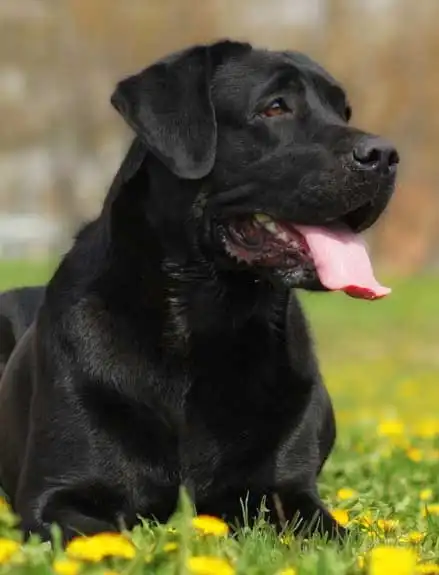
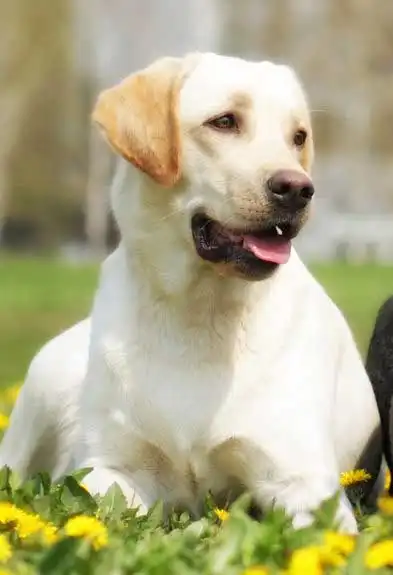
The Labrador Retriever is built for athletic performance, particularly excelling in swimming. With a strong and agile build, they feature a short coat that requires minimal upkeep. Labs are naturally calm and eager to please, making them friendly and sociable with everyone they encounter. These loyal and affectionate dogs thrive on their role in the family. Their coat comprises a short outer layer and a dense, waterproof undercoat, which equips them well for cold environments and icy waters. Labradors have a broad head with a moderate stop, and their nose color varies: black for black and yellow Labs, and brown for chocolate Labs. They have powerful jaws with teeth that can form either a scissor or level bite. Their wide muzzle and sturdy neck support a body that is slightly longer than it is tall. Known for their expressive eyes, which are usually brown or golden brown, chocolate Labs may also have hazel eyes, all framed by a black outline that enhances their classic look. Their ears are medium-sized, pendant-shaped, and hang down. The tail is reminiscent of an otter's, thick at the base and tapering towards the end, which aids in swimming, along with their strong, compact webbed feet. Labradors move with a smooth and effortless stride. English Labs are generally heavier and more robust, while U.S. Labs are taller and leaner. In the United States, the Labrador Retriever has become the most popular dog breed, a title it continues to hold today.
Care Routine
Caring for a Labrador Retriever is quite manageable. Daily brushing is crucial to control shedding, and if your dog is comfortable with it, you can even use a vacuum cleaner to assist with their fur. Generally, they need a bath every few months, unless they’ve found something particularly smelly to roll in, which is a typical behavior for Labs. They usually handle bath time well and enjoy the extra attention. Just be careful when letting them outside after drying them off; they often head straight for a dirt patch to roll around! Routine care also involves checking their ears, as dirt and bacteria can build up, potentially causing inflammation and bad odors. It’s essential to avoid inserting anything deep into the ear canal; simply clean the outer ear. For dental hygiene, it’s best to brush their teeth daily with a pet-specific toothpaste—never use human toothpaste, as it can lead to serious health problems. Labradors tend to keep their nails short naturally due to their active lifestyle, but if you hear their nails clicking on the floor, it’s time for a trim to avoid scratching when they jump on visitors. Making grooming a positive experience with lots of praise and treats will help ease the process. These lively dogs need regular exercise, and having a large, fenced yard for them to roam is ideal. To prevent weight gain and bloating, it’s recommended to feed your dog several smaller meals throughout the day rather than one large meal. This strategy will help maintain their fitness and overall health.
Behavior & Temperament
The Labrador is a loving breed that flourishes in a family environment. Renowned for their calm and patient nature, these dogs have a special affinity for young children. They are quite tolerant of playful behaviors, such as tugging on their ears or climbing on them, and they don’t mind being dressed up. In fact, they may even lend a helping paw during mealtime if given the opportunity. However, despite their gentle disposition, it’s essential to teach children to avoid pulling their tails or approaching them while they’re eating. While Labradors are typically non-aggressive, supervision is crucial, particularly around food. If left alone in the yard for too long, they can become lonely, bark excessively, and get into mischief. Labradors are enthusiastic companions for any outing, even if it’s just a quick trip to the trash can. Their energy levels can fluctuate, but they need regular exercise to keep both their bodies and minds healthy. This breed has a strong desire to please, which makes them highly trainable, and they thrive on social interactions, often excelling in their relationships with the sick and elderly. One of their notable weaknesses is their love for food; they will go to great lengths to satisfy their cravings, sometimes eating things that humans might find unappetizing. It’s important to train them to walk on a leash, as they can be prone to ‘selective deafness’ and may wander off in search of intriguing scents. Labradors enjoy playing fetch, swimming, and are always eager to help out in the garden. They are also friendly with other animals, easily forming bonds with cats, rabbits, and other dogs.

Play & Exercise
Things to Know
Cups Per Day
2.5 Cups
Daily Activity
60 Minutes
Average Lifespan
11 Years
Origin
1800s
Type
Pure Breeds
Size
Large
Origin Country
Canada
Brush Frequency
Daily
Coat Texture
Straight
Register
Your kids have been begging for a pet forever, and you've recently decided that it's time for your family to get a new addition -- a dog! While everyone is excited for the new arrival, you're wondering if you need to have a dog license. How much does it cost? Is it required? Where do you get one?
Member Clubs

PETINNATE
Gun Dog

AKC
Sporting Group

UKC
Gun Dog
Height & Weight
Weight
68 lbs (31 kg)Male: 73 lbs (33 kg) , Female: 63 lbs (29 kg)
Height
23 inches (58 sm)Male: 23 inches (58 sm) , Female: 22 inches (56 sm)
6 Months
35 lbs ( m 35 lbs, f 35 lbs )
19 inches ( m 19 inches, f 19 inches )
12 Months
42 lbs ( m 42 lbs, f 42 lbs )
21 inches ( m 21 inches, f 21 inches )
18 Months
62 lbs ( m 62 lbs, f 62 lbs )
22 inches ( m 22 inches, f 22 inches )
Eye Colors
Hazel
Brown
Amber
Nose Colors
Black
Brown
Coat Colors
Black

Brown

Cream
Characteristics
Mixes
Afador
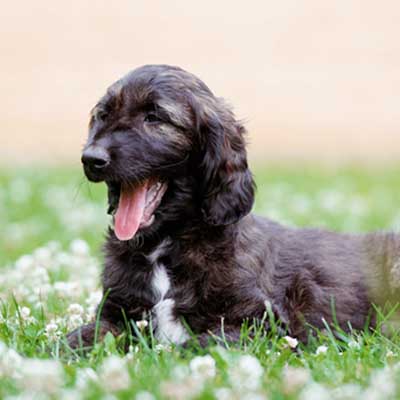
The Afador is a distinctive hybrid breed that results from the crossbreeding of the Afghan Hound and the Labrador Retriever, first appearing in Alaska around the year 2000. This breed is still relatively rare, and breeders are diligently working to enhance its traits in both temperament and physical appearance. Typically, Afadors have a body structure akin to that of the Labrador Retriever, while their heads resemble those of the Afghan Hound. These medium-sized dogs are characterized by their long, fine fur, complemented by short, silky hair on their faces. The Afador inherits numerous admirable qualities from its parent breeds, such as patience, affection, loyalty, dignity, and courage. However, as a hybrid, it is not eligible for registration as a purebred with the American Kennel Club.
Read more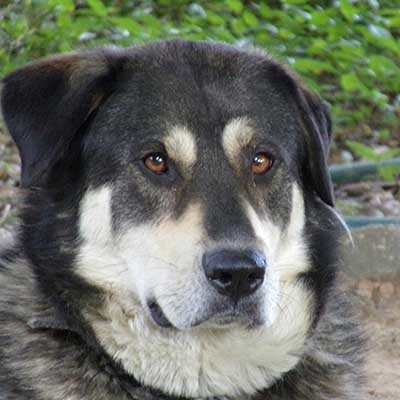
Alaskan Malador
Alaskan Maladors are energetic and affectionate companions known for their friendly nature and ability to bond with people. They require ample exercise, attention, and care to thrive. In return for this dedication, owners enjoy the company of a loyal pet that happily accompanies them on various outdoor adventures. Their intelligence allows Alaskan Maladors to learn quickly, making it easier to train them in commands and tricks. This breed is believed to have originated in the early 1800s, resulting from a cross between the well-known Alaskan Malamute and Labrador Retriever in the United States. Although they are wonderful family pets, Alaskan Maladors are quite uncommon worldwide and are not recognized as a purebred breed by the American Kennel Club.
Read more
Bassador
The Bassador is a charming blend of two cherished breeds: the Basset Hound and the Labrador Retriever. This hybrid has seen a rise in popularity in the last decade or two. With its short stature, akin to that of the Basset Hound, the Bassador often showcases the breed's soulful and expressive eyes. In many ways, it mirrors its Labrador Retriever lineage and exhibits a comparable temperament. While primarily bred for companionship rather than hunting or retrieving, the Bassador retains the hunting instincts passed down from both parent breeds, which may make it a good fit for outdoor adventures.
Read more
Borador
The Borador is a lively and clever hybrid breed, created by crossing a Border Collie, celebrated for its herding prowess, with a Labrador Retriever, known for its skills in hunting and retrieving. Typically medium to large in size, these dogs are friendly with children, strangers, and other animals, and they possess a strong inclination to please their owners. This willingness to cooperate makes training relatively easy, and they thrive under consistent direction. However, their high energy and susceptibility to boredom can result in destructive behaviors, such as chewing, so it’s crucial to keep them mentally and physically stimulated. Due to their size and need for regular exercise, Boradors are ideally suited for homes with a yard.
Read more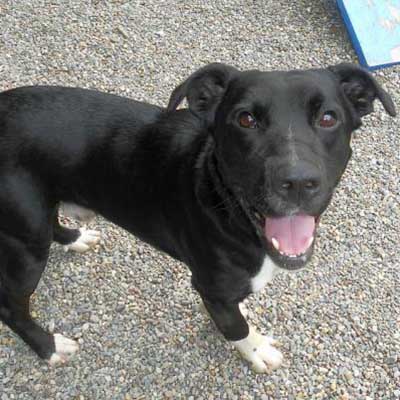
Boston Lab
The Boston Lab is a charming mix of the Labrador Retriever and the Boston Terrier, embodying the finest traits of both breeds. This medium-sized dog falls between the size of a Labrador and a Boston Terrier. Renowned for their playful and joyful nature, Boston Labs are loving and devoted companions. While they are attentive listeners, they may not always adhere to commands! Eager to please, these dogs respond well to training, enjoying the attention and the chance to bring joy to their owners. In their younger years, they are quite lively, enthusiastically joining in games and often being the first to greet you at the door, ready for a walk. Boston Labs are excellent with children, actively participating in their play and demonstrating impressive patience. They thrive on family interaction and can experience loneliness if left alone for too long. Furthermore, Boston Labs are very active and easily socialized, making them exceptional family pets.
Read more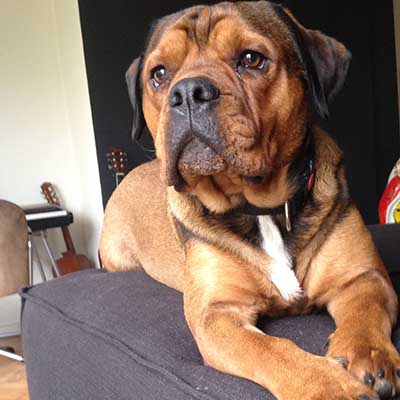
Bullador
The Bullador is a hybrid breed that combines the English Bulldog and the Labrador Retriever, creating a dog that typically ranges from medium to large in size and is celebrated for its friendly and outgoing personality. Although they can act as guard or watch dogs, this behavior is largely attributed to their imposing physical stature rather than their inherent temperament. On rare occasions, the Bulldog's original aggressive instincts might emerge, particularly if the dog is in severe pain or has endured a traumatic event. This mixed breed is known for its intelligence, which usually facilitates an easy training process; however, if they do not receive enough mental stimulation, they may engage in playful antics.
Read more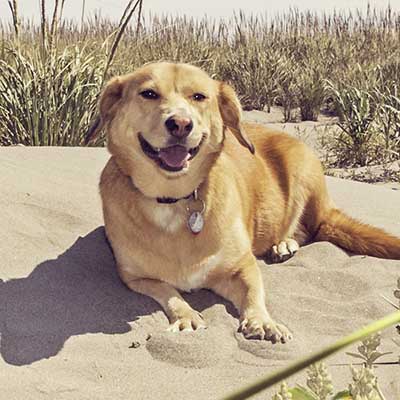
Corgidor
Although the Corgidor is not formally acknowledged as a separate breed, it is a beloved mix that combines the popular Welsh Corgi with the Labrador Retriever. This hybrid has likely been around for a considerable period, probably resulting from accidental crossbreeding between the two parent breeds. Unfortunately, a detailed history of the Corgidor is hard to come by. Breeders strive to capture the Welsh Corgi's loyalty and protective nature, alongside the Labrador's gentle temperament, intelligence, and even disposition in their Corgidor puppies.
Read more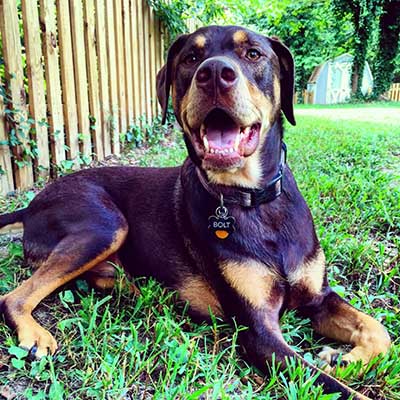
Doberdor
The Doberdor, a carefully bred hybrid of the Doberman Pinscher and the Labrador Retriever, showcases traits like courage, loyalty, and a protective nature, which makes it a wonderful choice for families. Generally, these sizable dogs exhibit a strong and graceful build, particularly when they take after the Doberman side. With their abundant energy, Doberdors flourish in homes that promote an active way of life.
Read more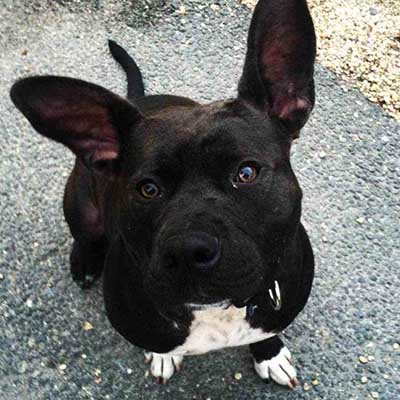
Frenchie Labrador
Frenchie Labradors are loving, smart, and medium-sized pets that form strong connections with those around them. They have a moderate level of energy and respond well to positive reinforcement from their owners. On average, these dogs live between 9 and 15 years, weigh between 35 and 50 pounds, and reach a height of 16 to 18 inches. Their coat is short, smooth, and dense, coming in a variety of colors such as black, chocolate, yellow, cream, white, and fawn, often featuring brindle patterns and ticked markings. While this hybrid breed is not widely recognized and does not have a specific origin date, owners often describe them as low-maintenance companions who are always ready for play.
Read more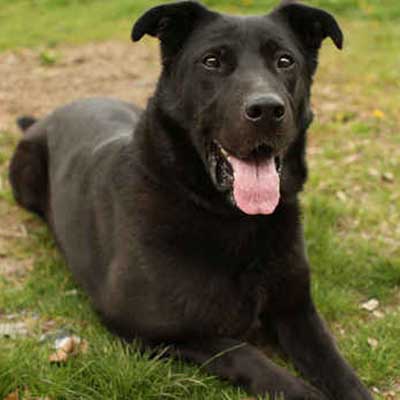
German Sheprador
The German Sheprador is a mixed breed resulting from the combination of a German Shepherd and a Labrador Retriever. This sizable dog is not only an alert guardian but also a loving companion. Although he sheds a moderate amount and requires consistent grooming, his coat is generally short, resembling that of the Labrador, although he might also have a double coat inherited from his German Shepherd ancestry. Renowned for his ability to learn quickly, he is especially great with kids, displaying both loyalty and a protective instinct. His substantial stature often acts as a strong deterrent against potential intruders.
Read more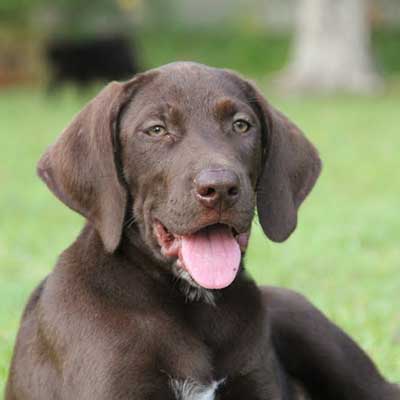
German Shorthaired Lab
The German Shorthaired Lab is a hybrid breed resulting from the combination of the German Shorthaired Pointer and the Labrador Retriever. This sizable dog is an agile and eager hunter, benefiting from the strong lineage of its parent breeds, which originate from Germany and Newfoundland, Canada. Both breeds are adept in diverse environments, thriving on land and in water alike. This mix is particularly suitable for novice pet owners, thanks to its sociable and easygoing nature with people and other pets. Although it tends to be relatively calm, the German Shorthaired Lab requires consistent exercise and has moderate grooming needs.
Read more
Greyador
The Greyador is a mixed breed that emerges from the union of the graceful Greyhound and the lively Labrador Retriever. This tall, slender dog can inherit the impressive speed of its Greyhound ancestry, potentially sprinting at speeds of up to 40 miles per hour. In addition, the Labrador's muscular build enhances the Greyador's sturdy frame. Celebrated for their intelligence and independence, Greyadors are also attuned to their owners' feelings, making them sensitive and empathetic companions.
Read more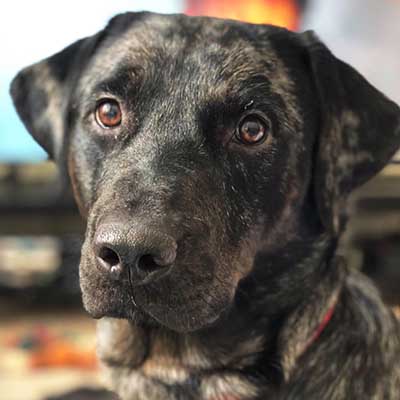
Labahoula
The Labahoula is a strong and tenacious hybrid breed, born from the union of the Labrador Retriever and the Louisiana Catahoula Leopard Dog. Both parent breeds are celebrated for their distinctive spotted fur and captivating eyes, which may occasionally exhibit heterochromia, where each eye showcases a different hue. Generally, the Labahoula inherits the Labrador's loving and gentle nature, combined with the Catahoula's bold and protective traits. However, this hybrid is not suited for individuals seeking a low-energy companion; they are lively and powerful dogs that require ongoing training throughout their lives. These dogs flourish in rural environments or suburban homes that offer plenty of outdoor space.
Read more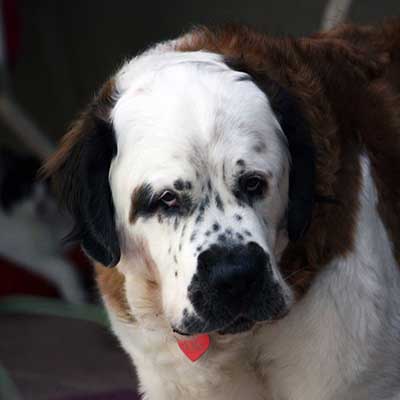
Labernard
The Labernard is a friendly, affectionate, and sociable breed, drawing its personality from its parent breeds: the energetic Labrador Retriever and the gentle Saint Bernard, both of which were originally developed for work purposes. This breed falls into the large to giant category and requires a firm and consistent training approach due to its stubborn nature; therefore, starting training early is recommended. Labernards come in a range of colors, such as white, yellow, brown, tan, black, and red, and possess a short, dense coat with a thick double layer that can lead to discomfort in warmer climates. They shed moderately, so regular grooming is essential to keep their coat healthy. With a strong need for physical activity, the Labernard makes an excellent companion for active families who enjoy outdoor pursuits.
Read more
Labernese
The Labernese is a mixed breed that results from the combination of a Labrador Retriever and a Bernese Mountain Dog. These large, friendly dogs flourish in family settings and struggle when left alone for long periods, often leading to separation anxiety and potentially destructive behavior. Renowned for their gentle temperament, calm disposition, and intelligence, Labernese dogs were initially bred to support individuals who are blind or disabled, making them wonderful family companions. They typically get along well with children and need regular physical activity to stay healthy and content. However, a notable downside of this breed is its relatively brief lifespan. Their coats come in common colors such as black, yellow, chocolate, and white, with patterns that can be solid, bi-colored, or tri-colored. The fur is thick, soft, long, and wavy.
Read more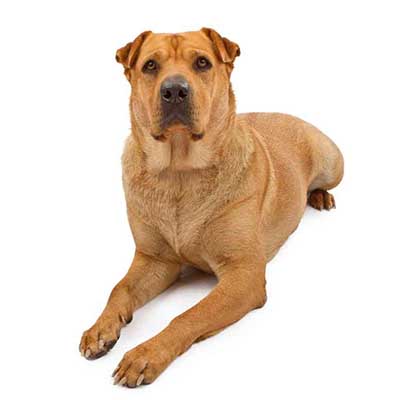
Lab Pei
The Lab Pei, a medium to large hybrid breed, combines the traits of the Labrador Retriever and the Chinese Shar-Pei, celebrated for its loyalty and independent nature. The exact origins of this designer dog are somewhat ambiguous, as the popularity of such breeds has surged only in the last twenty years. It is thought that the Lab Pei first appeared in North America in the early 2000s. Generally, this breed is low-maintenance, needing little grooming. However, their playful and sometimes mischievous demeanor may not make them the best choice for families with young children. With a sturdy and muscular physique, the Lab Pei is a strong dog that typically exhibits moderate activity levels and is known for being relatively quiet, which makes it well-suited for apartment living or urban settings.
Read more
Labrabull
The Labrabull is a hybrid breed that emerges from the combination of a Labrador Retriever and an American Pit Bull. Generally classified as a medium-sized dog, it often leans towards the larger end of the spectrum. This breed is typically known for its friendly nature, although it may require some socialization to learn proper behavior. Due to its temperament and specific needs, the Labrabull is not ideal for first-time pet owners; experts recommend that potential adopters have previous experience with dogs. Energetic like its Labrador parent, this breed needs regular exercise to prevent weight gain. While it can adapt to apartment living or a secure yard, it's crucial to ensure it is contained, as it may wander if not properly fenced in.
Read more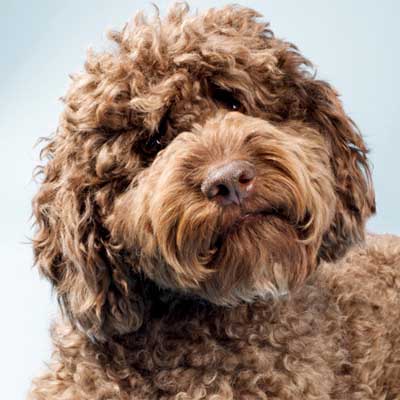
Labradoodle
The Labradoodle is a hybrid breed created by crossing a Labrador Retriever with a Poodle. This designer dog has become increasingly popular, prompting focused breeding initiatives for this specific mix. Labradoodles are known for their loving and playful demeanor, making them excellent companions for older children. However, their energetic nature might not be ideal for families with younger kids. One of their attractive features is their low shedding, which makes them hypoallergenic. They generally interact well with other dogs, but it’s crucial for them to have a safe, enclosed yard to burn off their excess energy.
Read more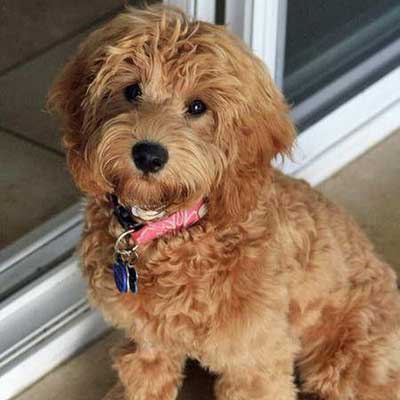
Labradoodle Miniature
The Miniature Labradoodle is a compact version of a beloved hybrid breed. Known for their affectionate nature and intelligence, these dogs thrive on spending quality time with their families and generally display good behavior around people and other animals of all ages. Although they may not be the best choice for a guard dog, they can contribute to home security by barking to signal potential dangers. Typically, these dogs are robust and have a lifespan of 10 to 14 years, with a low likelihood of facing rare health issues. In terms of appearance, they often showcase characteristics from both the Labrador and the Poodle, and they are available in a wide range of coat colors.
Read more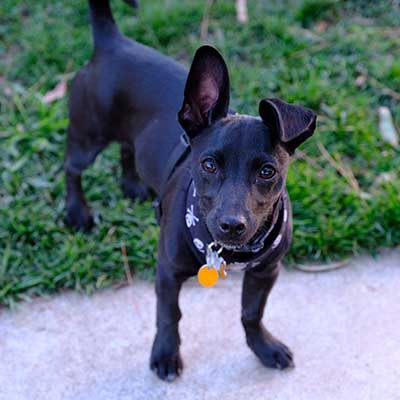
Labrahuahua
A female Labrador Retriever and a male Chihuahua come together to create the unique Labrahuahua. This hybrid breed generally falls within the medium size range and displays physical features and facial traits that reflect both of its parent breeds. Renowned for their loyalty and intelligence, Labrahuahuas tend to form strong bonds with people of all ages. To keep them content, it’s crucial to offer plenty of exercise and affection, which allows them to adapt well to different living environments. These dogs are wonderful companions, require minimal upkeep, and can be expected to enhance your life for about 10 to 15 years.
Read more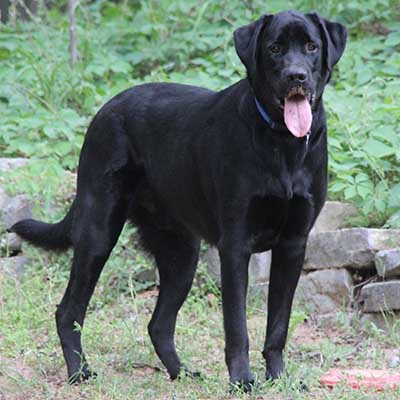
New Labralound
The New Labralound is a hybrid breed resulting from the combination of the Labrador Retriever and the Newfoundland. Both of these parent breeds are large, usually weighing around 100 pounds. Typically, these dogs reach a height of about 26 inches and possess a medium to long coat that is often dense, with textures that can be wavy or straight. Renowned for their friendly disposition, New Labralounds are wonderful family companions, displaying deep affection for children of all ages. They are also known for their patience and gentleness with other animals, including cats and small pets like rabbits, although they may have a natural instinct to retrieve them in certain situations.
Read more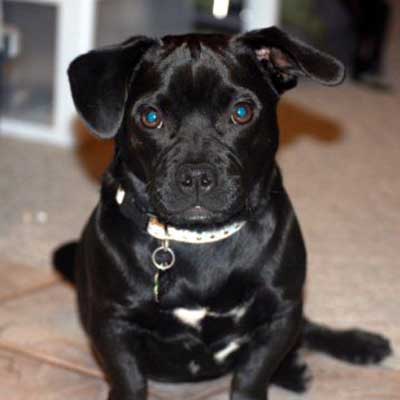
Pugador
The Pugador is a hybrid breed that emerges from the combination of a Pug and a Labrador Retriever. While comprehensive details about this mix are scarce, we can deduce its characteristics by looking at the qualities of its parent breeds. Labrador Retrievers are renowned for their loyalty, affection, and well-rounded temperament, while Pugs are characterized by their calm nature and occasional stubbornness. Both breeds thrive on the companionship of their human families. In terms of size, Pugs are generally small, whereas Labradors can be medium to large. As a result, you can anticipate that a Pugador will weigh between 30 and 50 pounds and exhibit a mix of the personality traits inherited from both parent breeds.
Read more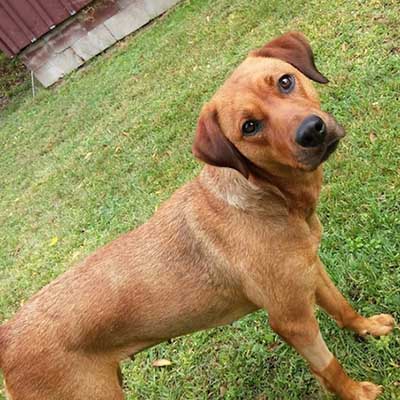
Rhodesian Labrador
The Rhodesian Labrador is a breed that stands out for its striking beauty, gentle demeanor, and affectionate nature, yet it also exhibits a determined and occasionally stubborn personality. These large, energetic dogs are incredibly loyal, forging deep bonds with their owners that result in a strong companionship. They revel in playtime and have a particular fondness for children, often outlasting even the most energetic youngsters in their games. Although they have a tall and slender build, Rhodesian Labradors are not suited for outdoor living; they prefer the comfort of being indoors, close to their families, sharing snacks, and engaging in playful antics. Their enthusiasm for food is well-known, so it's wise to be mindful of their clever begging strategies and those irresistible, pleading expressions. They can gain weight quickly and are prone to bloat, a serious health concern, making it essential to space their meals and limit treats. Training is crucial for this breed to help them realize their full potential. However, they can be quite stubborn; harsh discipline may lead them to become withdrawn and sulky. Positive reinforcement, through praise and encouragement, proves to be much more effective with these delightful dogs. While they are generally non-aggressive, they may show caution around unfamiliar people and can adopt a stance that seems threatening. In summary, the Rhodesian Labrador is a lively, playful, and affectionate breed with a hint of goofiness, making them a promising and devoted companion.
Read more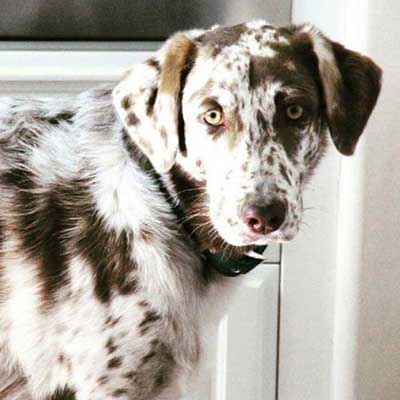
Sheprador
The Sheprador is a mixed breed that emerges from the combination of an Australian Shepherd and a Labrador Retriever. Both parent breeds are medium to large, so Shepradors typically weigh around 60 pounds, fitting comfortably within that size range. Renowned for their friendly nature, Shepradors are wonderful family companions, thriving in environments with children and other pets, while also being capable guard dogs. Their high intelligence facilitates straightforward training, allowing them to master a range of commands and tasks. This breed sports a medium-length, thick coat that needs to be brushed several times a week to reduce tangles and shedding. Furthermore, Shepradors are generally robust and can enjoy a lifespan of about 14 years.
Read more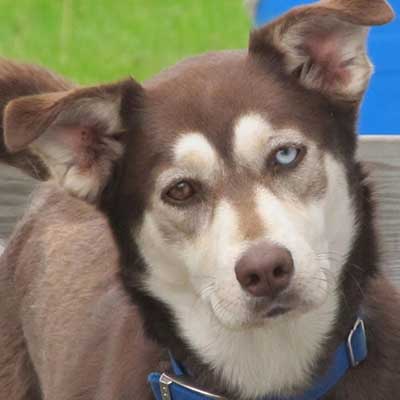
Siberian Retriever
The Siberian Retriever, commonly known as the Husky Lab or Lab Husky Mix, is a breed that typically ranges from medium to large in size, standing up to 25 inches tall. These dogs are celebrated for their friendly, playful, and loving demeanor, making them excellent companions. Their intelligence and obedience allow them to excel in roles such as guide dogs and in law enforcement. Due to their inherent hunting instincts, it is recommended to socialize them early on. With appropriate training and ample opportunities for social interaction, they generally thrive in households with children and other pets. This attractive hybrid boasts a silky coat that can display a variety of colors, including black, white, gray, chocolate, or combinations of these hues.
Read more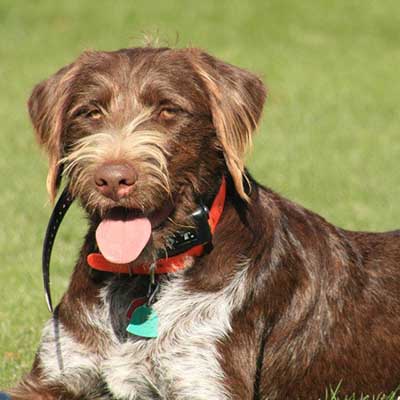
Wirehaired Pointing Griffondor
The Wirehaired Pointing Griffon is a mixed breed that emerges from the combination of two sporting dogs: the Labrador Retriever and the Wirehaired Pointing Griffon. This unique mix has produced a versatile dog celebrated for its friendly demeanor and sociable character, along with a strong passion for hunting. Typically, these dogs stand about two feet tall and weigh around 70 pounds, boasting excellent temperaments that make them ideal companions for families, including those with young children. They are not only eager to please but also relatively easy to train, exhibiting a vibrant and lively personality. Given their size and energetic nature, they flourish in larger homes with plenty of space for both indoor and outdoor activities. Nevertheless, they can also adjust to smaller living situations, as long as they receive adequate attention and exercise.
Read more