Afador
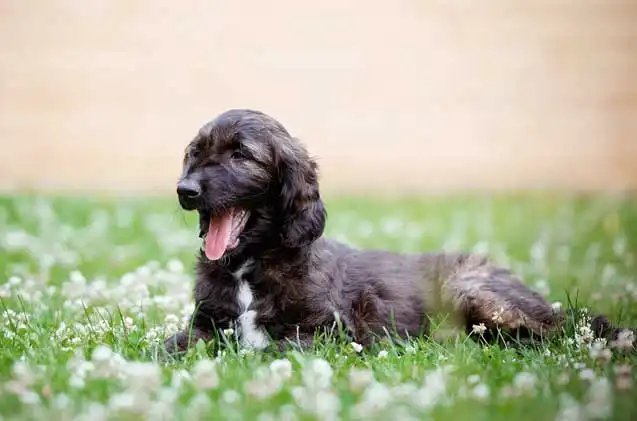
The Afador is a distinctive hybrid breed that results from the crossbreeding of the Afghan Hound and the Labrador Retriever, first appearing in Alaska around the year 2000. This breed is still relatively rare, and breeders are diligently working to enhance its traits in both temperament and physical appearance. Typically, Afadors have a body structure akin to that of the Labrador Retriever, while their heads resemble those of the Afghan Hound. These medium-sized dogs are characterized by their long, fine fur, complemented by short, silky hair on their faces. The Afador inherits numerous admirable qualities from its parent breeds, such as patience, affection, loyalty, dignity, and courage. However, as a hybrid, it is not eligible for registration as a purebred with the American Kennel Club.
Breed Origin
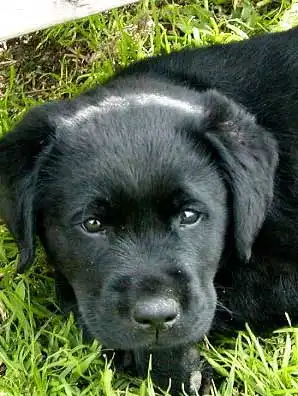
The Afador, a unique hybrid developed in Alaska, is a captivating mix of the Labrador Retriever and the Afghan Hound. Although still considered a rare breed, its popularity has significantly increased over the last decade. This breed combines the Labrador's intelligence and energy with the Afghan's grace and beauty, making it a wonderful companion for a variety of households. Initially, the Afador was solely a cross between these two breeds, but many breeders now incorporate second-generation Afadors to produce new litters. This practice introduces a range of traits in the puppies, influenced by the genetic makeup of the parent breeds and the dominance of specific characteristics. Breeders are currently working to stabilize the Afador by determining the ideal blend of traits from each breed that are most desirable. The Afghan Hound, one of the oldest dog breeds with origins dating back to the pre-Christian era in Afghanistan, contrasts sharply with the Labrador Retriever, known for its intelligence, affection, and playful nature. This friendly demeanor makes the Labrador a popular choice for guide and working dogs. Generally, the Afador is a sturdy and confident retrieving dog that thrives on work but also has a playful and protective side. While they make excellent watchdogs at home, they also love outdoor activities and may instinctively chase small animals, even without encouragement. As a mixed breed, the Afador does not qualify as a purebred and is not recognized by the AKC, although it falls within the hound and sporting groups.
Breed Appearance
The Afador is a medium-sized dog known for its elegant physique, featuring long legs and a well-proportioned, athletic build. This breed has a sturdy frame, highlighted by a broad, rounded head, a long, tapered snout, and a nose that can be either brown or black. Its dark, almond-shaped eyes reflect a sense of curiosity, while its ears are typically dropped and folded. It's essential to recognize that these physical characteristics can vary depending on the specific genetic blend of the Afghan Hound and Labrador Retriever. The Afador's coat can range from medium to long, showcasing a silky, straight texture. They come in a diverse palette of colors, including white, gray, red, brown, black, tan, and various combinations of these hues. Many Afadors also feature a distinctive dark fur on their faces, giving them a masked appearance. Generally, they weigh between 60 and 75 pounds and stand around 25 to 30 inches tall, with males usually being larger than females. While the Afador is more robust and solid than its Afghan Hound ancestor, it still maintains a leaner and more graceful look compared to the Labrador Retriever. However, it's worth noting that second-generation Afadors may exhibit significant variations in their physical traits.

Care Routine
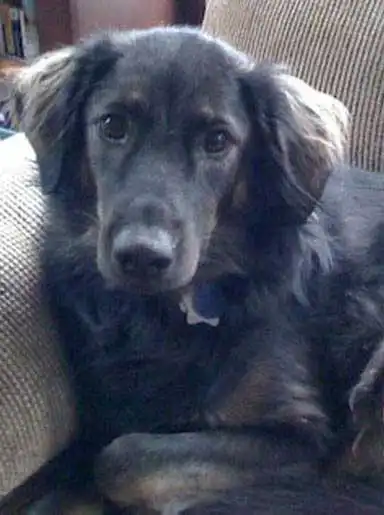
The Afador's long and fine coat demands regular grooming to prevent matting and tangling. Although the Afghan Hound is often regarded as nearly hypoallergenic, the Labrador Retriever sheds moderately, suggesting that the Afador will likely shed as well. To keep their coat in good condition, it is recommended to brush them at least twice a week with a metal comb and a bristle brush. When brushing, focus on one section at a time, starting from the bottom to effectively avoid tangles. Given their long fur and playful nature, your Afador may require more frequent baths compared to other breeds. Always choose a gentle shampoo that your veterinarian recommends. Additionally, it's important to check and clean their ears weekly to eliminate any excess wax and debris. Regarding nutrition, an Afador generally needs two to three cups of high-quality dog food each day, with adjustments made based on their size and age. Since Afghan Hounds are prone to bloat, it’s wise to consult your veterinarian about the best feeding strategy, which may involve offering smaller, more frequent meals throughout the day.
Behavior & Temperament
Afador owners frequently voice their frustrations about the difficulties involved in training their dogs. These breeds flourish in structured environments and need consistent, positive reinforcement to thrive. Given their intelligence and strong-willed disposition, Afadors might sometimes disregard commands, making it crucial to maintain a firm and steady training approach. For those who are new to dog ownership, seeking assistance from a professional trainer can be advantageous in fostering appropriate behavior. Afadors typically get along well with older children, as their lively and playful nature can be too much for younger kids to handle. To avoid any mishaps, it’s wise to supervise any interactions between your Afador and children under five, as the dog’s exuberance might unintentionally knock them over during playtime. When it comes to other pets, Afadors can live harmoniously with them if they are socialized early on. However, if you have smaller animals like cats or puppies, it’s essential to teach your Afador that they are not to be seen as prey. Although Afadors are not the best fit for apartment living due to their high energy and propensity to bark, they can adapt well if they receive ample exercise each day.


Play & Exercise
The Labrador Retriever and the Afghan Hound are both medium-sized dog breeds that require at least 45 minutes of exercise daily. If they don’t get enough physical activity, these dogs can become sedentary and gain weight. This inclination can also be inherited by their mixed-breed puppies, making them susceptible to lethargy and obesity. To support muscle growth and ensure your dog’s overall well-being, it’s crucial to provide them with plenty of exercise. Merely leaving them in the backyard isn’t sufficient, as they might not engage in play and could even develop destructive behaviors. By actively involving yourself in activities with your dog—whether through games or casual strolls in the neighborhood—you strengthen the bond between you, enhancing the quality of life for both of you.
Things to Know
Cups Per Day
2.5 Cups
Daily Activity
45 Minutes
Average Lifespan
12 Years
Origin
2000
Type
Crossbreeds
Size
Large
Origin Country
Alaska
Brush Frequency
Weekly
Coat Texture
Straight
Register
Your kids have been begging for a pet forever, and you've recently decided that it's time for your family to get a new addition -- a dog! While everyone is excited for the new arrival, you're wondering if you need to have a dog license. How much does it cost? Is it required? Where do you get one?
Member Clubs

PETINNATE
Other
Height & Weight
Weight
60 lbs (27 kg)Male: 63 lbs (29 kg) , Female: 58 lbs (26 kg)
Height
27 inches (69 sm)Male: 28 inches (71 sm) , Female: 26 inches (66 sm)
6 Months
26 lbs ( m 26 lbs, f 26 lbs )
20 inches ( m 20 inches, f 20 inches )
12 Months
50 lbs ( m 50 lbs, f 50 lbs )
24 inches ( m 24 inches, f 24 inches )
18 Months
57 lbs ( m 57 lbs, f 57 lbs )
25 inches ( m 25 inches, f 25 inches )
Eye Colors
Brown

Nose Colors
Black
Brown
Coat Colors
Fawn
Red
Brown
Gray
Black