Lab Pei
Shar-Pei Lab
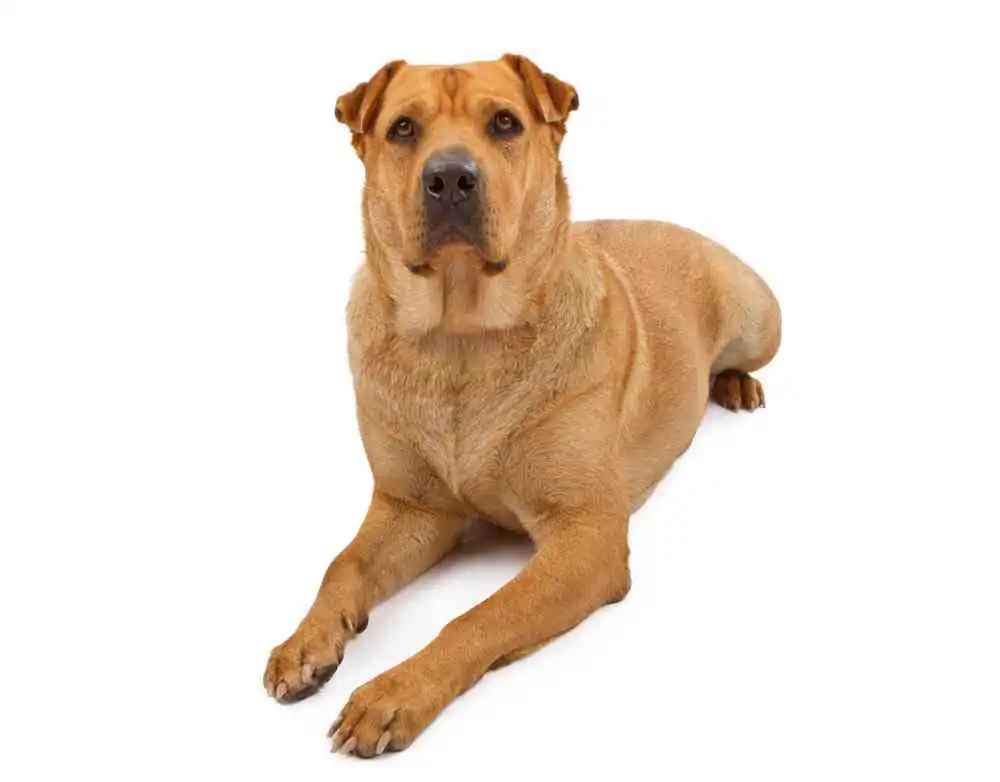
The Lab Pei, a medium to large hybrid breed, combines the traits of the Labrador Retriever and the Chinese Shar-Pei, celebrated for its loyalty and independent nature. The exact origins of this designer dog are somewhat ambiguous, as the popularity of such breeds has surged only in the last twenty years. It is thought that the Lab Pei first appeared in North America in the early 2000s. Generally, this breed is low-maintenance, needing little grooming. However, their playful and sometimes mischievous demeanor may not make them the best choice for families with young children. With a sturdy and muscular physique, the Lab Pei is a strong dog that typically exhibits moderate activity levels and is known for being relatively quiet, which makes it well-suited for apartment living or urban settings.
Breed Origin
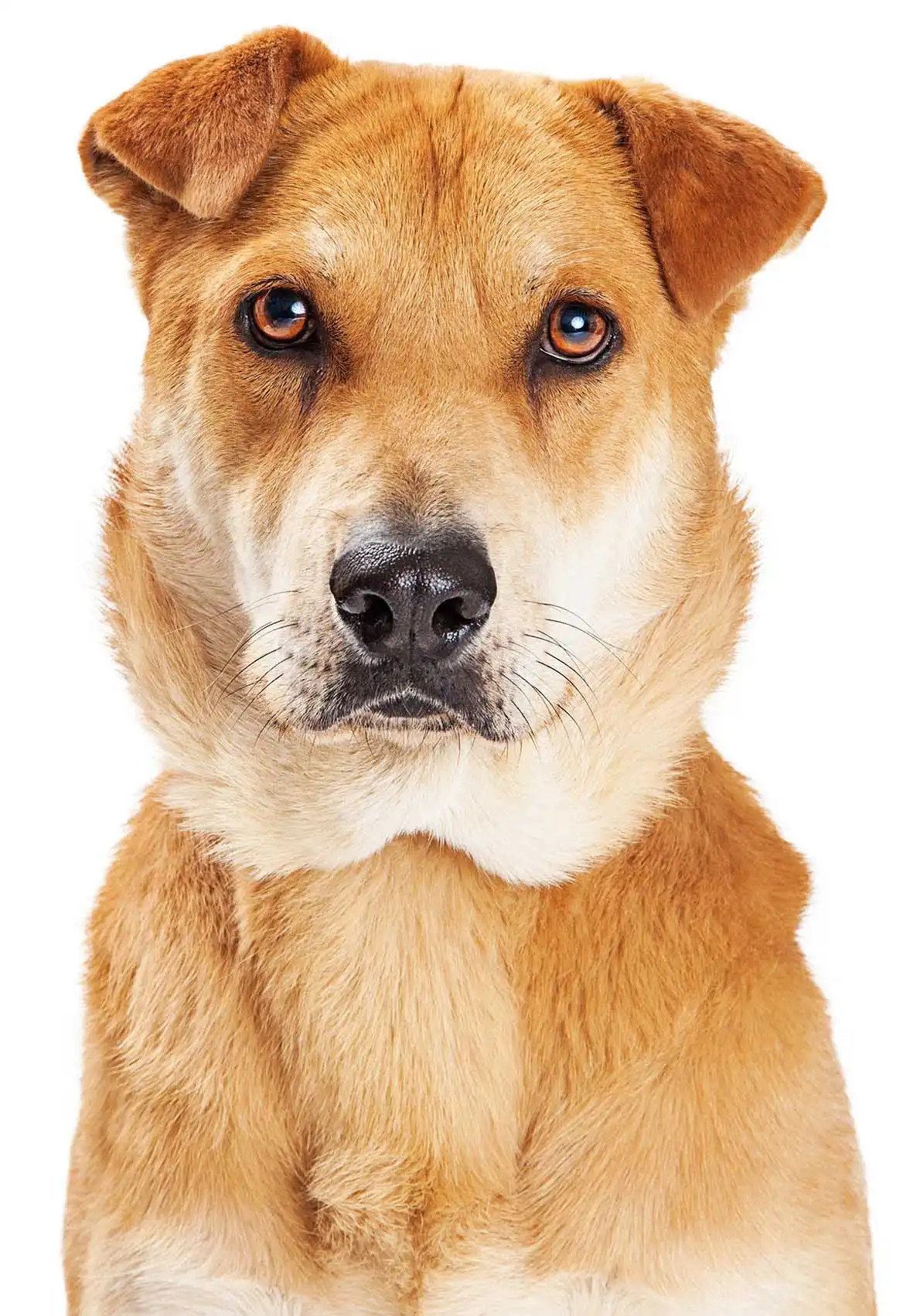
The Lab-Pei is a relatively new designer dog breed that seems to have emerged in the 21st century, with its roots traced back to the United States, where it is exclusively recognized by the Dog Registry of America. This breed inherits its proud and protective nature from the Chinese Shar-Pei, an ancient medium-sized dog believed to have originated in Southern China over 2,000 years ago. During the Han Dynasty, the Shar-Pei served as a versatile working dog, performing various roles on farms, in fields, and within palaces, including hunting, herding, and guarding. Unfortunately, this breed faced a significant decline in numbers when the People's Republic of China was established, as the communist government regarded dog ownership as a sign of Western influence. In contrast, the Labrador Retriever is a well-established breed that originated in St. John's, Newfoundland, Canada, during the 1800s. Known for their remarkable swimming and water-retrieving skills, Labradors were initially bred to aid fishermen by retrieving nets. However, after their arrival in the United Kingdom, their role evolved to include hunting and retrieving game. Today, the Labrador is celebrated as the most popular dog breed in America, fulfilling important roles as service, guide, and police dogs, which highlights their intelligence and versatility.
Breed Appearance
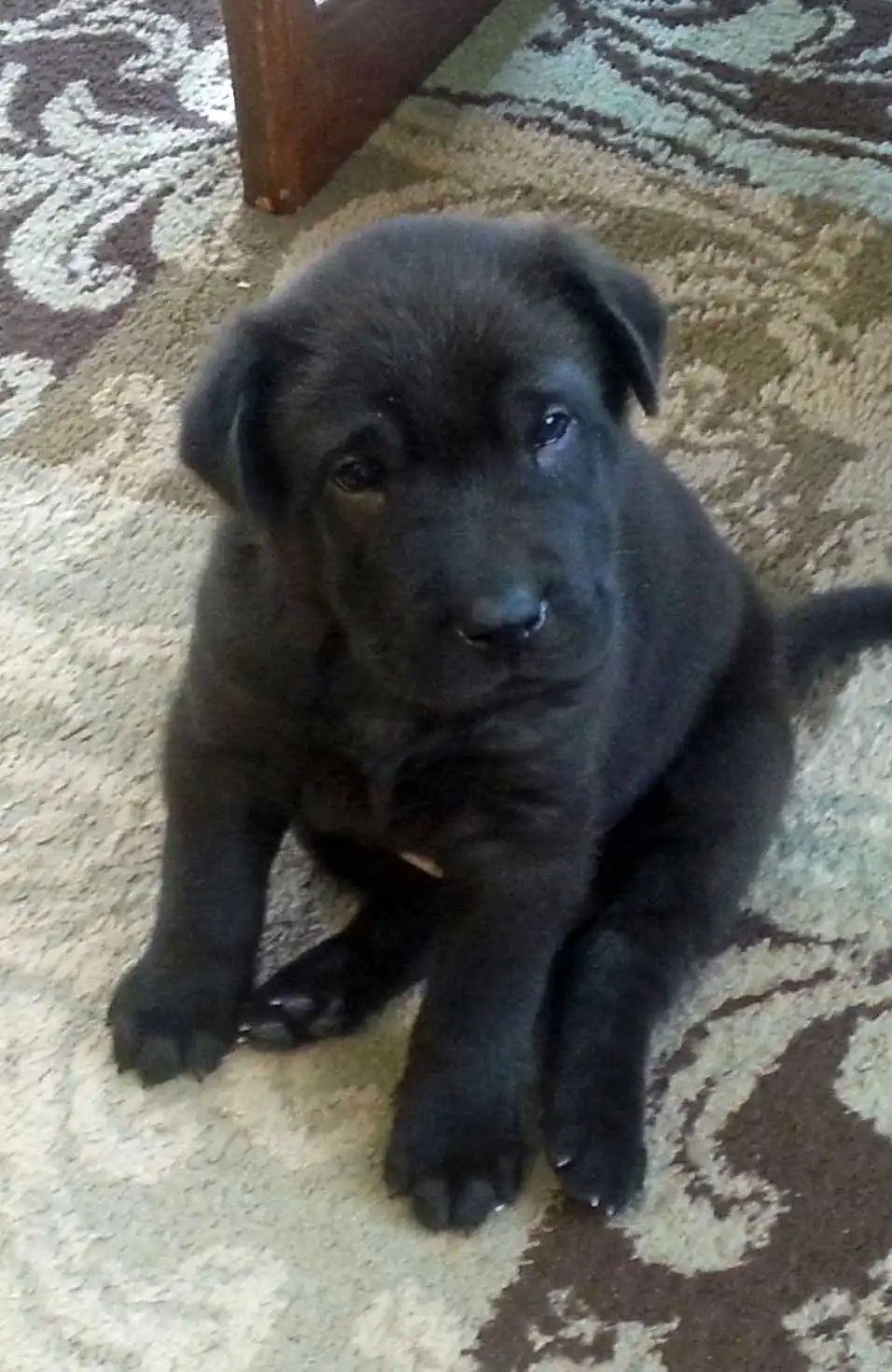
The Lab Pei is a sturdy and compact breed. While they fall into the medium size category, their smaller frame should not deceive you; they are built for durability. Typically, Lab Peis have a short, thick coat that may be resistant to water, a trait inherited from their Labrador lineage. In contrast to their Shar-Pei parent, these hybrids do not display prominent wrinkles, although they do have gentle folds on their foreheads. Their eyes are small, dark, and almond-shaped, contributing to an alert appearance. The ears sit high on the head, are semi-floppy, and feature pointed tips. With a broad skull and a medium-length muzzle, this breed showcases strong shoulders, deep chests, and powerful limbs. Their tails are set high, robust, and exhibit a slight curve.
Care Routine
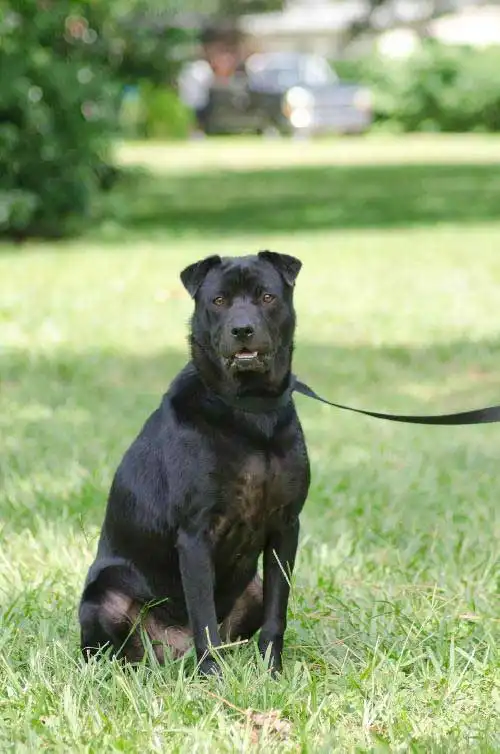
The Lab Pei is typically seen as a low-maintenance breed, requiring little grooming. However, it's essential to remember that this hybrid is not hypoallergenic and tends to drool significantly, so keeping some drool cloths nearby is a good idea. Monthly brushing is important to remove debris and loose fur, as well as to help distribute the dog’s natural oils. If your Lab Pei has more skin folds and wrinkles, regular cleaning of these areas is vital to prevent the buildup of bacteria and yeast. Bathing should be done as necessary, but it’s highly advisable for owners to routinely wipe their dog with a damp cloth, paying special attention to the skin folds, foot pads, anal area, and around the eyes. Like all dogs, maintaining proper oral hygiene through regular teeth brushing is crucial to avoid dental problems. Additionally, it’s important to frequently check and clean the ears for any signs of infection and to trim the nails if they aren’t naturally worn down.
Behavior & Temperament
The Lab Pei is a fantastic option for families in search of a dog that strikes a balance between independence and playfulness. This hybrid breed is celebrated for its loyalty and protective nature, making it an effective watchdog. However, these characteristics can present some challenges, as Lab Peis may be cautious around unfamiliar dogs and people. Furthermore, they are sensitive to rough treatment, which makes them less suitable for homes with very young children; they generally do better in settings with older kids. If you're thinking about welcoming a Lab Pei into your family, be ready to dedicate considerable time to obedience training. These dogs can display possessive and dominant tendencies, so they are ideally suited for experienced dog owners. While they might find it difficult to interact with children and other pets, early socialization during their puppy stage is essential for developing a more sociable and tolerant personality. Thus, enrolling your young Lab Pei in a puppy training class is highly advisable.


Play & Exercise
For pet owners looking for a hybrid breed that thrives in an apartment setting, the Lab Pei is a fantastic option. This breed possesses a balanced energy level, which means they don’t require excessive exercise to stay satisfied. Generally, about an hour of physical activity each day is sufficient to keep them happy. Lab Peis typically enjoy a range of activities such as fetch, swimming, short jogs, long walks, hiking, and playtime with their humans or fellow dogs. After engaging in a few walks and some playtime, you can anticipate your Lab Pei curling up and relaxing at your feet.
Things to Know
Cups Per Day
2.5 Cups
Daily Activity
60 Minutes
Average Lifespan
10 Years
Origin
2000s
Type
Crossbreeds
Size
Medium
Origin Country
United States
Brush Frequency
Monthly
Coat Texture
Straight
Register
Your kids have been begging for a pet forever, and you've recently decided that it's time for your family to get a new addition -- a dog! While everyone is excited for the new arrival, you're wondering if you need to have a dog license. How much does it cost? Is it required? Where do you get one?
Member Clubs

PETINNATE
Other
Height & Weight
Weight
56 lbs (25 kg)Male: 60 lbs (27 kg) , Female: 53 lbs (24 kg)
Height
21 inches (53 sm)Male: 22 inches (56 sm) , Female: 20 inches (51 sm)
6 Months
22 lbs ( m 22 lbs, f 22 lbs )
17 inches ( m 17 inches, f 17 inches )
12 Months
45 lbs ( m 45 lbs, f 45 lbs )
19 inches ( m 19 inches, f 19 inches )
18 Months
60 lbs ( m 60 lbs, f 60 lbs )
20 inches ( m 20 inches, f 20 inches )
Eye Colors
Blue

Hazel
Brown
Nose Colors
Black
Brown
Isabella
Coat Colors
Cream
Sable
Isabella
Black

Brown