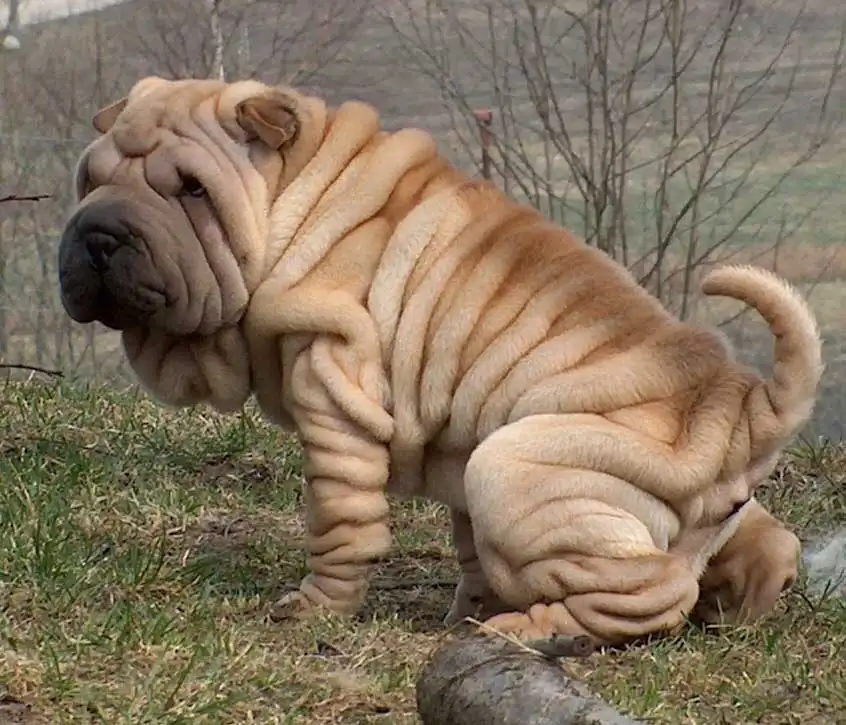
Chinese Shar-Pei
Chinese fighting dog
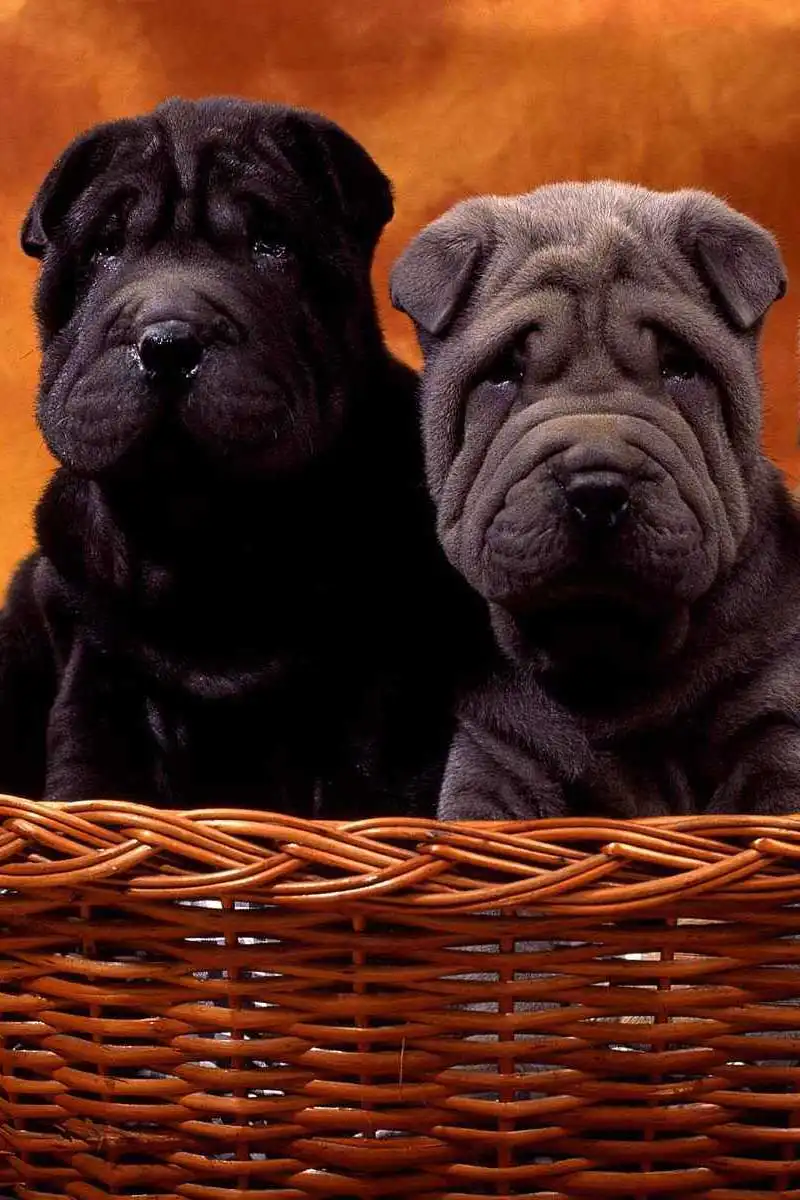
The Chinese Shar-Pei is a large dog breed distinguished by its unique wrinkled head and face. Typically, these dogs weigh around fifty pounds and stand about eighteen inches tall. There is a belief that the Chinese Shar-Pei shares a lineage with the Chow-Chow, as both breeds feature a blue-black tongue, which often causes confusion between them. Traditionally, the Chinese Shar-Pei was a multifunctional farm dog in China, employed for various tasks such as hunting, tracking, herding, and protecting livestock. Unfortunately, some people misused the breed for dogfighting, as its distinctive wrinkled skin and coarse fur were thought to hinder opponents' grip. The breed came perilously close to extinction during the Communist Revolution, but a businessman from Hong Kong played a vital role in reviving interest in the Shar-Pei among American dog lovers. In 1992, the American Kennel Club officially recognized the Chinese Shar-Pei, and it has since gained popularity as one of the favored dog breeds in the United States.

Breed Origin
Believed to be a descendant of the Chow-Chow, the Chinese Shar-Pei is easily recognized by its unique blue-black tongue and has been depicted in pottery dating back to 206 B.C. Historically, these dogs served multiple roles, including hunting, family protection, herding livestock, and managing rat populations. Renowned for their impressive stamina, Shar-Peis could work alongside their owners tirelessly throughout the day. In Chinese culture, it was thought that the breed's wrinkles and dark mouths offered protection against malevolent spirits. Once nearly extinct, the breed, whose name means "sandy coat," was officially recognized by the American Kennel Club in 1992, a pivotal moment that aided in its revival. Currently, there are more than 70,000 Shar-Peis registered with the AKC as foundation stock. These dogs are celebrated for their loyalty and make formidable watchdogs. It is vital for their owners to establish firm control; if a Shar-Pei senses its owner as "soft" or "inconsistent," it may try to assume authority. Consistent leadership is crucial. Furthermore, while Chinese Shar-Peis are generally easy to housebreak, they do have a tendency to slobber. They benefit from regular baths and daily grooming.
Breed Appearance
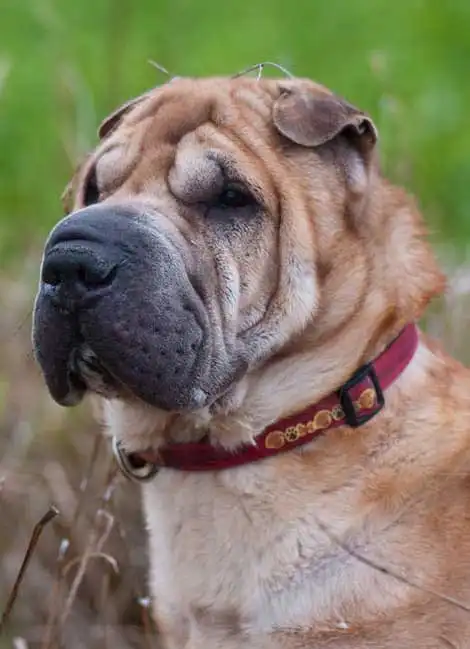
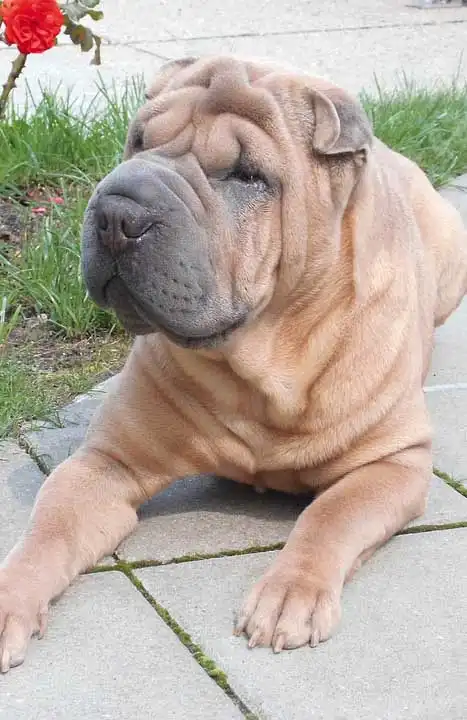
The Chinese Shar-Pei is notable for its sturdy build, broad square head, and wide muzzle. This breed is recognized for its distinctive blue-black tongue and a scissors bite. Its small eyes are deeply set amidst a landscape of wrinkles. The ears are positioned high, triangular in shape, and small with rounded tips. Interestingly, Shar-Pei puppies display more prominent wrinkles than adults. There are three coat varieties within this breed: the horse-coat, brush-coat, and the rare bear-coat, which is thought to be associated with Chow-Chow lineage. However, the bear-coat is not acknowledged by the AKC as part of the breed standard, rendering it unsuitable for competitive showing. The horse-coat is relatively rare and is characterized by a coarse, prickly texture that stands away from the body, while the brush-coat has longer, smoother fur. All coat types can grow up to one inch in length, with solid colors and sables being the recognized standards for Shar-Peis.
Care Routine
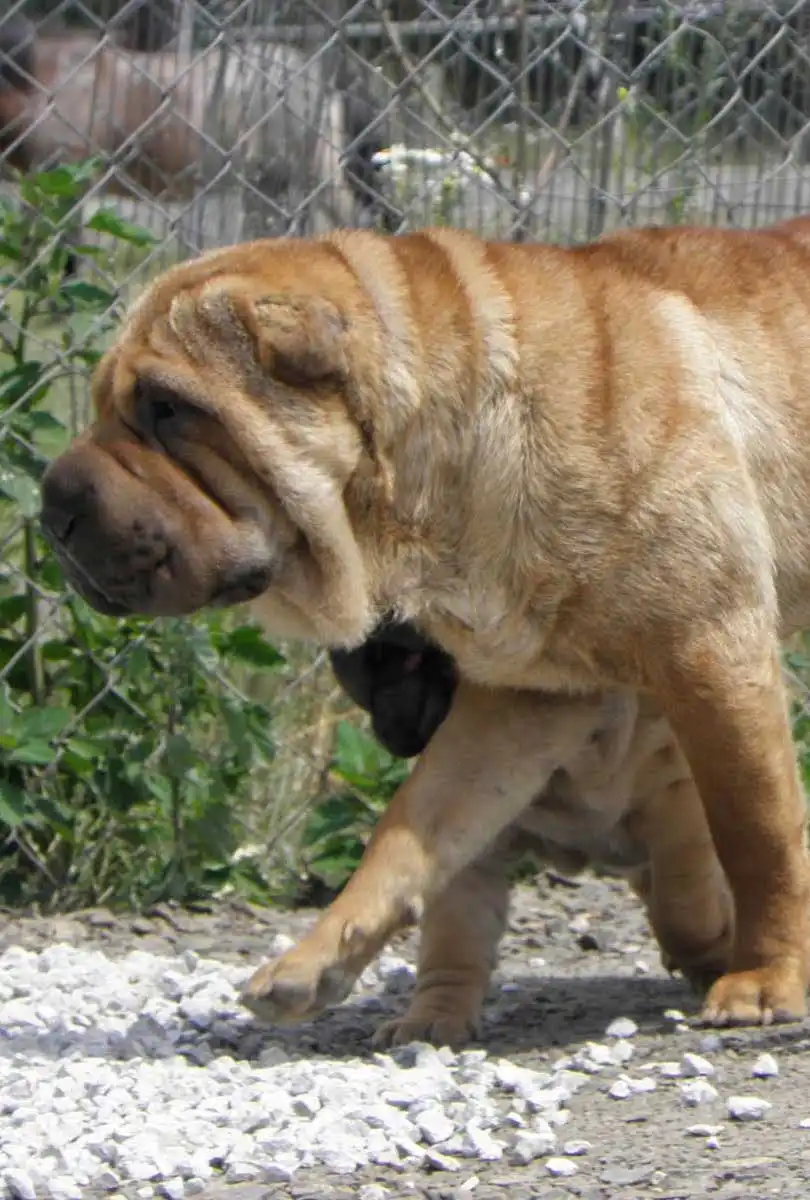
Given their vulnerability to skin infections and various dermatological conditions, it is advisable to brush Chinese Shar-Peis daily and bathe them weekly. Careful attention should be paid to cleaning and thoroughly drying the numerous folds that define this breed, as dirt and moisture can accumulate in these creases, fostering an environment that promotes yeast and bacterial growth. Furthermore, Chinese Shar-Peis are sensitive to heat and should be kept in a cool environment at all times. The wrinkles on their heads serve as insulators, making it vital to provide sufficient shade when they are outdoors. While regular exercise is essential, owners must be cautious not to overexert their dogs. These pets enjoy spending time in the yard and flourish with human interaction, which should be a consistent part of their outdoor experience. Incorporating regular activities such as leash walks and socializing at dog parks into their daily routine is also important for a Shar-Pei's well-being.
Behavior & Temperament
The Chinese Shar-Pei is recognized for its intelligence, playful demeanor, and energetic personality, all paired with a bold spirit. However, these dogs also possess a pronounced sense of dominance. For this reason, it is vital for owners to establish clear and consistent leadership right from the beginning of their relationship with a Shar-Pei. Generally, these dogs are calm and laid-back, which makes them reliable watchdogs due to their loyalty to their families. They may be selective in obeying commands from other household members, especially if those individuals appear uncertain or overly gentle in the eyes of the dog. Thus, it is essential for owners to maintain a firm and consistent approach. Given their dominant nature, a Shar-Pei might try to take charge if they sense their handler lacks authority. On a brighter note, this breed is relatively straightforward to house train, although they usually have an aversion to water. When raised with cats and children, Shar-Peis can seamlessly incorporate them into their family life. Early socialization with other dogs is crucial, as they can exhibit dominance in canine interactions.
Play & Exercise
Things to Know
Cups Per Day
3.0 Cups
Daily Activity
60 Minutes
Average Lifespan
9 Years
Origin
206 BC
Type
Pure Breeds
Size
Medium
Origin Country
China
Brush Frequency
Daily
Coat Texture
Straight
Register
Your kids have been begging for a pet forever, and you've recently decided that it's time for your family to get a new addition -- a dog! While everyone is excited for the new arrival, you're wondering if you need to have a dog license. How much does it cost? Is it required? Where do you get one?
Member Clubs

PETINNATE
Northern Breed

AKC
Non-Sporting Group

UKC
Northern Breed
Height & Weight
Weight
53 lbs (24 kg)Male: 53 lbs (24 kg) , Female: 53 lbs (24 kg)
Height
19 inches (48 sm)Male: 19 inches (48 sm) , Female: 19 inches (48 sm)
6 Months
24 lbs ( m 24 lbs, f 24 lbs )
16 inches ( m 16 inches, f 16 inches )
12 Months
42 lbs ( m 42 lbs, f 42 lbs )
19 inches ( m 19 inches, f 19 inches )
18 Months
52 lbs ( m 52 lbs, f 52 lbs )
19 inches ( m 19 inches, f 19 inches )
Eye Colors
Brown

Nose Colors
Black
Coat Colors
Black

Fawn
Cream
Red
Characteristics
Mixes
Clumber Pei
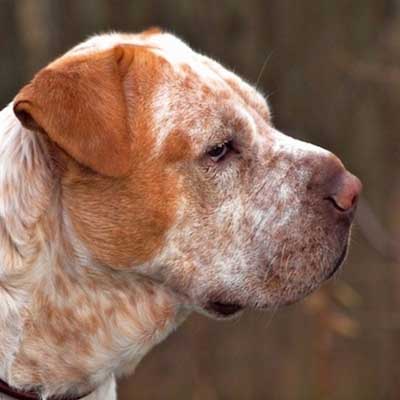
The Clumber Pei is a mixed breed that arises from the crossbreeding of a Clumber Spaniel and a Chinese Shar-Pei. These dogs are celebrated for their affectionate and loving demeanor, yet they can also display a certain level of independence, making them both charming and, at times, a bit stubborn as family pets. Therefore, it is crucial to begin training early with this breed. While generally easygoing, Clumber Peis require a moderate amount of exercise to stay healthy. They usually have a lifespan of 9 to 11 years, weigh between 50 and 70 pounds, and stand 17 to 20 inches tall. This breed comes in various color patterns, has a short coat, and features the unique “hippopotamus” muzzle typical of the Chinese Shar-Pei, though they lack the characteristic wrinkles. Although many believe the Clumber Pei was developed in the late 1990s to early 2000s, the exact timeline is still uncertain. As a relatively new breed, Clumber Peis have not yet received recognition as purebreds by the American Kennel Club.
Read more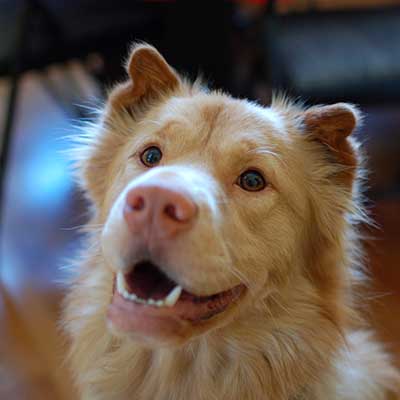
Golden Pei
The Golden Pie grows into a medium to large dog celebrated for its loving and dependable nature. If your dog exhibits more characteristics of the Shar-Pei, it becomes crucial to focus on socialization and training during its formative years to help it develop proper behavior around people and other pets. Overall, they are wonderful family companions, although they can be sensitive at mealtime. It’s vital to instruct children not to tease the dog with food or to pull on its tail or ears, especially while it’s eating. The Golden Pie is a delightful friend, fiercely loyal to its family and known for its friendly, outgoing personality. While they appreciate training, they can also show a stubborn streak, necessitating a patient and gentle approach for effective management.
Read more
Rus-A-Pei
The Rus-A-Pei is a meticulously developed designer breed, emerging from the deliberate combination of the ancient Chinese Shar-Pei, historically recognized for its role as a guardian and protector, and the spirited Parson or Jack Russell Terrier, celebrated for its determination as a fox hunter. This breed is marked by its lively disposition and independent nature, along with a keen intelligence that can occasionally manifest as stubbornness. Consequently, it is recommended that Rus-A-Pei owners who are inexperienced in training consider enrolling their dogs in obedience classes and seeking advice from experienced trainers. Although training these dogs may present some challenges, their high level of intelligence means that, with the right mix of exercise, attention, and mental stimulation, they can grow into loyal, charming, and well-behaved companions.
Read more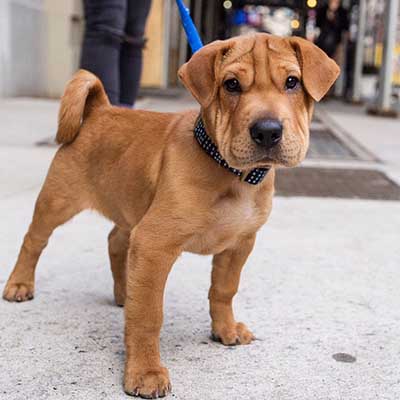
Sharp Eagle
The Sharp Eagle is a hybrid dog breed that results from the crossbreeding of the Chinese Shar-Pei, recognized for its loose skin and its historical role as a hunter and protector on farms, and the Beagle, a driven hound originally bred for tracking small game like rabbits. This unique blend yields a robust and intelligent canine with a strong sense of independence and a notable prey drive. Although their temperament can help mitigate certain behavioral issues, such as separation anxiety, it may also present challenges during training. These medium-sized dogs, characterized by their short coats, are well-suited for apartment living, requiring only a moderate level of daily exercise and minimal grooming.
Read more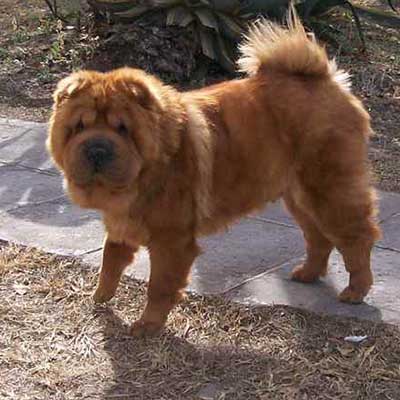
Chow Pei
The Chow Pei is a hybrid dog resulting from the crossbreeding of a Chow Chow and a Chinese Shar Pei. While both parent breeds originate from China, this particular mix is believed to have developed in the United States, although the precise timeline remains uncertain. The Chow Pei was likely bred to serve as a versatile working dog, adept at tasks like farming and hunting, reflecting the traits of its Chow Chow ancestry. This hybrid combines the hunting instincts of the Chow Chow with the protective nature of the Shar Pei, making it a capable guardian for families. Characterized by the temperaments of its parent breeds, the Chow Pei tends to be wary and reserved around unfamiliar people, yet it is deeply affectionate and loyal to its family. Although this breed may not naturally interact well with children, early socialization can enhance these relationships. Typically, a Chow Pei is a medium to large-sized dog, weighing between 40 and 60 pounds and standing 15 to 20 inches tall, with loose skin or wrinkles primarily around the neck area. Its head bears resemblance to that of the Shar Pei, while its ears are more akin to those of the Chow Chow. The coat can vary in length, being either long or short, but is generally thick, straight, and soft. As an energetic breed, the Chow Pei needs regular exercise to keep its weight in check. Grooming requirements will depend on the influence of the Chow Chow parent, with brushing needed anywhere from once a week to several times a week to manage moderate shedding from both breeds.
Read more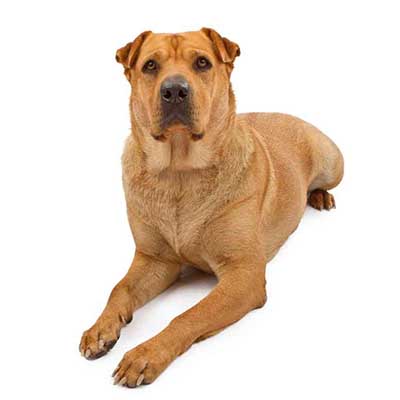
Lab Pei
The Lab Pei, a medium to large hybrid breed, combines the traits of the Labrador Retriever and the Chinese Shar-Pei, celebrated for its loyalty and independent nature. The exact origins of this designer dog are somewhat ambiguous, as the popularity of such breeds has surged only in the last twenty years. It is thought that the Lab Pei first appeared in North America in the early 2000s. Generally, this breed is low-maintenance, needing little grooming. However, their playful and sometimes mischievous demeanor may not make them the best choice for families with young children. With a sturdy and muscular physique, the Lab Pei is a strong dog that typically exhibits moderate activity levels and is known for being relatively quiet, which makes it well-suited for apartment living or urban settings.
Read more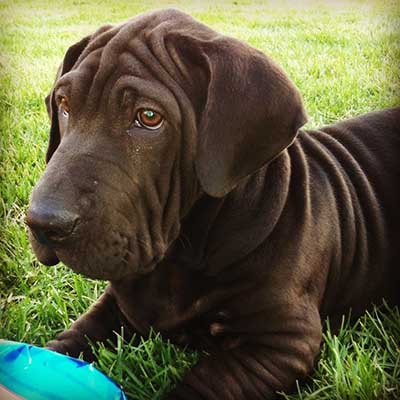
Ba-Shar
The Ba-Shar is a hybrid breed that emerges from the combination of a Basset Hound and a Shar-Pei, with its roots in the United States. This breed is available in a range of colors, such as chocolate, cream, fawn, white, black, brown, and golden. Their coat is typically short, dense, and coarse, offering some water resistance. Ba-Shars are known for their affectionate demeanor and intelligence, displaying a strong loyalty to their families. Grooming is relatively straightforward due to their short fur, which only requires brushing a couple of times a week. While they can be somewhat stubborn, they make effective watchdogs. Despite their larger stature, they can comfortably adapt to apartment living as long as they receive regular exercise each day.
Read more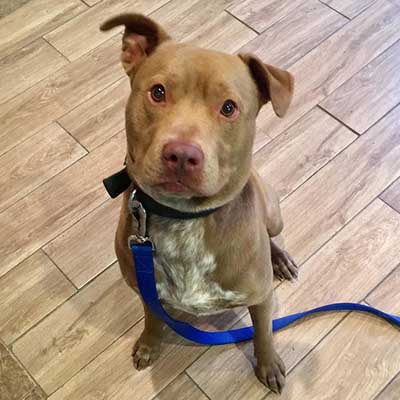
Pit Pei
Pit Peis are a newly emerging designer dog breed, created by crossing a Shar-Pei with an American Pitbull Terrier. While these parent breeds share some common traits, they also have notable differences, especially in their physical characteristics. Both breeds can be quite stubborn, which means they are generally better suited for experienced dog owners. Consequently, we can expect certain traits in the Pit Pei, although some may still be unpredictable. These dogs have a dense coat, making them more comfortable in cooler temperatures and less ideal for vigorous activity in hot weather. As a medium-sized breed, they do best in homes with ample space and yards, but they can adapt to apartment living as long as they receive sufficient exercise each day.
Read more