Pit Pei
Sharpull Terrier, Shar-Pei Pitbull Terrier, Shar Pit
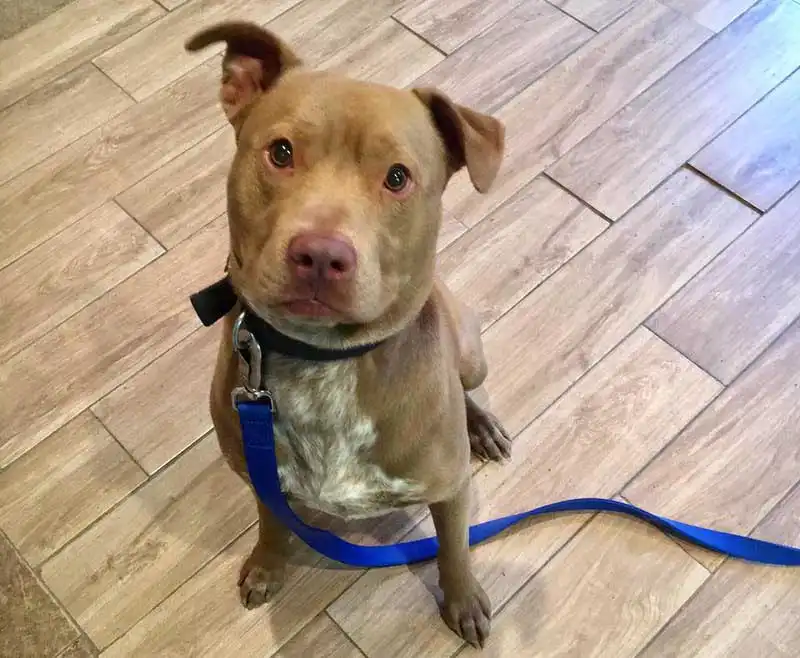
Pit Peis are a newly emerging designer dog breed, created by crossing a Shar-Pei with an American Pitbull Terrier. While these parent breeds share some common traits, they also have notable differences, especially in their physical characteristics. Both breeds can be quite stubborn, which means they are generally better suited for experienced dog owners. Consequently, we can expect certain traits in the Pit Pei, although some may still be unpredictable. These dogs have a dense coat, making them more comfortable in cooler temperatures and less ideal for vigorous activity in hot weather. As a medium-sized breed, they do best in homes with ample space and yards, but they can adapt to apartment living as long as they receive sufficient exercise each day.

Breed Origin
Hybrid dogs are created by breeding two purebred breeds together. A notable example is the Pit Pei, which is a cross between the Shar-Pei and the American Pitbull Terrier. The origins of the Shar-Pei are somewhat mysterious; artifacts featuring these dogs have been found on ancient pottery, suggesting that the breed may trace back to around 206 B.C. It is thought that they are related to the Chow Chow, as both breeds are known for their distinctive purple tongues. The term "Shar-Pei" means "sandy coat." Historically, these adaptable dogs were used by the Chinese for a variety of tasks, including farming, tracking, hunting, herding, and protecting livestock and families. Unfortunately, they also have a connection to dog fighting, as their unique skin and coat made them difficult for opponents to hold onto. The population of Shar-Peis declined during the Communist Revolution but was revitalized by a Hong Kong businessman named Matgo Law, who acquired several dogs and featured them in an American magazine, boosting the breed's visibility and popularity. The American Pitbull Terrier has its roots in England, where it was originally known as the Staffordshire Bull Terrier. This breed developed from a combination of various Terrier types and English Bulldogs. While the specific Terrier breeds involved in its development are not definitively known, it is believed that the Black and Tan Terrier, Fox Terrier, and White English Terrier played a role in its ancestry. Initially, these dogs were used by butchers and hunters to manage bulls and catch game. Sadly, they also have a troubling history linked to blood sports, such as bear and bull baiting. However, after these practices were banned in England in the 1800s, the breed became associated with dog fighting. They arrived in the United States in the mid-1800s, where they adopted their current name, among others. Fortunately, today’s American Pitbull Terriers lead a much more humane life compared to their predecessors.
Breed Appearance
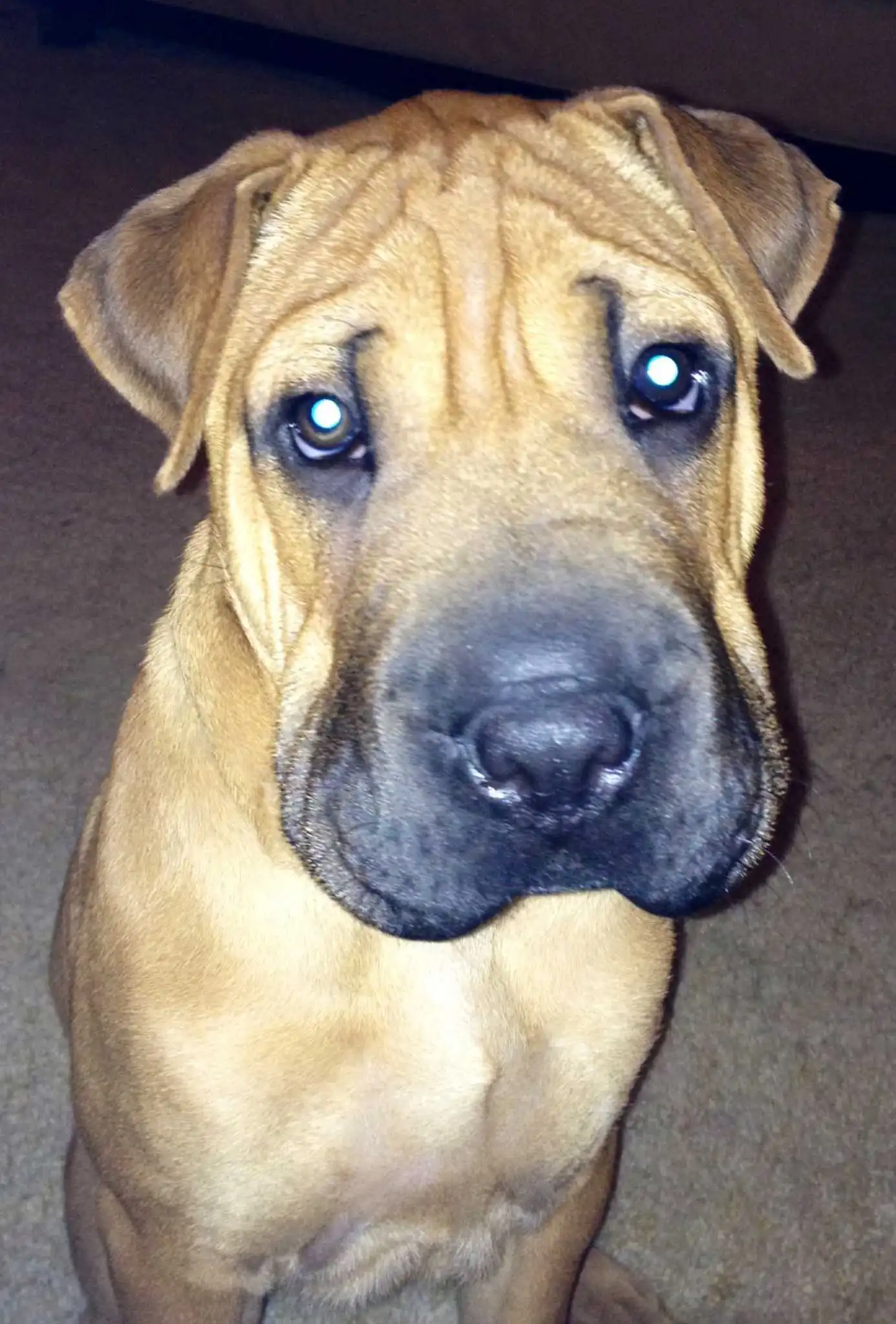
As hybrid dogs, Pit Peis do not adhere to strict physical standards, leading to a wide range of appearances. They may present as a mix of the Shar-Pei and the American Pitbull Terrier or show a stronger resemblance to one breed over the other. The Shar-Pei is characterized by its short, coarse coat, which is always smooth and stiff, devoid of any waviness or softness, and must be a solid color. On the other hand, the American Pitbull Terrier has a coat with a different texture that can feature various patterns. Typically, a Pit Pei is a medium-sized dog with a coat of moderate length and small paws. Their eyes and snouts are usually dark, reflecting their Shar-Pei heritage. Furthermore, the robust build and prominent jawline of the American Pitbull Terrier are often apparent in these hybrids. As a result, it is common for individual dogs within this hybrid breed to display unique physical traits.

Care Routine
This designer breed usually inherits the short, sleek coat characteristic of the American Pitbull Terrier, which means grooming is relatively simple, requiring just weekly brushing. However, during shedding periods, you might want to brush more frequently to effectively manage hair loss. It's crucial to clean the skin folds thoroughly during baths, and these areas should be checked daily for any accumulation of moisture or dirt. Additional care for these dogs includes maintaining dental hygiene, trimming nails, and cleaning ears. Similar to humans, your pet's teeth should be brushed two to three times a week to ensure good oral health. Nail trimming is also essential and should be performed roughly every month or two, depending on how quickly they grow. To help prevent ear infections, it's recommended to clean your dog's ears weekly.
Behavior & Temperament
The Pit Pei, a hybrid of the Shar-Pei and the American Pitbull Terrier, inherits traits from both breeds. This blend often results in dogs that are quite vocal and may bark frequently, which can make them less ideal for apartment living. Both parent breeds are known for their stubbornness, so the Pit Pei is likely to do best with an experienced owner who can provide firm guidance. These dogs respond well to positive reinforcement training methods. Given the fighting backgrounds of both breeds, it is essential for Pit Peis to be raised in a supportive environment to prevent potential aggression towards other dogs. Furthermore, neither breed is typically recommended for families with young children, indicating that the Pit Pei may exhibit similar behaviors. While Shar-Peis are generally more independent and tend to bond closely with one individual, American Pitbull Terriers are usually more affectionate and friendly with all members of their household.


Play & Exercise
The Pit Pei breed, created by a designer, has parents that tend to gain weight, making it vital for their owners to monitor their feeding carefully. To prevent obesity, regular exercise is crucial for these dogs. They typically show a keen enthusiasm for different forms of physical activity, especially enjoying walks alongside their owners. However, during hot weather, it's important to take their thick fur into account; they will need frequent rest periods and ample water to stay cool. Although these dogs can adjust to living in apartments, they flourish in homes with yards, as long as they get sufficient exercise.
Things to Know
Cups Per Day
2.5 Cups
Daily Activity
45 Minutes
Average Lifespan
11 Years
Origin
Unknown
Type
Crossbreeds
Size
Medium
Origin Country
Unknown
Brush Frequency
Weekly
Coat Texture
Straight
Ancestors
American Pit Bull Terrier
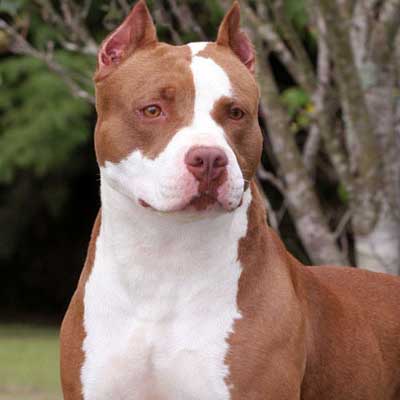
The term "Pit Bull" or "Pit Bull Terrier" refers to a group of sturdy, short-haired dogs that generally have a mixed heritage of Bulldogs and Terriers. Among them, the American Pit Bull Terrier is officially recognized as a separate breed by the United Kennel Club in England, although it does not have the same status with the American Kennel Club or the Fédération Cynologique Internationale. While Pit Bulls can sometimes display unpredictable behaviors due to their varied genetic backgrounds, this is less frequent in well-bred American Pit Bull Terriers, as responsible breeders focus on fostering a more stable temperament. To address potential issues like fearfulness, overly excited greetings, and aggression towards other dogs, it is essential to prioritize obedience training and socialization for this powerful breed.
Read more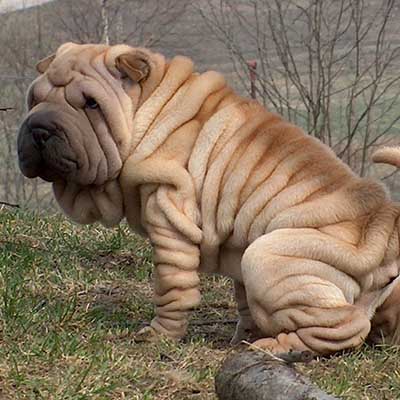
Chinese Shar-Pei
The Chinese Shar-Pei is a large dog breed distinguished by its unique wrinkled head and face. Typically, these dogs weigh around fifty pounds and stand about eighteen inches tall. There is a belief that the Chinese Shar-Pei shares a lineage with the Chow-Chow, as both breeds feature a blue-black tongue, which often causes confusion between them. Traditionally, the Chinese Shar-Pei was a multifunctional farm dog in China, employed for various tasks such as hunting, tracking, herding, and protecting livestock. Unfortunately, some people misused the breed for dogfighting, as its distinctive wrinkled skin and coarse fur were thought to hinder opponents' grip. The breed came perilously close to extinction during the Communist Revolution, but a businessman from Hong Kong played a vital role in reviving interest in the Shar-Pei among American dog lovers. In 1992, the American Kennel Club officially recognized the Chinese Shar-Pei, and it has since gained popularity as one of the favored dog breeds in the United States.
Read moreRegister
Your kids have been begging for a pet forever, and you've recently decided that it's time for your family to get a new addition -- a dog! While everyone is excited for the new arrival, you're wondering if you need to have a dog license. How much does it cost? Is it required? Where do you get one?
Member Clubs

PETINNATE
Other
Height & Weight
Weight
44 lbs (20 kg)Male: 48 lbs (22 kg) , Female: 40 lbs (18 kg)
Height
19 inches (48 sm)Male: 20 inches (51 sm) , Female: 19 inches (48 sm)
6 Months
21 lbs ( m 21 lbs, f 21 lbs )
8 inches ( m 8 inches, f 8 inches )
12 Months
29 lbs ( m 29 lbs, f 29 lbs )
11 inches ( m 11 inches, f 11 inches )
18 Months
34 lbs ( m 34 lbs, f 34 lbs )
15 inches ( m 15 inches, f 15 inches )
Eye Colors
Hazel

Brown
Amber
Nose Colors
Blue
Black
Brown
Isabella
Coat Colors
Black

Gray
Brown
Red
Cream
Isabella
Fawn
Blue
Silver

White