American Pit Bull Terrier
Yankee Terrier, Pit Bull, Pitty, Pit
The term "Pit Bull" or "Pit Bull Terrier" refers to a group of sturdy, short-haired dogs that generally have a mixed heritage of Bulldogs and Terriers. Among them, the American Pit Bull Terrier is officially recognized as a separate breed by the United Kennel Club in England, although it does not have the same status with the American Kennel Club or the Fédération Cynologique Internationale. While Pit Bulls can sometimes display unpredictable behaviors due to their varied genetic backgrounds, this is less frequent in well-bred American Pit Bull Terriers, as responsible breeders focus on fostering a more stable temperament. To address potential issues like fearfulness, overly excited greetings, and aggression towards other dogs, it is essential to prioritize obedience training and socialization for this powerful breed.
Breed Origin
The American Pit Bull Terrier, along with other variations such as the American Staffordshire Terrier and the American Bully, has its roots in 18th-century England. Farmers sought a dog that was more agile and intelligent than the traditional bulldog, leading to the crossbreeding of the bulldog from the 1800s—known for its leaner build, taller height, smaller head, and elongated muzzle—with various Terrier breeds recognized for their aggressive and independent traits. The resulting hybrids were referred to as bull-and-terriers, sturdy dogs that blended strength with agility. These medium-sized animals were not only brave but also highly trainable, making them excellent partners for hunters targeting bears and wild boars. Their physical attributes and behavioral characteristics also made them well-suited for the blood sports that became popular in late 18th and early 19th century England, including bear baiting, bull baiting, and eventually dog fighting. The name "Pit Bull" originates from the fighting pits where these dogs were matched against each other. In the early 1800s, dog fighting became increasingly popular in the United States, leading enthusiasts to import these dogs, especially after the sport was banned in England in 1835. American breeders aimed to develop larger and heavier dogs, which eventually came to be known as American Pit Bull Terriers in the UK, a name officially recognized by the United Kennel Club of England in 1898. In contrast, the American Kennel Club chose to distance itself from the dog fighting culture and initially did not recognize the breed. However, in 1936, they introduced a more rigorous standard concerning the dogs' size and color, later acknowledging them under the less contentious title of American Staffordshire Terrier. While both breeds share similarities in appearance, structure, and temperament, they have been evolving independently for over fifty years, with some individual dogs qualifying for dual registration as both American Pit Bull Terriers in the UK and American Staffordshire Terriers.
Breed Appearance
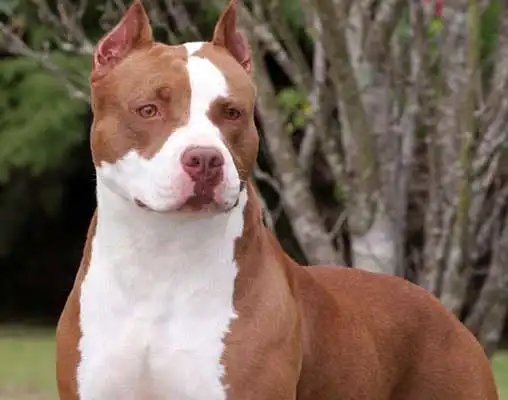
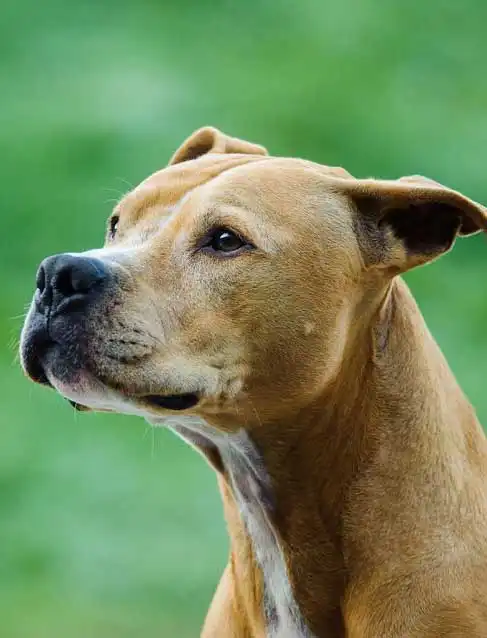
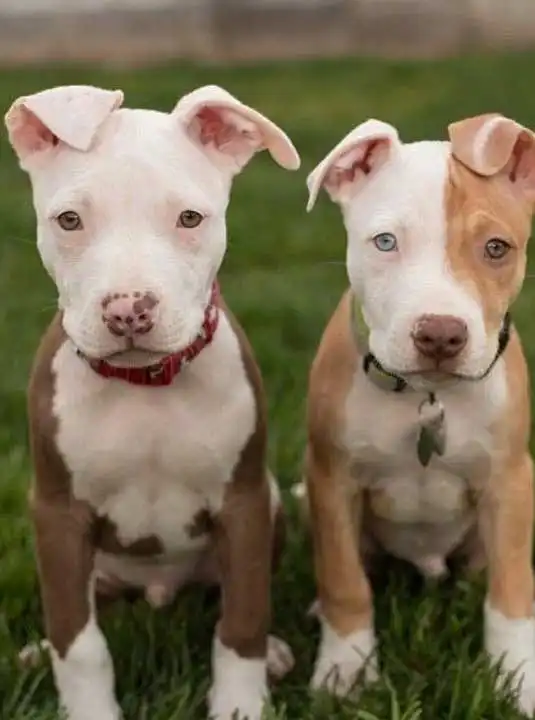
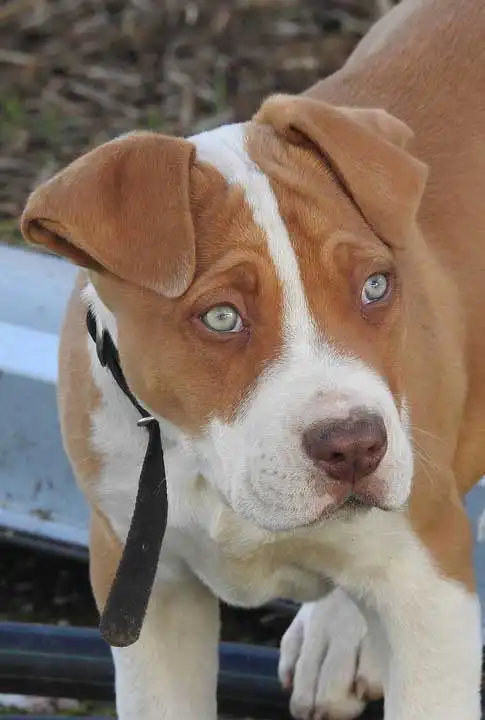
The American Pit Bull Terrier is a sturdy, medium-sized breed recognized for its striking musculature, particularly around the shoulders and neck. Its Bulldog ancestry is reflected in its broad, square head, a characteristic typical of molosser breeds. In contrast to the contemporary English Bulldog, which features a shorter, more compressed snout, the Pit Bull possesses a long, deep, and powerful muzzle, paired with tighter, less droopy lips. Their eyes are generally almond-shaped and can come in various colors, including blue or parti-colored, distinguishing them from the American Staffordshire Terrier. The breed typically has naturally short ears that may be styled in a rose or half-prick position, while cropped ears, which stand erect, are becoming increasingly rare due to legal restrictions in many regions and a waning interest among U.S. breeders. The American Pit Bull Terrier showcases a wide range of colors, although most breeders tend to steer clear of merle patterns because of their potential links to blindness and deafness.
Care Routine
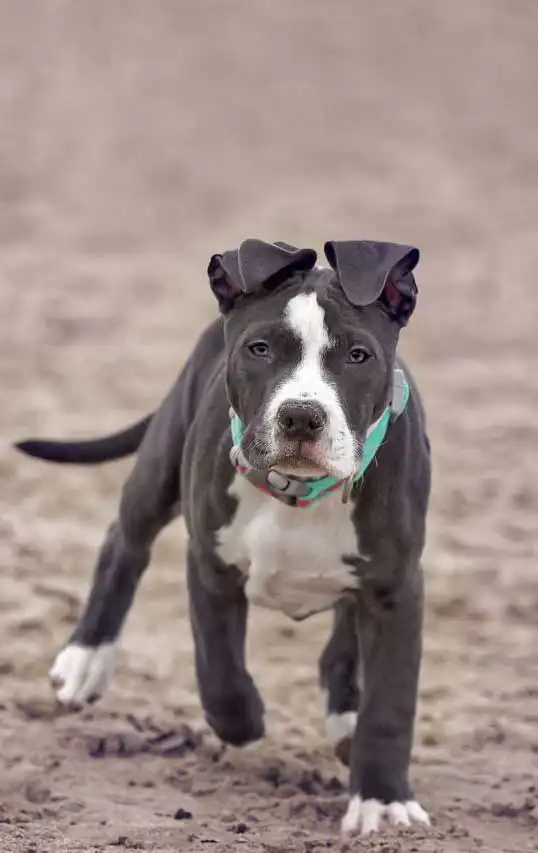
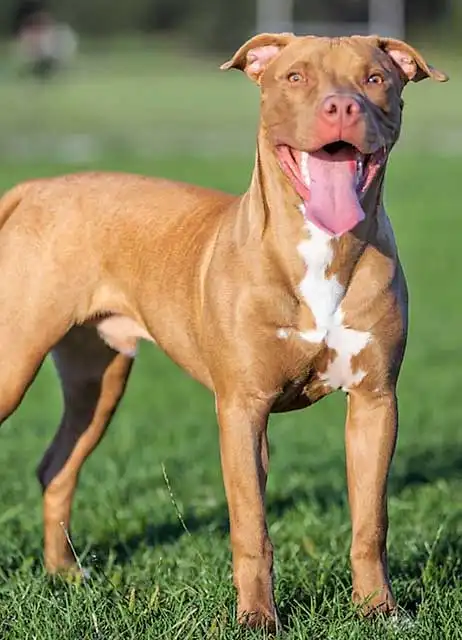
The grooming requirements for this dog breed are quite simple in comparison to others, demanding only a small amount of time. Generally, unless your dog enjoys playing in dirt or other undesirable substances, they only need a bath a few times a year. Their short, single-layer coats can stay healthy and shiny with just a quick weekly brushing using a slicker brush or grooming glove. However, it's essential to keep in mind that these dogs are more prone to skin problems than many other breeds, which may require additional medicated baths or the application of specialized lotions or ointments tailored for dogs.
Behavior & Temperament
In the 1800s, when blood sports were outlawed in the United States, conscientious breeders redirected their efforts towards developing a more gentle and manageable temperament in these dogs. This dedication to enhancing temperament continued even after the American Pit Bull Terrier and the American Staffordshire Terrier were officially recognized as separate breeds. As a result, many of these dogs grow into devoted, affectionate, and gentle companions, especially with their families, and they are particularly noted for their patience with children. While they generally display a calm demeanor around even the youngest kids, it is essential to supervise any interactions with these powerful dogs, as a moment of distraction can lead to serious outcomes for both the child and the dog. However, this breed's patience often does not extend to other dogs, and they may show aggression towards them. This trait can make interactions with multiple dogs of this breed more unpredictable and challenging compared to those involving a single dog.
Play & Exercise
This active and athletic breed requires a minimum of an hour of intense exercise daily to burn off energy and maintain their impressive physiques. They are enthusiastic participants in long hikes and brisk runs, excelling in energetic pursuits like agility training, rally sports, frisbee, and flyball. However, their muscular structure can make swimming a challenge for some. Traditionally, American Pit Bull Terriers were utilized as both farm and fighting dogs in the U.S., and they also excel in herding and tracking activities, which engage both their mental and physical capabilities.
Things to Know
Cups Per Day
2.5 Cups
Daily Activity
60 Minutes
Average Lifespan
12 Years
Origin
1898
Type
Pure Breeds
Size
Medium
Origin Country
United States of America
Brush Frequency
Weekly
Coat Texture
Straight
Register
Your kids have been begging for a pet forever, and you've recently decided that it's time for your family to get a new addition -- a dog! While everyone is excited for the new arrival, you're wondering if you need to have a dog license. How much does it cost? Is it required? Where do you get one?
Member Clubs

PETINNATE
Terrier

UKC
Terrier
Height & Weight
Weight
48 lbs (22 kg)Male: 50 lbs (23 kg) , Female: 45 lbs (20 kg)
Height
20 inches (51 sm)Male: 20 inches (51 sm) , Female: 20 inches (51 sm)
6 Months
30 lbs ( m 30 lbs, f 30 lbs )
17 inches ( m 17 inches, f 17 inches )
12 Months
40 lbs ( m 40 lbs, f 40 lbs )
18 inches ( m 18 inches, f 18 inches )
18 Months
45 lbs ( m 45 lbs, f 45 lbs )
19 inches ( m 19 inches, f 19 inches )
Eye Colors
Hazel

Brown
Amber
Nose Colors
Blue
Black
Brown
Isabella
Coat Colors
Brindle

Sable

Pied

White
Silver
Blue

Fawn

Isabella
Cream
Brown

Red

Gray

Black

Characteristics
Mixes
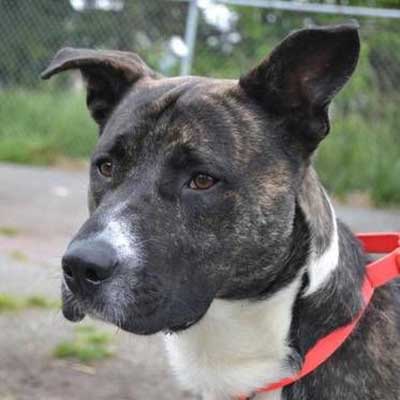
Akita Pit
The Akita Pit is a mixed breed that arises from the crossbreeding of an Akita and a Pit Bull. Typically, this medium-sized dog weighs between 30 and 66 pounds and stands around 16 to 22 inches tall, influenced by the size of its parent breeds. Its coat is short and smooth, similar to that of a Pit Bull, and it comes in a variety of colors such as fawn, white, black, blue, and brindle. Renowned for their friendly nature, Akita Pits usually get along well with children and other animals. Their obedient temperament makes them relatively straightforward to train. This breed is often noted for its loyalty and sociable character, although they can sometimes show a stubborn side. In summary, the Akita Pit is an enthusiastic and eager companion, always looking to please its owner.
Read more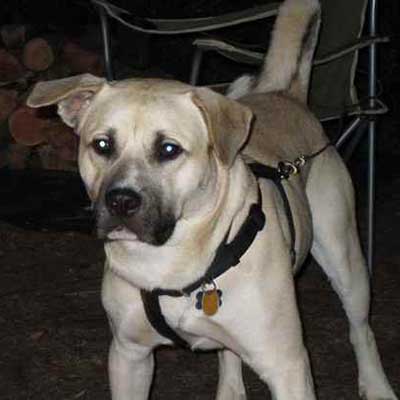
Alaskan Pit Bull
This large breed combines the stamina of the Alaskan Malamute with the unwavering loyalty of the Pit Bull Terrier, resulting in a devoted and affectionate companion that delights in both cuddling and outdoor adventures. Alaskan Pit Bulls are recognized for their toughness and typically experience few chronic health problems. Their origins date back to the late 19th or early 20th century, coinciding with the rise in popularity of both parent breeds in the United States. Although they make charming pets, they do not have official recognition from the American Kennel Club (AKC) and are not widely accepted around the world.
Read more
American Boston Bull Terrier
The American Boston Bull Terrier is a relatively new breed, emerging from the crossbreeding of the American Pitbull Terrier and the Boston Terrier within the last 10 to 20 years. This breed showcases a unique combination of traits inherited from both parent breeds, resulting in a dog that is both intelligent and occasionally headstrong. They are particularly known for their loving disposition, especially towards children, and they also make reliable watchdogs. However, prospective owners should be aware of potential health concerns, and their determined nature can pose challenges during training. As with all dogs, it is crucial to engage in early socialization and consistent training to establish leadership during their formative puppy years. With moderate energy levels, these dogs need regular exercise to maintain their health and happiness.
Read more
American Pit Corso
The American Pit Corso is a mixed breed that results from the combination of the American Pit Bull Terrier and the Italian Cane Corso. Typically, these dogs are quite substantial, averaging around fifty pounds in weight. The American Pit Bull Terrier was initially bred for farm work, but it gradually transformed into a devoted protector and friend. Nowadays, some individuals use the American Pit Corso for hunting wild boar. Conversely, the Cane Corso Italiano was specifically designed for pursuing large game, especially wild boar. Renowned for their balanced temperament, American Pit Corsos are also very trainable. They serve as wonderful companions, needing only minimal grooming and a moderate amount of exercise.
Read more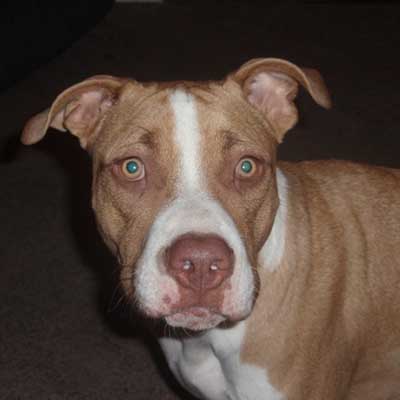
Bullboxer Pit
The Bullboxer Pit, commonly known as the American Bullboxer, is a popular mixed breed. This hybrid is created by crossing a Boxer with an American Pit Bull Terrier, both of which were originally bred for bull and bear baiting because of their impressive strength. While these dogs can make excellent family pets, it is essential to start training and socialization early to develop a calm and self-assured demeanor. Continuous training throughout their lives will lead to the most favorable results. Their short, smooth coats require minimal upkeep, although they do shed year-round and are prone to drooling.
Read more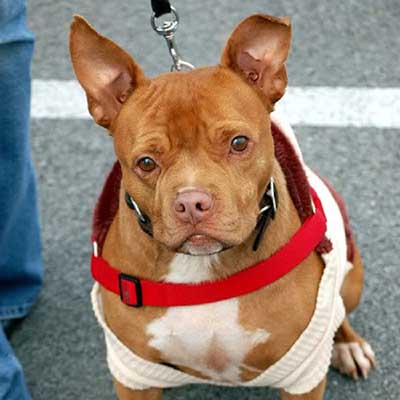
Chipit
The Chipit is a unique hybrid breed that merges characteristics of the Chihuahua and the American Pit Bull Terrier. These dogs typically range in height from 12 to 18 inches and weigh between 15 and 35 pounds, leading to a notable variation in size due to the differing dimensions of their parent breeds. Their coat colors are quite varied, and they can have either short or long fur, reflecting the Chihuahua's diverse coat types. Chipits are recognized for their friendly nature, especially with older children and other pets. However, it is crucial to socialize them early in their puppyhood to promote positive interactions with other animals.
Read more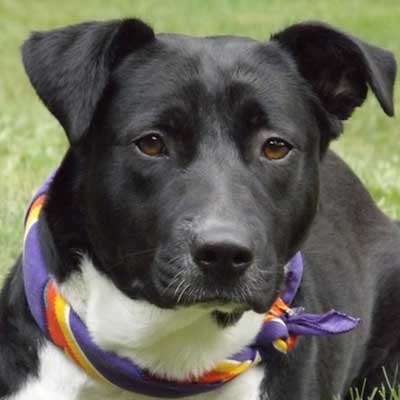
Corgi Pit
Energetic, lively, and sociable, the Corgi Pit is a medium to large mixed breed that emerges from the combination of the Pembroke Welsh Corgi and the American Pit Bull Terrier. While the breed's origins are not extensively recorded, the Corgi Pit is celebrated for its playful interactions with its human companions. Generally, this breed has a moderate barking tendency, and with proper training, they can be well-mannered and not overly vocal. Their physical traits can vary widely, as they may take after either parent breed due to the lack of a strict breed standard. This delightful dog is often noted for its cleverness and playful personality. Caring for a Corgi Pit is relatively simple, and they need a reasonable amount of exercise each day to stay happy and healthy.
Read more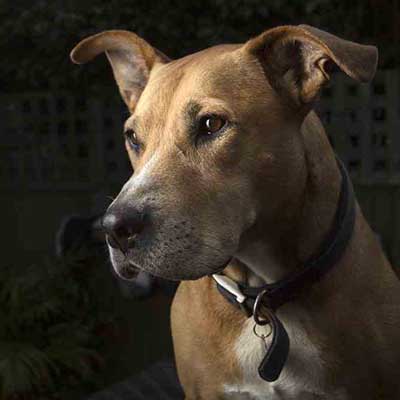
Great Danebull
When exploring the characteristics of Great Danebulls, it’s essential to look past their striking size. Although they may appear intimidating due to their large stature, these dogs are actually affectionate and gentle companions for families. They possess a moderate level of energy and flourish with love and attention from their owners. Generally, Great Danebulls can live up to 14 years, weighing between 60 and 90 pounds. Once they reach maturity, their height ranges from 24 to 28 inches. Their coat is short, dense, smooth, and shiny, available in solid shades or various combinations such as black, white, blue, fawn, bronze, liver, red, and brown, with possible patterns like harlequin, mantle, sable, merle, or brindle. While this breed is recognized as a prominent large designer dog, it has not yet achieved widespread popularity. Furthermore, Great Danebulls can display a diverse array of appearances and temperaments, which contributes to their lack of official recognition by the American Kennel Club (AKC).
Read more
Labrabull
The Labrabull is a hybrid breed that emerges from the combination of a Labrador Retriever and an American Pit Bull. Generally classified as a medium-sized dog, it often leans towards the larger end of the spectrum. This breed is typically known for its friendly nature, although it may require some socialization to learn proper behavior. Due to its temperament and specific needs, the Labrabull is not ideal for first-time pet owners; experts recommend that potential adopters have previous experience with dogs. Energetic like its Labrador parent, this breed needs regular exercise to prevent weight gain. While it can adapt to apartment living or a secure yard, it's crucial to ensure it is contained, as it may wander if not properly fenced in.
Read more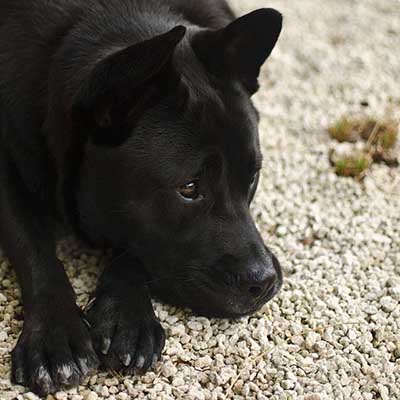
Pitchow
Pitchows, often referred to as Chowpits, are a hybrid breed created by crossing American Pitbull Terriers with Chow Chows. These unique dogs generally have a lifespan of 10 to 15 years and are celebrated for their companionship. Their physical traits can vary greatly, reflecting the characteristics of either parent breed. Furthermore, their personalities can range widely; due to the differing temperaments of the Chow Chow and American Pitbull Terrier, the resulting puppies may display a mix of traits from both sides. Typically, Pitchows are loving and loyal, although they might be apprehensive around strangers.
Read more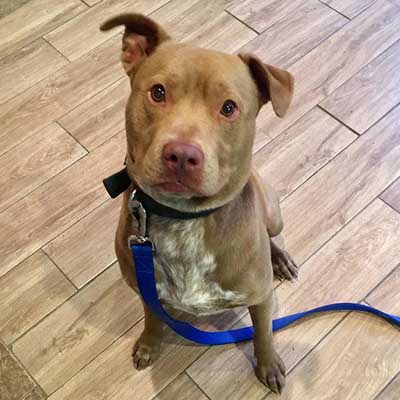
Pit Pei
Pit Peis are a newly emerging designer dog breed, created by crossing a Shar-Pei with an American Pitbull Terrier. While these parent breeds share some common traits, they also have notable differences, especially in their physical characteristics. Both breeds can be quite stubborn, which means they are generally better suited for experienced dog owners. Consequently, we can expect certain traits in the Pit Pei, although some may still be unpredictable. These dogs have a dense coat, making them more comfortable in cooler temperatures and less ideal for vigorous activity in hot weather. As a medium-sized breed, they do best in homes with ample space and yards, but they can adapt to apartment living as long as they receive sufficient exercise each day.
Read more
Pug Pit
The Pug Pit is a charming and lively breed, celebrated for its loving disposition towards both family and strangers. This dog adapts well to different living environments, whether in an apartment or a house with a fenced yard. With a compact and robust physique, the Pug Pit boasts a short, sleek coat that sheds minimally. The color of its coat can vary, depending on the dominant traits of its parent breeds. Furthermore, this breed tends to be relatively quiet, making it a great option for those living in apartment settings. Highly intelligent, the Pug Pit enjoys playful interactions with its human friends and will grow to a medium size as it develops.
Read more
Springer Pit
The Springer Pit is a mixed breed resulting from the crossbreeding of an American Pit Bull Terrier and an English Springer Spaniel. These dogs are generally on the larger side, featuring short coats and a moderate tendency to shed. With a lifespan that can reach up to 15 years, they typically weigh between 35 and 55 pounds. Renowned for their playful disposition, Springer Pits are full of energy and need plenty of daily exercise to stay content and healthy. They enjoy engaging in activities such as fetch and flyball, which brings great joy to their owners. Furthermore, these dogs are intelligent and quick to respond to training, making it easy to teach them commands. They are also affectionate and sensitive, often finding it challenging to cope with being left alone for long periods.
Read more