Great Danebull
When exploring the characteristics of Great Danebulls, it’s essential to look past their striking size. Although they may appear intimidating due to their large stature, these dogs are actually affectionate and gentle companions for families. They possess a moderate level of energy and flourish with love and attention from their owners. Generally, Great Danebulls can live up to 14 years, weighing between 60 and 90 pounds. Once they reach maturity, their height ranges from 24 to 28 inches. Their coat is short, dense, smooth, and shiny, available in solid shades or various combinations such as black, white, blue, fawn, bronze, liver, red, and brown, with possible patterns like harlequin, mantle, sable, merle, or brindle. While this breed is recognized as a prominent large designer dog, it has not yet achieved widespread popularity. Furthermore, Great Danebulls can display a diverse array of appearances and temperaments, which contributes to their lack of official recognition by the American Kennel Club (AKC).
Breed Origin
The Great Danebull gets its name from its parent breeds: the Great Dane and the American Pit Bull Terrier, both of which have intriguing and storied backgrounds. The Great Dane's lineage is thought to trace back to around 3000 B.C., with historians indicating that Assyrian traders played a key role in its dissemination along trade routes to Rome and Greece. Throughout history, the Great Dane has been known by several names. Initially dubbed the “Boar Hound” for its remarkable hunting prowess against wild boars, it was referred to as English Dogges in England and Kammerhunde, or “Chamber Dogs,” in Germany during the 16th century. By the 17th century, it was recognized in Denmark and France as the “Grand Danois,” which eventually evolved into the “Great Danish Dog,” and ultimately, the Great Dane. Despite its name implying Danish roots, the breed was primarily refined by German breeders. The Great Dane gained traction in North America during the 1800s, leading to the formation of the Great Dane Club of America in 1889. Conversely, the American Pit Bull Terrier emerged in England in the early 1800s, where it was bred for dogfighting. Initially called the “Bull and Terrier,” it likely originated from a combination of the Old English Bulldog and Terrier. After dogfighting was outlawed, the breed migrated to the United States, where American breeders focused on increasing its weight and head size. This variant became known as the Pit Bull Terrier and was officially recognized by the AKC in 1936. In 1972, it was renamed the American Staffordshire Terrier, although the Pit Bull name continued to be widely used. The crossbreeding of these two breeds has resulted in the Great Danebull, a large and affectionate dog likely developed since the mid to late 1900s. It is important to note that Great Danebulls are not recognized by the AKC, so if you are considering getting a puppy, thorough research on breeders is essential.
Breed Appearance
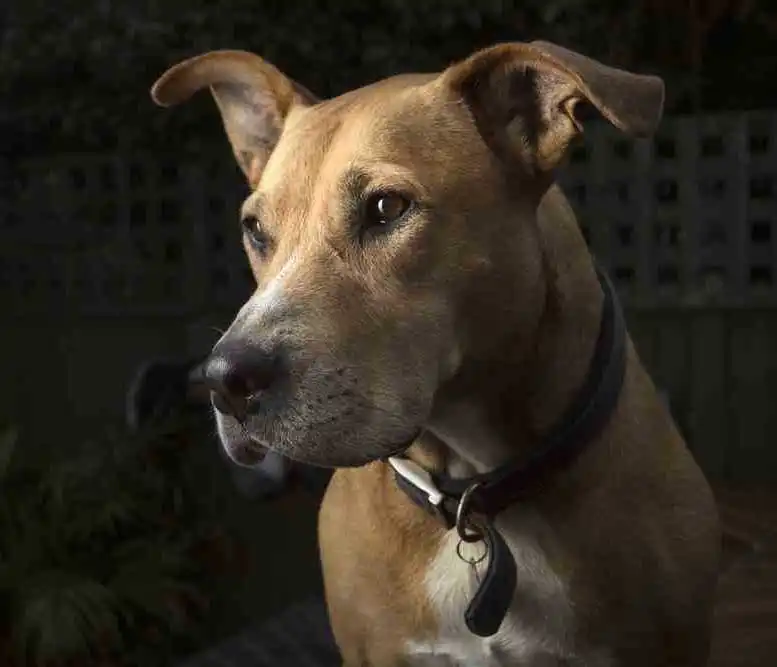
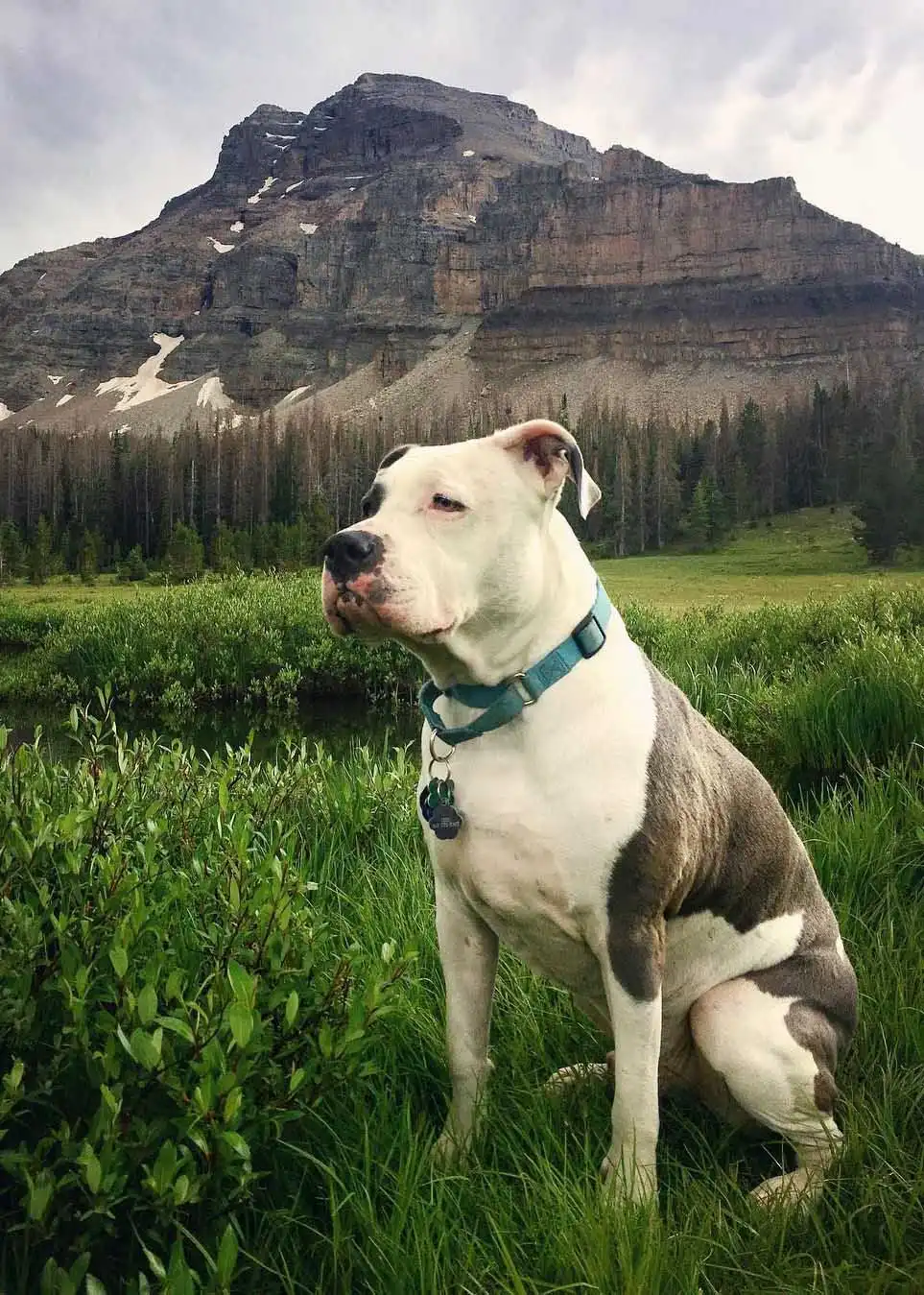
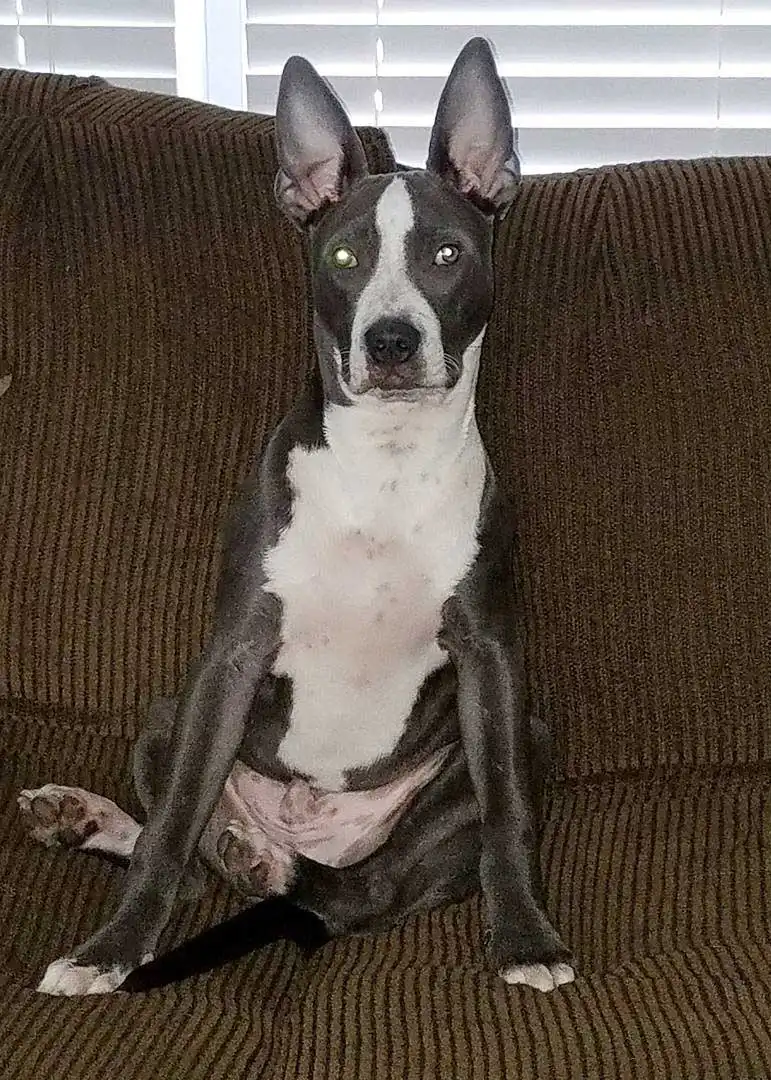
The Great Danebull is a striking breed that merges the athletic build of a larger, leaner American Pit Bull with the unique facial characteristics of a Great Dane. These dogs are strong and muscular, generally weighing between 60 and 90 pounds, and reaching a height of 24 to 28 inches when fully grown. Their coats are short, dense, and shiny, showcasing a range of colors that reflect the lineage of both parent breeds. Common hues include solid or mixed variations of black, white, blue, fawn, bronze, liver, red, and brown, with possible patterns like harlequin, mantle, sable, merle, or brindle. The breed is characterized by a rectangular head featuring deep-set dark eyes reminiscent of the Great Dane, along with ears that may be half-pricked or rose-shaped, akin to those of the American Pit Bull. Furthermore, they have a broad, powerful chest and compact, rounded feet with high-arched toes.

Care Routine
Great Danebulls generally require very little grooming, needing just occasional light upkeep. They shed moderately throughout the year and can benefit from weekly brushing, though it isn’t absolutely necessary. Grooming can be a delightful way to strengthen your bond with your pet, and many hybrids enjoy the process. As dogs that primarily live indoors, Great Danebulls typically need a bath about once a month. However, daily dental hygiene is crucial for their overall health. Additionally, their nails should be trimmed at least once a month, and their ears should be routinely checked for wax buildup and debris to avoid infections. It’s also important to remember that this breed is not hypoallergenic, which makes them unsuitable for those with allergies.
Behavior & Temperament
At first glance, the Great Danebull may appear intimidating, but this breed is, in fact, quite affectionate and gentle. They often enjoy cuddling with their owners, resembling the behavior of a small lap dog. Great Danebulls are also very friendly with other pets, thriving in households with multiple animals. However, they can suffer from separation anxiety if they do not receive enough attention and love from their human family. Their eagerness to bond with people, paired with their intelligence, makes them relatively easy to train. Despite their gentle nature, they possess protective instincts and will bark if they detect any potential threats. When it comes to exercise, Great Danebulls need a moderate amount; thus, a large yard is not a necessity—regular trips to parks or open areas will meet their needs. However, due to their size, they generally feel more at ease in larger living spaces.


Play & Exercise
Great Danebulls exhibit a balanced energy level, requiring only a moderate amount of daily physical activity. They enjoy short walks, playful excursions in the park, and interactive playtime with other animals, typically amounting to about 20 to 40 minutes each day. When they’re not active, these dogs prefer to relax indoors, often found sprawled in sunny areas or nestled close to their owners. This breed is adaptable and can flourish in a variety of living conditions, but it’s crucial to limit their exercise during extreme temperatures. Provided their needs for exercise and affection are consistently fulfilled, Great Danebulls can adjust well to different environments.
Things to Know
Cups Per Day
4.0 Cups
Daily Activity
40 Minutes
Average Lifespan
10 Years
Origin
1950s
Type
Crossbreeds
Size
Large
Origin Country
United States
Brush Frequency
Weekly
Coat Texture
Straight
Register
Your kids have been begging for a pet forever, and you've recently decided that it's time for your family to get a new addition -- a dog! While everyone is excited for the new arrival, you're wondering if you need to have a dog license. How much does it cost? Is it required? Where do you get one?
Member Clubs

PETINNATE
Other
Height & Weight
Weight
76 lbs (34 kg)Male: 80 lbs (36 kg) , Female: 73 lbs (33 kg)
Height
26 inches (66 sm)Male: 27 inches (69 sm) , Female: 25 inches (64 sm)
Eye Colors
Brown
Nose Colors
Black
Coat Colors
Black
White
Blue
Fawn
Red
Brown
Sable
Brindle