Labrabull
Pitador
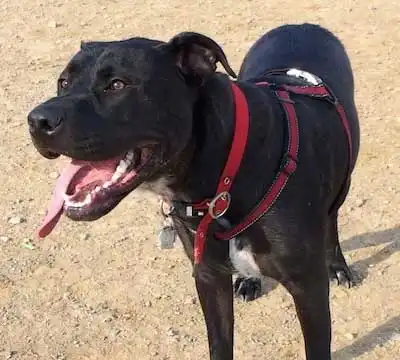
The Labrabull is a hybrid breed that emerges from the combination of a Labrador Retriever and an American Pit Bull. Generally classified as a medium-sized dog, it often leans towards the larger end of the spectrum. This breed is typically known for its friendly nature, although it may require some socialization to learn proper behavior. Due to its temperament and specific needs, the Labrabull is not ideal for first-time pet owners; experts recommend that potential adopters have previous experience with dogs. Energetic like its Labrador parent, this breed needs regular exercise to prevent weight gain. While it can adapt to apartment living or a secure yard, it's crucial to ensure it is contained, as it may wander if not properly fenced in.
Breed Origin
The history of the Labrabull is not extensively documented; however, by examining the lineage of its parent breeds, we can better understand the roots of this hybrid. The Labrador Retriever originated in the Newfoundland area of Canada, where it was first referred to as the St. John's dog. Over the years, it was interbred with local water dogs and the Newfoundland breed, ultimately evolving into the Labrador Retriever we know today. Although Labs are currently one of the most popular dog breeds in the United States, they nearly faced extinction in the 1880s. Their adaptability has made them essential in various roles, including detection dogs for narcotics and explosives, therapy animals, and assistance for people with disabilities, in addition to being outstanding hunting companions. Conversely, the American Pit Bull often suffers from a negative image, as it was initially bred for bull and bear-baiting. As society moved away from these cruel practices, the breed adapted to become a farm dog, where it thrived as both a protector and a loyal companion. Some still use American Pit Bulls for boar hunting. The traits of these parent breeds play a crucial role in shaping the Labrabull's temperament, resulting in a hybrid that is energetic, intelligent, and brave.
Breed Appearance
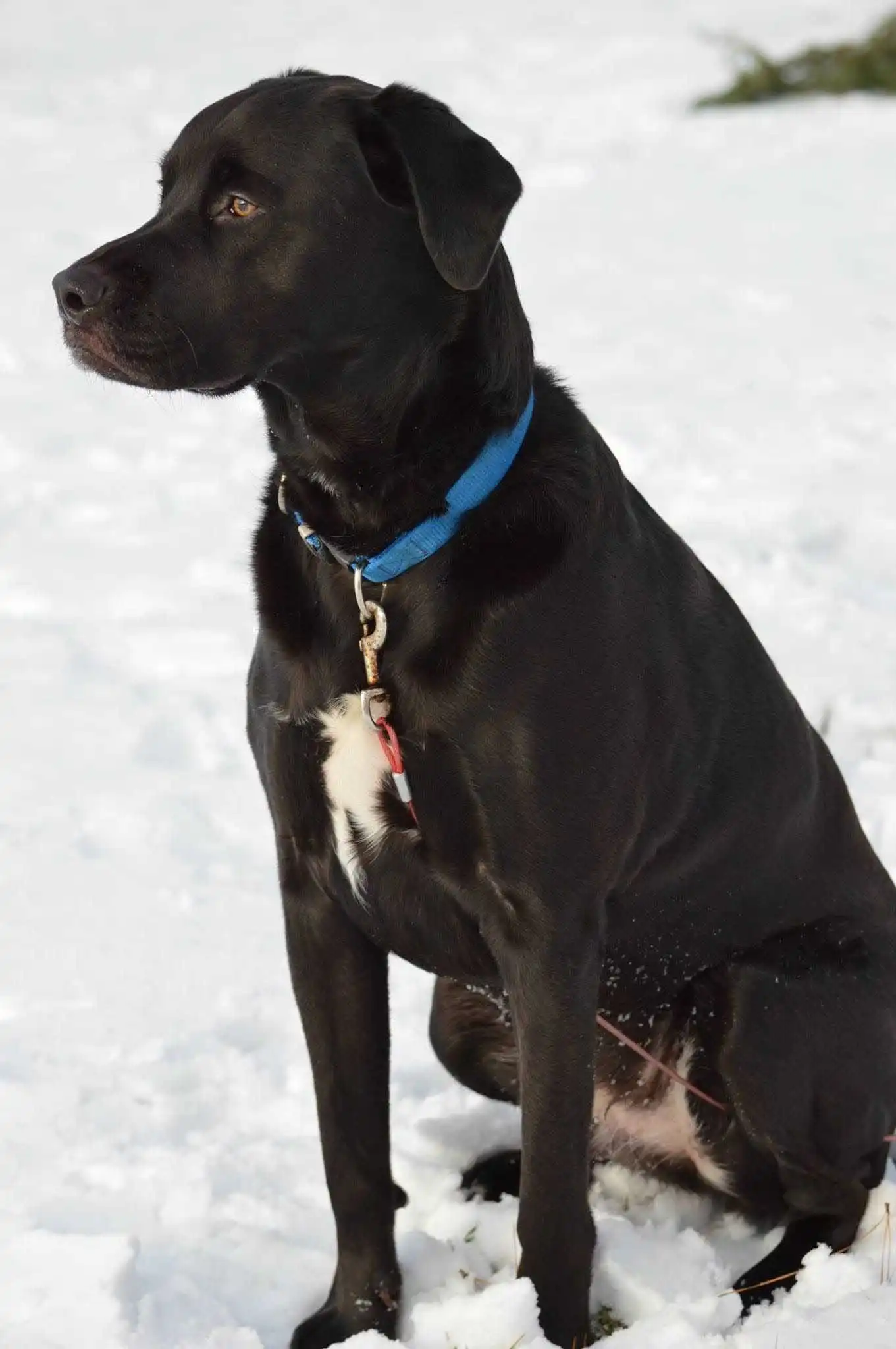
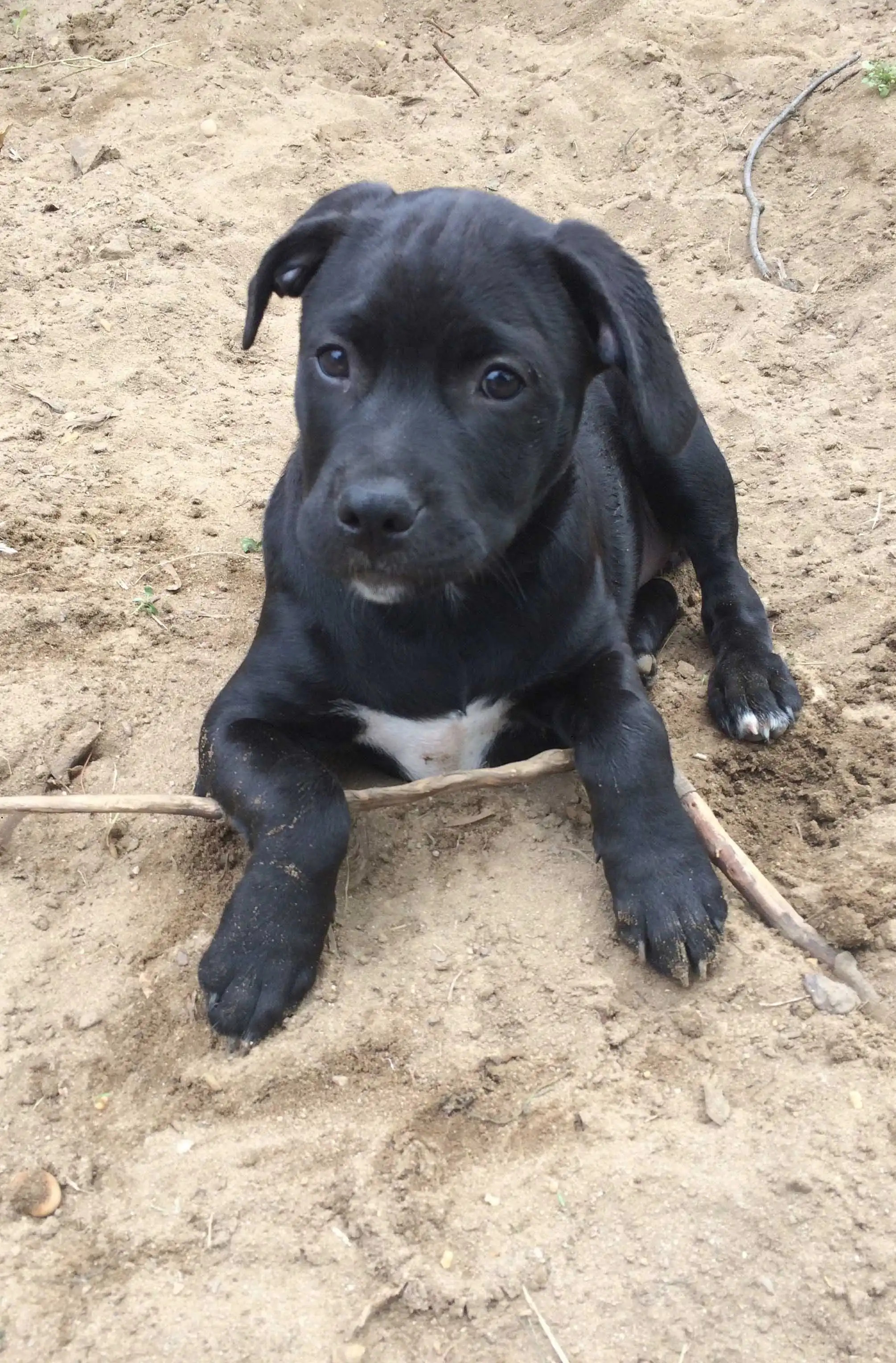
The size and weight of a Labrabull are primarily influenced by the dominant traits of its parent breeds. These dogs typically weigh between forty-five and ninety pounds. They usually have short coats that come in various colors, such as white, gray, brown, yellow, or silver, often with white markings. Labrabulls are characterized by their strong heads and necks, along with medium-sized ears that hang down beside their faces. Their noses can be black or brown, depending on their lineage. Coat patterns may include black with white patches, especially a white blaze on the face and chest. Additionally, they possess a long, straight tail and a muscular build that allows for both strength and agility.

Care Routine
The Labrabull is generally a low-maintenance dog when it comes to grooming. With its short, thick coat, this breed does shed, meaning it is not hypoallergenic. To keep the coat in good condition, it's recommended to brush him at least once a week with a bristle brush to eliminate loose and dead hair. Bathing should be reserved for when it's truly necessary; however, if you're concerned about any odors, using a dry shampoo can be an effective solution. It's important to regularly check his ears for any signs of odor or redness, as these could indicate an infection. Every two weeks, clean his ears with a damp cotton ball. Nail trimming should be done every two to three weeks; if you notice his nails clicking on the floor, it’s time for a trim. To ensure good oral hygiene and prevent bad breath, brush his teeth two to three times a week. Starting the grooming routine early will help him get used to the process.
Behavior & Temperament
One effective way to assess your Labrabull's behavior is by looking at the traits of its parents. If that isn’t an option, it’s crucial to ensure your puppy receives plenty of early socialization to foster the right behaviors. Labrabulls are generally known for their friendly and affectionate nature, even with strangers. They tend to get along well with both people and other dogs, and they are especially gentle with children, often showing a protective instinct towards them. However, if they perceive a threat from someone unfamiliar, they might respond aggressively. This breed has a strong inclination to please its owner and will go to great lengths to do so. Given their high energy levels, regular exercise is essential, and they truly enjoy engaging in fun activities with their family.


Play & Exercise
The Labrabull is a highly active breed that needs at least an hour of exercise each day, if not more, to help channel its abundant energy. It's crucial to remember that, similar to Labradors, Labrabulls have a natural tendency to chew, making it vital to provide suitable chew toys. Activities that stimulate their minds are also advantageous. This breed enjoys trips to the dog park and loves interacting with other dogs. Playing fetch is a particular favorite, and they can engage in tug of war until you’re worn out. While a spacious home with a large backyard is ideal for this breed, they can also adjust to apartment living, provided they get enough physical activity.
Things to Know
Cups Per Day
3.0 Cups
Daily Activity
60 Minutes
Average Lifespan
12 Years
Origin
Unknown
Type
Crossbreeds
Size
Large
Origin Country
United States
Brush Frequency
Weekly
Coat Texture
Straight
Register
Your kids have been begging for a pet forever, and you've recently decided that it's time for your family to get a new addition -- a dog! While everyone is excited for the new arrival, you're wondering if you need to have a dog license. How much does it cost? Is it required? Where do you get one?
Member Clubs

PETINNATE
Other
Height & Weight
Weight
68 lbs (31 kg)Male: 83 lbs (38 kg) , Female: 53 lbs (24 kg)
Height
22 inches (56 sm)Male: 23 inches (58 sm) , Female: 21 inches (53 sm)
6 Months
22 lbs ( m 22 lbs, f 22 lbs )
11 inches ( m 11 inches, f 11 inches )
12 Months
27 lbs ( m 27 lbs, f 27 lbs )
15 inches ( m 15 inches, f 15 inches )
18 Months
42 lbs ( m 42 lbs, f 42 lbs )
17 inches ( m 17 inches, f 17 inches )
Eye Colors
Hazel
Brown
Nose Colors
Black
Brown
Coat Colors
Black
Gray
Brown
Cream
Brindle
Fawn
Silver