Corgi Pit
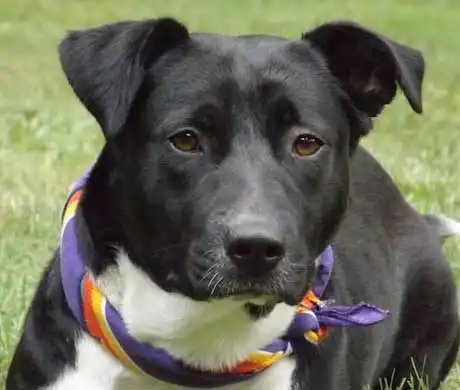
Energetic, lively, and sociable, the Corgi Pit is a medium to large mixed breed that emerges from the combination of the Pembroke Welsh Corgi and the American Pit Bull Terrier. While the breed's origins are not extensively recorded, the Corgi Pit is celebrated for its playful interactions with its human companions. Generally, this breed has a moderate barking tendency, and with proper training, they can be well-mannered and not overly vocal. Their physical traits can vary widely, as they may take after either parent breed due to the lack of a strict breed standard. This delightful dog is often noted for its cleverness and playful personality. Caring for a Corgi Pit is relatively simple, and they need a reasonable amount of exercise each day to stay happy and healthy.

Breed Origin
The Corgi Pit is thought to have originated approximately twenty years ago, emerging alongside the trend of designer dog breeds. This hybrid is a mix of the Pembroke Welsh Corgi and the Australian Cattle Dog. The Pembroke Welsh Corgi, which comes from Pembrokeshire, Wales, derives its name from a Celtic word meaning "dog." It is believed that this breed was developed in the 10th century when farmers needed a dog adept at herding cattle. The Corgi's distinctive skill in nipping at cattle's ankles enabled it to direct them without inflicting harm or causing disorder. The breed gained immense popularity after becoming a cherished pet of Queen Elizabeth II. In 1934, the American Kennel Club formally recognized the Pembroke Welsh Corgi as a purebred. On the other hand, the forebears of the American Pit Bull Terrier were initially employed in bull-baiting during the 19th century. However, following the ban on this cruel practice in 1835, dog-fighting emerged as a new form of entertainment. Breeders began to selectively breed for aggression to create more formidable dogs, but handlers favored those that would not turn on humans, ensuring safe management during fights. Consequently, the American Pit Bull Terrier earned a reputation as a devoted and family-friendly guardian. Upon its introduction to America, this breed took on various roles, including hunting wild game, protecting property, and offering companionship. In 1898, the United Kennel Club officially recognized the breed as the American Pit Bull Terrier, while the American Kennel Club later set conformation standards for the breed, renaming it the American Staffordshire Terrier.
Breed Appearance
The Corgi Pit does not have a defined breed standard, which allows it to inherit a mix of traits from its parent breeds. Typically, these dogs showcase a strong, athletic build reminiscent of the American Pit Bull Terrier. Their muzzles are often elongated, reflecting the characteristics of the Pembroke Welsh Corgi. In terms of size, Corgi Pits usually range from medium to large, with individual variations in their shape and stature. They feature floppy ears akin to those of the American Pit Bull Terrier, and their eyes can be brown or blue. With a full-length tail and a short, water-resistant coat, they are well-equipped for various environments. Their straight legs and sturdy paws further emphasize their robust heritage.


Care Routine
The Corgi Pit is not recognized as a hypoallergenic breed and typically sheds a moderate amount. To keep their coat in good shape, it's advisable to brush your dog daily for around 15 minutes with a pin or slicker brush. This practice not only helps maintain their fur but also strengthens the bond between you and your pet, creating memorable experiences together. Some Corgi Pits might have sensitive skin, so when it's time for a bath, using a hypoallergenic shampoo can help avoid irritation. It's a good idea to consult your veterinarian for product recommendations, especially since the American Pit Bull parent may also experience skin sensitivities. Furthermore, don’t forget about dental hygiene and nail care; aim to brush their teeth several times a week and trim their nails every two weeks, particularly if they grow quickly.
Behavior & Temperament
The Corgi Pit is expected to have a strong instinct to chase, which makes early training and socialization essential for developing a friendly attitude towards others. At first, he might be cautious around unfamiliar faces, but with time and patience, this spirited pup will gradually warm up to new people. He is deeply loyal to his family and will protect you fiercely, yet he also has a strong personality complemented by a charming sense of humor. His unique character can bring endless joy and amusement. When it comes to training, using positive reinforcement is crucial. Rewarding him for good behavior works well, and teaching him commands is generally easy, as he is keen to listen and respond, particularly when treats are involved.


Play & Exercise
The Corgi Pit possesses a balanced energy level and requires a minimum of 45 minutes of exercise each day. With its background in herding and hunting, this mixed breed flourishes when involved in purposeful activities. Alongside daily walks, you might want to introduce agility training or obedience trials. Brief sessions focused on obedience will stimulate his mind, offer quick bursts of physical exertion, and improve his listening skills.
Things to Know
Cups Per Day
3.0 Cups
Daily Activity
45 Minutes
Average Lifespan
14 Years
Origin
Unknown
Type
Crossbreeds
Size
Medium
Origin Country
Unknown
Brush Frequency
Daily
Coat Texture
Straight
Register
Your kids have been begging for a pet forever, and you've recently decided that it's time for your family to get a new addition -- a dog! While everyone is excited for the new arrival, you're wondering if you need to have a dog license. How much does it cost? Is it required? Where do you get one?
Member Clubs

PETINNATE
Other
Height & Weight
Weight
40 lbs (18 kg)Male: 40 lbs (18 kg) , Female: 40 lbs (18 kg)
Height
18 inches (46 sm)Male: 18 inches (46 sm) , Female: 18 inches (46 sm)
Eye Colors
Brown

Nose Colors
Black
Coat Colors
Black
Brown
Red
White