Alaskan Pit Bull
Mally Pit
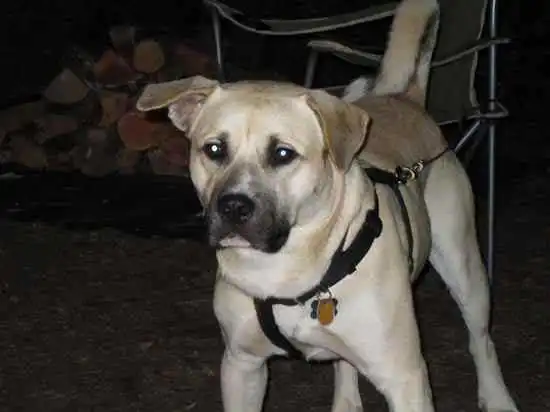
This large breed combines the stamina of the Alaskan Malamute with the unwavering loyalty of the Pit Bull Terrier, resulting in a devoted and affectionate companion that delights in both cuddling and outdoor adventures. Alaskan Pit Bulls are recognized for their toughness and typically experience few chronic health problems. Their origins date back to the late 19th or early 20th century, coinciding with the rise in popularity of both parent breeds in the United States. Although they make charming pets, they do not have official recognition from the American Kennel Club (AKC) and are not widely accepted around the world.
Breed Origin
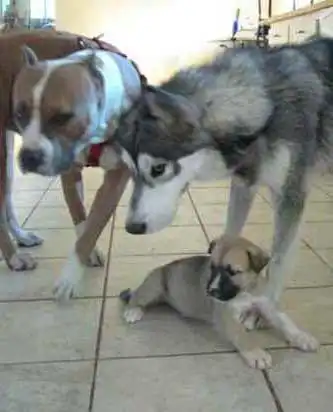
The term "Alaskan Pit Bull" is derived from its parent breeds: the Alaskan Malamute and the American Staffordshire Terrier, often known as the Pit Bull Terrier. The Alaskan Malamute boasts a lineage that spans over 4,000 years, named after the Mahlemut Inuit tribe that inhabited the northwest coast of Alaska. This tribe relied on Alaskan Malamutes for hunting bears and seals, as well as for navigating difficult terrains. In the 1800s, these dogs were brought to the United States to assist miners during the Gold Rush on the West Coast. Once in America, breeders began crossbreeding Alaskan Malamutes with smaller breeds for racing purposes, which led to a dilution of the original breed. However, in the 1920s, successful efforts were made to restore the purebred Malamute, and the American Kennel Club (AKC) officially recognized the breed in 1935. The American Staffordshire Terrier originated in the 1800s in Staffordshire, England, primarily for the purpose of dog fighting, likely resulting from a mix between the Old English Bulldog and various Terrier breeds. Initially referred to as the "Bull and Terrier," this breed saw a decline in popularity after dog fighting was outlawed. Nonetheless, some of these dogs were imported to the United States in the 19th century, where American breeders developed a more robust version with a larger head, which came to be known as the Pit Bull Terrier. This name was officially recognized in 1936, but over thirty years later, the breed was renamed the American Staffordshire Terrier. Alaskan Pit Bulls may have been bred as early as the late 1800s, given the established presence of both the Malamute and the Pit Bull in the United States. Despite this, they remain a rare hybrid and are not acknowledged by the American Kennel Club.
Breed Appearance
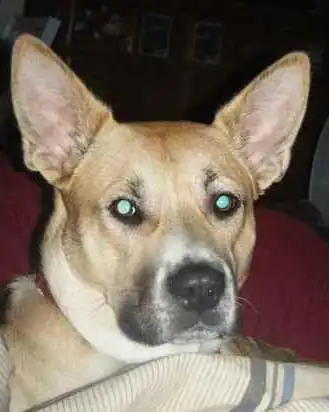
This breed is still in the process of being fully recognized and can exhibit a diverse array of physical traits inherited from both the Pit Bull and the Alaskan Malamute. Generally, the offspring of these two purebred dogs tend to be large, showcasing a sleek and powerful physique reminiscent of Spitz breeds, along with the smooth, well-defined coat and square muzzle characteristic of Pit Bulls. If a dog leans more towards its Malamute heritage, it will typically have erect ears, whereas those that take after the Pit Bull will have smaller, drooping ears. Regardless of their genetic background, these puppies feature short, dense coats available in various colors, such as black, blue, fawn, red, white, brown, or silver. They may also exhibit patterns like sable, agouti, or brindle, along with distinct markings such as masks, points, or spots. Furthermore, Alaskan Pit Bulls are sturdy animals, known for their muscular physique, which is highlighted by their medium-length tails, deep chests, strong legs, and well-padded toes.

Care Routine
The Alaskan Pit Bull, while descended from the Spitz family, features a coat that is short and low-maintenance. Although it experiences moderate shedding, weekly grooming with a slicker brush can effectively control this issue. To maintain the coat's natural oils, baths should be restricted to once a month. Furthermore, regular care should encompass ear cleaning, daily dental hygiene, and monthly nail clipping. It's essential to keep in mind that Alaskan Pit Bulls are not hypoallergenic, which may pose difficulties for those with allergies.
Behavior & Temperament
These dogs are truly social beings, flourishing in both group settings and with human companionship. Alaskan Pit Bulls are loving and relish both giving and receiving affection. This versatile breed makes a wonderful family pet, equally eager to embark on a hike or relax on the couch with their favorite people. Additionally, Alaskan Pit Bulls are celebrated for their steadfast loyalty, forming strong bonds with every family member. They are friendly and generally get along well with children and other dogs, as long as they have been adequately socialized. However, it’s important to keep in mind that this breed has a confident and assertive disposition, making it vital to set clear boundaries from the beginning; otherwise, they may assume control. They also have independent streaks, during which they enjoy some time alone. Many dog owners discover that this hybrid achieves a perfect blend of affection and self-reliance.


Play & Exercise
This hybrid breed emerges from two exceptionally active parent breeds. Notably, the Alaskan Malamute is celebrated for its endurance and spirited nature. As a result, the Alaskan Pit Bull requires approximately an hour of intense exercise daily. Similar to many of its Spitz ancestors, this breed flourishes with outdoor activities, particularly enjoying hiking and extended walks. Furthermore, Alaskan Pit Bulls typically delight in trips to the dog park, mastering new tricks, and playing games with their families. Although this dog can adjust to different climates, its size and high energy levels make it best suited for rural or suburban environments where it can access a yard or ample outdoor space.
Things to Know
Cups Per Day
2.5 Cups
Daily Activity
60 Minutes
Average Lifespan
13 Years
Origin
Late 1800s
Type
Crossbreeds
Size
Large
Origin Country
Unknown
Brush Frequency
Weekly
Coat Texture
Straight
Ancestors
Alaskan Malamute
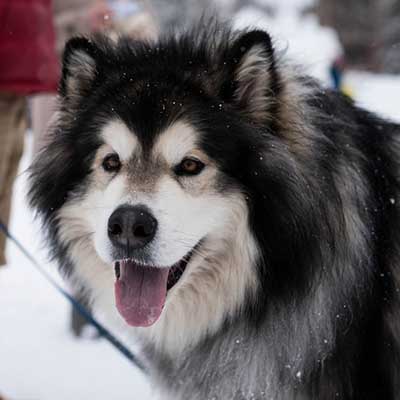
The Alaskan Malamute, known as the largest sled dog in the Arctic, gets its name from both its geographical roots and the Mahlemut tribe it is linked to. This ancient breed has a history that dates back around 4,000 years, originating with the Inuit people of Alaska. Originally bred to hunt large game such as polar bears and seals, Malamutes are now mainly used for sled pulling and as cherished pets. They generally maintain good health, with an average lifespan of about 12 years, although they may be susceptible to certain genetic conditions like hip dysplasia and cataracts. Their unique double coat allows them to thrive in cold and wet conditions, and they actually prefer cooler climates. Alaskan Malamutes are typically striking in appearance, often showcasing a white base adorned with shades of gray, red, or black. While they bear a resemblance to wolves, their expressions are characteristically softer.
Read more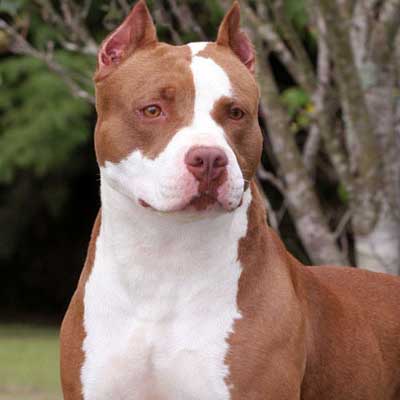
American Pit Bull Terrier
The term "Pit Bull" or "Pit Bull Terrier" refers to a group of sturdy, short-haired dogs that generally have a mixed heritage of Bulldogs and Terriers. Among them, the American Pit Bull Terrier is officially recognized as a separate breed by the United Kennel Club in England, although it does not have the same status with the American Kennel Club or the Fédération Cynologique Internationale. While Pit Bulls can sometimes display unpredictable behaviors due to their varied genetic backgrounds, this is less frequent in well-bred American Pit Bull Terriers, as responsible breeders focus on fostering a more stable temperament. To address potential issues like fearfulness, overly excited greetings, and aggression towards other dogs, it is essential to prioritize obedience training and socialization for this powerful breed.
Read moreRegister
Your kids have been begging for a pet forever, and you've recently decided that it's time for your family to get a new addition -- a dog! While everyone is excited for the new arrival, you're wondering if you need to have a dog license. How much does it cost? Is it required? Where do you get one?
Member Clubs

PETINNATE
Other
Height & Weight
Weight
70 lbs (32 kg)Male: 73 lbs (33 kg) , Female: 68 lbs (31 kg)
Height
21 inches (53 sm)Male: 23 inches (58 sm) , Female: 20 inches (51 sm)
6 Months
22 lbs ( m 22 lbs, f 22 lbs )
11 inches ( m 11 inches, f 11 inches )
12 Months
45 lbs ( m 45 lbs, f 45 lbs )
15 inches ( m 15 inches, f 15 inches )
18 Months
67 lbs ( m 67 lbs, f 67 lbs )
20 inches ( m 20 inches, f 20 inches )
Eye Colors
Blue

Hazel
Brown
Nose Colors
Black
Brown
Coat Colors
Black
Blue
Fawn
Red
White
Brown
Silver
Brindle
Sable