Alaskan Malamute
Mal, Mally
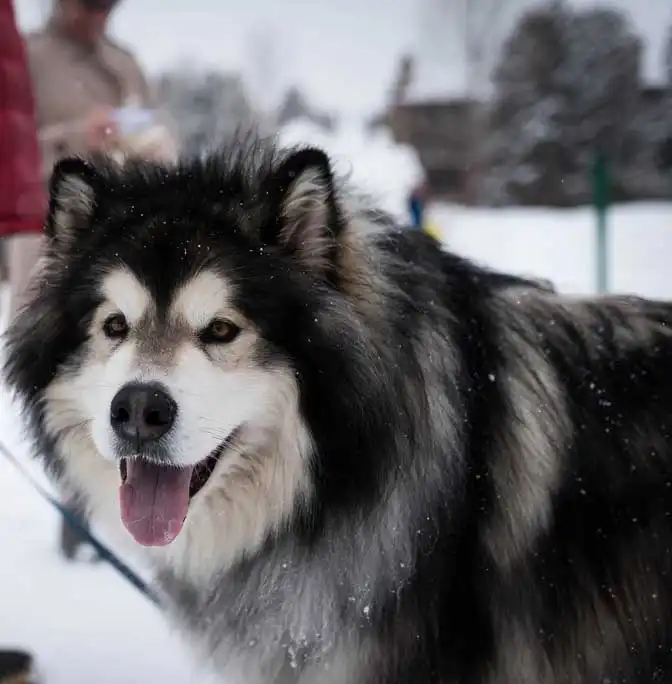
The Alaskan Malamute, known as the largest sled dog in the Arctic, gets its name from both its geographical roots and the Mahlemut tribe it is linked to. This ancient breed has a history that dates back around 4,000 years, originating with the Inuit people of Alaska. Originally bred to hunt large game such as polar bears and seals, Malamutes are now mainly used for sled pulling and as cherished pets. They generally maintain good health, with an average lifespan of about 12 years, although they may be susceptible to certain genetic conditions like hip dysplasia and cataracts. Their unique double coat allows them to thrive in cold and wet conditions, and they actually prefer cooler climates. Alaskan Malamutes are typically striking in appearance, often showcasing a white base adorned with shades of gray, red, or black. While they bear a resemblance to wolves, their expressions are characteristically softer.
Breed Origin
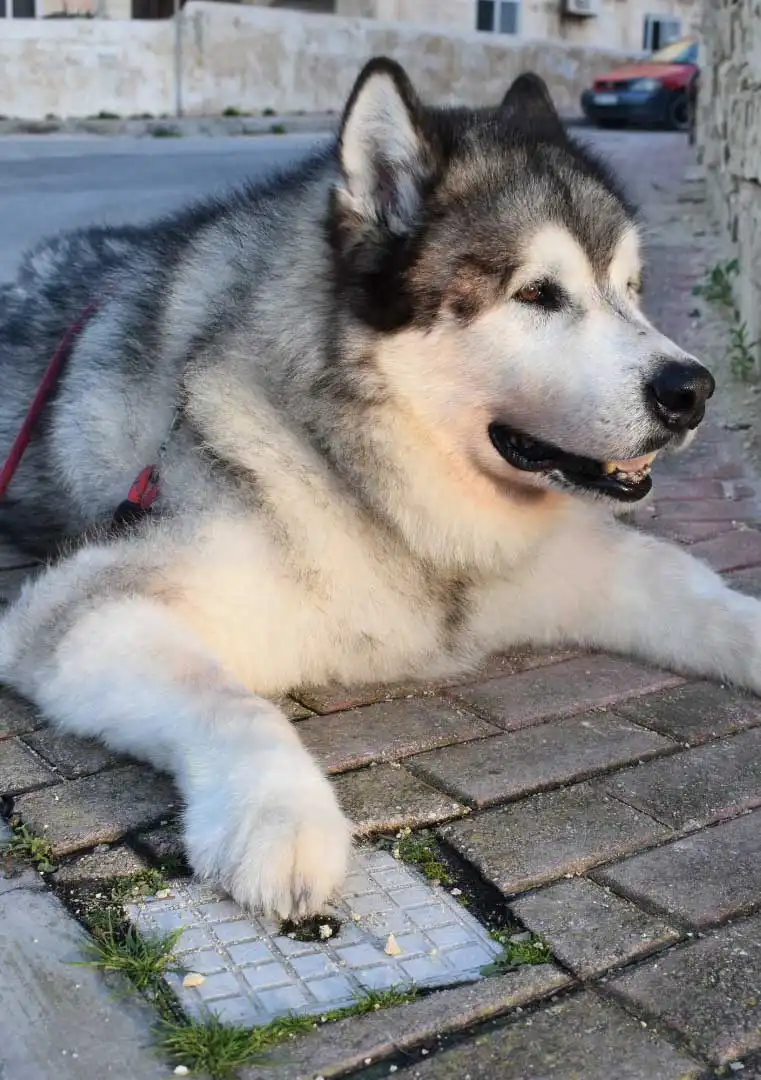
The Alaskan Malamute, named after the Mahlemuts tribe of the Inuit, is a breed specifically developed for both labor and leisure in frigid conditions. Its ancestry dates back more than 4,500 years, originating from the Eskimo dogs of Greenland, Siberian Huskies, and Russian Samoyeds. Traditionally, the Mahlemuts employed these dogs for hunting polar bears and seals, as well as for sledding purposes. In the 1700s, explorers took note of the Alaskan Malamute's impressive strength and friendly disposition, which greatly contributed to the breed's rising popularity. During the gold rush of 1896, miners began using these dogs in weight-pulling competitions for amusement. This practice led to crossbreeding with other breeds to improve speed and increase the number of racing dogs, which unfortunately compromised the breed's original traits. It wasn't until the 1920s that dedicated breeders worked to restore the Alaskan Malamute to its authentic form, resulting in the breed we recognize today. In 1933, several Alaskan Malamutes accompanied Richard Byrd on his Antarctic expedition, and during World War II, they served as working dogs alongside soldiers. Today, the Alaskan Malamute is the 59th most popular breed in the United States and gained official recognition from the American Kennel Club in 1935. The breed was also commemorated on a U.S. postal stamp in 1984 and has received acknowledgment in various other countries. Its popularity surged in Alaska, culminating in its designation as the official state dog in 2010, a result of a campaign led by a group of schoolchildren.
Breed Appearance
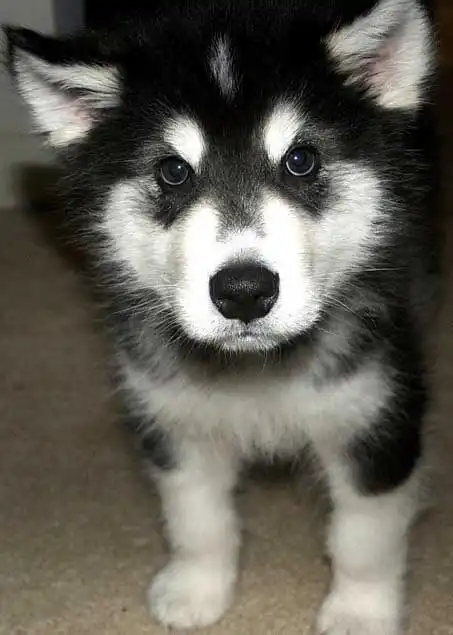
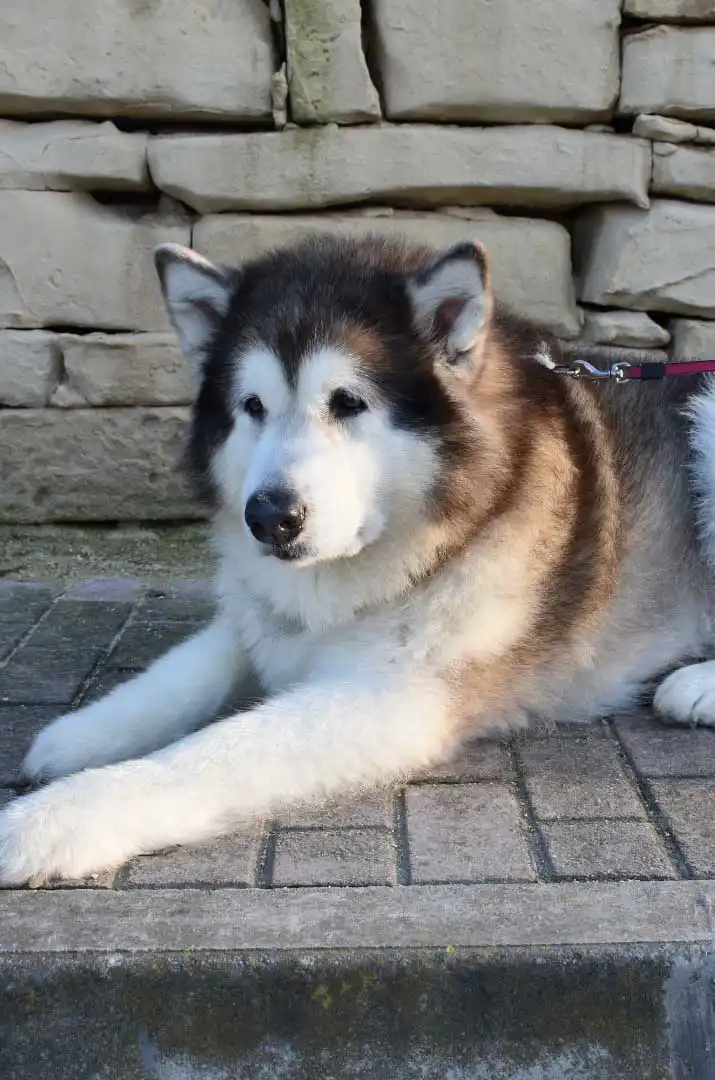
The Alaskan Malamute is distinguished by its array of nine unique colors, which include combinations such as agouti and white, black and white, blue and white, gray and white, red and white, sable and white, seal and white, silver and white, and pure white. Some individuals may also display black markings or a gray mask. This breed is known for its strong and muscular build, featuring a dignified stance, alert eyes, and a raised head. The Malamute has a wide skull, triangular ears, a robust muzzle, powerful legs, and a bushy tail that arches over its back. With a deep chest and strong shoulders, they are designed for both endurance and strength. Their thick, double-layered coat offers exceptional protection against severe weather, making them well-suited for cold environments. As a large breed, they can exceed 100 pounds, allowing them to haul heavy loads even in challenging conditions. Their eyes are generally dark brown, although some may possess striking blue eyes, all shaped in an almond configuration.
Care Routine
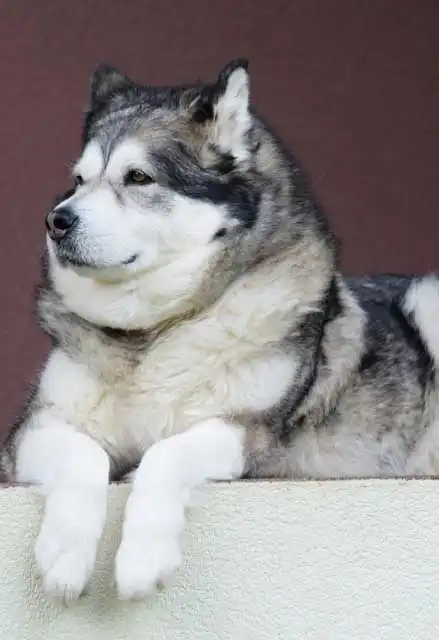
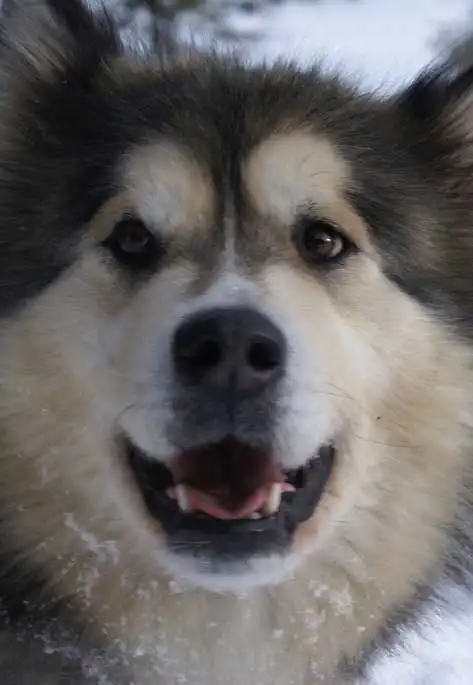
The Alaskan Malamute undergoes substantial shedding biannually, making regular grooming essential to keep its coat looking its best. Daily brushing with an oval pin brush and a metal comb is crucial, especially in the underarm and neck areas, to avoid matting that could result in infections. Bathing should be done every few months, and it’s advisable to seek professional grooming several times a year. Monthly nail trimming with a veterinarian-recommended clipper or grinder is also suggested. Additionally, cleaning their ears weekly is vital to eliminate wax, dirt, and other debris, while daily tooth brushing is recommended for optimal dental health. These dogs are known for their high energy and require plenty of exercise, such as walking or jogging, and they thrive in dog parks where they can interact well with other dogs. Given their size and energy levels, they are not ideal for apartment living and prefer homes with large yards. It’s also beneficial to provide a designated area for them to dig, as this is a natural behavior for them.
Behavior & Temperament
The Alaskan Malamute is a deeply affectionate companion that values and protects its family. These dogs have a special affinity for children and can happily play for hours if given the opportunity. To keep them engaged and prevent boredom, they need plenty of mental and physical activities. Without appropriate training, they might see cats and other small animals as potential prey. Renowned for their loyalty and courage, Malamutes can also display a strong-willed and sometimes stubborn temperament. Fortunately, they are eager learners and respond positively to training. Regular attention and exercise, both indoors and outdoors, are crucial for their health and happiness. If they are left alone for too long or lack stimulation, they may develop destructive habits, such as chewing on furniture or digging in the yard. While barking is typically not a concern, they are known to howl in reaction to sirens or other dogs. Moreover, they often communicate with their owners, so don’t be surprised if your Alaskan Malamute seems to engage in a lively conversation with you.
Play & Exercise
The Alaskan Malamute thrives on activities such as load pulling and exploring spacious environments. They deeply value family companionship, making them perfect for families that love outdoor adventures with their pets. Although they enjoy relaxing after playtime, insufficient exercise can result in frustration and destructive behaviors, such as howling. It's recommended to supervise their time in the backyard, but be wary; if left unsupervised, they may try to escape.
Things to Know
Cups Per Day
3.0 Cups
Daily Activity
90 Minutes
Average Lifespan
11 Years
Origin
ancient times
Type
Pure Breeds
Size
Large
Origin Country
Alaska
Brush Frequency
Weekly
Coat Texture
Straight
Register
Your kids have been begging for a pet forever, and you've recently decided that it's time for your family to get a new addition -- a dog! While everyone is excited for the new arrival, you're wondering if you need to have a dog license. How much does it cost? Is it required? Where do you get one?
Member Clubs

PETINNATE
Northern Breed

AKC
Working Group

UKC
Northern Breed
Height & Weight
Weight
96 lbs (44 kg)Male: 105 lbs (48 kg) , Female: 88 lbs (40 kg)
Height
26 inches (66 sm)Male: 27 inches (69 sm) , Female: 25 inches (64 sm)
6 Months
45 lbs ( m 45 lbs, f 45 lbs )
21 inches ( m 21 inches, f 21 inches )
12 Months
60 lbs ( m 60 lbs, f 60 lbs )
23 inches ( m 23 inches, f 23 inches )
18 Months
85 lbs ( m 85 lbs, f 85 lbs )
25 inches ( m 25 inches, f 25 inches )
Eye Colors
Blue

Hazel
Brown
Nose Colors
Black
Brown
Coat Colors
Black
Gray

Brown
Red
Blue

Silver
Sable
White
Characteristics
Mixes
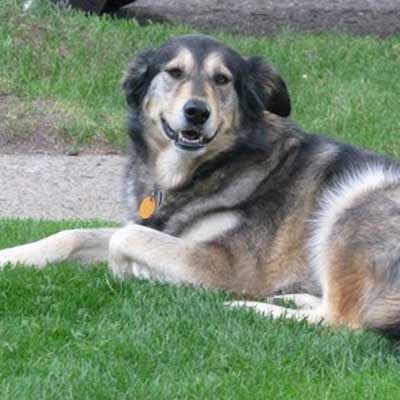
Alaskan Goldenmute
The Alaskan Goldenmute is a hybrid breed that originates from two well-known dog breeds: the Alaskan Malamute and the Labrador Retriever. This breed is thought to have developed in the mid-1800s, around the same time that both parent breeds gained popularity in North America. The Alaskan Goldenmute is not ideal for casual pet owners, as it requires considerable attention, consistent exercise, and careful grooming. Although they can be wonderful family companions, Alaskan Goldenmutes are quite rare on a global scale and do not have recognition as a purebred by the American Kennel Club. Nonetheless, this breed enchants dog lovers with its vibrant personality, affectionate demeanor, and adventurous spirit.
Read more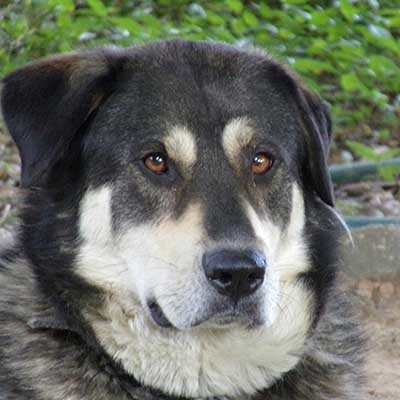
Alaskan Malador
Alaskan Maladors are energetic and affectionate companions known for their friendly nature and ability to bond with people. They require ample exercise, attention, and care to thrive. In return for this dedication, owners enjoy the company of a loyal pet that happily accompanies them on various outdoor adventures. Their intelligence allows Alaskan Maladors to learn quickly, making it easier to train them in commands and tricks. This breed is believed to have originated in the early 1800s, resulting from a cross between the well-known Alaskan Malamute and Labrador Retriever in the United States. Although they are wonderful family pets, Alaskan Maladors are quite uncommon worldwide and are not recognized as a purebred breed by the American Kennel Club.
Read more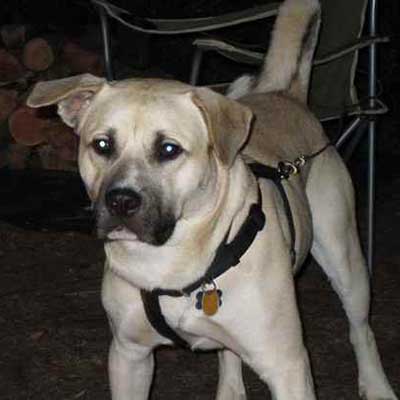
Alaskan Pit Bull
This large breed combines the stamina of the Alaskan Malamute with the unwavering loyalty of the Pit Bull Terrier, resulting in a devoted and affectionate companion that delights in both cuddling and outdoor adventures. Alaskan Pit Bulls are recognized for their toughness and typically experience few chronic health problems. Their origins date back to the late 19th or early 20th century, coinciding with the rise in popularity of both parent breeds in the United States. Although they make charming pets, they do not have official recognition from the American Kennel Club (AKC) and are not widely accepted around the world.
Read more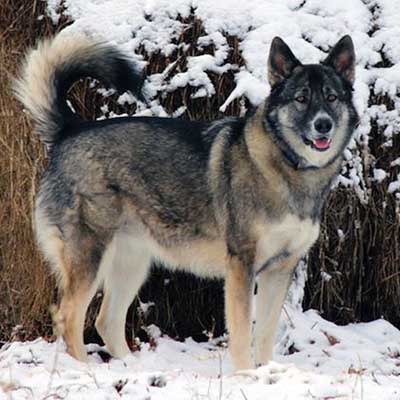
Alaskan Shepherd
Alaskan Shepherds possess characteristics inherited from their large, working dog ancestry, making them loyal and courageous companions. These intelligent canines require ample exercise, mental stimulation, and regular grooming to flourish. Consistent and early training is crucial for this breed, but with the right commitment, they can become excellent family pets. It is thought that Alaskan Shepherds originated in the early 20th century, coinciding with the rising popularity of their parent breeds, the Alaskan Malamute and the German Shepherd, in the United States. However, it is essential to recognize that Alaskan Shepherds are distinct hybrids and are not listed as recognized purebreds by the American Kennel Club.
Read more
Malanees
The Malanees is a harmonious mix of its two parent breeds, the Alaskan Malamute and the Great Pyrenees. This breed stands out for its impressive size and striking appearance, reflecting the traits commonly found in working dogs. With a long, thick coat, the Malanees tends to shed quite a bit but requires only minimal grooming to maintain its neatness. Its build is both athletic and graceful, demonstrating a blend of power and elegance. Originally bred for tasks like pulling and guarding, the Malanees showcases significant strength and a resolute spirit, typical of working breeds. Despite its imposing stature, this dog is also known for its affectionate, calm, gentle, and patient demeanor, making it a wonderful companion for young children. If you’re thinking about bringing a Malanees into your family, be ready for considerable shedding and a strong-willed personality. This assertiveness can create training hurdles, especially for first-time dog owners. Nevertheless, if you possess a similar strong will, don’t let its independence deter you! With consistent and firm training, the Malanees can flourish and become a beloved part of your household.
Read more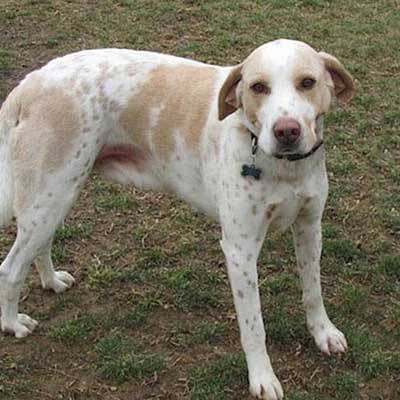
Mally Foxhound
The Mally Foxhound is a mixed breed resulting from the crossbreeding of an Alaskan Malamute and a Foxhound. Although various Foxhound types may have played a role in this hybrid's development, it is widely believed that the English Foxhound was the primary breed involved. While detailed information about this hybrid is somewhat scarce, it is recognized for inheriting diverse traits from its parent breeds. This amiable and gentle hybrid is not only adept at hunting and tracking but also tends to be very good with children. However, it may struggle to coexist peacefully with cats and other pets.
Read more