Alaskan Shepherd
Alaskan Shepherds possess characteristics inherited from their large, working dog ancestry, making them loyal and courageous companions. These intelligent canines require ample exercise, mental stimulation, and regular grooming to flourish. Consistent and early training is crucial for this breed, but with the right commitment, they can become excellent family pets. It is thought that Alaskan Shepherds originated in the early 20th century, coinciding with the rising popularity of their parent breeds, the Alaskan Malamute and the German Shepherd, in the United States. However, it is essential to recognize that Alaskan Shepherds are distinct hybrids and are not listed as recognized purebreds by the American Kennel Club.
Breed Origin
The Alaskan Shepherd gets its name from its parent breeds: the Alaskan Malamute and the German Shepherd. The Alaskan Malamute is an ancient breed thought to have descended from wolf dogs that accompanied Paleolithic hunters across the Bering Strait over 4,000 years ago. Its name comes from the Mahlemuts, an Inuit tribe residing along Alaska's northwest coast. Initially bred for hunting large game and pulling sleds in harsh climates, Alaskan Malamutes were brought to the United States in the 1800s by explorers who employed them as working dogs during the Gold Rush. Over the years, American breeders began crossbreeding them with smaller dogs for racing and entertainment, which disrupted the breed's lineage for a significant period. However, in the 1920s, efforts were initiated to restore the purebred line. Today, the Alaskan Malamute is recognized as Alaska's official state dog and is acknowledged by the American Kennel Club (AKC). Conversely, the German Shepherd, as its name suggests, originated in Germany, where it was developed in the 1800s from various local shepherd breeds for herding. Initially referred to as the German Sheepdog, this breed's intelligence and trainability led to its use as a working dog in the German military. During World War I, German Shepherds were vital in delivering supplies and rations to troops. In 1899, the Verein für Deutsche Schäferhunde SV was established to oversee the breed's development, which significantly boosted its popularity as both a guard dog and a companion in Europe. The AKC recognized the German Shepherd in 1908, and its popularity continued to rise in North America. Today, it remains a beloved breed in both the United States and Europe, especially in Germany. The combination of these two breeds has resulted in a large, alert, and affectionate companion. Although the Alaskan Shepherd has been bred since the early 1900s, its rarity as a hybrid persists, as it is not officially recognized by the AKC despite the long-standing presence of both parent breeds in the United States.
Breed Appearance
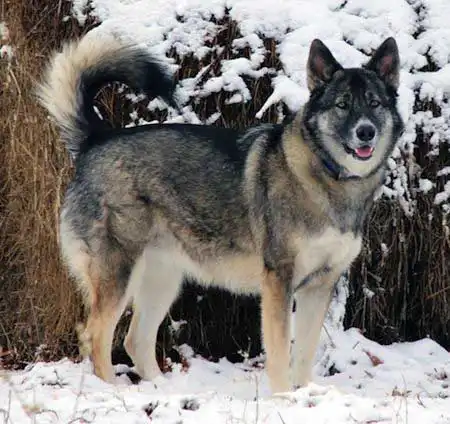
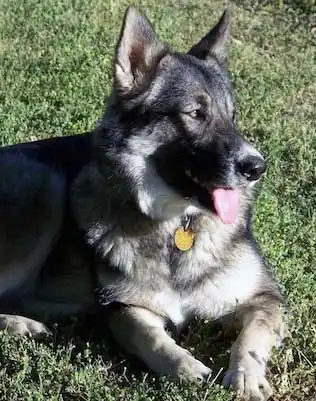
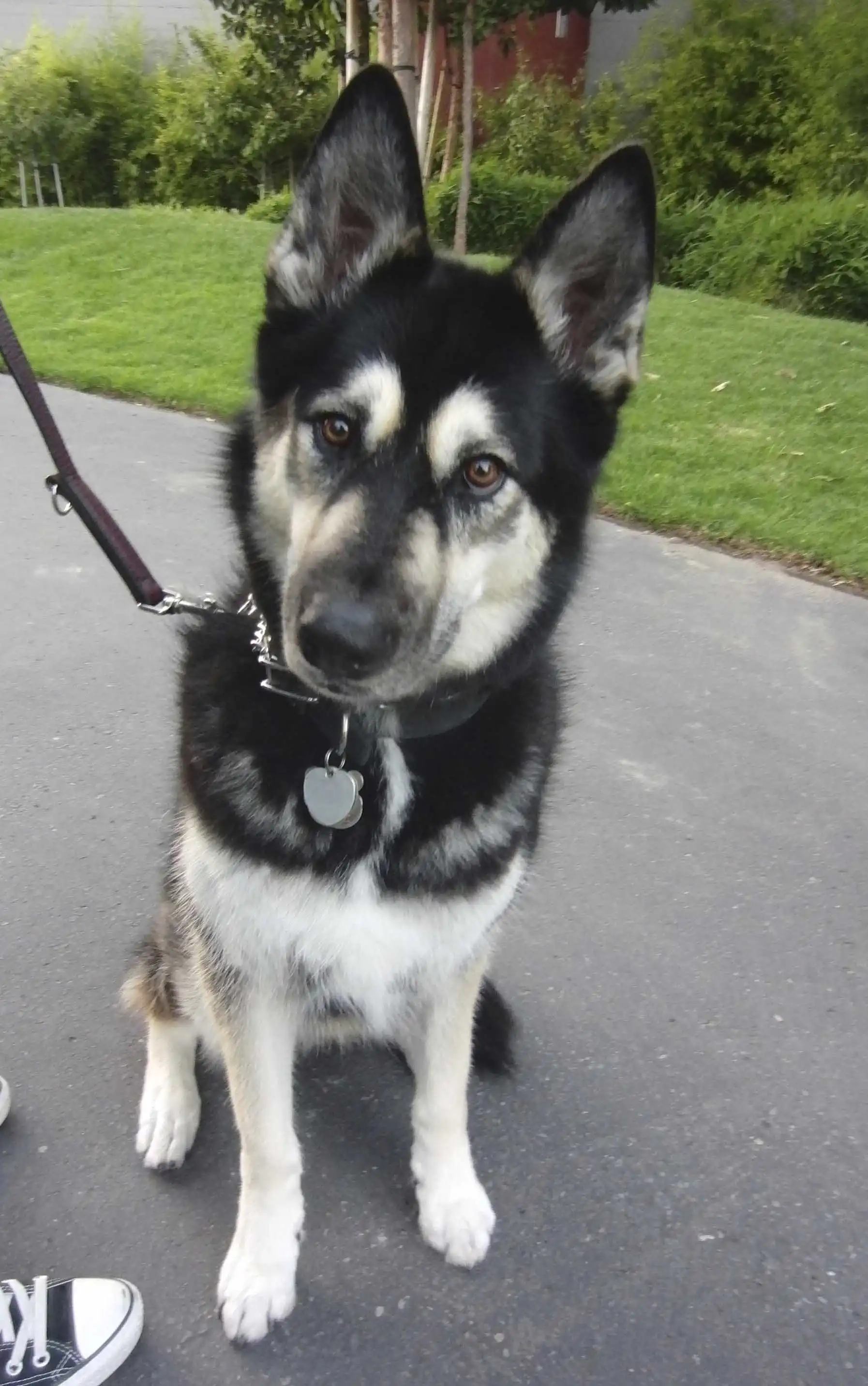
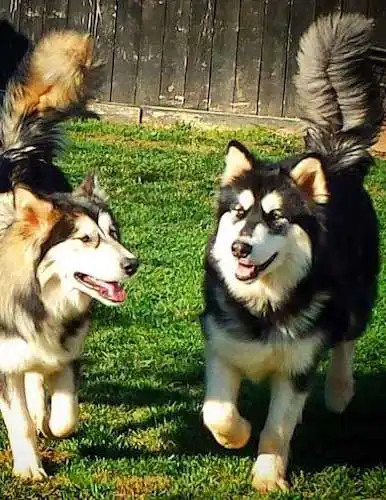
The Alaskan Malamute and the German Shepherd possess many similar physical characteristics, resulting in the Alaskan Shepherd exhibiting traits from both parent breeds. This hybrid typically has a body that is longer than it is tall, complemented by upright, pointed ears and almond-shaped eyes. It features a dark nose and a sturdy build, along with a relatively long, bushy tail and large, arched paws equipped with ample padding. The Alaskan Shepherd comes in a variety of colors commonly found in its parent breeds, often showcasing black markings on the muzzle and forehead. Its coat is particularly thick and straight, with a medium length that adds to its distinctive appearance.
Care Routine
This breed is not considered hypoallergenic, which makes it a poor choice for those with allergies. Alaskan Shepherds have medium-length, very dense double coats that shed quite a bit, especially during seasonal changes. To keep shedding under control and maintain a neat look, it's recommended to brush them weekly using a pin or slicker brush, along with a deshedder. However, during heavy shedding seasons, daily brushing may be required. Although these dogs only need baths occasionally, it's crucial for owners to regularly check their tails and undercoats for any debris. Furthermore, their nails should be trimmed once or twice a month, and daily brushing of their teeth is essential.
Behavior & Temperament
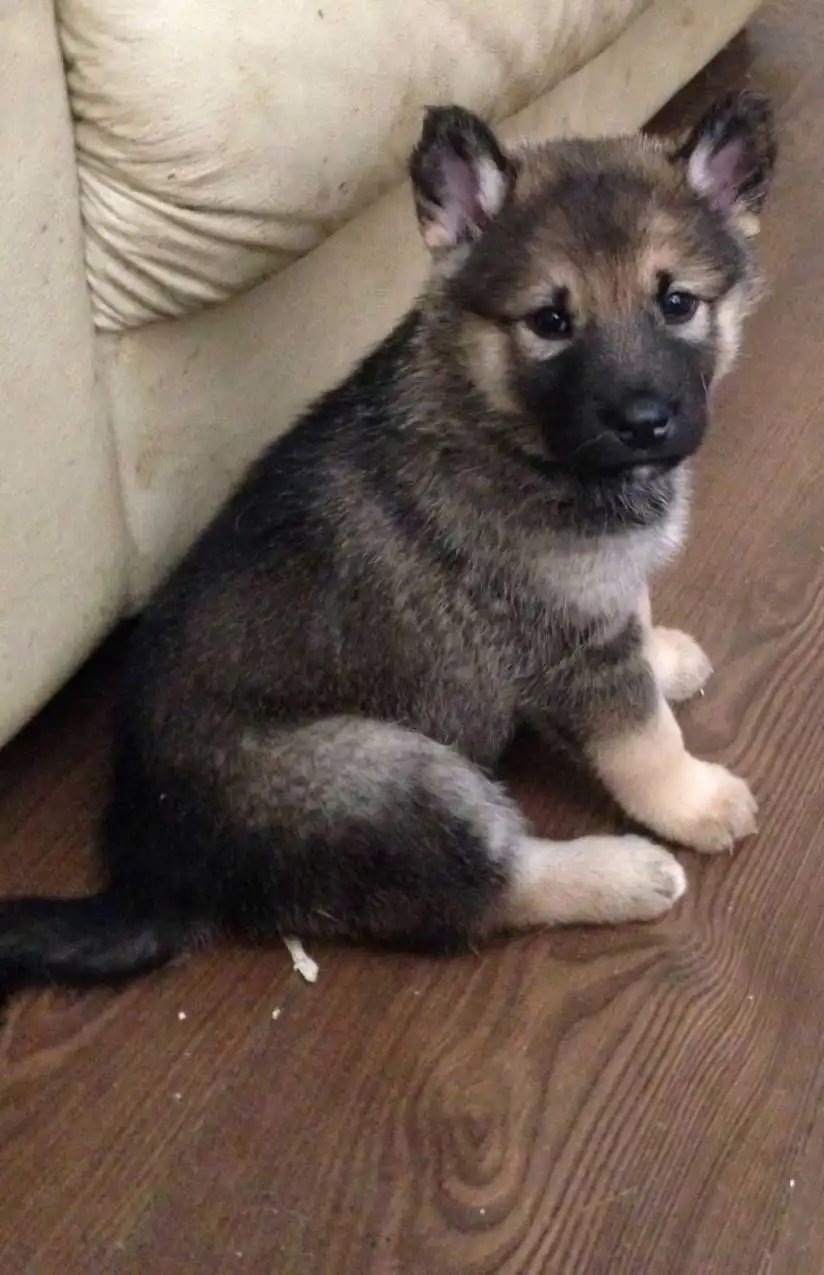
Alaskan Shepherds are known for their loyalty and courage, but they also possess a degree of independence and can sometimes seem distant. To effectively train this strong-willed breed, it is essential to provide consistent and assertive guidance; without it, they may attempt to take control of their owners. Moreover, these dogs can exhibit aggression towards unfamiliar dogs and people, highlighting the importance of early socialization to raise a well-adjusted puppy. On the bright side, Alaskan Shepherds are highly intelligent and capable of learning a wide range of commands and complex tasks. However, their sharp minds can lead to anxiety and destructive behavior if they become bored or restless. Thus, they flourish with a balanced routine that includes both mental stimulation and physical exercise. Additionally, Alaskan Shepherds often develop a strong attachment to one person in the household, usually the “pack leader,” and show profound affection for their owners. They respond positively to reinforcement techniques, making them wonderful companions for families that can provide the right environment.

Play & Exercise
Alaskan Shepherds are a blend of two strong working breeds, which accounts for their impressive energy and stamina. These dogs excel in outdoor environments, eagerly participating in activities like hiking, running, and playing in large spaces. To ensure their well-being and happiness, they need at least 60 minutes of exercise daily. Moreover, they thrive on mental stimulation, enjoying the challenge of learning new tricks, commands, and playing interactive games with their owners. With their thick double coats, Alaskan Shepherds are best suited for cooler climates and tend to do well in rural or suburban areas where they have access to a yard or ample open space to roam.
Things to Know
Cups Per Day
2.5 Cups
Daily Activity
60 Minutes
Average Lifespan
11 Years
Origin
Early 1900s
Type
Crossbreeds
Size
Large
Origin Country
Unknown
Brush Frequency
Weekly
Coat Texture
Straight
Register
Your kids have been begging for a pet forever, and you've recently decided that it's time for your family to get a new addition -- a dog! While everyone is excited for the new arrival, you're wondering if you need to have a dog license. How much does it cost? Is it required? Where do you get one?
Member Clubs

PETINNATE
Other
Height & Weight
Weight
71 lbs (32 kg)Male: 75 lbs (34 kg) , Female: 68 lbs (31 kg)
Height
24 inches (61 sm)Male: 24 inches (61 sm) , Female: 23 inches (58 sm)
6 Months

22 lbs ( m 22 lbs, f 22 lbs )
11 inches ( m 11 inches, f 11 inches )
12 Months
50 lbs ( m 50 lbs, f 50 lbs )
17 inches ( m 17 inches, f 17 inches )
18 Months
67 lbs ( m 67 lbs, f 67 lbs )
23 inches ( m 23 inches, f 23 inches )
Eye Colors
Blue

Hazel
Brown
Nose Colors
Black
Brown
Coat Colors
Gray
Red
Blue
Silver
Sable
White
Black
Brown
Cream