Alaskan Goldenmute
Alaskan Golden, Goldenmute
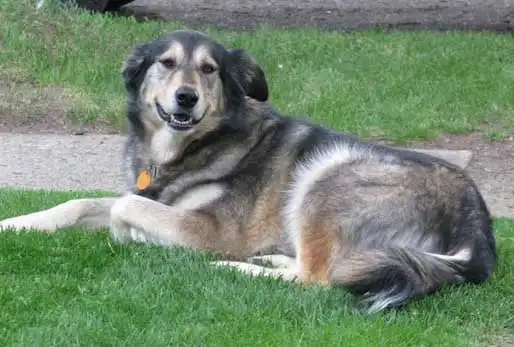
The Alaskan Goldenmute is a hybrid breed that originates from two well-known dog breeds: the Alaskan Malamute and the Labrador Retriever. This breed is thought to have developed in the mid-1800s, around the same time that both parent breeds gained popularity in North America. The Alaskan Goldenmute is not ideal for casual pet owners, as it requires considerable attention, consistent exercise, and careful grooming. Although they can be wonderful family companions, Alaskan Goldenmutes are quite rare on a global scale and do not have recognition as a purebred by the American Kennel Club. Nonetheless, this breed enchants dog lovers with its vibrant personality, affectionate demeanor, and adventurous spirit.
Breed Origin
The Alaskan Goldenmute is a hybrid breed resulting from the cross between the Alaskan Malamute and the Golden Retriever. The Alaskan Malamute is one of the oldest dog breeds known to have been associated with humans, with origins tracing back over 4,000 years. It derives its name from the Mahlemuts, an Inuit tribe located in what is now Northwest Alaska. Historically, this breed was primarily employed for hunting large game such as seals and bears, as well as for sled pulling within the tribe. In the 1800s, explorers from various parts of North America recognized the Malamute's capabilities as a working dog suited for the challenging terrains of the American West, leading to its importation to aid expeditions during the Gold Rush. Over the years, American breeders began to crossbreed the Malamute with smaller breeds for racing and entertainment purposes, which resulted in a dilution of its purebred lineage. However, in the 1920s, initiatives were launched to revive the breed, resulting in a notable increase in the purebred population. The American Kennel Club officially acknowledged the Alaskan Malamute in 1935, and in 2003, it was named Alaska's official state dog. On the other hand, the Golden Retriever, the other parent of the Alaskan Goldenmute, was bred in Victorian England for the purpose of hunting and retrieving game and waterfowl. Its remarkable sporting skills and amiable disposition quickly captured the interest of English families, leading to its adoption as a household pet. The breed eventually made its way to North America, where it received recognition from the AKC in 1932. Since then, Golden Retrievers have become one of the most cherished breeds in the United States, featuring prominently in popular films like Homeward Bound, Air Bud, and Marley and Me. Although the Alaskan Goldenmute has been bred since the mid-1900s, coinciding with the rise in popularity of both parent breeds in the U.S., the relative rarity of the Alaskan Malamute means that this hybrid remains quite uncommon and is not recognized by the AKC.
Breed Appearance
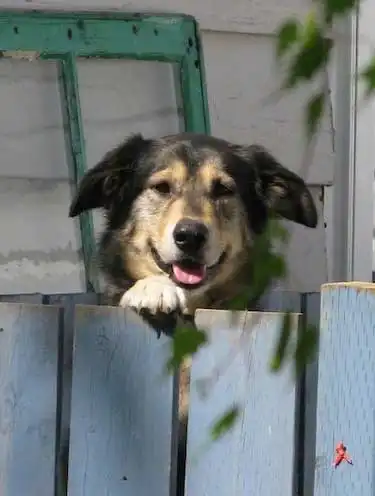
The Alaskan Goldenmute showcases a wide array of physical characteristics, reflecting its partially stabilized appearance and the diverse traits inherited from its parent breeds. Generally, these dogs bear a resemblance to Alaskan Malamutes, yet they stand out with their striking golden coats and distinctive facial features. They are strong and athletic, featuring a medium-length, lustrous double coat that comes in various color combinations derived from both parent breeds. Some may exhibit subtle black markings on their faces and muzzles, hinting at their Malamute ancestry. Their tails are long and feathered, and their almond-shaped eyes can be blue, hazel, or brown. The ears of the Alaskan Goldenmute are a mix of its parent breeds, being partially pricked and slightly pointed. Furthermore, they have large, well-padded paws, making them well-equipped for outdoor activities.


Care Routine
Alaskan Goldenmutes are not classified as hypoallergenic, which makes them a poor choice for those with allergies. Their dense, medium-length coat tends to shed quite a bit, especially during seasonal changes. To help manage this shedding, pet owners can use a variety of grooming tools, including pin brushes, slicker brushes, dematters, and combs. Consistent daily brushing is crucial for keeping their coat clean and well-groomed. Some owners opt to trim their Alaskan Goldenmutes' fur, while others may prefer to enlist the help of professional groomers. Furthermore, these dogs should be bathed periodically, have their ears cleaned on a regular basis, and require daily brushing of their teeth to avoid dental problems. Nail trimming should be performed once or twice a month.
Behavior & Temperament
Alaskan Goldenmutes are delightful and resilient companions known for their strong connections with their human families. They tend to coexist harmoniously with other pets, making them a great choice for homes with multiple animals. These dogs thrive in the company of active owners who enjoy outdoor pursuits. Due to their deep emotional ties to people, Goldenmutes may suffer from separation anxiety and do best in environments with a consistent routine and ample companionship. In their youth, they often display high energy, especially if they do not receive enough exercise or attention. However, with early and consistent training, they can develop into exceptionally well-mannered adults. Furthermore, Alaskan Goldenmutes are quite sensitive and react strongly to both positive and negative reinforcement. Ultimately, these dogs need plenty of affection and physical activity to stay happy and healthy.


Play & Exercise
Alaskan Goldenmutes are known for their high energy levels, especially during their first three years. This hybrid breed is renowned for its playful demeanor and love for active pursuits. They take pleasure in interactive games with humans, like fetch, and also enjoy socializing with other dogs. With a strong adventurous spirit, Alaskan Goldenmutes are always eager for a long hike or a run with their owners. To stay healthy and happy, they need at least an hour of exercise each day. They also relish the opportunity to learn new tricks and commands. While they thrive in homes with plenty of outdoor space, they are adaptable to different climates.
Things to Know
Cups Per Day
2.5 Cups
Daily Activity
60 Minutes
Average Lifespan
11 Years
Origin
Mid 1900s
Type
Crossbreeds
Size
Large
Origin Country
North America
Brush Frequency
Daily
Coat Texture
Straight
Ancestors
Alaskan Malamute
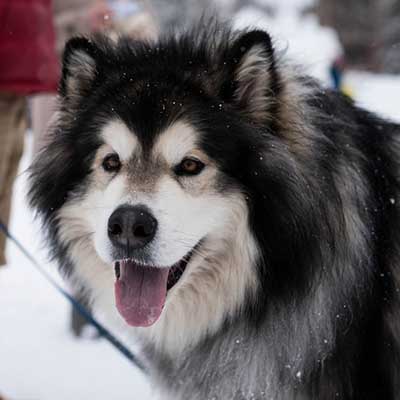
The Alaskan Malamute, known as the largest sled dog in the Arctic, gets its name from both its geographical roots and the Mahlemut tribe it is linked to. This ancient breed has a history that dates back around 4,000 years, originating with the Inuit people of Alaska. Originally bred to hunt large game such as polar bears and seals, Malamutes are now mainly used for sled pulling and as cherished pets. They generally maintain good health, with an average lifespan of about 12 years, although they may be susceptible to certain genetic conditions like hip dysplasia and cataracts. Their unique double coat allows them to thrive in cold and wet conditions, and they actually prefer cooler climates. Alaskan Malamutes are typically striking in appearance, often showcasing a white base adorned with shades of gray, red, or black. While they bear a resemblance to wolves, their expressions are characteristically softer.
Read more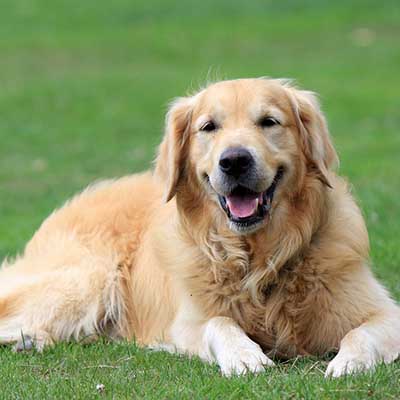
Golden Retriever
The Golden Retriever stands out as one of the most beloved and recognizable dog breeds, celebrated for its role as an outstanding family companion. This breed is friendly and tends to get along well with other pets, children, and even strangers. With a playful disposition, Golden Retrievers are energetic and relish activities such as fetching balls and playing games. They are not only intelligent and loyal but also make excellent service dogs and cherished friends. Originally bred for hunting and retrieving, these dogs are full of vitality and do not do well when left alone for long periods. Without supervision and mental engagement, they may develop destructive habits. To keep them occupied, interactive toys that stimulate their minds are particularly effective.
Read moreRegister
Your kids have been begging for a pet forever, and you've recently decided that it's time for your family to get a new addition -- a dog! While everyone is excited for the new arrival, you're wondering if you need to have a dog license. How much does it cost? Is it required? Where do you get one?
Member Clubs

PETINNATE
Other
Height & Weight
Weight
71 lbs (32 kg)Male: 75 lbs (34 kg) , Female: 68 lbs (31 kg)
Height
24 inches (61 sm)Male: 24 inches (61 sm) , Female: 23 inches (58 sm)
6 Months
22 lbs ( m 22 lbs, f 22 lbs )
11 inches ( m 11 inches, f 11 inches )
12 Months
50 lbs ( m 50 lbs, f 50 lbs )
17 inches ( m 17 inches, f 17 inches )
18 Months
67 lbs ( m 67 lbs, f 67 lbs )
23 inches ( m 23 inches, f 23 inches )
Eye Colors
Blue

Hazel
Brown
Nose Colors
Black
Brown
Coat Colors
Fawn
Cream
White
Sable
Silver
Blue
Red