Malanees
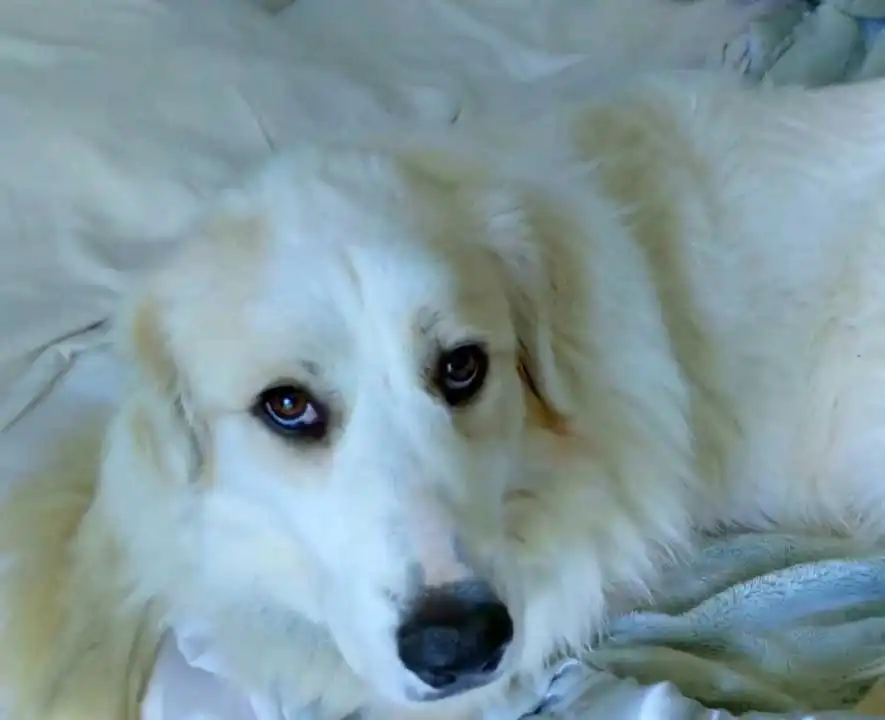
The Malanees is a harmonious mix of its two parent breeds, the Alaskan Malamute and the Great Pyrenees. This breed stands out for its impressive size and striking appearance, reflecting the traits commonly found in working dogs. With a long, thick coat, the Malanees tends to shed quite a bit but requires only minimal grooming to maintain its neatness. Its build is both athletic and graceful, demonstrating a blend of power and elegance. Originally bred for tasks like pulling and guarding, the Malanees showcases significant strength and a resolute spirit, typical of working breeds. Despite its imposing stature, this dog is also known for its affectionate, calm, gentle, and patient demeanor, making it a wonderful companion for young children. If you’re thinking about bringing a Malanees into your family, be ready for considerable shedding and a strong-willed personality. This assertiveness can create training hurdles, especially for first-time dog owners. Nevertheless, if you possess a similar strong will, don’t let its independence deter you! With consistent and firm training, the Malanees can flourish and become a beloved part of your household.
Breed Origin
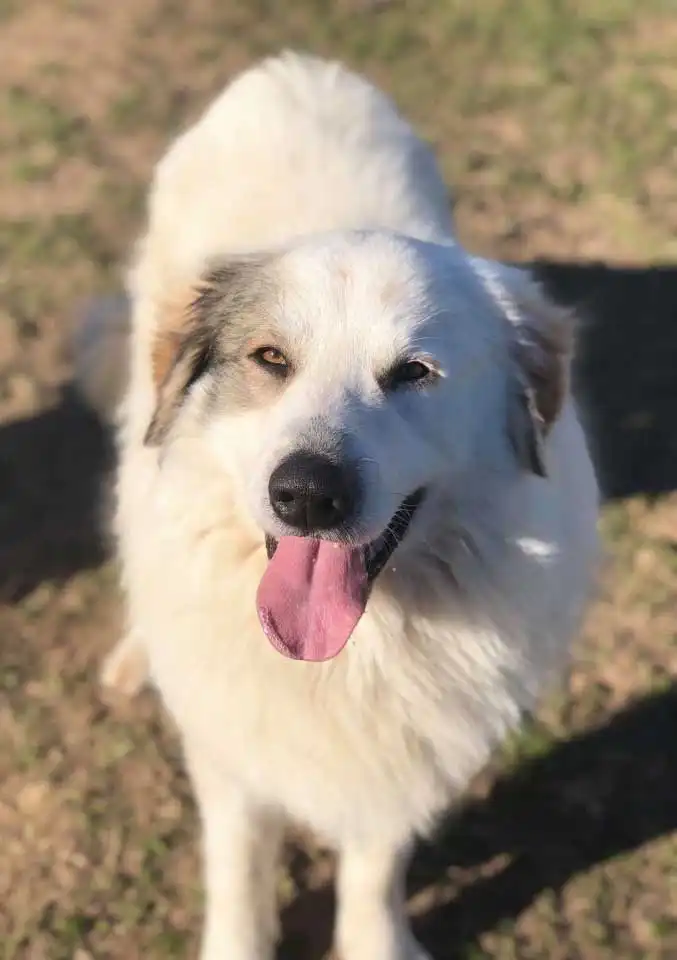
Although it may seem like the Malanees, a cross between the Alaskan Malamute and the Great Pyrenees, has a long-standing history, it is actually a relatively new breed without a well-documented origin. Understanding the background of a breed is important, as it reveals the motivations behind its development and the traits that were emphasized. Fortunately, even in the absence of a rich history, we can draw meaningful insights from its parent breeds. Starting with the Great Pyrenees, this impressive giant was originally bred in the French Pyrenees Mountains to serve as a guardian for livestock. These dogs were tasked with protecting herds from predators such as wolves and bears, necessitating a large and powerful physique. Surprisingly, despite this critical role, the Great Pyrenees is known for its gentle, patient, and loving nature. Its striking white coat was crucial for its function, allowing it to blend in with the sheep it protected, thus providing an element of surprise against larger threats. The breed earned a reputation for bravery and even became protectors of prominent figures, including King Louis XIV, who included them in his royal guard. Although it took some time for these magnificent dogs to arrive in America, they were officially recognized by the American Kennel Club in 1933. Today, they are primarily cherished as companions and guardians of the home. In contrast, the Alaskan Malamute is celebrated for its enthusiasm for pulling and its notable shedding abilities. This remarkable breed was developed by the Inuit people in Alaska, who were nomadic and depended on strong dogs to haul their sleds. The Alaskan Malamute excelled in this role, and its instinct to pull remains strong to this day. Beyond sledding, these dogs also played a role in hunting, helping their humans track polar bears and other game. Known for their adventurous spirit and affectionate nature, Malamutes form close bonds with their families, often seen as integral members of the household. This connection is vital, as they thrive on companionship and can struggle with being alone. The breed gained prominence during the 1896 gold rush when miners sought dependable dogs and fast sleds. However, this demand led to overbreeding and crossbreeding, which posed risks to the breed's integrity. Thankfully, the Malamute's robust genetics have helped maintain its essential characteristics. The American Kennel Club officially recognized the Alaskan Malamute in 1935, and it has since remained a favored choice as both a working dog and a devoted companion.
Breed Appearance
The Malanees, a crossbreed of the Alaskan Malamute and the Great Pyrenees, showcases a diverse array of physical characteristics. Given that both parent breeds are similar in size and build, the most prominent differences in the Malanees are usually found in the shape of the ears and the color of the coat. With their thick, double-layered fur, Malanees are particularly adapted to thrive in colder environments. This breed experiences regular shedding and undergoes a substantial coat transformation twice a year. Their coat colors can vary widely, including pure white, gray, brown, tan, badger, red, and black. The eyes of a Malanees can be brown, hazel, or blue, often displaying a charming almond shape that reflects a lively personality. While the Great Pyrenees has loose, folded ears, the Alaskan Malamute does not, making it more likely for the Malanees to inherit the Malamute's tall, triangular ears instead of the folded type.

Care Routine
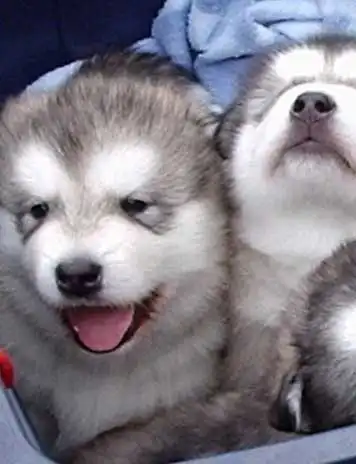
The Malanees coat requires infrequent bathing, usually just once or twice a year, unless the dog encounters something particularly dirty. However, it does need considerable brushing. Like the Great Pyrenees and Alaskan Malamute, the Malanees' fur is imbued with natural oils that provide waterproofing and help resist unpleasant smells. Regular grooming is crucial, as this breed sheds consistently throughout the year, with more significant shedding occurring twice a year when it transitions from its winter coat. To effectively manage shedding, daily brushing with a standard pin brush is advisable to remove loose hair and dirt, complemented by weekly use of a de-shedding tool. Furthermore, trimming your dog's nails a few times each month is essential for keeping their paws healthy.
Behavior & Temperament
The Malanees inherits a unique combination of both commendable and challenging traits from its parent breeds. This dog is known for its affectionate nature, intelligence, and calm demeanor, making it an excellent companion for active individuals and families with children of various ages. However, like any breed, the Malanees may display some less favorable traits that can present challenges for their owners. These include a tendency to bark, a strong-willed personality, a propensity to overeat, and occasional stubbornness. It’s important to understand that while these dogs can be delightful companions, they demand considerable effort and patience, which may not suit everyone. To create a safe living space, it’s advisable to have tall fences, as the Alaskan Malamute lineage is notorious for its ability to escape. Additionally, you may want to notify your neighbors about the potential for barking, given that the Great Pyrenees is quite vocal. Despite these factors, the Malanees can make a wonderful pet. They are excellent guardians and are gentle with both children and other animals. With appropriate early socialization, training, and a strong leader, the Malanees can become a beloved member of any household.


Play & Exercise
While both the Alaskan Malamute and Great Pyrenees fall under the category of working dogs, their activity levels are actually quite moderate. This indicates that, although they do need regular exercise, neither breed is excessively energetic or hyperactive. Consequently, the Malanees will thrive with a manageable amount of daily physical activity, alleviating any concerns about needing to tire out your canine companion. Engaging in straightforward activities such as taking leisurely walks, enjoying short jogs, participating in training exercises, playing fetch, or even training your Malanees to pull a cart can successfully keep your dog healthy and content.
Things to Know
Cups Per Day
4.0 Cups
Daily Activity
90 Minutes
Average Lifespan
12 Years
Origin
2000's
Type
Crossbreeds
Size
Large
Origin Country
United States
Brush Frequency
Daily
Coat Texture
Straight
Register
Your kids have been begging for a pet forever, and you've recently decided that it's time for your family to get a new addition -- a dog! While everyone is excited for the new arrival, you're wondering if you need to have a dog license. How much does it cost? Is it required? Where do you get one?
Member Clubs

PETINNATE
Other
Height & Weight
Weight
88 lbs (40 kg)Male: 93 lbs (42 kg) , Female: 83 lbs (38 kg)
Height
27 inches (69 sm)Male: 29 inches (74 sm) , Female: 26 inches (66 sm)
6 Months
52 lbs ( m 52 lbs, f 52 lbs )
17 inches ( m 17 inches, f 17 inches )
12 Months
72 lbs ( m 72 lbs, f 72 lbs )
23 inches ( m 23 inches, f 23 inches )
18 Months
87 lbs ( m 87 lbs, f 87 lbs )
28 inches ( m 28 inches, f 28 inches )
Eye Colors
Blue

Hazel
Brown
Amber
Nose Colors
Black
Coat Colors
Black
Gray
Brown
Red
Silver

White