Alaskan Malador
Alaskan Lab
Alaskan Maladors are energetic and affectionate companions known for their friendly nature and ability to bond with people. They require ample exercise, attention, and care to thrive. In return for this dedication, owners enjoy the company of a loyal pet that happily accompanies them on various outdoor adventures. Their intelligence allows Alaskan Maladors to learn quickly, making it easier to train them in commands and tricks. This breed is believed to have originated in the early 1800s, resulting from a cross between the well-known Alaskan Malamute and Labrador Retriever in the United States. Although they are wonderful family pets, Alaskan Maladors are quite uncommon worldwide and are not recognized as a purebred breed by the American Kennel Club.
Breed Origin
The Alaskan Malador gets its name from its parent breeds: the Alaskan Malamute and the Labrador Retriever. The Alaskan Malamute is thought to have a lineage that dates back over 4,000 years, making it one of the earliest dog breeds associated with humans. This breed derives its name from the Mahlemut Inuit tribe, who inhabited the northwest coast of present-day Alaska. Originally, Alaskan Malamutes were valued as steadfast companions for hunting large game like seals and bears, and they aided tribal members in traversing difficult terrains and harsh weather conditions as sled dogs and guides. In the 1800s, North American explorers discovered the Alaskan Malamute and introduced it to the United States as a working dog. During the Gold Rush, these dogs were instrumental in assisting prospectors on their journeys through the western territories. However, American breeders began crossbreeding them with smaller breeds for racing and entertainment purposes, which led to a significant dilution of their purebred lineage. Fortunately, revival efforts in the 1920s helped restore the Alaskan Malamute's status, and the breed was officially recognized by the American Kennel Club in 1935. In 2003, it was named the official state dog of Alaska. Conversely, the Labrador Retriever hails from Newfoundland, Canada. As its name suggests, this breed was specifically developed for retrieving items, including small game and hunting equipment, from both land and water. A dog tax introduced in the late 1800s resulted in a drastic decline in the Labrador population in its native area. Nevertheless, the breed flourished in the United Kingdom, where it had been imported since the early 1800s. Soon after, Labradors made their way to the United States, receiving recognition from the AKC in 1917. Since then, they have consistently ranked among the most popular dog breeds in the nation. Although Alaskan Maladors have been bred since the early 1900s, their rarity as a hybrid persists, and they are not officially recognized by the AKC, despite the long-standing presence of both parent breeds in the U.S.
Breed Appearance
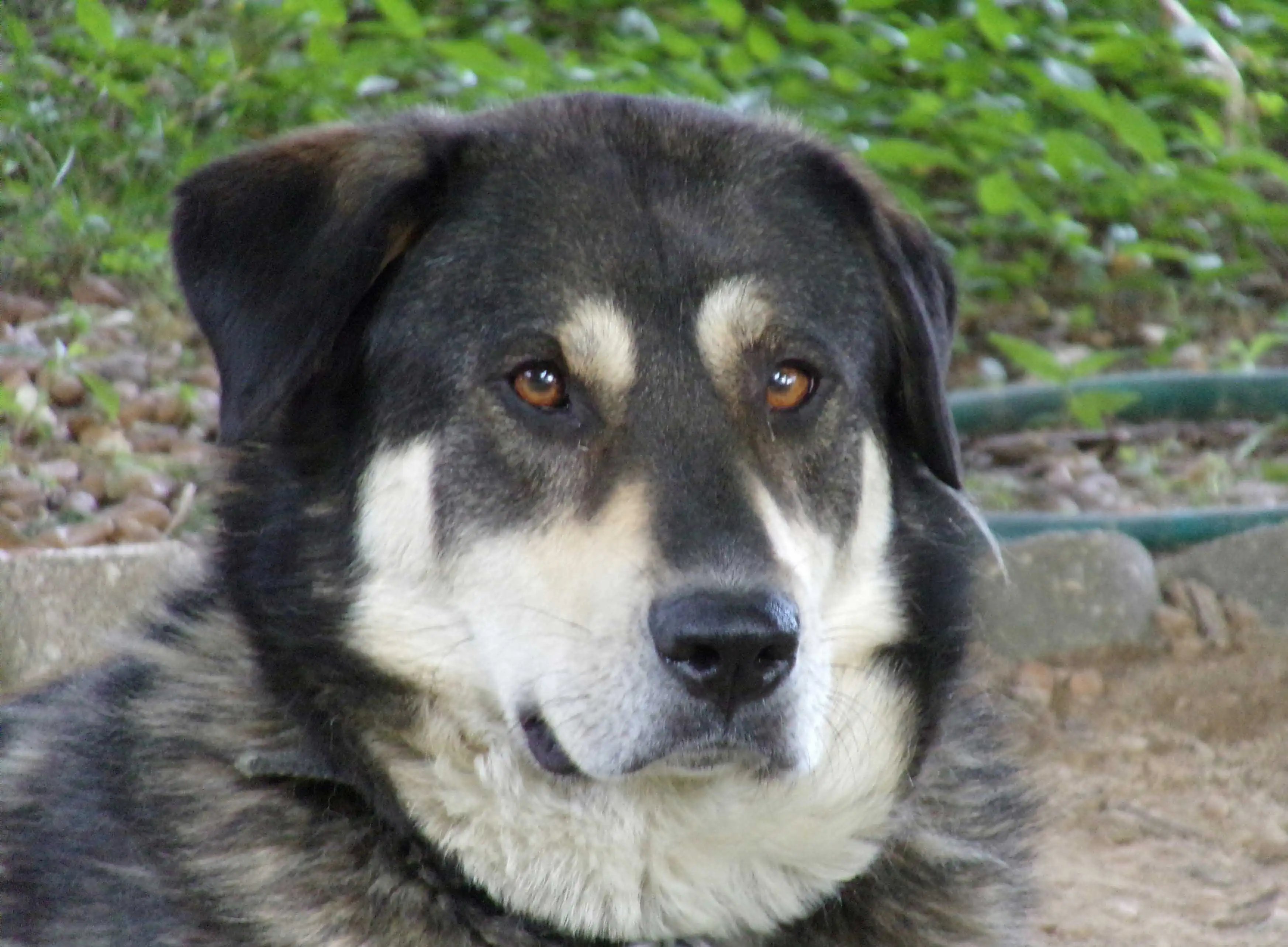
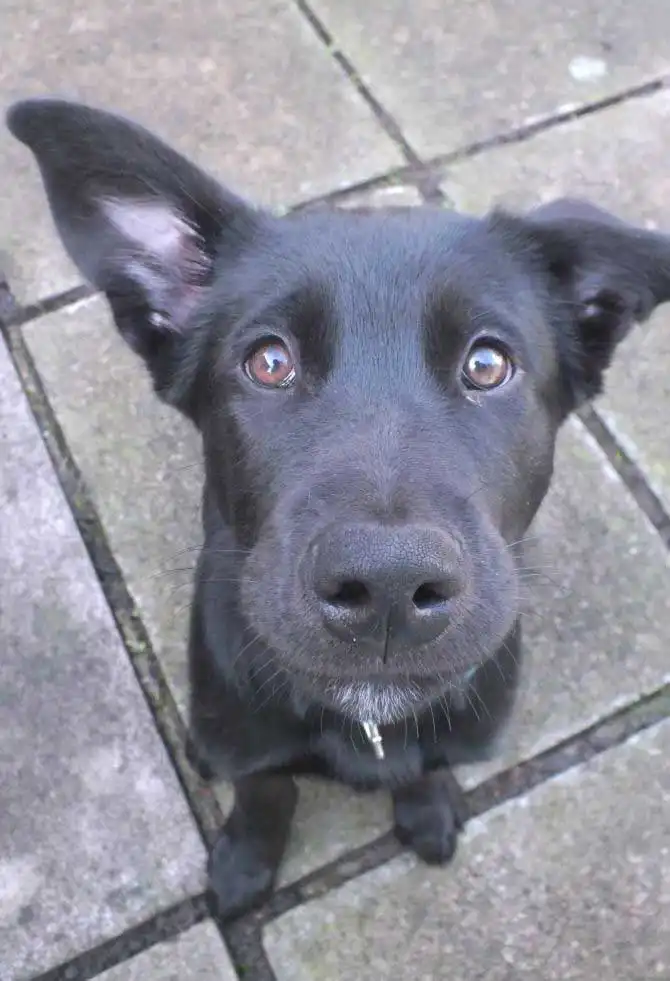
The Alaskan Malador, a hybrid breed still in the process of stabilization, can display a diverse range of physical traits inherited from its parent breeds. Generally, this breed resembles a lean Labrador, enhanced by Malamute-like markings across its face and body. It has a robust physique, characterized by a moderately wide chest and a gently curved neck. The ears hang down similarly to those of a Labrador, while its broad, almond-shaped eyes—reflecting its Malamute heritage—give it a distinctive Spitz-like appearance. These eyes can vary in color, including shades of blue, hazel, brown, or amber, and the coat often features a blend of colors typical of both parent breeds. The fur is dense and short, with a soft, woolly undercoat underneath. Alaskan Maladors frequently exhibit prominent black markings on their faces. They also have large, well-padded paws and a medium-length tail that is well-furred, occasionally adorned with feathering along the ridge.

Care Routine
Alaskan Maladors are not classified as hypoallergenic, which renders them a poor choice for allergy sufferers. Their dense fur sheds considerably, particularly during seasonal changes. To help control shedding, owners should brush their dogs daily using a pin brush, slicker brush, or de-shedding tool. Furthermore, it’s advisable to bathe these dogs no more than once every two months to maintain the natural oils in their coats. Consistent grooming is crucial; their droopy ears require regular cleaning, teeth should be brushed daily to avert dental problems, and nails need to be trimmed monthly to prevent painful overgrowth.
Behavior & Temperament
Alaskan Maladors are energetic and adventurous canines that thrive on companionship with humans. They take great pleasure in exploring their environment and are most content when they can spend a full day hiking or engaging in new experiences with their owners. The Labrador Retriever's influence in this breed fosters a strong attachment to people, which can result in separation anxiety if they are left alone for extended periods. To alleviate this concern, pet owners can implement a consistent and balanced daily routine for their dogs. Furthermore, Alaskan Maladors are intelligent and eager learners, making them highly trainable and skilled at performing tricks. However, it’s essential to recognize that if they become restless or bored, they may display overly energetic and destructive behaviors. On a brighter note, Alaskan Maladors are friendly and sociable, easily adapting to homes with multiple pets and getting along well with children. They respond enthusiastically to praise and affection. In conclusion, this large breed thrives in an active environment and a nurturing family atmosphere.


Play & Exercise
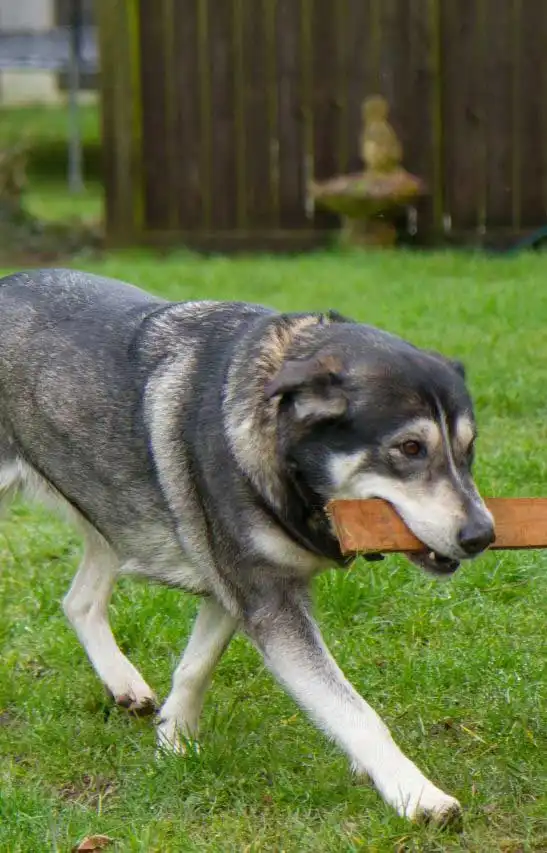
This hybrid breed is renowned for its stamina and love for active pursuits. Like their parent breeds, Alaskan Maladors thrive on outdoor adventures. They take great pleasure in challenging hikes, swimming, and playing in large open spaces, often alongside other dogs. With their high energy levels, these dogs require 60 to 90 minutes of exercise daily. Moreover, Alaskan Maladors are intelligent and enjoy mastering tricks, obeying commands, and participating in indoor games with their owners. While they can adapt to different environments, they particularly excel in rural or suburban areas where they have access to a yard or ample space to roam.
Things to Know
Cups Per Day
2.5 Cups
Daily Activity
60 Minutes
Average Lifespan
11 Years
Origin
Early 1800s
Type
Crossbreeds
Size
Large
Origin Country
United States
Brush Frequency
Daily
Coat Texture
Straight
Register
Your kids have been begging for a pet forever, and you've recently decided that it's time for your family to get a new addition -- a dog! While everyone is excited for the new arrival, you're wondering if you need to have a dog license. How much does it cost? Is it required? Where do you get one?
Member Clubs

PETINNATE
Other
Height & Weight
Weight
71 lbs (32 kg)Male: 75 lbs (34 kg) , Female: 68 lbs (31 kg)
Height
24 inches (61 sm)Male: 24 inches (61 sm) , Female: 23 inches (58 sm)
6 Months
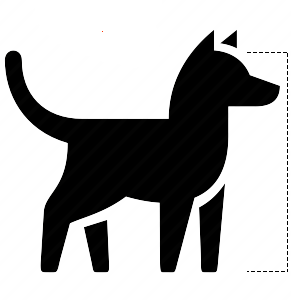
22 lbs ( m 22 lbs, f 22 lbs )
11 inches ( m 11 inches, f 11 inches )
12 Months
50 lbs ( m 50 lbs, f 50 lbs )
17 inches ( m 17 inches, f 17 inches )
18 Months
67 lbs ( m 67 lbs, f 67 lbs )
23 inches ( m 23 inches, f 23 inches )
Eye Colors
Blue

Hazel
Brown
Amber
Nose Colors
Black
Brown
Coat Colors
Cream
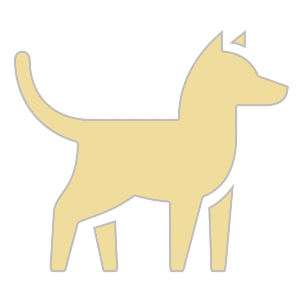
Brown
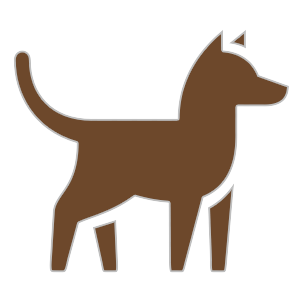
Black
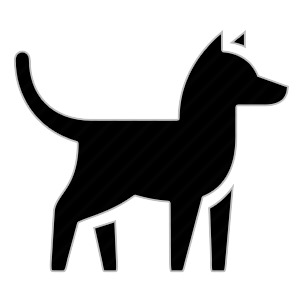
White
Sable
Silver
Blue
Red
Gray