Akita Pit
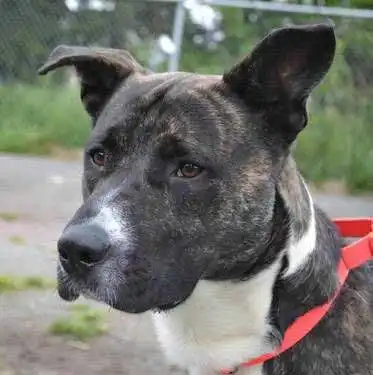
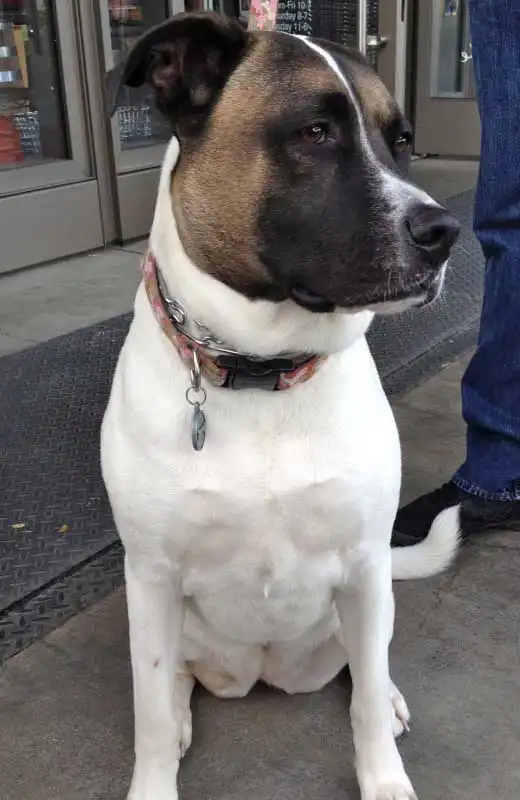
The Akita Pit is a mixed breed that arises from the crossbreeding of an Akita and a Pit Bull. Typically, this medium-sized dog weighs between 30 and 66 pounds and stands around 16 to 22 inches tall, influenced by the size of its parent breeds. Its coat is short and smooth, similar to that of a Pit Bull, and it comes in a variety of colors such as fawn, white, black, blue, and brindle. Renowned for their friendly nature, Akita Pits usually get along well with children and other animals. Their obedient temperament makes them relatively straightforward to train. This breed is often noted for its loyalty and sociable character, although they can sometimes show a stubborn side. In summary, the Akita Pit is an enthusiastic and eager companion, always looking to please its owner.
Breed Origin
The Akita Pit, a mixed breed dog, does not have a well-documented history of its own. However, the two parent breeds that contribute to this hybrid each have extensive and storied backgrounds. The Akita's lineage can be traced back to the matagi-inu, or "hunting dog," which were originally used as fighting dogs in the late 19th century. These dogs were often crossbred with other breeds to improve their fighting abilities. In 1927, the Akita Inu Hozonkai Society was founded in Japan to safeguard the original Akita bloodline, and by 1931, the breed was officially recognized as a national treasure of Japan. After World War II, the Akita gained traction in the United States as returning soldiers brought these dogs home. Nowadays, Akitas are commonly utilized as guard dogs and in various law enforcement capacities. Conversely, the Pit Bull traces its origins back to the early "bulldog," which was used for boar hunting and protection, with artistic representations of these dogs appearing as far back as the 1500s. They were dubbed "bull dogs" due to their role in the cruel sport of bull baiting. Following the ban on bull baiting in England in 1835, enthusiasts sought new avenues for profit, leading to activities like ratting and dog fighting. During this time, it is thought that various Terrier breeds were crossed with bulldogs to boost their prey drive, aggression, and agility while also making them smaller. The American Pit Bull Terrier developed from English and Irish breeds that were brought to the United States in the 19th century. While some of these dogs were still involved in fighting, the majority were used as cattle herders, hunters, protectors, and companions, earning them the endearing nickname of "nanny dog."
Breed Appearance
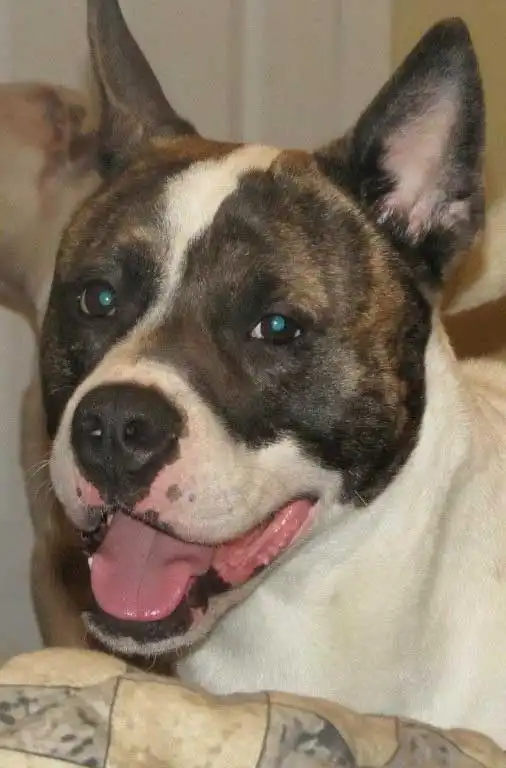
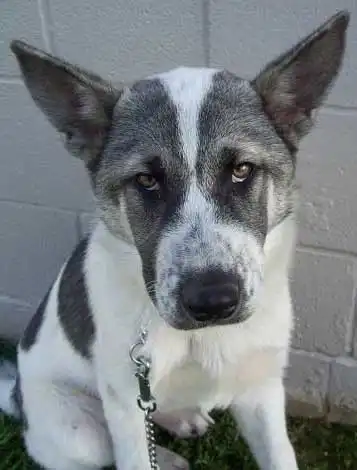
The Akita Pit is a hybrid breed created by crossing an Akita with a Pit Bull. Typically, these dogs weigh between 30 and 66 pounds and stand 16 to 22 inches tall, with their size being influenced by the characteristics of their parent breeds. Both the Akita and the Pit Bull are recognized for their athletic abilities, so you can expect your Akita Pit to be strong, muscular, and quite agile. This medium-sized dog boasts a sturdy build and a short coat that lies flat against its body, showcasing features inherited from both breeds. The coat's thickness can vary based on which parent's genetics are more prominent. Akita Pits can display a variety of colors, including fawn, white, blue, black, and brindle.
Care Routine
Caring for an Akita Pit is quite manageable, involving weekly brushing and occasional baths as necessary. Grooming not only keeps your dog looking good but also offers a great chance to bond, teaching your Akita Pit to stay calm and comfortable with handling. Regular nail trimming and consistent dental care are crucial for ensuring your dog's long-term oral health. Providing your Akita Pit with regular exercise is essential; like Pit Bulls, they can become destructive if they lack stimulation or activity. It's important to begin training early, as this breed is enthusiastic and can quickly learn basic commands such as "sit" and "stay." Moreover, prioritizing behavioral training and early socialization is key, as it helps your Akita Pit adapt to different environments and situations.
Behavior & Temperament
Much like the Akita, the Akita Pit possesses a notable degree of independence and can sometimes be quite headstrong. The influence of the Pit Bull parent adds intelligence to the mix, but it may also bring a tendency to seek dominance in the relationship with their human companions. Consequently, obedience training is vital for this hybrid breed, necessitating a careful balance of kindness and assertiveness. Maintaining consistency in training techniques is essential. It is recommended to find a skilled dog trainer who can effectively connect with a dog that has a strong-willed nature. Generally, Akita Pits are friendly towards children and other animals, although proper socialization is important, as it is for all dog breeds. This mix is eager to please and full of energy. Typically, Akita Pits are protective of their families, showcasing loyalty, friendliness, and intelligence. Aggressive behavior towards people is rare, and with steady training practices, they can be relatively easy to train.


Play & Exercise
Your Akita Pit needs a significant level of physical activity to stay healthy and happy. Both Akitas and Pit Bulls flourish with mental challenges and regular exercise, so it's crucial to keep them engaged. Without sufficient physical activity, a Pit Bull may resort to destructive behaviors as a way to express itself, and your Akita Pit could follow suit. Incorporating daily routines like long walks, hikes, and jogs will not only be beneficial but also enjoyable for your dog. Additionally, having a secure outdoor space is important, as it allows your pet to burn off energy at their own pace. Always ensure that the environment is safe and supervise your dog closely.
Things to Know
Cups Per Day
0.0 Cups
Daily Activity
0 Minutes
Average Lifespan
11 Years
Origin
Unknown
Type
Crossbreeds
Size
Not Set
Origin Country
Unknown
Brush Frequency
Daily
Coat Texture
Straight
Register
Your kids have been begging for a pet forever, and you've recently decided that it's time for your family to get a new addition -- a dog! While everyone is excited for the new arrival, you're wondering if you need to have a dog license. How much does it cost? Is it required? Where do you get one?
Member Clubs

PETINNATE
Other
Height & Weight
Weight
48 lbs (22 kg)Male: 51 lbs (23 kg) , Female: 45 lbs (20 kg)
Height
19 inches (48 sm)Male: 19 inches (48 sm) , Female: 19 inches (48 sm)