Pug Pit
Pugbull Terrier
The Pug Pit is a charming and lively breed, celebrated for its loving disposition towards both family and strangers. This dog adapts well to different living environments, whether in an apartment or a house with a fenced yard. With a compact and robust physique, the Pug Pit boasts a short, sleek coat that sheds minimally. The color of its coat can vary, depending on the dominant traits of its parent breeds. Furthermore, this breed tends to be relatively quiet, making it a great option for those living in apartment settings. Highly intelligent, the Pug Pit enjoys playful interactions with its human friends and will grow to a medium size as it develops.

Breed Origin
The Pug Pit is a hybrid breed, and while the specifics of its origins are not well-documented, we can glean some understanding by exploring the backgrounds of its parent breeds. The Pug boasts a fascinating history, having served as a cherished companion to Chinese royalty dating back to 206 B.C. These dogs enjoyed a life of luxury, often guarded by soldiers. In the 1500s, as trade between China and European countries flourished, Pugs became part of this cultural exchange. They garnered admiration from prominent figures such as Marie Antoinette, William of Orange, and Queen Victoria. Following the Civil War, Pugs arrived in the United States, and the American Kennel Club officially recognized the breed in 1885. Conversely, the Pit Bull Terrier has its roots in England during the 19th century. Initially, these dogs were infamously involved in the brutal sports of bull and bear baiting. After such activities were outlawed in 1835, their purpose shifted to dog fighting. Upon their arrival in America, Pit Bulls transitioned to roles as guardians of farms and livestock, and they were also utilized in hunting wild boar, a practice that persists to this day.
Breed Appearance
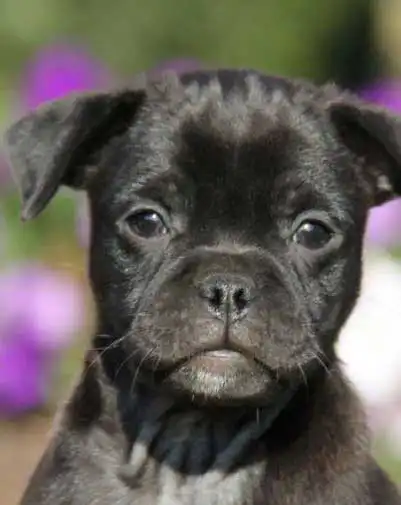
The Pug Pit is a smaller variant of its larger ancestor, the Pit Bull. When fully grown, this breed usually weighs up to thirty pounds at most. Its coat can exhibit a variety of colors, such as red, black, or blue, with the dominant parent’s color playing a significant role in determining the specific shade. Other possible variations include cream, brindle, red, or fawn, showcasing the breed's rich genetic background. The nose may be black, brown, red, or blue, and the dog often has button-like ears. Its tail typically curls, a trait inherited from the Pug lineage. The coat is short and sleek, while the dog possesses strong legs and hindquarters, often giving it a slightly rounded look, a feature passed down from the Pug. Additionally, it may display unique black markings around its eyes, nose, and mouth, which are characteristic of the Pug breed.

Care Routine
The Pug Pit is a remarkably low-maintenance breed, making it an excellent option for those who are often away from home or prefer minimal grooming efforts. With its short, straight coat, this breed only needs to be brushed once a week to keep its natural oils intact, resulting in a healthy and shiny look. Shedding is minimal and mainly occurs in the spring. To prevent tartar buildup and bad breath, it's recommended to brush their teeth two to three times a week, though daily brushing is ideal for avoiding tooth decay. Baths should only be given when absolutely necessary. It's important to establish a grooming routine early, as the Pit parent breed may be sensitive to touch. Additionally, nails should be trimmed every two to three weeks unless they wear down naturally. A good rule of thumb is to trim the nails if you can hear them clicking on a hard surface.
Behavior & Temperament
The Pug Pit is a breed known for its warmth and affection, marked by a joyful and curious disposition. This dog is not only brave but also eager to explore its environment. With a notable intelligence, the Pug Pit displays a gentle personality. Although he is quite sociable, he can occasionally show a stubborn streak. It is essential to establish a clear leadership role with the Pug Pit; if he believes he is the "alpha" in the relationship, he may try to take control. He is highly protective of his family and can be cautious around strangers. Always alert, the Pug Pit is sensitive to the interactions among family members—if there is tension between adults or a parent is disciplining a child, his reaction may not be positive.


Play & Exercise
The Pug Pit is a dog with a balanced energy level, necessitating daily exercise to keep him healthy and to curb any undesirable behaviors. Insufficient physical activity could lead to weight gain from his Pug heritage, while his Pit background might cause boredom and potential destructive tendencies. This breed enjoys trips to the dog park and would benefit from a brisk walk around the neighborhood. Providing mentally stimulating toys is advantageous, and he will also appreciate time spent in a secure, fenced area of your yard. However, it’s crucial to keep in mind that Pugs are often brachycephalic, which means the Pug Pit may inherit this trait. Therefore, always monitor him to prevent overheating or excessive exertion during playtime.
Things to Know
Cups Per Day
2.0 Cups
Daily Activity
45 Minutes
Average Lifespan
10 Years
Origin
Unknown
Type
Crossbreeds
Size
Medium
Origin Country
United States
Brush Frequency
Weekly
Coat Texture
Straight
Register
Your kids have been begging for a pet forever, and you've recently decided that it's time for your family to get a new addition -- a dog! While everyone is excited for the new arrival, you're wondering if you need to have a dog license. How much does it cost? Is it required? Where do you get one?
Member Clubs

PETINNATE
Other
Height & Weight
Weight
28 lbs (13 kg)Male: 28 lbs (13 kg) , Female: 28 lbs (13 kg)
Height
14 inches (36 sm)Male: 15 inches (38 sm) , Female: 13 inches (33 sm)
6 Months
12 lbs ( m 12 lbs, f 12 lbs )
7 inches ( m 7 inches, f 7 inches )
12 Months
15 lbs ( m 15 lbs, f 15 lbs )
10 inches ( m 10 inches, f 10 inches )
18 Months
21 lbs ( m 21 lbs, f 21 lbs )
13 inches ( m 13 inches, f 13 inches )
Eye Colors
Brown

Nose Colors
Blue
Black
Brown
Coat Colors
Black
Brown
Red
Cream
Fawn
Blue
White
Brindle
Sable