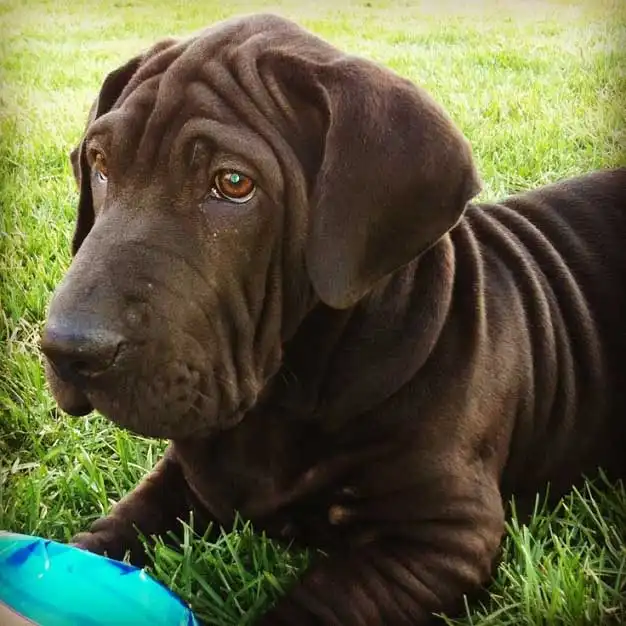
Ba-Shar
Sharp Asset
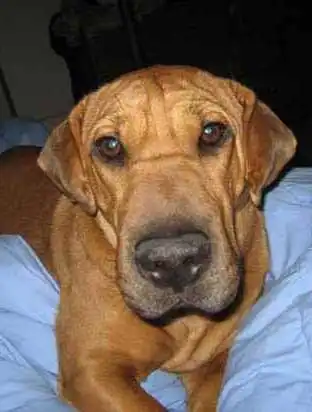
The Ba-Shar is a hybrid breed that emerges from the combination of a Basset Hound and a Shar-Pei, with its roots in the United States. This breed is available in a range of colors, such as chocolate, cream, fawn, white, black, brown, and golden. Their coat is typically short, dense, and coarse, offering some water resistance. Ba-Shars are known for their affectionate demeanor and intelligence, displaying a strong loyalty to their families. Grooming is relatively straightforward due to their short fur, which only requires brushing a couple of times a week. While they can be somewhat stubborn, they make effective watchdogs. Despite their larger stature, they can comfortably adapt to apartment living as long as they receive regular exercise each day.
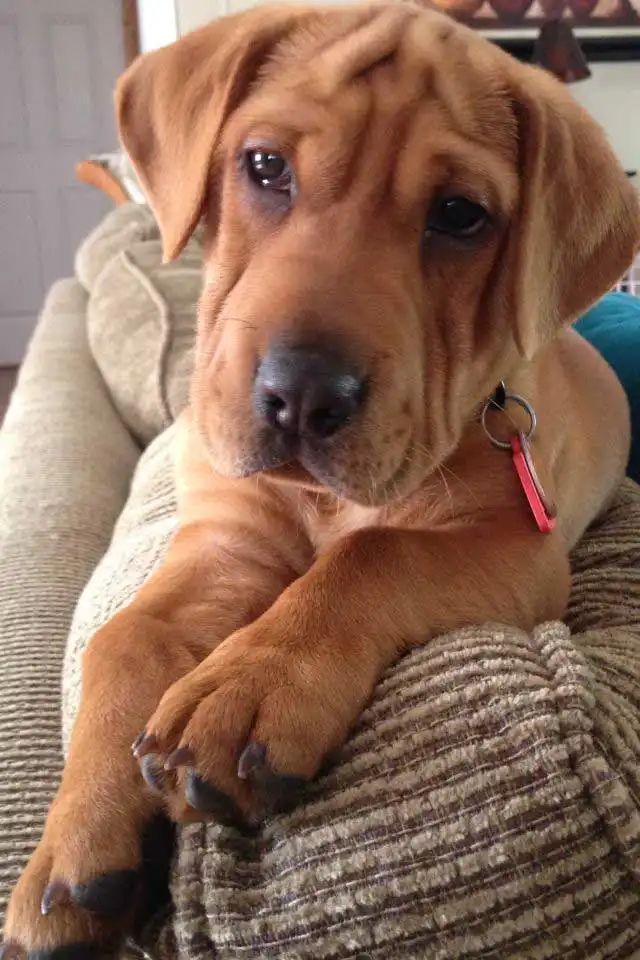
Breed Origin
The Ba-Shar is a hybrid breed that merges the Basset Hound with the Chinese Shar-Pei. Basset Hounds, known for their short legs and prominent heads, were originally bred in France in the late 1500s for hunting. The term "Basset" first emerged in French literature during the sixteenth century, although the breed was primarily developed by the Friars of the Abbey of St. Hubert in northern France, aiming to create hounds that could keep up with hunters on foot. According to the American Kennel Club, the name “Basset” comes from the French word “bas,” which translates to “low” or “dwarf.” Their lineage likely includes Bloodhounds, which contribute to their remarkable sense of smell. These dogs were adept at tracking various game such as rabbits, foxes, pheasants, deer, and badgers, and they were also used to hunt larger prey like wild boar and wolves. Their low height enabled them to navigate through thick underbrush, and they were bred more for stamina than speed. One of the most famous Basset Hounds is Fred, a cartoon character who has been featured in the Daily Mail for over five decades and has appeared under different names in around 200 newspapers worldwide. This breed is often affectionately referred to as a Hush Puppy. Conversely, the Chinese Shar-Pei has origins in southern China, with a history spanning roughly 2000 years. Recognized for their unique wrinkled coats, these dogs were initially bred for their strength and used in farm hunting, later becoming known as fighting dogs. The breed was introduced to the United States in 1973 and was added to the American Kennel Club's Miscellaneous Class in 1988. By 1991, the Shar-Pei received official recognition as part of the Non-Sporting Group and is also known as the Chinese Fighting Dog.
Breed Appearance
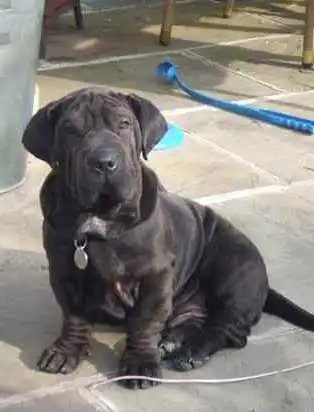
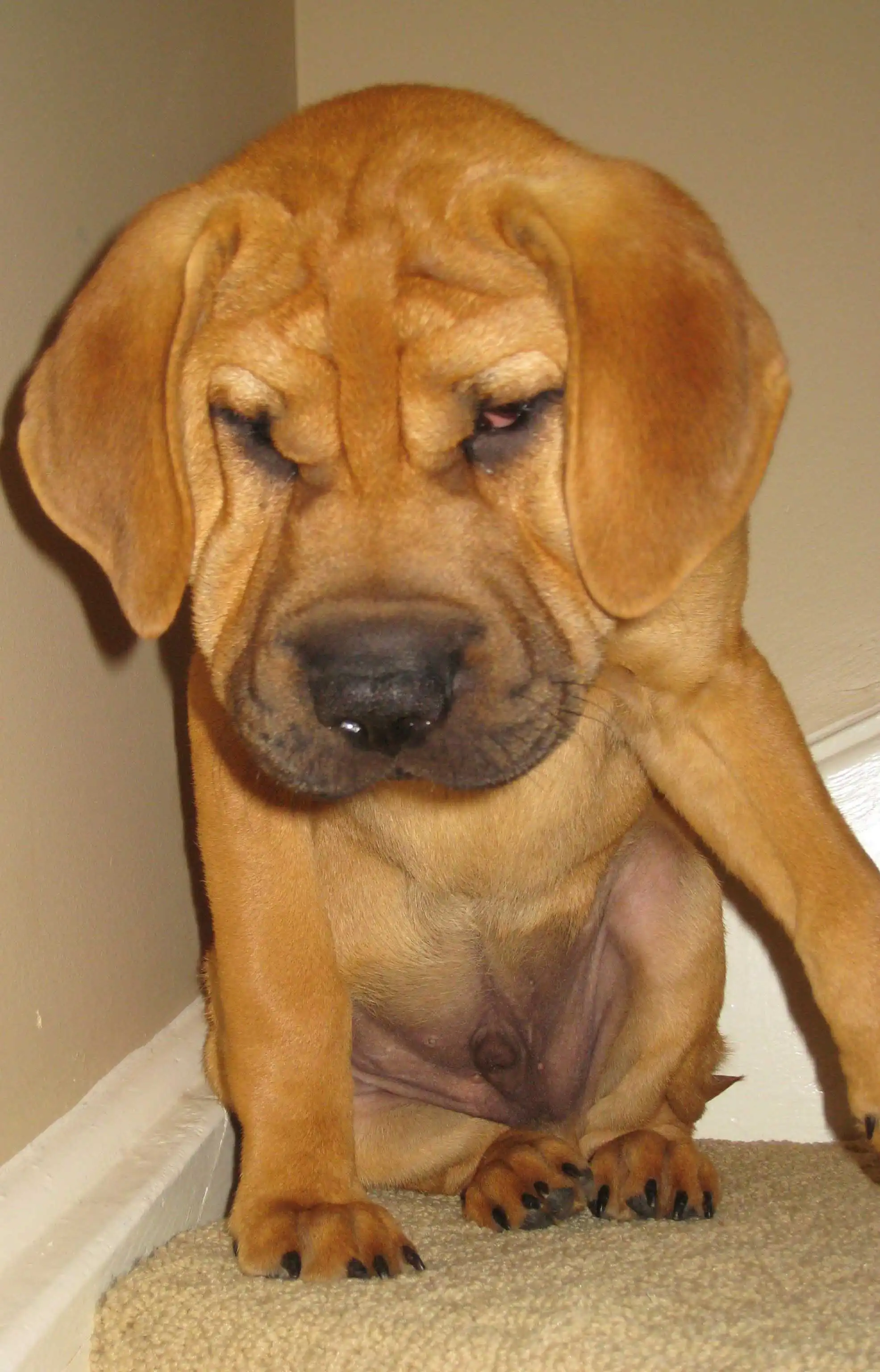
The Ba-Shar is a robust breed, with males typically weighing up to 60 pounds and standing around 13 inches tall. This breed often showcases a variety of characteristics inherited from its parent breeds. Its coat is short, dense, and coarse, featuring some wrinkles, though these are less pronounced than those of a Chinese Shar-Pei. Ba-Shars are known for their notably large heads, which are often compared to those of hippos, and their bodies are relatively low to the ground, similar to a Basset Hound. Their expressive, almond-shaped brown eyes stand out, and their tails are long, curved, and end in a distinctive curl. Additionally, they usually have long, floppy ears and large paws.
Care Routine
The Ba-Shar has a relatively short coat that still necessitates regular grooming to ensure the dog's overall well-being. Although they are not hypoallergenic and do not shed excessively, it is recommended to brush your dog once or twice a week to support skin health. Bathing should only be done when absolutely necessary. Due to their long, floppy ears, these dogs are susceptible to ear infections, making it essential to regularly check and clean their ears with damp cotton wool. Starting this routine early will help your dog get used to having its ears handled. Furthermore, nails should be trimmed as needed, and ideally, teeth should be brushed daily or at least two to three times a week.
Behavior & Temperament
The Ba-Shar is a remarkably devoted and intelligent breed, making it an excellent option for families seeking a pet. These dogs flourish in the company of their owners and are known for their protective nature, often becoming distressed if left alone for long periods. Although they may appear relaxed, Ba-Shars are not typically prone to barking; however, some may howl when they are unhappy, and they can exhibit destructive behavior if unsupervised. Energetic, playful, and affectionate, these dogs can also show a stubborn side, which underscores the importance of early training. Effective training not only improves their obedience but also helps them socialize with other animals. With proper guidance, Ba-Shars learn quickly. They usually get along well with children but may be a bit cautious around strangers and new experiences. Additionally, they possess a strong instinct to chase small animals like squirrels and rabbits, so it’s crucial to keep them leashed outdoors and ensure your yard is secure.

Play & Exercise
Ba-Shar dogs are often referred to as "couch potatoes" because of their laid-back demeanor. Nonetheless, it is crucial to ensure they receive regular exercise to support their health and fitness, as these dogs can quickly become overweight if they lead a more sedentary lifestyle. Ba-Shars appreciate walks and enjoy playing with toys, but their strong instinct to chase means they should be kept on a leash when in public areas. Playing games like fetch in a secure yard is an excellent way to keep them engaged. Younger puppies are typically more lively and have a tendency to chew, making rawhide bones or chew toys ideal for them. They do best in moderate climates and struggle to adapt to extreme temperatures, whether hot or cold.
Things to Know
Cups Per Day
0.0 Cups
Daily Activity
0 Minutes
Average Lifespan
9 Years
Origin
1990s
Type
Crossbreeds
Size
Not Set
Origin Country
United States
Brush Frequency
Daily
Coat Texture
Straight
Register
Your kids have been begging for a pet forever, and you've recently decided that it's time for your family to get a new addition -- a dog! While everyone is excited for the new arrival, you're wondering if you need to have a dog license. How much does it cost? Is it required? Where do you get one?
Member Clubs

PETINNATE
Other
Height & Weight
Weight
45 lbs (20 kg)Male: 45 lbs (20 kg) , Female: 45 lbs (20 kg)
Height
12 inches (30 sm)Male: 12 inches (30 sm) , Female: 12 inches (30 sm)